
QUICK ANSWER

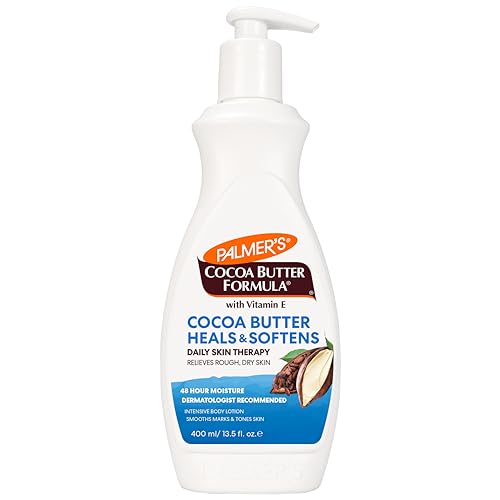

Lotion often stings on dry skin because a weakened skin barrier lets ingredients like fragrance, alcohol, acids, or preservatives reach nerve endings more easily. Cracks make it worse. A simple, fragrance-free cream or ointment applied to damp skin may help. Lingering burning, rash, or swelling deserves a clinician’s attention.
You squeeze lotion onto rough, tight skin expecting relief, and instead it prickles or burns. That is confusing and a little discouraging. It is also common, and it usually has an explanation you can work with.
This guide explains what is happening in your skin, which ingredients and habits tend to be involved, and how to choose and test a gentler product.
KEY TAKEAWAYS


- Dry skin has a weaker barrier, so ingredients that normally feel neutral can register as stinging.
- Fragrance, alcohol, exfoliating acids, and urea are frequent culprits, especially on cracked skin.
- Thick, simple creams and ointments are often more comfortable than thin, scented lotions.
- Burning that lingers, or arrives with rash, swelling, or blisters, is worth a professional opinion.
What Happens When Lotion Meets Dry Skin
The outer layer of your skin works a bit like a brick wall, with tiny cells held together by fatty substances called lipids. When the wall is intact, it holds water in and keeps irritants out. Dry skin means the wall has gaps. Cold air, hot showers, frequent washing, harsh soaps, and your natural skin type can all contribute.
Through those gaps, lotion ingredients can reach nearby nerve endings faster than usual. Your nerves report that as stinging, tingling, or burning. The lotion is not automatically “bad.” Your skin is simply less able to buffer it right now.
Cracks, scratches, and tiny splits intensify the effect because ingredients touch more sensitive tissue underneath.
How a sting happens (illustrative simplification)


Read left to right, or top to bottom on a phone.
Step 1: Barrier weakens
Cold air, hot water, or over-washing leaves small gaps.
Step 2: Ingredients slip through
Lotion components reach deeper layers faster than usual.
Step 3: Nerves react
You feel prickling, stinging, or burning.
Common Ingredients That May Sting


No single ingredient explains every case, but a few show up again and again when people describe stinging on dry skin.
Ingredients That Commonly Sting Dry Skin
Use this table as a label-reading guide, not a verdict on any one product.
| Ingredient type | Why it may sting | Label clues |
|---|---|---|
| Fragrance and essential oils | Scent compounds are a well-known source of skin irritation for some people. | Fragrance, parfum, named essential oils |
| Drying alcohols | Quick-evaporating alcohols can leave skin feeling tight and sensitive. | Alcohol denat., SD alcohol, isopropyl alcohol |
| Exfoliating acids | They loosen surface cells, which can sting skin that is already compromised. | Glycolic, lactic, salicylic acid |
| Urea | Often used for rough skin, but it can sting on cracked or inflamed areas. | Urea, carbamide |
| Cooling agents | Tingly sensations are part of their design, and sensitive skin may read them as burning. | Menthol, camphor, eucalyptus |
| Preservatives and additives | Some people react to particular ones, though this varies widely. | Long ingredient lists, added dyes |
Not every product with these ingredients will sting every person. Urea and lactic acid, for instance, are chosen on purpose for rough skin. If they sting, your skin may simply need a calmer product for a while.
Reaching for whatever lotion is nearby? Our safety guide on using hand lotion on your face explains why scented or active formulas can behave differently on thinner, more sensitive skin.
Is It Simple Dryness or Something Else?
How the sting behaves gives useful clues. A fleeting prickle is different from burning that builds or a reaction that appears later.
What the Sensation May Be Telling You
These are general patterns, not diagnoses.
| What you notice | Possible meaning | Sensible next step |
|---|---|---|
| Brief prickle that fades in a minute or two | Dry barrier letting an ingredient reach nerve endings | Try a simpler, fragrance-free product on damp skin |
| Burning that lingers or builds | Irritation from the product or from very irritated skin | Rinse gently with lukewarm water and pause the product |
| Itching, redness, or rash hours to days later | Possible irritant or allergic-type reaction | Stop the product and ask a pharmacist or clinician |
| Stinging in red, flaky, itchy patches that keep returning | May involve a skin condition rather than plain dryness | Get it evaluated instead of self-diagnosing |
| Stinging on cracked or bleeding skin | Open skin lets ingredients in more easily | Choose a bland product, and check in if cracks are deep or slow to settle |
Quick Sting Decision Path
Path A: Fades quickly
Switch to a simpler formula and patch test before using it widely.
Path B: Lingers or builds
Rinse with lukewarm water, pause the product, and give skin a calm few days.
Path C: Rash, swelling, blisters
Stop the product and seek medical advice.
Habits That Can Make Stinging Worse
Sometimes the lotion is fine and the circumstances are the problem. Small changes in how and when you moisturize can change how it feels.
Common Habits and Gentler Alternatives
Pick one or two to change rather than overhauling everything at once.
| Common habit | Why it can sting | Gentler alternative |
|---|---|---|
| Moisturizing long after bathing | Surface moisture has already evaporated | Apply within a few minutes of patting dry |
| Very hot, long showers | Hot water strips natural oils | Lukewarm water and shorter showers |
| Using exfoliants or active serums on the same skin | Skin is already primed to react | Pause actives while skin is stinging |
| Scratching or scrubbing dry patches | Creates tiny breaks in the skin | Pat dry and moisturize instead |
| Trying a new product everywhere at once | You cannot tell what caused a reaction | Patch test first |
If your skin feels raw overall, not just where lotion goes on, our gentle routine for a damaged skin barrier lays out a simplified approach.
A Gentler Moisturizing Routine
1. Rinse
Use lukewarm water and a mild cleanser only where needed.
2. Pat
Blot with a towel and leave skin slightly damp.
3. Moisturize
Apply a thin, even layer within a few minutes.
4. Press, don’t rub
Smooth gently so you do not further irritate the skin.
Lotion, Cream, or Ointment: Which Is Gentler?
Texture matters. Lotions are thinner and contain more water, which makes them easy to spread. Creams are thicker. Ointments are the richest, usually with little or no water and often a short ingredient list. That is why many people with very dry skin find ointments more comfortable.
Lotion, Cream, and Ointment Compared
Formulas vary by brand, so treat this as a general guide.
| Type | Feel | May suit | Trade-off |
|---|---|---|---|
| Lotion | Light, fast-absorbing | Mild dryness, humid weather | May need more additives; often less protective |
| Cream | Thicker, smooth | Moderate to noticeable dryness | Check for fragrance and actives |
| Ointment | Rich, greasy | Very dry, rough, or cracked areas | Can stain fabric; some find the feel heavy |
Label Check: Look For vs. Be Cautious With
Look for
Fragrance-free wording, short ingredient lists, and plain emollients such as petrolatum or ceramides.
Be cautious with
Scented products, drying alcohols, exfoliating acids, and cooling agents while skin is irritated.
Product Types to Browse
Formulas change, so these links open general Amazon searches instead of specific products. Read the current ingredient list on anything you choose, and remember “fragrance-free” is not a guarantee that nothing will sting.
| Product type | Who it may suit | Check before buying | Link |
|---|---|---|---|
| Fragrance-free moisturizing cream | Everyday dryness on body or hands | No fragrance, no drying alcohol | Check current details on Amazon |
| Ceramide-containing cream | Skin that feels tight after washing | Full ingredient list, added acids or scents | Check current details on Amazon |
| Plain petrolatum ointment | Very dry or rough patches | Short ingredient list, greasy feel is acceptable | Check current details on Amazon |
How to Patch Test a New Product
A patch test will not catch every reaction, but it can keep a small problem small.
Patch Test Timeline
Step 1: Choose a spot
A small area of intact skin, such as the inner forearm.
Step 2: Apply a little
Use a thin layer and note how it feels in the first few minutes.
Step 3: Wait a day or two
Watch for redness, itching, or bumps.
Step 4: Decide
If calm, expand gradually. If not, stop using it.
When to Get Professional Advice
Safety Note
Stop using a product and consider medical advice if you notice blistering, oozing, swelling, spreading redness, hives, or burning that does not settle. Seek urgent care for swelling of the face, lips, or tongue, or trouble breathing.
Some readers should check with a clinician or pharmacist before experimenting. That includes people with eczema or other skin conditions, anyone with diabetes-related numbness or cracked feet, parents choosing products for babies and young children, and pregnant readers considering products with active ingredients. Older adults, whose skin often runs drier, may also benefit from a quick check on persistent cracking.
Follow the manufacturer’s directions, and avoid applying products to broken or visibly inflamed skin unless a professional says it is appropriate.
Frequently Asked Questions
Does stinging mean I am allergic to the lotion?
Not necessarily. Stinging often reflects irritation on a dry or damaged barrier. Allergic-type reactions more often involve itching, a rash, or swelling, sometimes appearing hours or days later. If you are unsure, ask a pharmacist or clinician.
Should I keep using a lotion that stings?
If it burns or the sensation lingers, it is reasonable to rinse gently with lukewarm water and stop using it. A mild prickle that fades quickly is less concerning, but switching to a simpler product is still worth considering.
Does moisturizing on damp skin reduce stinging?
Many people find it more comfortable, since moisturizers are commonly applied soon after bathing while skin is still slightly damp. It is not a guarantee, and the product itself still matters.
Why does lotion sting more in winter?
Cold outdoor air, indoor heating, and frequent hand washing can leave the skin barrier drier, so ingredients may be felt more easily.
Are ointments less likely to sting than lotions?
They often are, because many ointments have short ingredient lists and little water. The trade-off is a greasy feel, and individual reactions still vary.
Is it okay to put lotion on cracked heels or hands if it stings?
Cracks let ingredients such as urea or acids reach sensitive tissue, so a bland product is usually gentler. If cracks are deep, bleeding, or slow to settle, or if you have diabetes, check with a clinician.
Final Thoughts
Lotion usually stings on dry skin because the barrier is temporarily less able to buffer what you put on it. Fragrance, drying alcohol, acids, and urea are common triggers, and cracks or over-washing amplify them. Often the practical fix is a simpler formula, applied soon after bathing, tested on a small area first.
Keep expectations realistic: no moisturizer works for everyone, and persistent burning, rash, or swelling is a reason to stop and ask a healthcare professional rather than push through.