
QUICK ANSWER

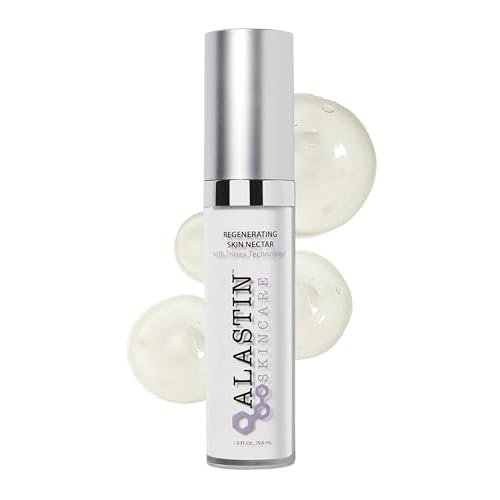

A fragrance-free, hydrating face mask with ingredients such as glycerin, hyaluronic acid, ceramides, or colloidal oatmeal may suit dry, sensitive skin. Choose a simple formula without harsh exfoliants, essential oils, or added fragrance. Patch test before applying it to your face, follow the product directions, and finish with a gentle moisturizer.
When your face feels tight, rough, or uncomfortable after cleansing, adding another skincare product can seem like a gamble. A mask that feels soothing to one person may leave someone with sensitive skin feeling even drier or more irritated.
Finding a suitable face mask for dry sensitive skin is less about choosing the most expensive formula or the one with the longest ingredient list. It is about understanding what your skin needs, recognizing potentially irritating ingredients, and selecting a product that provides moisture without unnecessary extras.
This guide explains the different mask types, useful moisturizing ingredients, ingredients worth avoiding, and how to introduce a new mask without overwhelming your skincare routine.

Key Takeaways
- Choose fragrance-free masks designed for hydration rather than aggressive exfoliation.
- Look for ingredients such as glycerin, ceramides, hyaluronic acid, and colloidal oatmeal.
- Avoid added fragrance, essential oils, harsh scrubs, and strong exfoliating formulas when your skin is easily irritated.
- Patch test new products and follow the manufacturer’s application instructions.
Why Dry, Sensitive Skin Needs a Different Face Mask


Dry skin and sensitive skin can overlap, but they are not exactly the same. Dry skin generally has less natural oil, while sensitive skin tends to react more easily to certain ingredients, environmental conditions, or skincare products.
When the outer skin barrier is not functioning well, moisture can escape more easily. The skin may then feel tight, flaky, rough, or uncomfortable. Products that contain strong exfoliating ingredients or fragrance can make that discomfort worse for some people.
A suitable mask should complement your regular skincare routine rather than replace it. Its main purpose should be to provide temporary hydration and a comfortable skin feel.
Common Signs Your Skin May Need Extra Moisture


Your face feels uncomfortable after washing or when moving facial muscles.
Small dry patches appear around the cheeks, nose, or forehead.
Some skincare products cause temporary discomfort, redness, or stinging.
Your skin feels less smooth, particularly in areas that frequently become dry.
These observations do not identify a particular skin condition. Persistent redness, itching, scaling, or burning may have causes that a face mask cannot address.
Best Types of Face Masks for Dry Sensitive Skin
Not every mask is designed to do the same job. Some focus on hydration, while others absorb excess oil, exfoliate the surface, or provide a temporary refreshing sensation. For dry, reactive skin, moisturizing formulas are generally the more appropriate starting point.
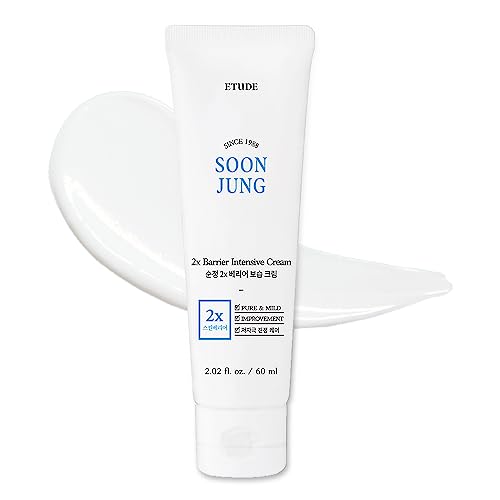
1. Hydrating Cream Masks
Cream masks have a rich texture and may contain a combination of water-binding ingredients, emollients, and moisturizing agents. They are worth considering when your face frequently feels tight or dry.
Look for formulas containing glycerin, ceramides, dimethicone, or other moisturizing ingredients. A fragrance-free option with a relatively simple ingredient list can make product selection easier.
The main trade-off is texture. Some cream masks may feel too heavy for people who experience clogged pores or prefer lightweight skincare products.
2. Hydrating Sheet Masks
Sheet masks are fabric or cellulose sheets soaked in a liquid skincare formula. Many are marketed for hydration and convenience.
For sensitive skin, the formula inside the package matters more than the sheet material or packaging. Check the ingredient list for fragrance, essential oils, and potentially irritating active ingredients before purchasing.
A sheet mask should be removed according to its instructions. Leaving it on longer than recommended does not necessarily improve hydration and may increase discomfort.
3. Colloidal Oatmeal Masks
Colloidal oatmeal is finely ground oatmeal used in certain skincare formulations. It is included in some products designed to support skin comfort and provide temporary protection against minor irritation.
A properly formulated colloidal oatmeal mask may be worth considering if your skin tends to feel dry or uncomfortable. However, not every oatmeal product is appropriate for facial use, and botanical ingredients can still cause reactions in some individuals.
Choose a product specifically labeled for facial application and check the complete ingredient list.
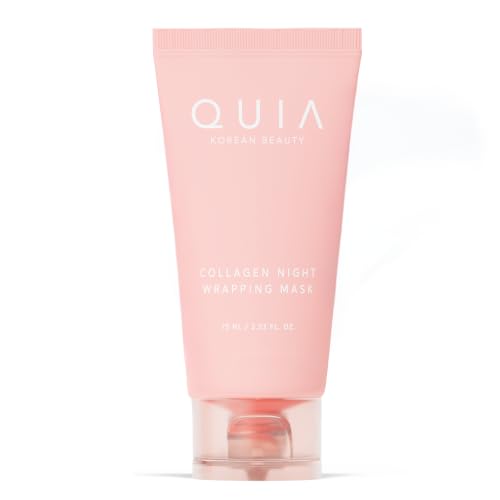
4. Overnight Hydrating Masks
Some overnight masks are designed to be the final moisturizing step in an evening routine. Their textures range from lightweight gels to richer creams.
For sensitive skin, a simple fragrance-free formula may be preferable to one containing multiple exfoliating or perfuming ingredients. Follow the packaging directions rather than assuming every overnight mask should remain on your face until morning.
5. Gel-Based Hydrating Masks
Gel masks usually have a lighter consistency than traditional cream masks. They may contain humectants such as glycerin or hyaluronic acid, which help attract and hold water in the outer skin layer.
They can be an option for people who dislike heavy textures. However, a lightweight gel may not provide enough moisture by itself when skin is particularly dry, so a suitable moisturizer afterward may still be helpful.
Face Mask Types Compared
The following comparison can help narrow your choices. Individual formulas differ, so always check the label rather than relying on the product category alone.
| Mask Type | Main Purpose | What to Check |
|---|---|---|
| Cream mask | Moisturizing and softening | Fragrance-free formula and moisturizing ingredients |
| Sheet mask | Convenient hydration | Serum ingredients and application directions |
| Oatmeal mask | Skin comfort and moisturizing support | Facial suitability and possible allergens |
| Overnight mask | Extended moisturizing step | Whether it is designed to remain on overnight |
| Gel mask | Lightweight hydration | Whether additional moisturizer is needed |
Ingredients to Look for in a Face Mask
Reading the ingredient list is one of the most useful steps when choosing skincare for dry, sensitive skin. Instead of focusing on marketing terms such as nourishing, soothing, or clean, look for ingredients with recognizable moisturizing functions.
1. Glycerin
Glycerin is a humectant, meaning it helps attract water to the outer skin layer. It is commonly used in moisturizers and hydrating skincare formulas.
It can be a useful ingredient to look for when dryness and tightness are your main concerns.
2. Hyaluronic Acid
Hyaluronic acid is another humectant found in many facial products. It helps hold water and is frequently included in lightweight hydrating masks and serums.
Its presence does not automatically make a product suitable for sensitive skin. The complete formulation, including preservatives and fragrance, still matters.
3. Ceramides
Ceramides are lipids naturally found in the skin barrier. Skincare products containing ceramides are designed to supplement the skin’s moisturizing routine and support barrier function.
They are worth considering in cream-based masks or moisturizing products used after a mask.
4. Colloidal Oatmeal
Colloidal oatmeal is used in some skin-protectant products. It can help provide temporary protection and support skin comfort, depending on the formulation and product labeling.
People with known oat allergies should avoid products containing oatmeal unless a healthcare professional advises otherwise.
5. Dimethicone
Dimethicone is a silicone-based ingredient used in skincare as an emollient and skin protectant. It helps form a smooth layer on the skin and can reduce moisture loss.
It is commonly found in moisturizing creams and barrier-supporting formulations.
Ingredient Comparison Guide
These ingredients serve different functions. A balanced formula may combine several of them rather than relying on one ingredient alone.
| Ingredient | Category | Why It May Be Useful |
|---|---|---|
| Glycerin | Humectant | Attracts water to the skin surface |
| Hyaluronic acid | Humectant | Helps hold water in the outer skin layer |
| Ceramides | Barrier lipids | Support the skin’s moisture barrier |
| Colloidal oatmeal | Skin protectant ingredient | May help with temporary skin comfort |
| Dimethicone | Emollient and protective agent | Helps soften skin and reduce moisture loss |
Understand the Three Moisturizing Functions
Help attract water. Examples include glycerin and hyaluronic acid.
Help soften and smooth the skin’s surface.
Help reduce water loss by forming a protective surface layer.
A moisturizing formula may combine more than one of these functions.
Ingredients to Avoid or Approach Carefully
Even products labeled for sensitive skin can contain ingredients that do not agree with everyone. Certain ingredients deserve extra attention when your face frequently feels dry or reacts to skincare products.
Added Fragrance and Essential Oils
Fragrance is a common source of irritation and allergic contact reactions. Essential oils may also trigger irritation or allergies, even when a product is marketed as natural.
Look for the term fragrance-free rather than assuming unscented means the same thing. Unscented products may contain ingredients that mask other odors.
Strong Exfoliating Acids
Some masks contain alpha hydroxy acids (AHAs), such as glycolic acid and lactic acid, or beta hydroxy acids (BHAs), such as salicylic acid.
These ingredients can have a place in certain skincare routines, but exfoliating masks may be unnecessarily irritating when skin is already dry, reactive, or uncomfortable. Consider skipping them until your skin is settled.
Physical Scrubbing Ingredients
Products containing rough particles, including certain nut-shell or fruit-pit powders, can create unnecessary friction. This may be particularly uncomfortable for sensitive skin.
Drying Formulas
Some masks are designed to absorb excess oil. Clay-heavy products, alcohol-containing formulas, and other oil-control treatments may leave already dry skin feeling tighter.
Ingredients Worth Checking Carefully
| Ingredient or Type | Potential Concern | Practical Approach |
|---|---|---|
| Added fragrance | May cause irritation or allergic reactions | Prefer fragrance-free products |
| Essential oils | May irritate or trigger allergies | Choose simpler formulas |
| Strong AHAs and BHAs | May increase irritation and dryness | Avoid when skin is already irritated |
| Physical exfoliating particles | Can create excessive friction | Prefer non-scrubbing masks |
| Rubbing alcohol | May contribute to dryness | Check the full formula |
| Heavy clay-based formulas | May absorb excess surface oil | Consider a hydrating alternative |
How to Choose the Right Face Mask
Choosing a mask becomes easier when you focus on your skin’s current condition rather than relying on general product rankings. A formula that works during mild seasonal dryness may not be appropriate when your face is already irritated.
A Simple Buying Checklist
Before You Buy
- ✓ Is it specifically designed for facial use?
- ✓ Is the formula fragrance-free?
- ✓ Does it contain suitable moisturizing ingredients?
- ✓ Does it avoid unnecessary exfoliating ingredients?
- ✓ Are the complete ingredients clearly listed?
- ✓ Are the application and removal instructions easy to follow?
Match the Mask to Your Skin’s Needs
Use this table as a starting point, not as a substitute for assessing persistent skin symptoms.
| Your Main Concern | Mask to Consider | What to Prioritize |
|---|---|---|
| Frequent tightness | Cream mask | Glycerin and emollients |
| Light dehydration | Gel mask | Hyaluronic acid and glycerin |
| Preference for convenience | Sheet mask | Simple, fragrance-free serum |
| Dry-feeling skin | Oatmeal-based mask | Colloidal oatmeal, if tolerated |
| Preference for richer evening care | Overnight mask | Simple moisturizing formula |
How to Use a Face Mask Without Overwhelming Sensitive Skin
Even a well-formulated product can cause problems if it is used incorrectly or introduced alongside several other new skincare products. A gradual approach makes it easier to identify what your skin tolerates.
Step 1: Start With a Clean Face
Wash your face with a gentle cleanser and lukewarm water. Avoid vigorous rubbing, hot water, and cleansing products that leave your skin feeling tight.
Pat your face dry with a clean, soft towel instead of rubbing it.
Step 2: Patch Test the Product
Before applying a new mask to your entire face, test it on a small area of skin. The American Academy of Dermatology recommends testing skincare products on a small spot twice daily for seven to ten days, following the product’s normal contact instructions.
For a rinse-off mask, follow its intended contact time when testing. A patch test can help identify some reactions, although it cannot guarantee that a product will never cause irritation.
Step 3: Follow the Label Instructions
Apply the mask as directed by its manufacturer. Avoid applying a thicker layer than recommended or extending the application time because you expect additional hydration.
Keep the product away from your eyes and lips unless its directions specifically permit application in those areas.
Step 4: Remove It Gently
Rinse off rinse-off masks using lukewarm water and gentle movements. Do not scrub your face to remove remaining product.
For sheet masks or leave-on formulas, follow the packaging instructions about whether the remaining serum should be removed or left on the skin.
Step 5: Apply Moisturizer
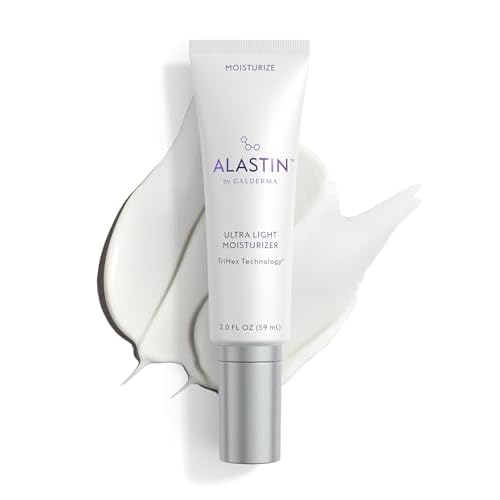
Finish with a moisturizer that your skin already tolerates. A fragrance-free cream containing ingredients such as glycerin, ceramides, or dimethicone may be useful when dryness is a concern.
During the daytime, continue using broad-spectrum sunscreen with SPF 30 or higher as part of your regular skin protection routine.
Your Gentle Mask Routine
Use a mild cleanser and lukewarm water.
Make sure the product has been patch tested and your skin is comfortable.
Use the mask according to its directions.
Follow the product’s rinse-off or leave-on instructions.
Finish with a familiar, fragrance-free moisturizer.
How Often Should You Use a Face Mask?
There is no universal schedule for every face mask. Frequency depends on its formulation, directions, and how your skin responds.
Start by following the manufacturer’s recommended schedule. Avoid combining several masks or introducing multiple new active ingredients at once. If your face becomes uncomfortable, stop using the product rather than trying to increase its frequency.
Common Face Mask Mistakes to Avoid
Sometimes the problem is not the mask itself but the way it is selected or used. A few simple adjustments can make your skincare routine easier to manage.
| Common Mistake | Why It Can Be a Problem | Better Approach |
|---|---|---|
| Choosing a mask because it smells pleasant | Fragrance may irritate sensitive skin | Prioritize fragrance-free formulas |
| Leaving a mask on longer | May increase irritation | Follow the label’s time limit |
| Using exfoliating masks on irritated skin | May worsen discomfort | Pause exfoliation until skin settles |
| Skipping moisturizer | A mask may not provide lasting moisture | Follow with a suitable moisturizer |
| Trying several new products together | Makes reactions harder to identify | Introduce one new product at a time |
Safety Note: When to Skip a Face Mask
A moisturizing mask is not necessarily appropriate in every situation.
- Skip new masks when your skin is actively burning, very irritated, or visibly broken.
- Avoid applying cosmetic masks to open wounds or severely inflamed areas.
- If you have eczema, rosacea, a known skin allergy, or another diagnosed skin condition, ask a dermatologist whether a mask is appropriate.
- If a product causes itching, burning, or stinging, remove it promptly and stop using it.
- Seek medical advice if a reaction is severe, persistent, or worsening.
Do You Actually Need a Face Mask?
No. A face mask is an optional addition to skincare, not a necessary step for maintaining comfortable skin.
A gentle cleanser, appropriate moisturizer, and daily sun protection provide a more practical foundation. A mask may offer an additional moisturizing step if you enjoy using one and your skin tolerates it.
If your face remains dry despite a consistent, gentle routine, consider reviewing your other products, washing habits, and environmental factors. Persistent symptoms may need assessment by a qualified healthcare professional rather than another cosmetic product.
Frequently Asked Questions
What is the best type of face mask for dry sensitive skin?
A fragrance-free hydrating cream mask or another gentle moisturizing formula may be a suitable starting point. Look for ingredients such as glycerin, ceramides, or hyaluronic acid, and avoid unnecessary exfoliating ingredients if your skin is easily irritated.
Are sheet masks suitable for dry sensitive skin?
Some sheet masks may be suitable, but the ingredients matter more than the sheet material. Choose fragrance-free formulas with moisturizing ingredients and follow the recommended application time. Remove the mask if discomfort develops.
Is hyaluronic acid good in a face mask for sensitive skin?
Hyaluronic acid is a humectant that helps attract and hold water in the outer skin layer. It may be useful in a hydrating mask, although the complete formula determines whether the product suits sensitive skin.
Should I use a clay mask if my face is dry?
Clay masks are commonly designed to absorb excess oil. They may leave already dry skin feeling tighter, so a moisturizing cream or gel mask may be a more appropriate choice.
Can I use a face mask every day?
Not every mask is designed for daily use. Follow the manufacturer’s directions and consider your skin’s response. Using a mask more frequently than recommended may increase the risk of irritation, particularly with exfoliating formulas.
Should I moisturize after using a face mask?
For many rinse-off and hydrating masks, applying a familiar moisturizer afterward is a sensible step. Choose a fragrance-free product that your skin already tolerates to help maintain moisture.
Can a face mask make sensitive skin worse?
Yes. Fragrance, essential oils, strong exfoliants, and other ingredients may cause irritation or allergic reactions. Using a mask too frequently or leaving it on longer than directed can also create problems. Stop using a product that causes discomfort.
Final Thoughts
Choosing a face mask for dry sensitive skin does not need to involve a complicated skincare routine. Start with a gentle, fragrance-free formula that focuses on hydration rather than exfoliation.
Ingredients such as glycerin, hyaluronic acid, ceramides, and colloidal oatmeal can help guide your selection, but no ingredient guarantees that a product will suit everyone.
Most importantly, introduce new products gradually, patch test them, follow their instructions, and continue using a moisturizer that your skin tolerates. If dryness or irritation persists, a dermatologist can help identify the underlying issue and recommend appropriate care.
A simple, consistent skincare routine is often more useful than adding multiple masks or treatments.