
Quick Answer


Skin often stays dry because moisturizer is only one piece of the picture. Hot water, harsh cleansers, dry indoor air, applying product to fully dry skin, or a formula that is too light can all work against it. Adjust those first, and check with a clinician if dryness is severe, itchy, cracked, or lingers.
You smooth on a rich cream in the morning, again at night, and by lunchtime your cheeks feel tight and your hands look dull. It is a frustrating loop, and it usually points to a mismatch rather than a failed product.
Moisturizer works best as a finishing step. It helps hold water in the skin and supports the outer layer, but it cannot fully make up for hot showers, stripping cleansers, or winter heating pulling moisture away all day. This guide walks through the most common reasons, how to tell them apart, and what gentle changes are worth trying.
Key Takeaways
- Timing matters: applying moisturizer to slightly damp skin soon after washing usually works better than applying it to fully dry skin.
- A formula needs the right mix of ingredient types, not just a high price or a “hydrating” label.
- Water temperature, cleanser strength, and indoor air often matter as much as the moisturizer itself.
- Ongoing itching, cracking, redness, or rash deserves a conversation with a healthcare professional.
What Moisturizer Actually Does (and Doesn’t Do)

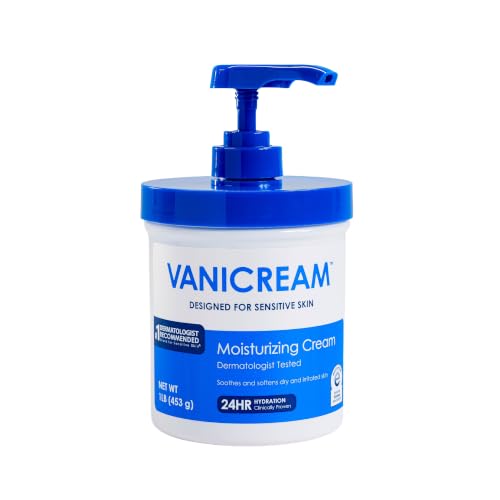

Moisturizers generally combine three kinds of ingredients. Humectants attract water, emollients smooth and soften the surface, and occlusives form a thin barrier that slows water loss. A product heavy on one type and light on the others may feel pleasant for an hour and then fade.
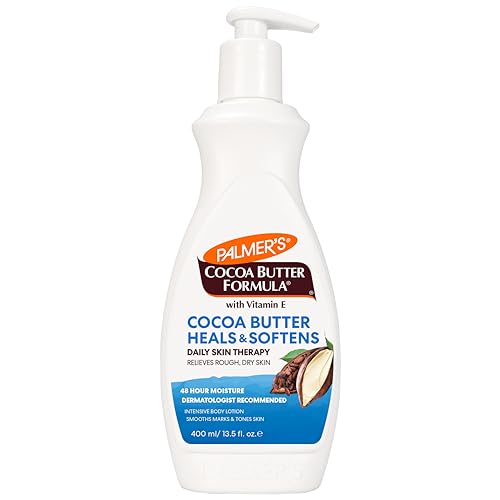


Moisturizer Ingredient Types at a Glance
Use this table to read a label with more confidence. Product formulas vary, so treat the examples as common patterns, not guarantees.
| Type | Common examples | Role |
|---|---|---|
| Humectants | Glycerin, hyaluronic acid, urea | Draw water toward the skin surface |
| Emollients | Ceramides, fatty acids, plant oils | Soften and fill gaps between skin cells |
| Occlusives | Petrolatum, dimethicone, shea butter | Slow water from escaping |
If your moisturizer is mostly a humectant gel and the air is dry, it may have little to hold onto. Pairing it with something richer can make a noticeable difference for some people.
Visual: The “Lock It In” Sequence
Step 1


Wash with lukewarm water and a gentle cleanser.
Step 2
Pat gently so skin stays slightly damp.
Step 3
Apply moisturizer within a few minutes.
Step 4
Reapply to hands or other dry spots as needed.
Seven Common Reasons Skin Stays Dry
Most cases come down to a handful of everyday factors. Often more than one is involved, which is why swapping products alone does not always help.
Problem, Likely Cause, and Next Step
This table pairs what you may notice with a common explanation. It is a starting point for troubleshooting, not a diagnosis.
| What you notice | Possible cause | Gentle next step |
|---|---|---|
| Tight feeling an hour after applying | Applied to fully dry skin, or formula too light | Apply to damp skin; try a richer cream |
| Dry, flaky skin after showers | Hot water or long showers | Use warm water; keep showers shorter |
| Squeaky-clean feel after washing | Cleanser that is too stripping | Switch to a mild, fragrance-free cleanser |
| Stinging with new products | Over-exfoliation or strong active ingredients | Pause actives; simplify the routine |
| Worse in winter or in heated rooms | Low indoor humidity | Consider a humidifier, kept clean |
| Redness or itch after applying | Fragrance or other irritants | Try fragrance-free; stop what stings |
| Dryness that does not improve | Age, medication, or a skin or health condition | Talk with a healthcare professional |
Visual: Quick Troubleshooting Path
Question 1
Do you moisturize on fully dry skin? If yes, try damp skin first.
Question 2
Is your cleanser leaving skin tight? If yes, switch to a milder one.
Question 3
Is the room air very dry? If yes, adjust humidity or add a sealing layer.
Still dry after 2 to 3 weeks?
Check in with a healthcare professional.
1. Timing: Moisturizing Too Late
Skin holds the most water right after washing. If you wait until it is completely dry, a moisturizer has less water to trap. Many dermatology organizations suggest applying within a few minutes of bathing, though the exact window is not a strict rule.
2. Formula: Lotion When You Need Cream
Lotions contain more water and absorb quickly, which many people enjoy. Creams and ointments generally contain more oil, so they tend to be better at holding in moisture for very dry areas. If a lotion fades quickly, a thicker option may suit you better.
3. Water Temperature and Shower Length
Hot water can strip the skin’s natural oils, and long showers make that effect stronger. Keeping showers brief and the water warm rather than hot is a low-cost change worth testing before buying anything new.
4. Cleansers, Exfoliants, and Active Ingredients
Foaming cleansers, frequent scrubbing, and strong acids or retinoid products can leave the outer layer feeling raw and tight. If you use prescription products, ask your prescriber before changing the routine. For a gentler approach, see our guide on how to repair a damaged skin barrier.
5. Dry Air and Weather
Cold wind, forced-air heating, and air conditioning pull moisture from the skin surface. This is why many people notice problems every winter even when the routine has not changed.
6. Fragrance and Other Irritants
Scented products and some preservatives can irritate sensitive skin, and irritated skin often feels dry and tight. If a moisturizer stings or makes skin itchy, stop using it rather than pushing through.
7. Age, Medications, and Health Factors
Skin tends to produce less oil with age, and some medications and health conditions can also contribute to dryness. That is not something a moisturizer can sort out, so a healthcare professional is the right person to ask.
Application Habits That Make a Difference
Even a good product can underperform if it is applied in a way that wastes its benefits.
Correct Use Versus Common Mistake
Small habit changes often matter more than a new product.
| Habit | Common mistake | Better approach |
|---|---|---|
| Drying off | Rubbing hard with a towel | Pat gently and leave skin slightly damp |
| Amount | A thin, quick swipe | Cover the area evenly and let it absorb |
| Frequency | Once a day only | Reapply to hands after washing; add an evening layer |
| Layering | Putting heavy cream under a watery serum | Thinner products first, richer ones last |
Product order can also change how well things work. Our guides on whether serum or moisturizer goes first and on using face oil instead of moisturizer cover the details.
Visual: Helpful Habits Versus Habits to Rethink
Tip: Worth trying
- Lukewarm water
- Mild, fragrance-free cleanser
- Moisturizing after washing
- Richer cream at night
Heads-Up: Worth rethinking
- Very hot showers
- Scrubbing or over-exfoliating
- Heavily scented products
- Skipping moisturizer after washing
Your Environment and Daily Routine
Everyday situations quietly add to dryness. Handwashing, winter air, and long baths do more than they seem to.
Situations and Small Adjustments
These are practical ideas, not guaranteed fixes, and what works varies from person to person.
| Situation | Why it dries skin | What may help |
|---|---|---|
| Frequent handwashing | Soap removes natural oils | Moisturize hands after each wash |
| Winter heating | Warm air holds little moisture | A humidifier, plus a richer evening cream |
| Long hot baths | Heat and soaking strip oils | Shorter, cooler washes |
| Outdoor wind and cold | Moisture evaporates faster | Protective layer before going out |
Visual: A Simple Daily Rhythm
Morning
Rinse or cleanse gently, apply moisturizer to damp skin, and add sunscreen if you will be outdoors.
During the day
Reapply to hands after washing and carry a small tube for dry spots.
Evening
Cleanse gently, then use a richer cream while skin is still slightly damp.
How to Choose a Moisturizer That Fits
Look for a short, simple ingredient list that includes a mix of humectants, emollients, and an occlusive. Fragrance-free formulas are often a safer starting point for sensitive skin, though “unscented” and “fragrance-free” are not always the same, so read the label.
Lotion, Cream, and Ointment Compared
Texture often hints at how long a product tends to last on skin. Individual formulas differ, so use this as a general guide.
| Type | Feel | May suit | Trade-off |
|---|---|---|---|
| Lotion | Light, spreads easily | Mild dryness, warm weather | May need frequent reapplication |
| Cream | Thicker, richer | Everyday dry skin, cooler months | Can feel heavy under makeup |
| Ointment | Greasy, long-lasting | Very dry hands, feet, elbows | Slow to absorb; may stain fabric |
Visual: Label-Reading Checklist
Check: a humectant such as glycerin or hyaluronic acid.
Check: an emollient such as ceramides or fatty acids.
Check: an occlusive such as petrolatum or dimethicone.
Check: fragrance-free wording if your skin is easily irritated.
Product Types Worth Considering
These are product types, not endorsements of a specific item. Compare ingredient lists and the manufacturer’s current details before choosing. Our Personal Care section has more skin-focused guides.
Product Types and Who They Suit
Each type addresses a different cause from the list above. None of them is guaranteed to work for everyone.
| Product type | Who it may suit | Who should be careful | Details |
|---|---|---|---|
| Fragrance-free ceramide cream | People whose lotion fades quickly | Anyone sensitive to a listed ingredient | Check current details on Amazon |
| Gentle, fragrance-free cleanser | People whose skin feels tight after washing | Anyone with irritated or broken skin | Check current details on Amazon |
| Cool-mist humidifier | People in dry, heated rooms | Anyone unable to clean it regularly | Check current details on Amazon |
If you buy a humidifier, follow the manufacturer’s cleaning and water instructions, since a poorly maintained unit can cause its own problems. Specifications vary by model, so check current details before choosing.
Safety Note
Stop using a product and check with a healthcare professional if you notice burning, swelling, a spreading rash, open or bleeding cracks, signs of infection, or intense itching. Dryness that appears suddenly, covers large areas, or does not improve with gentle care can have causes beyond a moisturizer mismatch.
If you are pregnant, have a diagnosed skin condition, or use prescription skin treatments, ask your clinician before adding new active ingredients. Patch testing a new product on a small area first is a sensible habit.
Visual: When to Check In With a Professional
Try at home first
Mild tightness, flaking in winter, or dryness after long showers.
Heads-Up: Get it checked
Cracking, bleeding, rash, strong itch, or no change after a few weeks of gentle care.
Frequently Asked Questions
Why does my face feel tight right after moisturizing?
Tightness can mean the formula is too light, it was applied to fully dry skin, or a cleanser removed too many natural oils. Try a gentler cleanser and apply a richer cream to slightly damp skin. If it stings, stop using the product.
Should I moisturize on damp or dry skin?
Many dermatology sources suggest applying within a few minutes of washing, when skin is still slightly damp. This helps the product hold in moisture. It is a helpful habit, not a strict rule.
Is dry skin the same as dehydrated skin?
The terms are often used differently. Dry skin generally refers to a lack of oil, while dehydrated skin refers to a lack of water. In practice they overlap, and the routine tips in this article apply to both.
Will drinking more water fix dry skin?
Staying well hydrated supports overall health, but water intake alone is unlikely to resolve dryness caused by hot showers, harsh cleansers, or dry air. External care usually matters more for the skin surface.
When should I see a doctor about dry skin?
Consider a visit if dryness is severe, painful, very itchy, cracked, or accompanied by a rash, or if it does not improve after a few weeks of gentle care. A healthcare professional can look at possible causes that a moisturizer cannot address.
Final Thoughts
Skin that stays dry after moisturizing is rarely a sign that you chose the wrong brand. More often it reflects timing, water temperature, a stripping cleanser, dry air, or a formula that is lighter than your skin needs. Start with the simplest changes: lukewarm water, a mild cleanser, and moisturizer on slightly damp skin.
Give each change a couple of weeks before judging it, and introduce one product at a time so you can tell what helps. If dryness is intense, painful, or does not improve, a healthcare professional can help you look beyond the routine.