
Quick Answer
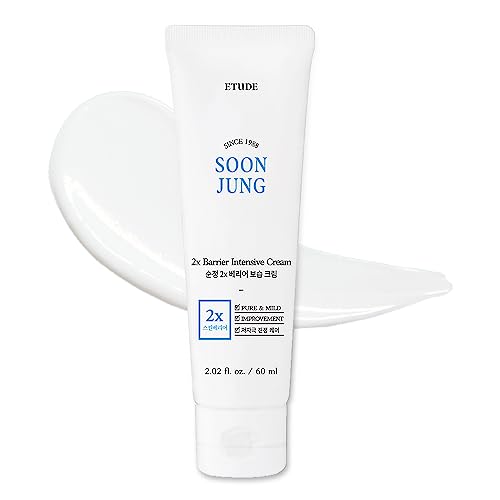

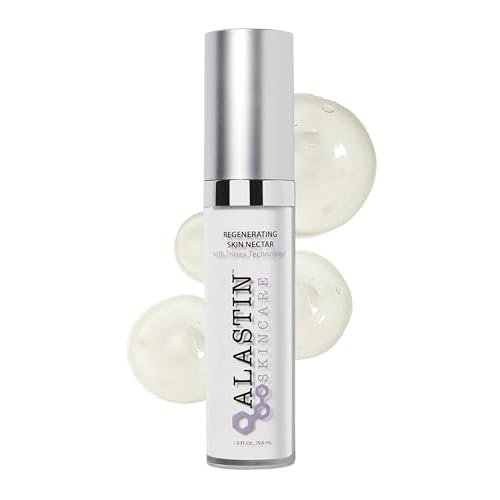
Repairing a damaged skin barrier can take anywhere from several days to several weeks, depending on the cause and severity. Mild irritation may improve relatively quickly, while persistent or significant damage can take longer. Gentle cleansing, regular moisturizing, and avoiding irritating products support recovery.
Understanding Your Skin Barrier and Its Recovery Time
If your face suddenly feels tight, dry, flaky, or unusually sensitive, you may be wondering whether your skin barrier needs attention. This can happen after frequent exfoliation, harsh cleansers, weather changes, or using several active skincare products together.
The good news is that the skin has natural protective and renewal processes. However, recovery is not an overnight process, and applying more skincare products does not necessarily make it happen faster. Understanding what affects the timeline can help you choose a simpler, more comfortable routine.
Key Takeaways


- Mild barrier disruption may improve within days, while more persistent problems can take weeks or longer.
- Repeated irritation, harsh cleansing, and over-exfoliation can delay recovery.
- A simple routine with a gentle cleanser and suitable moisturizer is often a sensible starting point.
- Persistent burning, cracking, or inflammation deserves assessment by a qualified healthcare professional.
What Is the Skin Barrier?
The skin barrier is the protective outermost part of your skin, primarily associated with the stratum corneum. It helps retain moisture while limiting exposure to environmental irritants, allergens, and microorganisms.


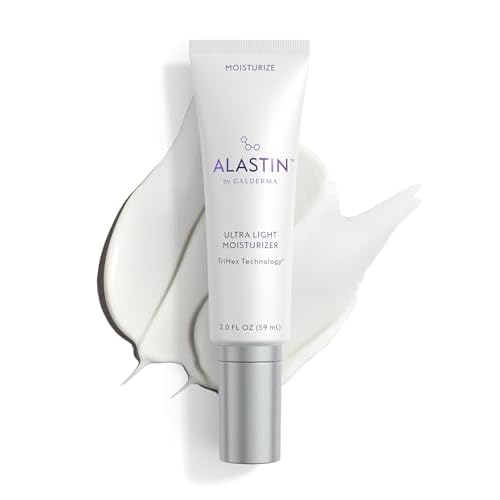
Think of it as a protective wall. Skin cells form the building blocks, while natural fats called lipids help hold everything together. Important lipids include ceramides, cholesterol, and fatty acids.
When this protective structure becomes disrupted, moisture can escape more easily and the skin may become more reactive. This is why a compromised barrier can be associated with dryness, tightness, flaking, and sensitivity.
How Long Does It Take to Repair the Skin Barrier?


There is no single recovery timeline that applies to everyone. The amount of disruption, the cause, your skin’s condition, and whether the irritating factor continues all influence how long recovery takes.
For mild irritation caused by a temporary skincare mistake, you may notice that your skin feels more comfortable within several days. More noticeable dryness or sensitivity may take a few weeks to settle with consistent, gentle care.
Long-standing irritation or an underlying condition such as eczema, rosacea, or contact dermatitis may require a longer period and professional treatment. In these situations, moisturizer alone may not address the underlying problem.
A General Skin Barrier Recovery Timeline
Early days
With mild irritation, reducing exposure to irritating products may help improve comfort.
Following weeks
More persistent dryness and sensitivity may need continued gentle skincare.
Longer recovery
Chronic irritation or an underlying skin condition may require professional assessment and a longer care plan.
These are general descriptions, not guaranteed recovery milestones or medical deadlines.
Recovery Time by Type of Skin Concern
The following comparison can help explain why two people using similar moisturizers may experience different recovery timelines.
| Skin concern | Possible recovery pattern | Helpful approach |
|---|---|---|
| Temporary dryness | May improve within days | Gentle cleansing and moisturizing |
| Mild over-exfoliation irritation | May take days to weeks | Pause irritating exfoliants |
| Persistent sensitivity | Can take several weeks or longer | Simplify the routine and assess triggers |
| Underlying inflammatory skin condition | Varies with the condition | Professional assessment and appropriate care |
These categories overlap. Dryness does not automatically mean the barrier is damaged, and symptoms alone cannot confirm a diagnosis.
What Factors Affect Skin Barrier Recovery?
Several everyday habits and skin-related factors can influence how quickly your skin becomes comfortable again.
1. Severity of the Disruption
A brief episode of dryness is different from repeated irritation over several weeks. More extensive disruption may require more time and a more carefully selected skincare routine.
2. Continued Exposure to Irritants
Continuing to use products that cause burning, stinging, or excessive dryness can interfere with recovery. Frequent scrubbing, strong cleansers, and unnecessary product layering may also contribute.
3. Existing Skin Conditions
Eczema, rosacea, and contact dermatitis can cause symptoms that resemble barrier damage. These conditions may need specific care rather than simply switching moisturizers.
4. Age and Environmental Conditions
Skin characteristics change with age. Cold weather, low indoor humidity, frequent hot showers, and repeated exposure to irritating substances can also make dryness more difficult to manage.
Factors That Can Influence Recovery
This table connects common influences with practical considerations.
| Factor | Possible effect | Practical consideration |
|---|---|---|
| Frequent exfoliation | Can increase irritation | Temporarily simplify the routine |
| Harsh cleansing | May remove protective oils | Choose a gentle cleanser |
| Dry indoor air | Can worsen dryness | Consider appropriate indoor humidity |
| Underlying skin conditions | May prolong symptoms | Seek professional guidance |
How to Support Your Skin Barrier During Recovery
A complicated skincare routine is not necessary when your skin feels irritated. A smaller number of well-tolerated products can make it easier to avoid unnecessary irritation.
A Simple Barrier-Friendly Routine
Morning
- Use lukewarm water or a gentle cleanser if needed.
- Apply a moisturizer that your skin tolerates.
- Use broad-spectrum SPF 30 or higher.
Evening
- Gently remove sunscreen and daily buildup.
- Apply a suitable moisturizer.
- Avoid adding unnecessary active treatments.
1. Use a Gentle Cleanser
Choose a mild, fragrance-free cleanser formulated for sensitive skin. Avoid aggressive scrubbing, rough cleansing brushes, and repeated washing that leaves your skin feeling tight.
Cleanse with lukewarm rather than hot water. Afterward, pat your face dry with a soft towel instead of rubbing it.
2. Apply Moisturizer Regularly
Moisturizers help reduce water loss and support comfortable skin. Applying one while your skin is slightly damp can help retain moisture.
Look for formulas containing ingredients such as glycerin, ceramides, or petrolatum. Choose a texture that feels comfortable and does not cause additional irritation.
3. Temporarily Reduce Strong Active Ingredients
If your skin is irritated, consider pausing nonessential exfoliating acids, retinoids, and abrasive scrubs. These ingredients can be useful in appropriate routines, but continuing them through significant irritation may make discomfort worse.
Do not independently discontinue prescribed medication. Ask the prescribing healthcare professional whether your skincare routine needs adjustment.
4. Protect Your Skin From Sun Exposure
Sun exposure can add stress to already irritated skin. Use a broad-spectrum sunscreen with SPF 30 or higher if your skin tolerates it. Protective clothing and shade can provide additional support.
5. Keep Your Routine Consistent
Switching products every few days makes it harder to identify what your skin tolerates. Give a simple routine time, avoid unnecessary experimentation, and pay attention to whether symptoms are improving or worsening.
Which Skincare Ingredients May Support the Skin Barrier?
Not every product marketed as a barrier-repair formula is necessary. Understanding the basic role of common moisturizing ingredients can help you choose a simpler product.
| Ingredient | Main skincare role | What to consider |
|---|---|---|
| Ceramides | Support the skin’s natural lipid barrier | Useful in moisturizing formulations |
| Glycerin | Attracts and retains water | Common in everyday moisturizers |
| Petrolatum | Helps reduce moisture loss | Creates a protective, occlusive layer |
| Hyaluronic acid | Helps attract water | Works well as part of a moisturizing routine |
| Dimethicone | Forms a protective conditioning film | Can improve the skin’s comfortable feel |
| Squalane | Provides emollient moisture | Check individual product compatibility |
Ingredients work differently depending on the complete formulation. A longer ingredient list does not automatically mean a better moisturizer, particularly when skin is already sensitive.
Choosing a Moisturizer: A Simple Decision Guide
Consider a cream containing glycerin or ceramides.
Consider an occlusive ingredient such as petrolatum.
Consider a lightweight moisturizer with a simple formulation.
Choose according to your skin’s tolerance rather than relying on marketing labels.
What Should You Avoid While Your Skin Barrier Recovers?
One of the most useful changes during recovery is reducing unnecessary irritation. Some common skincare habits can work against this goal.
| Common mistake | Why reconsider it? | Gentler alternative |
|---|---|---|
| Daily exfoliation | May increase irritation | Pause exfoliation while irritated |
| Hot water | Can worsen dryness | Use lukewarm water |
| Fragranced products | May irritate sensitive skin | Choose fragrance-free options |
| Multiple new products | Makes reactions harder to identify | Keep the routine simple |
| Rough cleansing tools | Add unnecessary friction | Use clean hands and a soft towel |
Your Daily Skin Barrier Check
Use these questions to review whether your routine is staying gentle.
How Can You Tell Whether Your Skin Barrier Is Improving?
Visible changes can provide clues about how your skin is responding to a simpler routine. However, appearance alone cannot confirm that the skin barrier has completely recovered.
Look for gradual improvements in comfort rather than expecting every symptom to disappear at once.
Signs That May Indicate Improvement
- Less tightness after washing your face.
- Reduced dryness and visible flaking.
- Fewer episodes of stinging when applying familiar products.
- Improved comfort throughout the day.
- Less frequent irritation from ordinary skincare steps.
Signs That Deserve More Attention
If your skin continues to burn, crack, become increasingly red, or develop persistent itching, do not assume that more moisturizer will solve the problem. These symptoms can have causes other than temporary barrier disruption.
A Simple Progress-Tracking Guide
Notice whether tightness, dryness, and stinging are becoming less frequent.
Pay attention to whether familiar basic skincare products feel comfortable.
Observe changes in flaking, redness, and dryness without relying on appearance alone.
When Should You See a Dermatologist?
Temporary dryness may respond to gentle skincare, but ongoing irritation deserves attention. A dermatologist can help determine whether your symptoms are related to barrier disruption, an allergic reaction, eczema, rosacea, or another skin concern.
Consider arranging a professional assessment if:
- Your symptoms persist despite simplifying your skincare routine.
- Basic moisturizers repeatedly cause significant burning or stinging.
- Your skin develops persistent redness, itching, or painful cracks.
- You notice swelling, crusting, discharge, or worsening inflammation.
- The irritation keeps returning without an obvious explanation.
Seek prompt medical attention for severe or rapidly worsening symptoms, extensive blistering, or signs of infection. If you have a diagnosed skin condition, follow your clinician’s recommendations rather than relying on a general barrier-repair routine.
Safety Note
Persistent irritation is not always a skincare problem. Avoid repeatedly experimenting with new products when symptoms are worsening. A qualified healthcare professional can help identify the cause and determine whether specific treatment is needed.
Frequently Asked Questions
Can a damaged skin barrier repair itself?
Yes. The skin has natural renewal and protective processes that help maintain its outer barrier. However, repeated irritation or an underlying skin condition can interfere with recovery. Gentle skincare and avoiding the original irritant may help support the process.
Can I repair my skin barrier overnight?
No. A moisturizer may make dry skin feel more comfortable relatively quickly, but that does not mean the skin barrier has completely recovered. Depending on the extent of irritation, improvement can take days or weeks.
Should I stop using exfoliating acids while repairing my skin barrier?
If exfoliating acids are contributing to irritation, temporarily pausing them is a sensible step. Avoid restarting them while your skin remains uncomfortable or visibly irritated. If they are part of a prescribed treatment, ask your healthcare professional before changing the routine.
Is moisturizer enough to repair a damaged skin barrier?
Moisturizer can support hydration and reduce moisture loss, but it may not be enough when irritation is caused by an underlying skin condition. Choosing a suitable formula and avoiding products that trigger discomfort are also important considerations.
Can oily skin have a damaged skin barrier?
Yes. Oil production and moisture retention are different aspects of skin function. Oily skin can still experience tightness, flaking, dryness, and sensitivity when its protective barrier is disrupted.
When can I restart my regular skincare products?
Consider reintroducing nonessential active products only after irritation has settled and basic skincare is comfortable. Introduce one product at a time and follow its directions. If you have a skin condition or use prescribed treatments, ask your clinician about the appropriate timing.
Final Thoughts
So, how long does it take to repair the skin barrier? The answer depends on what caused the disruption and how persistent the irritation has become. Mild problems may improve within days, while more significant or ongoing concerns can require several weeks or longer.
The most practical starting point is to simplify your routine. Use a gentle cleanser, choose a moisturizer your skin tolerates, protect your skin from excessive sun exposure, and temporarily avoid unnecessary irritating products.
Remember that faster is not always better when it comes to skincare. Give your skin time to respond, avoid repeatedly experimenting with new products, and seek professional guidance if symptoms persist or worsen. Consistent, appropriate care is more useful than chasing an overnight solution.