Quick Answer
Yes, some hand lotions can be used on your face, especially formulas labeled for both areas. Check the directions and choose a fragrance-free option suited to your skin. Hand-only products with exfoliating or medicated ingredients need extra caution. A moisturizer labeled for facial use is the simpler choice when you are unsure.


Your face feels tight, your usual moisturizer is empty, and a tube of hand lotion is within reach. Before spreading it on, look beyond the word “lotion.” A basic moisturizer and a heavily scented rough-hand cream can be very different products.
This guide helps you decide whether the tube you already own makes sense for your face, when to leave it for your hands, and how to choose a practical replacement.
Key Takeaways
- Hand and facial moisturizers can share ingredients; intended use still matters.
- A rich texture does not automatically mean clogged pores.
- Comfort on your hands does not establish facial tolerance.
- Burning or a rash means stop using the product.
What makes hand lotion different from face moisturizer?


Both products may contain ingredients that attract water, soften skin, and slow moisture loss. Hand formulas often emphasize a lasting protective feel after repeated washing. Facial formulas may prioritize a lighter finish, compatibility with sunscreen or makeup, or the needs of acne-prone skin.
These are tendencies, not firm rules. Some creams are intended for face and body, while some facial creams are richer than everyday hand lotion. The product’s actual directions and complete formula tell you more than its thickness alone.


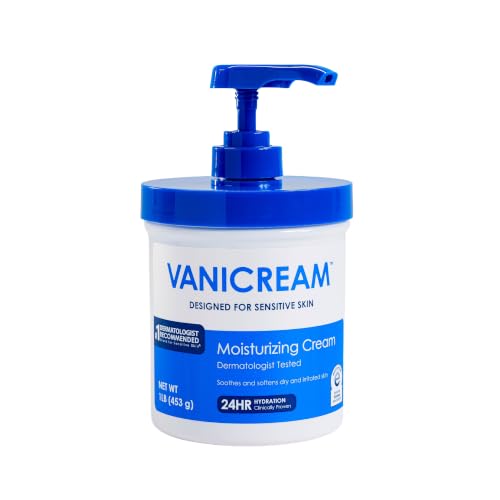
Hand lotion versus face moisturizer
Use these distinctions as a starting point. Individual formulas overlap.
| Feature | Hand lotion | Face moisturizer |
|---|---|---|
| Typical priority | Comfort after frequent handwashing | Comfort with a facial routine |
| Texture | May leave a protective film | May be light or rich |
| Useful label check | Does it permit facial use? | Does it match your skin needs? |
If packaging terms are confusing, RemedyTip’s guide to the difference between lotion and cream explains how textures compare. Neither name, by itself, predicts whether you will tolerate a product.
A three-question decision path
Read the directions. If they exclude the face, choose another moisturizer.


A history of facial reactions or an active flare is a reason to pause.
A new formula deserves a small-area test before broad application.
Read the label before using hand lotion on your face
Start with the intended application area and warnings. “External use only” does not mean a product suits every external body part. If the manufacturer gives no clear facial guidance, check with the company or use a moisturizer that explicitly includes the face.
Then consider fragrance, added actives, and ingredients you already know you react to. “Natural” does not guarantee gentleness. “Hypoallergenic” also does not guarantee that a product will avoid allergic reactions; the FDA does not define that term through a federal standard.
Ingredients and claims worth checking
The finished formula matters. An ingredient name alone cannot establish facial suitability.
| Label clue | Why it matters | Practical choice |
|---|---|---|
| Fragrance or parfum | Can trigger reactions in susceptible people | Favor fragrance-free |
| Urea or exfoliating acids | May sting, especially on irritated skin | Check purpose and directions |
| Medicated or rough-skin formula | May have specific application restrictions | Follow warnings; ask a pharmacist |
| Noncomedogenic | Designed to be less likely to clog pores | Useful for acne-prone skin; no guarantee |
Glycerin, ceramides, dimethicone, and petrolatum can appear in many kinds of moisturizers. Their presence does not automatically make a hand lotion appropriate for your face. Likewise, do not assume every unfamiliar chemical name signals a harsh ingredient.
Decode three common label shortcuts
A useful starting preference for reactive skin. Still check your known allergens.
May contain ingredients that mask odor. It is not interchangeable with fragrance-free.
Does not tell you that your own skin will tolerate the product.
Who should be more cautious?
If you have acne, prioritize a facial moisturizer labeled noncomedogenic, oil-free, or “won’t clog pores.” Those labels can help narrow the choices, but individual responses vary. A greasy feeling alone does not prove pores are clogged, and a breakout cannot always be traced to one application.
With eczema, rosacea, recurring facial rashes, or known cosmetic allergies, ask your dermatologist before borrowing a hand-only formula. Already inflamed, freshly irritated, or broken skin is a poor place to experiment. Keep unfamiliar hand products away from eyelids, the lash line, and lips.
Match the decision to your skin
Choose according to how your face behaves, rather than assuming all dry or oily skin is alike.
| Situation | Reasonable direction | Extra caution |
|---|---|---|
| Dry, otherwise comfortable skin | Consider a rich, face-labeled cream | Richness does not ensure tolerance |
| Oily or acne-prone skin | Try a light, noncomedogenic facial lotion | Avoid assuming hand cream cannot cause bumps |
| Sensitive skin or active rash | Stay with a known, tolerated formula | Get advice before switching |
If your cheeks are dry but your forehead feels oily, you do not have to apply the same amount everywhere. Tailor moisturizer to the areas that need it. Older adults with changing dryness may prefer a cream, but age alone does not make a hand product suitable.
Pack for the situation you actually face
Carry one moisturizer explicitly labeled for face and body instead of guessing with a hotel hand lotion.
Store a small, clearly labeled facial moisturizer where you usually run out.
Keep the original label available so each person can check directions and ingredients.
One-time use versus a daily habit
If you already used an ordinary hand lotion once and your face feels normal, there is usually no reason to panic. Watch for changes and avoid adding several unfamiliar products while you assess your skin. If the label prohibits facial use, gently remove it and follow the warnings.
Repeated use deserves a clearer decision. A tolerated, multipurpose formula labeled for the face may fit a regular routine. A scented hand-only cream that happens to be convenient is a less sensible default, particularly if you keep noticing stinging, itchiness, or new bumps.
Test a new moisturizer before wider use
For a product whose directions allow your intended use, the American Academy of Dermatology recommends applying your usual amount to a quarter-sized spot on the inner arm or elbow bend twice daily for seven to ten days. Stop and wash it off if redness, itching, or swelling develops.
This home use test is different from medical patch testing for allergies. A clear arm test does not guarantee facial tolerance or rule out later breakouts. Afterward, introduce the product cautiously to a small facial area before expanding use, keeping it away from your eyes.
Keep the first facial application simple
Use clean hands and your usual gentle cleanser. Skip scrubbing.
On comfortable skin, spread a thin layer over the area that needs moisture; follow the label.
Avoid introducing another new product at the same time so changes are easier to interpret.
For ordinary dryness, moisturizing after washing while skin is slightly damp can help retain moisture. If you have rosacea and damp-skin application stings, ask about applying to dry skin instead. Continue daytime sun protection with a broad-spectrum, water-resistant sunscreen of SPF 30 or higher.
What to do if your face reacts
Do not keep reapplying a product to see whether burning eventually stops. Gently wash it off, stop using it, and avoid scrubs or additional new actives while your skin is uncomfortable. Save the packaging or photograph the ingredients if you need professional advice.
Changes after application and next steps
These observations do not diagnose the cause. Timing alone cannot distinguish allergy, irritation, or an unrelated skin problem.
| What you notice | What to do |
|---|---|
| Heavy or shiny finish without discomfort | Use less next time or choose a lighter facial formula |
| Burning, itching, or a new rash | Wash off; discontinue; seek advice if persistent |
| New or worsening bumps | Stop the new product and reassess the routine |
| Breathing trouble or tongue/throat swelling | Seek emergency help immediately |
Safety Note
Get medical advice for a severe reaction, marked facial or eye swelling, blistering, or symptoms that persist or worsen after stopping the product. Trouble breathing or swallowing, faintness, or swelling of the tongue or throat warrants emergency care. Do not try another cosmetic to manage a serious reaction.
Make your moisturizer easier to use safely
Avoid using an unlabeled travel container when you cannot confirm what is inside.
Discard products with a changed odor or color; follow expiration and storage instructions.
Close the lid, use clean hands, and do not add water to thin the formula.
What to use instead of an uncertain hand lotion
You do not need a complicated replacement routine. Pick a moisturizer that clearly permits facial use, matches your preferred texture, and avoids your known irritants. If one face-and-body product already works comfortably, buying separate jars is a matter of preference.
Useful moisturizer types to compare
These links open Amazon searches, not tested or ranked product recommendations. Verify the current label before buying.
| Product type | Who may prefer it | Trade-off |
|---|---|---|
| Fragrance-free facial lotion | People wanting a lighter everyday feel | May feel insufficient on very dry areas |
| Face-and-body moisturizing cream | People wanting one labeled multipurpose product | A rich finish may feel heavy |
Check current details on Amazon, including the exact formula and intended application area. Do not buy an exfoliating hand repair product simply to serve as a basic face moisturizer. For more selection help, see what to look for in a moisturizer.
Frequently Asked Questions
Can I leave hand lotion on my face overnight?
Only consider it if the directions support facial leave-on use and you already tolerate it. Overnight application does not make an unsuitable formula gentler. Avoid making bedtime your first full-face experiment.
Will hand lotion definitely clog my pores?
No. Breakout risk depends on the finished formula and your skin. Noncomedogenic facial moisturizers are a useful starting point for acne-prone skin, but no label guarantees that you will avoid bumps.
Is fragrance-free hand cream safe for sensitive facial skin?
Fragrance-free removes one potential concern, but other ingredients may still cause a reaction. Check facial-use directions and known allergens. Ask your dermatologist before switching if you have recurring facial irritation.
Can I mix hand lotion with water to make it face-friendly?
No. Dilution does not remove fragrance or change the intended use. Adding water to the container can introduce contamination and affect preservation. Choose an appropriate facial moisturizer instead.
Does hand lotion replace facial sunscreen?
Ordinary hand lotion does not provide sun protection unless it is labeled as sunscreen. Use a facially suitable broad-spectrum, water-resistant sunscreen with SPF 30 or higher and follow its directions.
Final Thoughts
Treat the label as your starting point and your skin’s response as the deciding factor. A clearly labeled multipurpose moisturizer can simplify daily care, while an uncertain hand-only formula is easy to replace with a facial option. Introduce changes gradually, stop if irritation develops, and involve a dermatologist when reactions or ongoing skin conditions complicate the choice.