
Quick Answer
Yes, you can generally use face moisturizer on your body. Most facial moisturizers contain ingredients that hydrate and soften skin, making them suitable for areas such as your arms, legs, hands, and elbows. However, facial moisturizers often come in smaller containers and may be lighter or more expensive than body lotions. Check the product label, especially if it contains exfoliating acids, retinol, or other active ingredients.
Running out of body lotion does not necessarily mean you need to make another trip to the store. If you already have a face moisturizer in your bathroom cabinet, you might wonder whether you can use it on your arms, legs, or other areas of your body.


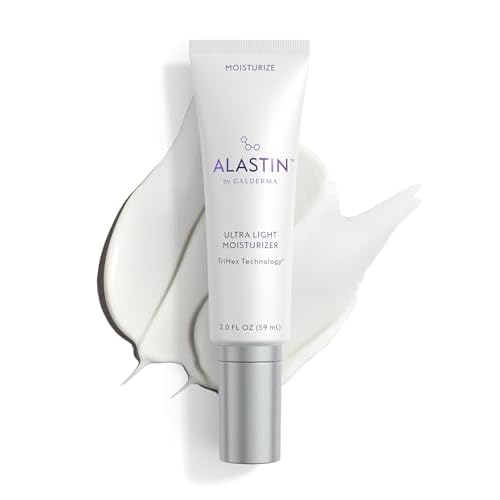
The good news is that facial moisturizers are generally suitable for ordinary body moisturizing when their ingredients and product directions allow it. Both facial and body moisturizers are designed to help maintain skin hydration, although their textures, ingredient combinations, and intended uses can differ.
Before using one product everywhere, it helps to understand how facial moisturizers work, which formulas make practical body moisturizers, and when a separate body lotion is a better choice.
Key Takeaways

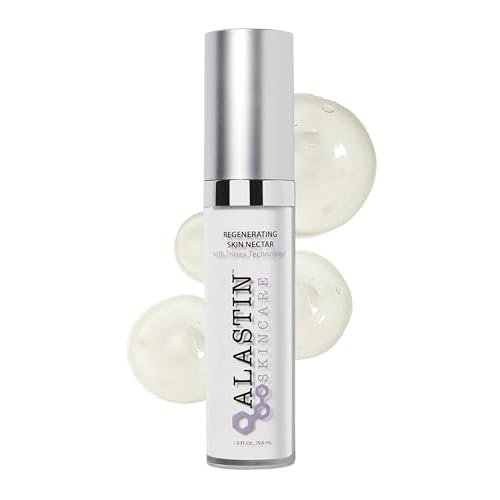

- Most basic facial moisturizers can be used on the body if their labels permit it.
- Lightweight face lotions and creams may work well on everyday dry areas.
- Active ingredients such as retinol and exfoliating acids require extra attention.
- Fragrance-free formulas are a reasonable starting point for easily irritated skin.
- Body lotions are often more economical for moisturizing larger areas.
Why Face Moisturizer Can Work on Your Body
Facial moisturizers and body lotions share an important purpose: helping the outer layer of skin retain moisture and remain comfortable.
Many moisturizers contain combinations of humectants, emollients, and occlusives. These ingredient groups work in different ways to support skin hydration.


For example, glycerin and hyaluronic acid are humectants that attract water. Emollients such as certain oils and fatty ingredients help soften the skin, while occlusives such as petrolatum and dimethicone help reduce moisture loss.
These moisturizing functions are not exclusive to facial skin. Your arms, legs, hands, and other external body areas can also benefit from suitable moisturizing ingredients.
However, the overall formulation matters. A basic hydrating cream is different from a facial treatment containing concentrated exfoliating or anti-aging ingredients.
1. What Is the Difference Between Face and Body Moisturizer?
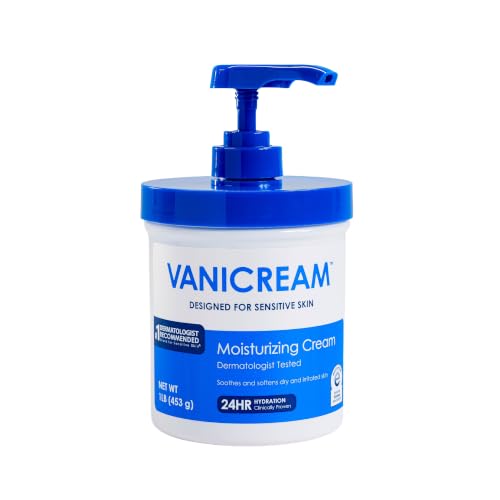


Although both products provide moisture, manufacturers often formulate them for different application areas and consumer preferences.
Facial moisturizers commonly prioritize a lightweight texture, comfortable everyday wear, and compatibility with facial skincare routines. Body moisturizers are often designed to spread over larger areas and may have richer textures.
Face Moisturizer vs. Body Moisturizer
The following comparison explains common differences. Individual products can vary considerably, so these are general patterns rather than strict rules.
| Feature | Face Moisturizer | Body Moisturizer |
|---|---|---|
| Texture | Often lightweight | Often richer or thicker |
| Packaging | Usually smaller containers | Often larger bottles or tubs |
| Formulation | May include facial skincare actives | Often emphasizes everyday moisture |
| Common application | Face and neck | Arms, legs, hands, and torso |
| Cost consideration | May cost more per ounce | Often more economical for large areas |
Neither category is automatically better. A facial moisturizer can work perfectly well on dry body areas, but using it over your entire body may not be the most economical approach.
A Simple Way to Understand the Difference
Face moisturizer
Usually designed around facial skincare preferences, including texture and specific facial concerns.
Body moisturizer
Often designed for convenient application over larger skin areas and everyday dryness.
Remember: The product formulation and directions matter more than the category printed on the container.
2. Which Face Moisturizers Are Suitable for Body Use?
Not every facial moisturizer serves the same purpose. Some focus on basic hydration, while others contain ingredients intended to exfoliate, improve the appearance of skin, or address specific facial concerns.
If you want to use your facial moisturizer on your body, start by identifying its main ingredients and intended application areas.
Basic Hydrating Moisturizers
Simple hydrating creams and lotions are generally the easiest facial products to repurpose for ordinary body moisturizing, provided their labels allow it.
Look for familiar moisturizing ingredients such as glycerin, hyaluronic acid, ceramides, and dimethicone. These ingredients serve useful moisturizing or skin-conditioning functions.
Fragrance-Free Facial Moisturizers
Fragrance-free moisturizers can be a practical option when your skin is easily irritated. Fragrances are not necessary for moisturizing, and some people find scented products uncomfortable.
Keep in mind that fragrance-free does not automatically mean allergy-proof. Other ingredients can still cause individual reactions.
Moisturizers With Active Ingredients
Some facial products contain retinol, glycolic acid, lactic acid, or salicylic acid. These ingredients have specific skincare functions and should not be treated like ordinary moisturizing ingredients.
For example, a facial moisturizer containing an exfoliating acid may be intended for controlled use on a particular area. Applying it over large body areas can increase exposure and the possibility of irritation.
Follow the product’s directions rather than assuming that a face product is appropriate for widespread body application.
Common Moisturizing Ingredients and Their Roles
| Ingredient | Main function | What to know |
|---|---|---|
| Glycerin | Humectant | Helps attract and retain water. |
| Hyaluronic acid | Humectant | Helps hold water near the skin surface. |
| Ceramides | Skin barrier support | Help support the skin’s protective barrier. |
| Dimethicone | Occlusive and skin conditioning | Helps reduce moisture loss. |
| Petrolatum | Occlusive | Creates a protective layer that limits water loss. |
| Shea butter | Emollient | Helps soften the skin. |
These ingredients are common examples, not a guarantee that every formula containing them will suit every person. The complete formulation and individual skin response still matter.
3. Where Can You Apply Face Moisturizer on Your Body?
For ordinary external body skin, a suitable facial moisturizer can be used on several areas. The amount you need depends on the product’s consistency and the size of the application area.
Arms and Legs
Arms and legs are practical places to use leftover facial moisturizer. A lightweight lotion may spread easily over these areas, particularly when the skin only needs everyday moisture.
If your legs or arms feel particularly dry, a richer body cream may be more convenient because it is designed for larger application areas.
Hands and Elbows
Hands and elbows can become dry through frequent washing, friction, and everyday environmental exposure. A basic facial moisturizer can help soften these areas when its formulation is suitable.
However, very dry hands or rough elbows may feel more comfortable with a thicker cream or ointment.
Neck and Chest
The neck and upper chest are common areas where people extend their facial skincare routine. A gentle facial moisturizer may be suitable here, provided its directions cover these areas.
Be particularly careful with exfoliating acids, retinoids, and fragranced products because the skin in these areas may react differently from other body skin.
Hands, Feet, and Other Dry Areas
A basic moisturizer may also be useful on the tops of the feet and other external dry areas. Nevertheless, very dry heels or thickened skin may need a more suitable foot cream.
Avoid applying ordinary facial products to broken, irritated, or inflamed skin unless a healthcare professional has advised you to use that particular formulation.
Body Areas and Product Considerations
| Body area | General suitability | Practical consideration |
|---|---|---|
| Arms | Generally suitable | Light creams may be convenient. |
| Legs | Generally suitable | Richer creams may suit very dry areas. |
| Hands | Generally suitable | Reapply a suitable product when needed. |
| Elbows | Generally suitable | A thicker moisturizer may be preferable. |
| Neck and chest | Product dependent | Check active ingredients and directions. |
| Feet | Generally suitable for intact skin | A dedicated foot cream may be more practical. |
A Practical Product-Matching Guide
Consider a basic hydrating face lotion or cream.
Consider a richer body cream or suitable ointment.
Look for a simple, fragrance-free formula.
Check the instructions before applying it beyond the face.
4. Potential Drawbacks of Using Face Moisturizer on Your Body
Although using facial moisturizer on your body is generally reasonable when the formulation permits it, there are a few practical limitations to consider.
It May Not Provide Enough Moisture for Very Dry Skin
Some facial moisturizers are intentionally lightweight. They may feel comfortable on the face but may not provide the richer texture you prefer for dry legs, elbows, or hands.
This does not mean the product is ineffective. It simply means a different formulation may be more convenient for your body’s moisturizing needs.
It Can Become Expensive
Facial moisturizers are often sold in relatively small containers. Using the same product over your arms and legs can make you go through it quickly.
For occasional use, this may not be an issue. For everyday full-body moisturizing, a larger body lotion may offer better value.
Some Formulas Contain Ingredients That Need Extra Care
Products containing exfoliating acids or retinoids should not automatically be used over large body areas. Their concentration, application instructions, and intended purpose all matter.
Using an active product outside its intended directions may increase the likelihood of dryness, irritation, or sensitivity.
Individual Skin Reactions Are Possible
Even a moisturizer marketed for sensitive skin can cause a reaction in some individuals. Fragrance, preservatives, botanical extracts, and other ingredients may not agree with every person’s skin.
If you notice persistent itching, burning, redness, or swelling after application, stop using the product and seek appropriate medical advice if symptoms continue or are significant.
Common Problems and Practical Next Steps
| Observation | Possible explanation | Next step |
|---|---|---|
| Skin still feels dry | Formula may be too lightweight. | Consider a richer body cream. |
| Sticky feeling | Texture may be too rich for your preference. | Consider a lighter lotion. |
| Burning or itching | Possible irritation or sensitivity. | Stop using it and seek advice if symptoms persist. |
| Product runs out quickly | Small facial container used over large areas. | Consider a larger body moisturizer. |
| New redness or rash | Possible reaction to an ingredient. | Discontinue and consult a healthcare professional when needed. |
5. How to Use Face Moisturizer on Your Body
If your facial moisturizer is suitable for body application, using it does not require a complicated routine. A few simple habits can make application more comfortable.
A Simple Body Moisturizing Routine
Clean the skin
Wash gently with lukewarm water and avoid unnecessarily harsh cleansing.
Pat it dry
Use a clean towel and leave the skin slightly damp.
Apply moisturizer
Spread a comfortable, even layer over suitable external skin areas.
Observe your skin
Pay attention to dryness, discomfort, or signs of irritation.
Apply It After Showering
Applying moisturizer shortly after bathing is a practical way to help retain surface moisture. Gently pat your skin dry rather than rubbing it aggressively.
Use an Appropriate Amount
Start with a small amount and spread it evenly. Add more if the application area needs it and the product directions allow it.
There is no single amount that works for every facial moisturizer because formulations and application areas differ.
Check the Ingredient List
Before applying a facial moisturizer to a large body area, check whether it contains exfoliating acids, retinoids, added fragrance, or other ingredients that require specific precautions.
If you are trying a new product, testing a small area first can help you notice an unwanted reaction before applying it more widely.
Avoid Applying It to Irritated Skin Without Guidance
Do not assume that a regular cosmetic moisturizer is appropriate for open wounds, active rashes, or inflamed skin. Ask a qualified healthcare professional about suitable products if you have an existing skin condition.
6. When Should You Choose Body Lotion Instead?
There is no need to replace your facial moisturizer if it works well on suitable body areas. However, a dedicated body lotion or cream may be a more practical choice in certain situations.
For example, if you regularly moisturize your entire body, buying a larger container designed for body use can be more convenient.
Similarly, if your skin feels very dry, a richer cream or ointment may be preferable to a lightweight facial lotion.
Choosing Between Different Moisturizer Types
| Product type | Typical texture | Common consideration |
|---|---|---|
| Face lotion | Lightweight | Convenient for small areas. |
| Body lotion | Light to medium | Convenient for larger areas. |
| Cream | Rich and thick | Often preferred for dry skin. |
| Ointment | Very thick and greasy | Provides a more substantial moisture barrier. |
| Gel moisturizer | Light and often water-rich | May suit people who prefer a less heavy feel. |
Which Moisturizer Makes More Sense?
- You already own a suitable formula.
- You need moisture for a small body area.
- The product feels comfortable on your skin.
- You moisturize large areas regularly.
- You prefer a richer texture.
- You want a larger, more convenient container.
Safety Note: Check the Formula Before Using It
Using a facial moisturizer on ordinary body skin is generally straightforward, but not every facial product is designed for widespread application.
- Follow the product’s application directions and warnings.
- Be cautious with retinol, exfoliating acids, and other active ingredients.
- Avoid applying cosmetic products to broken or significantly irritated skin without professional guidance.
- Stop using a product if it causes persistent burning, itching, swelling, or redness.
- If you have eczema, an ongoing rash, or another diagnosed skin condition, ask a qualified healthcare professional which moisturizer is appropriate.
A simple hydrating product and an active skincare treatment are not interchangeable. Choosing the right formulation is more important than trying to use one product everywhere.
7. Common Mistakes to Avoid
Using face moisturizer on your body does not need to be complicated. Still, a few common mistakes can make your skincare routine less comfortable or practical.
Better Habits for Using Facial Moisturizer
Better habit: Check the intended application areas before use.
Better habit: Follow the specific instructions for retinoids and exfoliating ingredients.
Better habit: Start with a modest amount and spread evenly.
Better habit: Stop using products that cause irritation.
Another common mistake is assuming that a product labeled for the face must automatically be suitable for every other body area. Product directions still matter, particularly around sensitive areas.
Frequently Asked Questions
Can I use face moisturizer on my legs every day?
Yes, a basic facial moisturizer can generally be used on your legs every day if its label allows body application and your skin tolerates it. However, a body lotion may be more economical for regular use over large areas.
Can I use face moisturizer on my hands?
Yes. A suitable facial moisturizer can help soften and moisturize your hands. If your hands become particularly dry from frequent washing, a thicker hand cream may be more convenient.
Is face moisturizer better than body lotion?
Neither is universally better. Facial moisturizers often prioritize lightweight textures, while body lotions are commonly designed for larger areas. The better choice depends on the formulation, your skin’s needs, and your preferences.
Can I use a face moisturizer containing hyaluronic acid on my body?
Generally, yes, if the product directions permit it. Hyaluronic acid is a humectant that helps attract and retain water near the skin surface. The complete formulation still determines whether the product is suitable for a particular application area.
Can I use face moisturizer on my body if I have sensitive skin?
You may be able to, but choose carefully. A simple fragrance-free moisturizer is a reasonable starting point. Try a small area first and discontinue use if you experience irritation. If you have a diagnosed skin condition, ask a healthcare professional for product guidance.
Can I use face moisturizer on my body after showering?
Yes. Applying a suitable moisturizer shortly after showering, while your skin is still slightly damp, is a practical way to help retain moisture.
Can I use a face moisturizer containing retinol on my body?
Do not assume that a retinol facial moisturizer is suitable for widespread body application. Retinol can cause dryness and irritation, and its use should follow the manufacturer’s directions. Ask a dermatologist or another qualified healthcare professional if you are unsure.
Final Thoughts
So, can you use face moisturizer on your body? In most everyday situations, yes. A basic facial moisturizer can be a convenient option for moisturizing your arms, legs, hands, and other suitable external skin areas.
The important thing is to understand what is inside the product. Simple hydrating formulas are generally easier to repurpose than facial treatments containing retinol or exfoliating acids.
If you regularly moisturize larger body areas, a dedicated body lotion or cream may be more practical and economical. Choose a formula that matches your skin’s needs, follow the product directions, and pay attention to how your skin responds.
Ultimately, you do not necessarily need separate products for every part of your body. A suitable moisturizer that your skin tolerates well is a sensible place to start.

