
Quick Answer

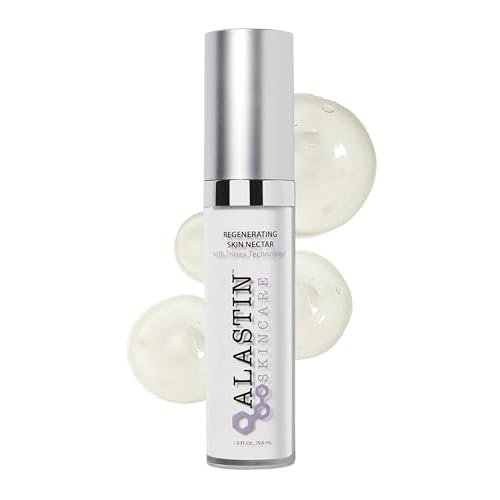

Sometimes, but it is not ideal. Sunscreen is made to block UV light, not to replace a moisturizer. A hydrating formula may feel comfortable on some skin, yet dry skin usually does better with moisturizer underneath and sunscreen on top. At night, you do not need sunscreen.
You are running late, the moisturizer bottle is empty, and the sunscreen is right there on the counter. Or maybe you are trying to keep your routine to one step. It is a fair question, and the honest answer has a few moving parts: your skin type, the formula, the time of day, and how much you actually apply.
This guide explains what each product is designed to do, when sunscreen can stand in for moisturizer, when it cannot, and how to layer the two so your skin stays comfortable and protected.
Key Takeaways
- Sunscreen’s main job is UV protection. Hydration is a side effect in some formulas, not the goal.
- Normal-to-oily skin may be comfortable with a moisturizing sunscreen alone on a mild day.
- Dry or tight skin usually needs a real moisturizer first, then sunscreen as the last step.
- Do not mix the two in your palm. Layering is a safer habit than diluting your sunscreen.
Sunscreen vs. Moisturizer: Different Jobs


A moisturizer is built to help skin hold water and feel soft. It usually combines humectants (which attract water), emollients (which smooth the surface), and occlusives (which slow moisture loss). If you want a plain-language breakdown of the terms, our guide to the difference between moisturizer and lotion covers it.

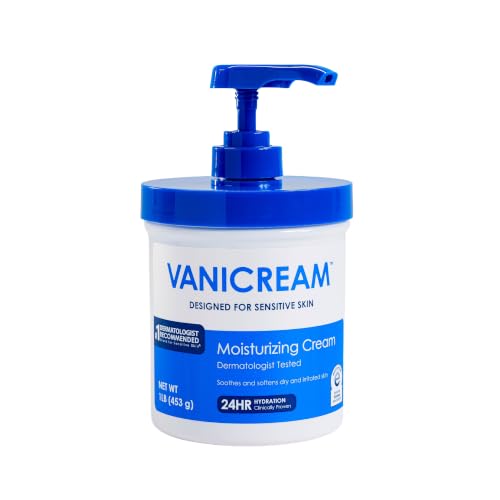
Sunscreen is built to filter or reflect ultraviolet light so less of it reaches your skin. Its formula has to keep UV filters evenly spread and stable on the surface. That is why many sunscreens feel lighter or more slippery than a rich cream. Some brands add glycerin, hyaluronic acid, or oils for comfort, but the product is still designed around sun protection first.
Table 1: What Each Product Is Designed to Do
This quick comparison shows why the two are related but not interchangeable.
| Feature | Sunscreen | Moisturizer |
|---|---|---|
| Main purpose | Reduce UV exposure to skin | Support skin comfort and hydration |
| When to use | Daytime, and again after sweating or swimming | Morning, evening, or after bathing |
| Reapplication | Needed during extended time outdoors | As often as skin feels dry |
| Needed at night? | No, there is no UV indoors after dark | Often helpful |
When Sunscreen Can Stand In for Moisturizer
For some people on some days, a single hydrating sunscreen is enough. Skin that is normal, combination, or oily often feels fine with a lightweight formula, especially in warm or humid weather. Many people who dislike layering also find that one product keeps their morning simple.
The trade-off is that sunscreen rarely contains the same range of moisturizing ingredients as a dedicated cream. If your skin feels tight by midday, flaky around the nose, or rough on your cheeks, the sunscreen alone is probably not covering your hydration needs.


Reasonable to Use Alone
- Normal, combination, or oily skin
- Warm, humid weather
- A formula labeled hydrating or moisturizing
- Skin that feels comfortable by afternoon
Better to Add a Moisturizer
- Dry, tight, or flaky skin
- Cold, windy, or heated indoor air
- Skin that feels rough after cleansing
- Hands, lips, or body areas that crack easily
Table 2: Common Situations and What Usually Makes Sense
Use this as a general guide. Individual skin varies, and these are not rules for everyone.
| Situation | Sunscreen alone? | Why |
|---|---|---|
| Oily skin, summer morning | Often fine | Skin may need little extra moisture |
| Dry skin, winter morning | Usually not enough | Cold air and heating pull moisture from skin |
| Evening routine | Not needed | No UV exposure; a moisturizer is more useful |
| After shaving or exfoliating | May sting | Freshly treated skin can react to filters or fragrance |
| Beach or long outdoor day | Yes, plus a moisturizer later | Sun and water can leave skin dry afterward |
Moisturizer With SPF: A Middle Option
Many people actually want a moisturizer that includes sun protection. That is a different product from a hydrating sunscreen, and it can be a practical choice. The catch is application. Sunscreen labels assume you apply a fairly generous layer, while most people use a much smaller amount of face cream. If you rely on an SPF moisturizer, you may be getting less protection than the label suggests.
If you go this route, look for a broad-spectrum label and an SPF of at least 30, which are the general benchmarks commonly recommended by dermatology groups. Then use enough product to cover your face, ears, and neck evenly.
Table 3: Three Ways to Cover Moisture and Sun Protection
Each approach has strengths and compromises depending on your skin and schedule.
| Approach | Best for | Watch out for |
|---|---|---|
| Hydrating sunscreen only | Simple routines, oilier skin | May not feel like enough in dry weather |
| Moisturizer with SPF | People who want one product | Under-applying, so protection falls short |
| Moisturizer, then sunscreen | Dry, mature, or sensitive-feeling skin | Takes an extra minute and some patience |
How to Layer Them Without Losing Protection
Most dermatology guidance puts sunscreen as the last skin-care step in the morning, before makeup. Moisturizer goes underneath. If you are unsure how much to use, our guide to how often to moisturize your face can help you build the base layer.
Morning Layering Timeline
Step 1: Cleanse
Use a gentle cleanser, then pat skin mostly dry.
Step 2: Moisturize
Apply a thin, even layer and give it a minute to settle.
Step 3: Sunscreen
Apply generously over face, ears, and neck.
Step 4: Makeup
Add makeup only after sunscreen has set.
Why Mixing in Your Palm Is a Poor Idea
Blending sunscreen into moisturizer can seem efficient, but it changes how evenly the filters spread and dilutes the product. Sunscreens are tested as formulated, not as custom blends. Layering keeps each product doing the job it was designed for.
Common Mistakes When Using Sunscreen as Moisturizer
The risks here are less about danger and more about falling short. A few habits cause most of the problems.
Table 4: Mistakes and Better Habits
If any of these sound familiar, the fix is usually small.
| Common mistake | Why it matters | Better habit |
|---|---|---|
| Using sunscreen at night | No UV protection is needed, and some formulas feel heavy or can irritate | Switch to a plain moisturizer in the evening |
| Applying a thin layer | Less product means less protection than the label implies | Apply enough to cover evenly |
| Skipping reapplication | Sunscreen wears off with sweat, water, and rubbing | Reapply about every two hours outdoors |
| Using body sunscreen on a dry face | Body formulas can feel heavy or stingy near the eyes | Choose a face-specific, fragrance-free option |
Application Checklist
Check: Label says broad-spectrum and SPF 30 or higher.
Check: Face use is roughly a quarter teaspoon, a common guideline.
Check: Ears, neck, and hairline are covered.
Check: Reapplication is planned for long outdoor time.
Choosing a Hydrating Sunscreen or SPF Moisturizer
Read the label rather than the front-of-bottle marketing. Terms like “hydrating” are not a guarantee of how a product will feel on your skin. For a broader look at ingredients and textures, our guide on what to look for in a moisturizer applies to hydrating sunscreens too.
Quick Decision Path
Skin feels tight by midday? Add a moisturizer under sunscreen.
Skin reacts easily? Look for fragrance-free or mineral options and patch test first.
Want one product? Try a moisturizer with SPF and apply it generously.
Table 5: Product Types to Consider
These are product types, not endorsements of a specific item. Check the manufacturer’s current ingredient list and SPF details before buying. Amazon links below go to search results.
| Type | Who it may suit | Trade-off | Where to look |
|---|---|---|---|
| Moisturizing face sunscreen | Normal to combination skin | May not be rich enough for dry skin | Check current details on Amazon |
| Mineral sunscreen for sensitive skin | People who prefer mineral filters | Can leave a visible cast on some skin tones | Check current details on Amazon |
| Moisturizer with SPF 30 | Minimal routines | Easy to under-apply | Check current details on Amazon |
| Plain daily moisturizer (no SPF) | Evening use or layering under sunscreen | Needs a separate sunscreen in the morning | Check current details on Amazon |
Table 6: Troubleshooting Common Skin Reactions
If a product does not feel right, this table can help you narrow down what may be going on. It is not a diagnosis.
| What you notice | Possible reason | Next step |
|---|---|---|
| Skin feels tight after sunscreen | Formula is lightweight for your needs | Add a moisturizer underneath |
| Stinging around the eyes | Filters or fragrance may irritate | Try a fragrance-free, face-specific formula |
| Greasy or clogged feeling | Product may be too rich for your skin | Try a lighter texture or use less underneath |
| Redness, burning, or itching that lingers | Possible irritation or reaction | Stop use and ask a clinician or dermatologist |
Safety Note
Check with a pediatrician before using sunscreen on babies under six months, who are generally kept out of direct sun. People with eczema, rosacea, active rashes, or a history of product reactions should ask a dermatologist or clinician before changing their routine. Patch test a new product on a small area, and stop if you notice burning, swelling, or lasting irritation.
Keep sunscreen away from the eyes, avoid broken or irritated skin, and follow the manufacturer’s directions on the label.
Frequently Asked Questions
Can I skip moisturizer if I wear sunscreen?
Some people with oilier or normal skin can, especially in humid weather. If your skin feels tight, flaky, or rough, a moisturizer underneath is usually a better choice.
Is it okay to use sunscreen as a night cream?
It is not needed. There is no UV exposure at night, and a plain moisturizer is generally a more suitable evening step.
Should I mix sunscreen and moisturizer together?
It is better not to. Mixing can dilute the sunscreen and spread it unevenly. Apply moisturizer first, then sunscreen as the final layer.
Is a moisturizer with SPF as good as sunscreen?
It can be, if it is broad-spectrum, SPF 30 or higher, and applied generously. The common problem is using too little, which reduces the protection you actually get.
Can sunscreen be used as a body moisturizer?
Not really. Body sunscreen is meant for sun protection, and it may not provide enough hydration for dry skin. Use a body moisturizer after bathing and sunscreen on exposed areas during the day.
What if my sunscreen makes my skin feel dry?
Try applying a moisturizer first, or switch to a more hydrating, fragrance-free formula. If dryness comes with redness or irritation, ask a clinician or dermatologist.
Final Thoughts
Sunscreen can sometimes double as a light moisturizer, but it is not a true replacement. The most reliable approach for most people is moisturizer first, sunscreen second, and a plain moisturizer alone at night.
Your skin type, climate, and sensitivity all matter, so adjust slowly and listen to how your skin feels. If you have a skin condition, are caring for a baby, or notice a reaction that does not settle, check with a qualified healthcare professional before changing your routine.

