Quick Answer
To tell if a moisturizer is water-based, check its ingredient list for Water or Aqua near the beginning. Water is usually the main ingredient in water-based formulas. A lightweight gel or lotion texture can provide another clue, but the ingredient list is more reliable than appearance or marketing claims.


Shopping for a moisturizer can get confusing when product labels use terms such as water-based, oil-free, lightweight, hydrating, and non-greasy. These descriptions may sound similar, but they do not always mean the same thing.
If you prefer a moisturizer that feels light on your skin, you may be looking for a water-based formula. The challenge is knowing how to recognize one without relying entirely on packaging claims.
The good news is that you can learn a few simple ingredient-checking techniques. Once you understand what Water, Aqua, glycerin, oils, and other common ingredients mean, comparing moisturizers becomes much easier.
Key Takeaways
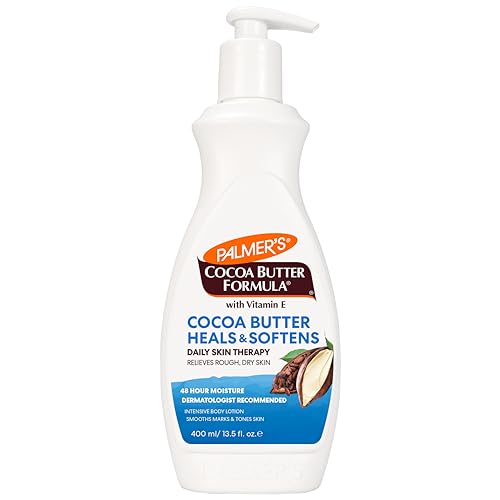


- Look for Water or Aqua near the beginning of the ingredient list.
- Water-based moisturizers often have lightweight gel, lotion, or fluid textures.
- Glycerin and hyaluronic acid are common water-attracting ingredients.
- Water-based does not automatically mean oil-free or non-comedogenic.
1. Check the First Few Ingredients
The ingredient list is the best place to start when identifying a water-based moisturizer. In the United States, cosmetic ingredients are generally listed in descending order of predominance, meaning ingredients present in larger amounts usually appear before those present in smaller amounts.


Look for the words Water or Aqua. These are common names used for water in cosmetic ingredient lists.
If Water or Aqua appears first, it is a strong indication that the product has a water-based formulation. However, remember that ingredient lists have exceptions: ingredients present at concentrations of 1% or less may appear in a different order.
What an ingredient list might look like
ILLUSTRATIVE INGREDIENT LIST
1. Water (Aqua)


2. Glycerin
3. Caprylic/Capric Triglyceride
4. Cetearyl Alcohol
5. Sodium Hyaluronate
Interpretation: Water appears first, suggesting that water is the primary ingredient. The other ingredients help give the moisturizer its moisturizing and textural properties.
Ingredients to recognize
Water-based moisturizers can contain several supporting ingredients. Some attract water, while others soften the skin or help reduce moisture loss.
| Ingredient | Common role |
|---|---|
| Water / Aqua | Common primary liquid ingredient |
| Glycerin | Humectant that attracts and retains water |
| Hyaluronic Acid | Water-binding humectant |
| Propanediol | Humectant and solvent |
| Panthenol | Skin-conditioning ingredient |
These ingredients are useful clues, but none of them independently proves that a moisturizer is water-based. The overall formulation matters.
2. Look at the Moisturizer’s Texture
Texture provides another helpful clue. Many water-based moisturizers have a lightweight consistency that spreads easily and feels less greasy than products formulated with a high proportion of oils or waxes.
However, texture alone cannot confirm the formulation. A water-based cream can be thick, while some oil-based products can feel surprisingly light.
Common moisturizer textures
Often lightweight, fresh-feeling, and easy to spread.
Usually fluid and easy to distribute over larger areas.
Often thicker, with a greater proportion of emollient ingredients.
These are general texture tendencies, not definitive ingredient classifications.
What should you notice when applying it?
Pay attention to how the product spreads, feels, and settles on your skin. A lightweight water-based formula may feel comfortable during daytime use, especially when you prefer a less heavy finish.
Still, a moisturizer that absorbs quickly is not necessarily water-based. Silicone ingredients and other formulation choices can also affect how quickly a product feels dry.
3. Understand the Difference Between Water-Based and Oil-Based Moisturizers
Water-based and oil-based moisturizers differ in their overall formulation. Water-based products generally use water as a major component, while oil-based products contain a greater proportion of oils, waxes, or other oil-soluble ingredients.
Many modern moisturizers actually combine water and oil. These products are emulsions, meaning their ingredients are blended into a formulation that allows water and oil components to coexist.
Water-based vs. oil-based vs. combination formulas
| Feature | Water-based | Oil-rich | Combination |
|---|---|---|---|
| Main formulation | Water is prominent | Oils and lipids are prominent | Water and oils |
| Typical feel | Often lighter | Often richer | Varies |
| Common format | Gels and lotions | Ointments and rich balms | Creams and lotions |
| Ingredient clues | Water, glycerin | Petrolatum, oils, waxes | Water, oils, emulsifiers |
One important point: a product containing both water and oil can still be water-based. The presence of oil does not automatically make a moisturizer oil-based.
4. Identify Common Oil-Based Ingredients
Knowing common oil-based ingredients helps you understand the formulation more clearly. These ingredients may provide softness, improve the skin’s feel, or help reduce water loss.
Look for ingredients such as mineral oil, petrolatum, shea butter, and plant oils. Their presence does not automatically mean a product is oil-based. Consider their position in the ingredient list and the overall formulation.
Ingredients that may indicate a richer formula
| Ingredient | General function |
|---|---|
| Petrolatum | Occlusive that helps reduce water loss |
| Mineral Oil | Emollient and occlusive ingredient |
| Shea Butter | Skin-softening emollient |
| Coconut Oil | Emollient and oil-phase ingredient |
| Squalane | Skin-conditioning emollient |
| Beeswax | Wax that contributes to product consistency and barrier properties |
Some ingredients, including fatty alcohols and silicones, need a little more interpretation. For example, cetearyl alcohol is a fatty alcohol commonly used as an emollient and thickener. It is not the same as drying alcohols such as ethanol.
5. Check the Product Label for Water-Based Claims
Product packaging can make your search easier. Some manufacturers describe their moisturizers as water-based, water-gel, lightweight, or oil-free.
These descriptions can help narrow down your choices, but they should not replace checking the ingredients. Marketing terminology is not always a precise description of the complete formulation.
How to interpret common label terms
A useful formulation clue. Confirm with the ingredient list.
Suggests the absence of certain oils but does not establish the complete base.
Describes the expected skin feel rather than the ingredient base.
Describes a moisturizing purpose, not a specific water-based formula.
Is oil-free the same as water-based?
No. The terms are related but not interchangeable. A moisturizer can be water-based without being completely oil-free because it may contain oils, silicones, or other emollients.
Likewise, an oil-free product is not necessarily a simple water-and-humectant formula. It may contain silicones or other ingredients that influence its texture and performance.
6. Choose a Formula That Matches Your Skin Type
Identifying a water-based moisturizer is only part of the decision. You should also consider your skin type, personal preferences, and how much moisture your skin needs.
Lightweight formulations may appeal to people who dislike heavy products, while richer creams may be more comfortable for people experiencing persistent dryness.
Which formulation might suit your needs?
| Skin preference | Formulation to consider | What to look for |
|---|---|---|
| Oily-feeling skin | Light gel or lotion | Light texture and suitable ingredients |
| Dry skin | Cream or richer lotion | Humectants, emollients, and occlusives |
| Combination skin | Balanced lotion or gel-cream | Comfortable hydration without excessive heaviness |
| Normal skin | Lotion or cream | Personal comfort and seasonal needs |
| Sensitive skin | Simple, suitable formulation | Fragrance-free options and fewer potential irritants |
These are general starting points, not strict rules. Skin types overlap, and a person’s preferred formulation may change with weather, environment, or skincare habits.
7. Understand What Makes a Good Water-Based Moisturizer
A good moisturizer does not have to contain only water. In fact, different ingredient groups work together to support skin hydration.
Three important categories are humectants, emollients, and occlusives. Understanding these terms helps you look beyond the water-based label and evaluate what the product actually offers.
Three ingredient groups to recognize
Attract and retain water in the outer skin layer.
Examples: Glycerin, hyaluronic acid, urea.
Help soften and smooth the skin.
Examples: Fatty alcohols, ceramides, plant oils.
Form a protective layer that helps reduce water loss.
Examples: Petrolatum, mineral oil, dimethicone.
A water-based moisturizer may contain all three categories. This combination can provide hydration while helping the skin retain moisture.
How to evaluate the ingredient combination
Rather than choosing a product based on one popular ingredient, consider how its ingredients work together.
| What you want | Ingredients to recognize | Practical consideration |
|---|---|---|
| Water attraction | Glycerin, hyaluronic acid | Useful humectant ingredients |
| Skin softness | Ceramides, fatty alcohols | Contribute to skin conditioning |
| Reduced moisture loss | Petrolatum, dimethicone | Provide occlusive properties |
| Skin conditioning | Panthenol, squalane | Consider the overall formulation |
8. A Simple Step-by-Step Method for Checking a Moisturizer
If you are standing in a store comparing products, you do not need to understand every ingredient. Follow this simple process to make a more informed choice.
Your five-step ingredient-checking routine
Check the packaging or manufacturer’s product information.
See whether it appears among the first ingredients.
Look for humectants, emollients, and occlusives.
Decide whether a gel, lotion, or cream suits your preferences.
Consider fragrance, sensitivities, and your hydration needs.
Common Mistakes to Avoid When Identifying Water-Based Moisturizers
Even when you know what to look for, a few common misunderstandings can lead to the wrong conclusion.
| Common mistake | Better approach |
|---|---|
| Assuming every gel is water-based | Confirm the ingredients. |
| Thinking oil-free means water-based | Treat these as separate descriptions. |
| Rejecting a product because it contains some oil | Evaluate the complete formula. |
| Choosing based only on absorption speed | Use the ingredient list as your primary check. |
| Assuming lightweight means less moisturizing | Consider the humectants and other supporting ingredients. |
Safety Note: Consider Your Skin Sensitivities
Water-based does not automatically mean hypoallergenic or suitable for sensitive skin. Fragrances, preservatives, and other ingredients can cause irritation or allergic reactions in some individuals. Review the complete ingredient list and discontinue use if you develop an unexpected reaction. If you have a persistent skin condition or recurring irritation, consult a qualified healthcare professional.
Frequently Asked Questions
1. How can I tell if a moisturizer is water-based?
Check the ingredient list for Water or Aqua near the beginning. This is usually the clearest indication that water is a major component of the formulation. A lightweight gel or lotion texture can provide an additional clue.
2. Is water-based moisturizer the same as oil-free moisturizer?
No. Water-based describes a formulation in which water is a major component, while oil-free describes a product that is marketed as not containing oils. A water-based moisturizer can still contain certain oils or other emollients.
3. Is a water-based moisturizer good for oily skin?
A lightweight water-based gel or lotion may be a comfortable option for people who dislike heavy skincare products. However, individual skin preferences differ, and the complete ingredient list matters more than the water-based label alone.
4. Can a water-based moisturizer contain oil?
Yes. Many water-based moisturizers contain small or moderate amounts of oils, emollients, or occlusive ingredients. These components can contribute to the product’s texture and help soften the skin.
5. Does Water always have to be the first ingredient?
Not necessarily. Water commonly appears first in water-based moisturizers, but formulation and ingredient-labeling exceptions exist. Check the overall ingredient list rather than relying on one absolute rule.
6. Are water-based moisturizers suitable for dry skin?
They can be, depending on the formulation. People with dry skin may prefer products containing humectants alongside emollients and occlusives. A richer cream may be more comfortable when additional moisture retention is needed.
7. What ingredients should I look for in a water-based moisturizer?
Look for Water or Aqua as a major ingredient, along with supporting ingredients such as glycerin, hyaluronic acid, and panthenol. Depending on your preferences, ceramides, dimethicone, and other emollients may also be useful components.
Final Thoughts
Learning how to tell if a moisturizer is water-based does not require complicated skincare knowledge. Start by reading the ingredient list and checking whether Water or Aqua appears near the beginning.
Then look beyond the label. Consider the product’s texture, supporting ingredients, and how well the overall formulation matches your skin’s needs.
Most importantly, remember that water-based does not automatically mean oil-free, lightweight, or suitable for everyone. Understanding the complete formulation is a much better way to make an informed skincare choice.