Quick Answer
Serum usually goes on first, followed by moisturizer. Apply a typical lightweight serum after cleansing, then add moisturizer. In the morning, finish skincare with sunscreen. Exceptions include certain oil-based formulas, retinoid buffering routines, and prescription products with specific instructions.

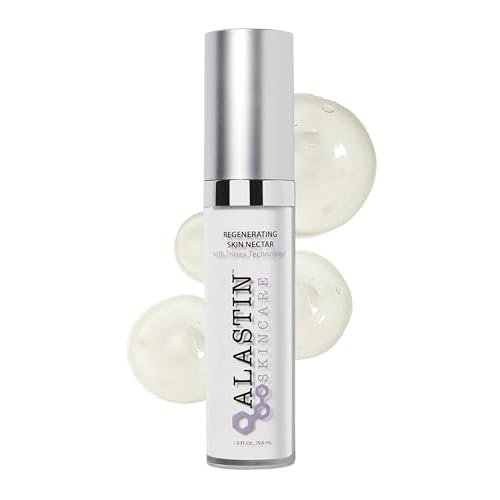

Two bottles can make a simple routine feel surprisingly complicated. The useful question is what each formula does and what its directions say—not whether its packaging looks like a serum or cream.
This guide explains the usual order, when to change it, and how to troubleshoot layers that feel sticky or roll into flakes. You do not need a long routine or a separate serum for every concern.
Key Takeaways


- Product directions and prescribed instructions take priority over texture rules.
- A serum is optional; it does not automatically replace moisturizer.
- Let layers settle rather than following a universal stopwatch rule.
- Comfort matters more than fitting multiple active ingredients into one routine.
Why Serum Usually Comes Before Moisturizer
Many serums are light liquids or gels, while moisturizers are lotions or creams. Applying the lighter formula first generally makes layering easier. A richer cream underneath can change how a serum spreads and interacts with your skin.
However, moisturizer does not create an impenetrable wall, and serum applied afterward is not automatically wasted. Formulation matters. “Thinnest to thickest” is a useful starting point, not a guarantee about absorption or results.


Serum and Moisturizer: Different Jobs
Ingredients can overlap, so judge the complete formula rather than assuming every serum is stronger.
| Product | Typical role | Important limit |
|---|---|---|
| Serum | Adds selected ingredients, sometimes including hydrators | May not provide enough lasting moisture alone |
| Moisturizer | Helps soften skin and reduce moisture loss | Does not replace sunscreen unless labeled with SPF |
| Facial oil | Adds emollience and a richer finish | Is not interchangeable with every moisturizer |
Bottle-Label Decision Path
- Check directions: Is a particular order or skin condition specified?
- Identify the formula: Is it a watery serum, cream, or mainly oil?
- Use the default only when appropriate: Lightweight serum before moisturizer.
A Simple Morning and Evening Routine


Start with clean hands and gentle cleansing. Avoid scrubbing to make products “sink in.” Apply your serum according to its label, spread it gently, and follow with a moisturizer that feels comfortable.
In the morning, apply sunscreen after moisturizer and before makeup. Choose broad-spectrum SPF 30 or higher, preferably water-resistant. Follow its application directions and reapply at least every two hours outdoors, and after swimming or sweating as directed.
Morning Versus Evening Order
These examples assume an ordinary cosmetic serum and no conflicting prescription instructions.
| Step | Morning | Evening |
|---|---|---|
| 1 | Gentle cleanse | Remove makeup and sunscreen; cleanse gently |
| 2 | Optional daytime-suitable serum | Optional evening-suitable serum |
| 3 | Moisturizer | Moisturizer |
| 4 | Sunscreen, then optional makeup | No extra step required |
Busy Morning
Skip an optional serum if it complicates sunscreen application. Keep the steps you can perform consistently.
Quiet Evening
Use the opportunity to check how your skin feels. An elaborate routine is not required before bed.
Damp Skin, Dry Skin, and Waiting Between Layers
Some hydrating serums, including certain hyaluronic acid formulas, are intended for slightly damp skin. Damp means lightly moist after patting—not dripping wet. Follow with moisturizer as directed.
Do not extend that advice to every serum. Retinoids and some exfoliating formulas can be more irritating on damp skin. If the label says to apply to dry skin, follow that instruction even when another product in your routine suggests damp application.
Application Cues by Formula
Ingredient names help orient you, but the finished product’s directions decide the details.
| Formula | Usual position | Check before applying |
|---|---|---|
| Hydrating serum | Before moisturizer | Whether slightly damp skin is recommended |
| Vitamin C serum | Usually before moisturizer | Directions and tolerance; not a sunscreen substitute |
| Retinol serum | May need a modified routine | Dry-skin instructions and buffering guidance |
| Oil-based serum | Depends on formulation | Manufacturer’s layering instructions |
There is no single evidence-based waiting interval for all serum-and-moisturizer combinations. For ordinary cosmetic layers, let the serum settle enough that the next product spreads without sliding it around. Longer waits are necessary when a particular label or clinician specifies them.
The Next-Layer Check
Ready: The serum is evenly spread and no longer moving around as a wet layer.
Pause or simplify: Your skin feels coated, or moisturizer pushes the previous layer into little rolls. Use less optional product next time, within label directions.
When Moisturizer Can Go First
Retinoid buffering is a meaningful exception. Some dermatology guidance recommends moisturizer before a retinoid when dryness is a problem. A “sandwich” routine adds moisturizer before and after the retinoid, but it is not suitable for every formulation or prescription.
Ask your dermatologist or pharmacist whether buffering fits your specific product. Do not rearrange prescribed medication solely because a cosmetic layering chart says serum should always come first.
An oily product marketed as a serum may also need different placement. Read its directions rather than placing it ahead of a lighter moisturizer automatically. If texture labels confuse you, see our guide to checking whether a moisturizer is water-based.
How to Fix Pilling, Stickiness, or Tightness
Pilling means product rolls into small flakes during application. It does not, by itself, prove that ingredients are unsafe together or that your skin needs exfoliation. Amount, rubbing, settling time, and formula compatibility can all contribute.
Troubleshooting Your Layers
These are possibilities to investigate, not diagnoses.
| Problem | Possible contributor | Practical next step |
|---|---|---|
| Little product rolls | Excess layers or repeated rubbing | Reduce optional layers and spread gently |
| Sticky finish | Amount or formula texture | Check label amount; reconsider the serum if persistent |
| Tight-feeling skin | Insufficient moisturizing or irritation | Simplify and assess moisturizer suitability |
| Burning or itchy rash | Possible adverse reaction | Stop the suspected product and seek advice if persistent |
Change one thing at a time so the result is interpretable. For example, try moisturizer and sunscreen without serum on your next morning. If they layer comfortably, reintroduce the serum separately rather than replacing every product at once.
Do not solve sunscreen pilling by applying less than directed or mixing sunscreen into moisturizer. Simplify the products underneath. If sunscreen visibly rolls off, do not assume the remaining film provides even coverage.
One-Change Routine Log
Record the products, their order, the single change you made, and how your skin felt. A brief note such as “omitted serum; no rolling under sunscreen” is more useful than guessing which ingredient caused trouble.
Do You Actually Need Both Products?
You can have a useful routine without serum. If your moisturizer already feels comfortable and contains the ingredients you want, adding a similar serum may create expense and extra layering without a clear purpose.
Choose moisturizer texture according to comfort rather than assuming oily skin needs none or dry skin needs multiple serums. Our guide to what to look for in a moisturizer explains label features to consider.
Keep, Add, or Skip?
Use your current routine as the starting point before shopping.
| Situation | Reasonable approach | Avoid |
|---|---|---|
| Routine feels comfortable | Keep it simple | Adding serum out of obligation |
| Considering extra hydration | Assess moisturizer first; serum is optional | Assuming more layers always work better |
| Several active products | Review overlapping ingredients | Starting everything together |
Introduce New Serums Carefully
Test a new cosmetic product on a small area before widespread use. Dermatologists commonly recommend a seven-to-ten-day home test for ordinary skincare products; follow product-specific restrictions. A home test cannot guarantee tolerance or replace medical allergy testing.
Avoid applying potentially irritating serums to broken or already irritated skin. Combining exfoliating acids and retinoids can increase irritation, especially for beginners. Persistent discomfort is a reason to simplify and get advice, not keep adding soothing layers over the problem.
Safety Note: Know When to Pause
Stop a new product if it causes significant burning, swelling, or a rash. Seek medical advice for severe or persistent reactions. If you have eczema, rosacea, or a prescribed skin regimen, check with your clinician before adding active serums.
Avoid retinoids during pregnancy. If pregnant, planning pregnancy, or breastfeeding, review active skincare ingredients with your obstetrician or dermatologist before use.
Frequently Asked Questions
What if I accidentally apply moisturizer before serum?
You usually do not need to wash everything off or start again. Continue your routine if your skin feels comfortable, and follow the usual order next time. Check separate instructions for prescription products.
Can I mix serum into moisturizer?
Separate layers are the clearer default because mixing changes how evenly each product is applied. Mix only when the manufacturer specifically allows it. Do not mix sunscreen with serum or moisturizer.
Does hyaluronic acid serum go before moisturizer?
Usually, yes. Apply it as directed, sometimes to slightly damp skin, and follow with moisturizer. Follow the finished formula’s instructions rather than assuming all hyaluronic acid products work identically.
Can I use two serums before moisturizer?
Sometimes, but two serums are not automatically better than one. Check for overlapping active ingredients and irritation risks. Start with one, and consider separate routines if layering becomes uncomfortable or complicated.
Does the order change for oily skin?
The usual order stays the same: serum before moisturizer. A lighter moisturizer may feel more comfortable. Choose products according to tolerance and label directions rather than skipping moisturizer solely because your skin looks oily.
Final Thoughts
Keep serum before moisturizer as your everyday default, then check the exceptions on your own labels. The most useful routine spreads comfortably and is easy to repeat. If irritation or prescription instructions complicate the order, ask a dermatologist or pharmacist to help you adapt it.