
Quick Answer


Apply moisturizer first, then sunscreen. Sunscreen should be the last skincare step in your morning routine so it can sit on top as an even layer. Makeup goes over sunscreen. If your moisturizer contains SPF, follow its label directions.
Standing at the bathroom sink with a moisturizer in one hand and a sunscreen in the other is a very common moment of doubt. Both feel like “the last step,” and the internet gives mixed answers.
The good news is that the usual guidance is simple and easy to remember. This guide covers the order, the reasoning, how much to use, what to do about pilling, and when to check with a skin care professional first.
Key Takeaways
- Moisturizer first, sunscreen second, makeup last.
- Sunscreen works best as an even, unbroken layer on top of your skincare.
- A moisturizer with SPF is not automatically a replacement for sunscreen.
- Prescription skin products can change the routine, so ask your clinician.
The Right Order for a Morning Routine


Think of sunscreen as your outer shield. Everything that hydrates or treats the skin goes underneath, and sunscreen goes on top, where it can form a continuous layer across your face.

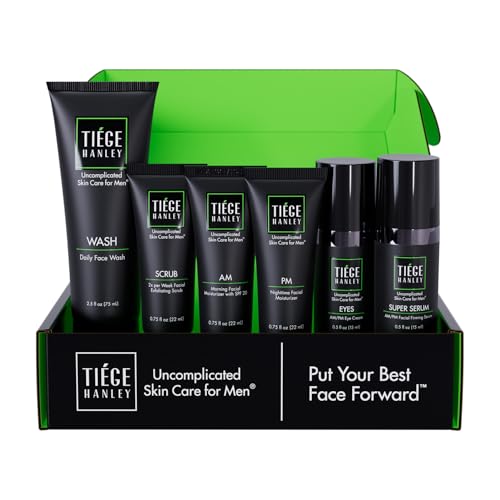

Morning Skincare Order at a Glance
This table shows where each common product usually fits. Not everyone uses every step, and you can skip what you do not use.
| Step | Product | Note |
|---|---|---|
| 1 | Cleanser | Pat skin mostly dry or leave it slightly damp, per product directions. |
| 2 | Serum or treatment (optional) | Thinner, water-like products usually go before creams. |
| 3 | Moisturizer | Let it settle for a minute or two. |
| 4 | Sunscreen | Last skincare step. Follow the label for amount and wait time. |
| 5 | Makeup (optional) | Goes over sunscreen once it has settled. |
Visual: Your Morning Timeline
Step 1: Cleanse
Start with a clean face.
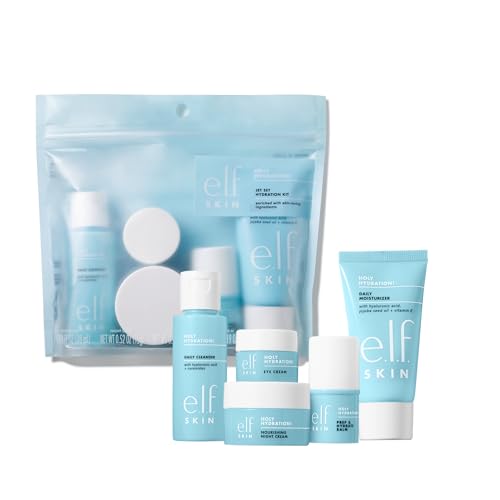

Step 2: Moisturize
Apply, then pause.
Step 3: Sunscreen
Cover face, ears, neck.
Step 4: Makeup
Only if you wear it.
Why Sunscreen Goes Last
Sunscreen is designed to stay on the surface of your skin as a protective film. If a heavy moisturizer is layered over it, you may smear or thin out that film, leaving uneven spots.
Putting moisturizer underneath also gives you a smoother base. Sunscreen then spreads more evenly and is less likely to drag across dry patches. Both products work better when each does its own job in its own layer.
Ingredient types matter less for order than most people expect. Mineral sunscreens (often zinc oxide or titanium dioxide) and chemical sunscreens (which absorb UV) are both typically applied after moisturizer. If a product label gives different directions, the label wins.
Moisturizer With SPF vs. Separate Sunscreen
Many moisturizers list an SPF. That can be convenient, but the protection depends on how much you actually apply, and most people apply less moisturizer than the amount needed to match the SPF on the label.
| Option | Works well for | Watch out for |
|---|---|---|
| Moisturizer plus separate sunscreen | Most routines, since you control the amount of each. | Takes an extra step and a minute of waiting. |
| Moisturizer with SPF only | Quick mornings and light daily exposure. | Thin application means less protection than the label suggests. |
| SPF moisturizer plus sunscreen on top | Long days outdoors. | SPF values do not add together. It simply gives more coverage. |
If you rely on an SPF moisturizer, check that the label says “broad spectrum” and apply it generously, following the directions.
Mineral vs. Chemical Sunscreen: Does It Change the Order?
For most people it does not. The choice comes down to feel, skin comfort, and what you will actually wear every day. Product specifications vary by brand, so read each label before buying.
Sunscreen Types Compared
This comparison covers general traits only. Individual products differ, so treat it as a starting point.
| Type | General feel | Possible trade-off | Browse |
|---|---|---|---|
| Mineral | Sits on skin; often thicker. | May leave a visible cast on some skin tones. | Check current details on Amazon |
| Chemical | Often lighter and easier to spread. | Some people find certain formulas irritating near the eyes. | Check current details on Amazon |
| Hybrid | Blend of both approaches. | Read the ingredient list to know what you are getting. | Search by name on the site you prefer. |
Whichever you choose, look for “broad spectrum” on the label and an SPF of 30 or higher, which is the range commonly recommended by dermatology groups.
A Gentle Moisturizer to Pair With It
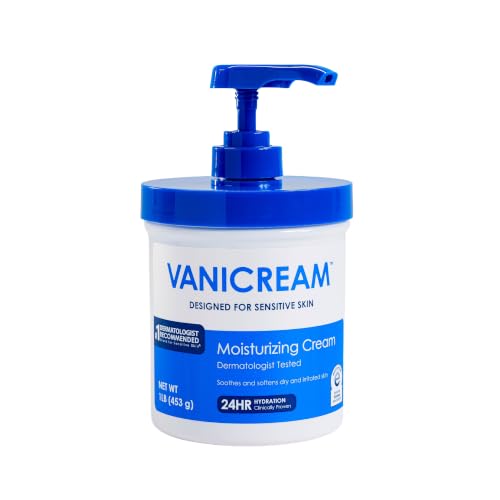
If you are shopping for the base layer, a plain daily moisturizer without added SPF lets you control the sunscreen layer separately. Pick one suited to your skin type, such as lighter lotions for oily skin or richer creams for dry skin. Check current details on Amazon.
How Much to Use and How Long to Wait
Under-applying is one of the most common sunscreen mistakes. A thin smear gives less protection than the SPF number implies. For the body, dermatology guidance often cites about one ounce, roughly a shot glass, for full coverage. For the face, follow the product’s directions and apply generously.
Waiting time depends on the products. A brief pause after moisturizer, often a minute or two, helps it settle. Some sunscreens ask you to apply 15 minutes before sun exposure, so check your label.
Visual: Before You Head Out Checklist
Coverage
Did you reach ears, neck, hairline, and the tops of the hands?
Label
Is it broad spectrum, and have you checked its expiration date?
Settling
Has each layer had a moment to absorb?
Reapply
Do you have it with you? Labels commonly advise reapplying about every two hours outdoors, and after swimming or sweating.
Correct Use vs. Common Mistakes
Small habits make a real difference to how well the routine works.
| Better habit | Common mistake |
|---|---|
| Moisturizer first, sunscreen on top. | Putting moisturizer over sunscreen, which can disturb the layer. |
| Applying a generous amount. | Using a small dab for the whole face. |
| Reapplying when outdoors. | Treating one morning application as all-day cover. |
| Using sunscreen on cloudy days too. | Skipping it because the sky is gray. |
When Serums and Treatments Are Involved
Serums, vitamin C, niacinamide, and similar products generally go on before moisturizer because they are thinner. Sunscreen still goes last. Retinoids are usually used at night, though your product label or clinician may say otherwise.
Safety Note
If you use prescription skin products, have a skin condition such as eczema or rosacea, or have recently had a procedure, ask a dermatologist or other qualified clinician about your order and product choices. Stop using any product that causes burning, swelling, or a rash. Check with a pediatrician before using sunscreen on babies, and for infants under six months, keep them out of direct sun.
Visual: Which Product Goes Where?
Is it thin and watery?
Yes: usually before moisturizer.
Is it a cream or lotion?
Yes: moisturizer step.
Does it say SPF and broad spectrum?
Yes: sunscreen step, on top.
Is it prescription?
Follow your clinician’s directions.
Fixing Pilling and Other Layering Problems
Pilling shows up as little rolled-up crumbs when you rub products on. It usually comes from layering too many products, rubbing too hard, or applying the next layer before the last has settled.
Problem, Likely Cause, Next Step
These causes are common but not universal, so try one change at a time.
| Problem | Possible cause | Try this |
|---|---|---|
| Pilling or flaking | Too many layers or heavy rubbing. | Use fewer products and pat gently. |
| Greasy finish | Rich moisturizer under a rich sunscreen. | Switch to a lighter lotion. |
| White cast | Some mineral formulas. | Try a tinted or different formula. |
| Stinging eyes | Product migrating when you sweat. | Apply a little away from the eyelids. |
Visual: Simple Does It (Illustrative)
Minimal routine
Cleanser, moisturizer, sunscreen. Least likely to pill.
Extended routine
Add serums only as needed, and let each layer settle.
Who Should Check With a Professional First
Most people can use this basic order without trouble. A few readers benefit from a quick conversation with a qualified professional first.
Visual: Easy Routine vs. Ask First
Usually straightforward
Healthy adults with no skin concerns and no prescription skin products.
Heads-Up: ask first
Pregnancy or postpartum, babies and children, eczema or rosacea, prescription topicals, or recent skin procedures.
Frequently Asked Questions
Do I apply moisturizer before or after sunscreen?
Before. Moisturizer goes on first, then sunscreen, so the sunscreen can stay as the top skincare layer.
Can I skip sunscreen if my moisturizer has SPF?
It can work if the label says broad spectrum and you apply enough, but many people apply too little. For long outdoor time, a separate sunscreen is often easier to apply generously.
How long should I wait between moisturizer and sunscreen?
A minute or two is a common rule of thumb so the moisturizer can settle. Check your sunscreen label too, since some recommend applying about 15 minutes before sun exposure.
Does makeup go over sunscreen?
Yes. Makeup normally goes on after sunscreen has settled, so it does not disturb the protective layer.
Do I need sunscreen at night?
No. Evening routines usually skip sunscreen and focus on cleansing and moisturizing.
Final Thoughts
The routine is easy to remember: hydrate first, protect last. Moisturizer builds a smooth base, and sunscreen finishes the job on top. Apply enough, give each layer a moment, and reapply when you are outdoors.
No single routine fits everyone. If you have sensitive skin, use prescription products, or are shopping for a child or during pregnancy, check with a qualified healthcare professional before changing your routine.