
Quick Answer


Most people wait about two to five minutes after a lightweight moisturizer, and up to ten for a rich cream. The better rule is the touch test: when skin feels smooth and slightly cushioned, not slippery or tacky, it is ready for primer or foundation. Sunscreen goes on before makeup.
You have probably had the morning where foundation slides around, streaks, or rolls into little crumbs right after moisturizing. The cause is usually not the makeup. It is usually timing, amount, or the way products were layered.
This guide explains how long to wait, how to tell when your skin is actually ready, and what to adjust for your skin type and your products. Think of the times here as starting points, not strict rules.
Key Takeaways
- Lightweight lotions and gel creams often need only a couple of minutes.
- Rich creams and balms usually need longer, or a gentle blot of any extra.
- How the skin feels matters more than the clock.
- A thin layer of moisturizer usually sits better under makeup than a thick one.
The Short Timing Guide


There is no single official number that fits every moisturizer. Brands and makeup artists commonly suggest a short pause, and the right length depends on the texture. This table gives realistic starting points.


Typical Wait Times by Moisturizer Texture
Treat these as rules of thumb and adjust using the touch test in the next section.
| Texture | Starting wait | Notes |
|---|---|---|
| Water-based gel | 1–2 minutes | Often settles fastest. |
| Light lotion | 2–3 minutes | Pat in, do not rub. |
| Cream | 3–5 minutes | Use a thin layer. |
| Rich cream or balm | 5–10 minutes | Blot extra with a clean tissue if it still feels slick. |
| Oil-based product | 5+ minutes | Can leave a film that makeup slides on. |
Three-Step Pause Timeline
Step 1: Apply
Smooth on a thin layer, pressing gently into cheeks, forehead, nose, and chin.

Step 2: Pause
Use two to five minutes for hair, coffee, or getting dressed.
Step 3: Check
Run the touch test below, then continue with makeup if it passes.
The Touch Test: How to Know It Is Ready
Instead of watching the clock, lightly touch your cheek with a clean fingertip. If your finger glides and the skin feels soft and slightly cushioned, you are in good shape. If your finger drags, feels sticky, or picks up product, wait another minute or two.
Look at your skin in natural light too. A faint dewy look is fine. A wet, glossy sheen usually means product is still sitting on the surface.
Ready vs. Not Ready
Ready for makeup
- Skin feels smooth
- Fingertip glides easily
- No wet shine
Wait a little longer
- Skin feels tacky or slippery
- Product comes off on your finger
- Visible glossy film
What Changes How Long You Should Wait
Two people using the same cream can need different pauses. Room temperature, skin dryness, and how much you used all play a part.
Factors That Shorten or Lengthen the Wait
These are general patterns, not guarantees for every product or person.
| Factor | Effect | What to do |
|---|---|---|
| Amount applied | More product takes longer to settle | Start with a pea-sized amount for the face. |
| Damp skin | Product spreads easily but can feel wetter | Pat skin mostly dry first. |
| Cool, dry air | Skin may absorb quickly and feel tight | Wait briefly, then check comfort. |
| Humid weather | Products may feel tacky longer | Choose a lighter formula. |
| Extra skincare layers | Each layer adds to the total pause | Wait briefly between steps. |
Where Sunscreen, Serum, and Primer Fit
Most skincare routines move from thinnest to thickest. Moisturizer generally goes after serums, and sunscreen goes after moisturizer, unless the sunscreen label or your clinician says otherwise. Primer, if you use it, comes right before makeup.
Common Order of Steps Before Makeup
This is a typical order, not a rule that fits every product.
| Step | Product | Short pause |
|---|---|---|
| 1 | Cleanser | Pat skin mostly dry |
| 2 | Serum, if you use one | About a minute |
| 3 | Moisturizer | Two to five minutes |
| 4 | Sunscreen | Follow the label |
| 5 | Primer, optional | About a minute |
| 6 | Makeup | After the touch test |
If you use a moisturizer with SPF, it counts as your sunscreen step, but check the label for how much to apply. Many people find a facial-sized amount of SPF moisturizer heavier under makeup, so test it on a quiet day first.
Layering Stack (Thin to Thick)
Adjusting for Your Skin Type
Skin type changes how a moisturizer feels under makeup more than it changes the timing itself.
Skin Type Tips for Moisturizer Before Makeup
These are general comfort tips, not a skin diagnosis.
| Skin feel | Formula to look for | Timing idea |
|---|---|---|
| Oily or shiny | Light gel or lotion | Short pause, thin layer |
| Dry or tight | Cream with richer texture | Longer pause, then blot |
| Combination | Light lotion overall | Add a bit more on dry patches |
| Easily irritated | Simple, fragrance-free options | Go slowly, add new items one at a time |
Why Makeup Pills, Streaks, or Slides
When foundation rolls into tiny flakes, people call it pilling. It usually happens when layers do not play well together or are applied too thickly. Often a small change solves it.
Common Makeup Problems and Likely Fixes
Fixes vary by product, so change one thing at a time.
| Problem | Likely cause | Next step |
|---|---|---|
| Foundation rolls into crumbs | Too many layers or rubbing | Use less, and press on with a sponge. |
| Foundation slides around | Skin still slick | Wait longer or blot gently. |
| Patchy or streaky look | Dry patches under product | Add a little more moisturizer to those areas only. |
| Makeup looks oily by midday | Moisturizer too rich | Try a lighter formula or smaller amount. |
| Stinging or redness | Possible irritation | Stop using the product and see the Safety Note below. |
Pilling Decision Path
Is skin still tacky?
Yes: wait one to two more minutes and recheck.
Used a lot of product?
Yes: use half as much tomorrow and layer thinly.
Rubbing makeup in?
Yes: switch to pressing or patting with a sponge.
Still pilling?
Try a different combination, changing one product at a time.
Everyday Routines That Fit Real Mornings
The pause does not need to feel like waiting. Put moisturizer on first, then do something else, such as getting dressed or making coffee, and come back to your makeup afterward.
Routine Schedule Examples
Relaxed morning
Skincare, breakfast, then makeup with plenty of settling time.
Rushed morning
Light gel or lotion, quick dress, then a touch test and makeup.
Dry-skin day
Moisturize before other tasks, then blot extra before foundation.
Product Types Worth Considering
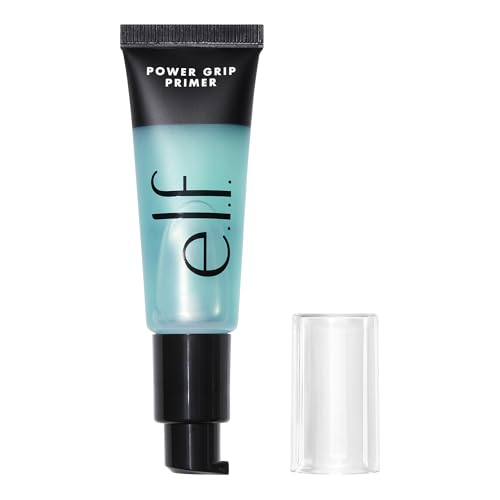
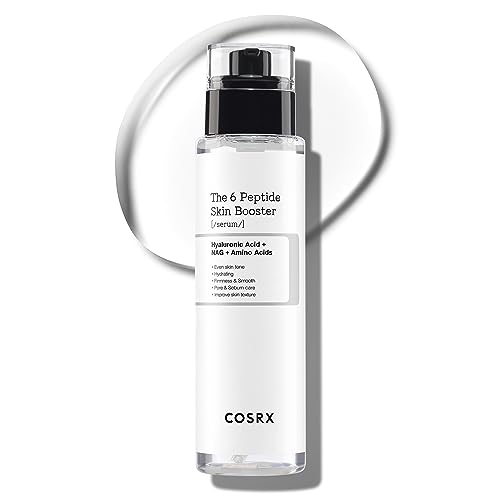
You do not need many products. These are product types that may help some people get smoother makeup application. We have not tested or ranked specific products, so check each listing’s current details and ingredients before buying.
Product Types Compared by Purpose
Use this as a shopping guide, not a recommendation of a specific brand.
| Product type | Why people use it | Trade-off |
|---|---|---|
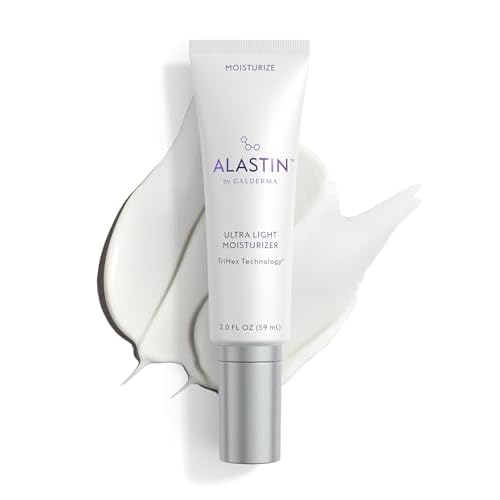
| Lightweight gel-cream moisturizer | Settles quickly under makeup | May feel too light for very dry skin. |
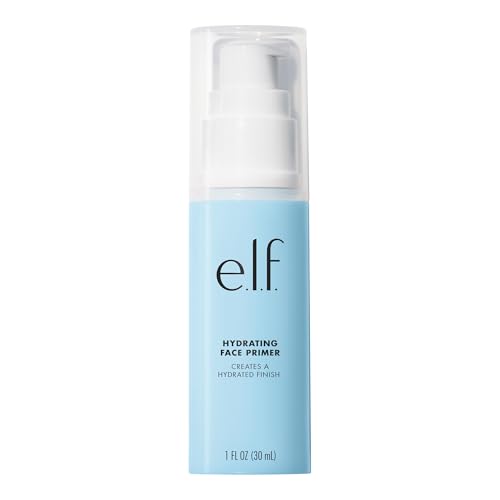
| Hydrating primer | Adds a smooth base for foundation | Another layer, so use sparingly. |
| Makeup sponge | Presses product on rather than rubbing | Needs regular washing and replacement. |
Lightweight gel-cream moisturizer
Best for readers who find thick creams slippery under foundation. Skip it if your skin feels tight all day.
Hydrating face primer
May suit people who want extra grip for makeup. Check ingredients if your skin is sensitive.
Makeup blending sponge
Helpful if rubbing with brushes or fingers causes pilling. Wash it often, as the manufacturer directs.
Safety Note
Patch test new products, and stop using one if it causes stinging, burning, swelling, or a rash. If you have a skin condition such as eczema or rosacea, are pregnant or postpartum, or use prescription skincare, check with a qualified healthcare professional about product choices. Do not apply makeup over broken or irritated skin.
Frequently Asked Questions
Can I apply makeup right after moisturizer?
You can if the moisturizer is very light and your skin passes the touch test. If your skin still feels slick or tacky, makeup may slide or pill, so a short pause usually helps.
Should I wait longer if I use sunscreen?
Sunscreen labels often say to apply a set time before sun exposure, so follow the directions on yours. For makeup, the same touch test applies after sunscreen.
Does moisturizer need to fully absorb before foundation?
It does not need to vanish completely. Skin should feel smooth and cushioned, with no wet film or sticky feel on the surface.
Why does my makeup pill over moisturizer?
Common causes include applying too much product, not waiting long enough, rubbing instead of patting, or layering products that do not work well together. Try one change at a time.
Is it okay to blot extra moisturizer before makeup?
Yes, many people gently press a clean tissue on their face to lift surface excess. Press, do not rub, so you do not disturb the layer underneath.
Final Thoughts
A couple of minutes is a good starting point for most moisturizers, but your skin tells you more than a timer can. Use a thin layer, pat it in, and check that your skin feels smooth rather than slippery before makeup goes on.
Remember that every product and every person is different, so adjust gradually. If a product irritates your skin, or you have a skin condition or other health concern, check with a qualified healthcare professional before changing your routine.