
QUICK ANSWER
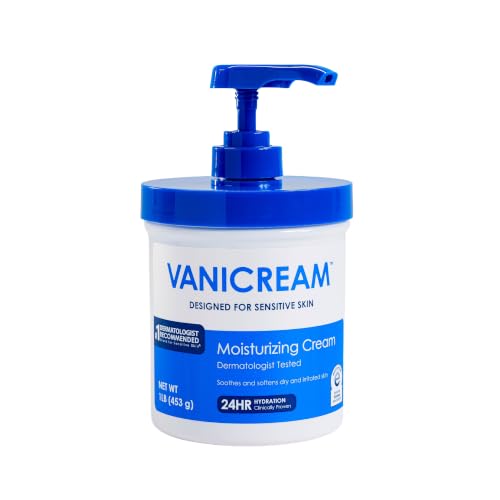


Most of the time, face oil goes on after moisturizer. Water-based products go first, and a few drops of oil on top may help hold that comfort in. Some people apply a light oil before a rich cream instead. Morning sunscreen still goes last.
Face oil and moisturizer both promise softer-feeling skin, so it’s easy to wonder which one touches your skin first. The confusion is fair. Oils differ, creams differ, and labels rarely explain layering.
This guide walks through the logic behind the order, the exceptions that can work, and a simple routine you can adjust to how your skin feels.
Key Takeaways


- Think water-based first, oil-based later. Serums and most moisturizers contain water, and oil can sit over them.
- A few drops is usually enough. More tends to feel greasy.
- Exceptions exist, such as a thin oil before cream or a drop mixed into cream.
- New products deserve a patch test, and acne-prone or sensitive skin may need a clinician’s input.
Why Order Matters: Water-Based First, Oil Last
Skin-care products are built from water, oils, or both. Water-based formulas, such as many serums and gel creams, spread easily and feel light. Oils are slick and don’t mix with water. If oil goes on first, it can leave a film that makes later water-based layers harder to spread evenly.
That’s why general skin-care advice often says to layer from thinnest to thickest. It’s a practical habit rather than a guarantee of results. Moisturizers usually combine water, oils, and ingredients that attract water. Face oils usually contain no water, so they may help soften skin and slow moisture loss from the surface, but they aren’t a swap for every moisturizer job. If you’d like to understand the texture difference first, our guide on lotion versus cream explains it simply.
Face Oil vs. Moisturizer at a Glance
Formulas vary a lot, so treat this table as a general guide and read your own labels.
| Feature | Face oil | Moisturizer |
|---|---|---|
| Typical makeup | Plant or other oils, usually no water | Mix of water, oils, and water-attracting ingredients |
| Texture | Slick, spreads thinly | Gel, lotion, or cream |
| Main job | May soften skin and reduce moisture loss | Adds comfort ingredients and a protective layer |
| Usual amount | A few drops | Enough to cover the face, per the label |
| Usual position | Late, after water-based layers | After serum, before oil or sunscreen |
A Simple Order for Most Routines


If you want one default to start with, use this sequence and skip any step you don’t own.

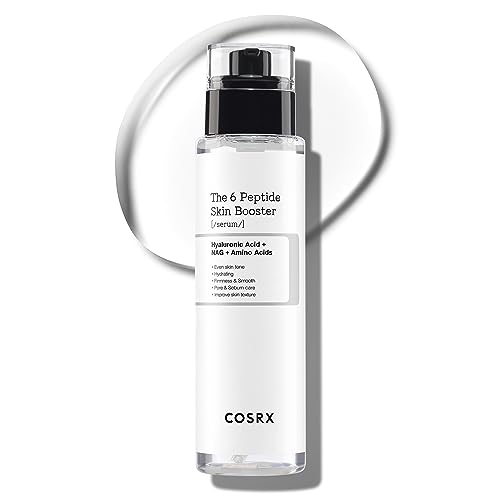

Step Timeline: Evening Layering
Step 1: Cleanse. Pat skin mostly dry or leave it slightly damp.
Step 2: Water-based extras. Toner or serum, if you use them.
Step 3: Moisturizer. Smooth it over face and neck.
Step 4: Face oil. Two or three drops, pressed in gently.
Wondering where toner fits? See our guide on whether toner or moisturizer comes first. For serums, our explainer on serum versus moisturizer order covers the details.
When Oil Before Moisturizer May Work
There’s no single correct answer for every face. Some people like a very thin oil under their cream, or prefer to mix a drop into it. If the standard order feels greasy or heavy, trying another method for a week or two is reasonable.
Four Layering Methods Compared
Each method trades finish, convenience, and layering behavior differently.
| Method | Who may like it | Watch out for |
|---|---|---|
| Oil after moisturizer (standard) | Skin that feels tight or dry at night | Can feel heavy or leave a shine |
| Oil before moisturizer | People using a very light oil who want cream on top | Cream may spread less evenly over the film |
| A drop mixed into cream | Anyone who finds layering fussy | Changes the cream’s texture; skip it if the label advises against mixing |
| Oil only | Minimal routines on normal or combination skin | May lack the water-attracting ingredients a cream offers |
Morning vs. Night: Where Sunscreen and Makeup Fit
Many people save face oil for nighttime because layers can pile up under sun protection or makeup. If you do use oil in the morning, keep it to a drop or two and give it a few minutes to settle. Sunscreen should still be the final skin-care step, as the product label directs. Our guide on moisturizer versus sunscreen order explains why.
Routine Timing by Time of Day
Adjust the order to match the products you actually use.
| Moment | Suggested order | Note |
|---|---|---|
| Morning | Cleanse or rinse, serum, moisturizer, optional tiny amount of oil, sunscreen | Skipping oil keeps things simple |
| Evening | Cleanse, serum, moisturizer, face oil | Easiest time to use oil |
| Makeup days | Moisturizer, wait, then primer and makeup | Oil may make makeup slip, so use very little |
If makeup is part of your day, see whether moisturizer goes on before primer. Wondering how long to wait between layers? Our page on how long moisturizer takes to absorb can help.
Matching Your Routine to How Your Skin Feels
Skin changes with seasons, climate, and products, so use these as starting ideas rather than rules.
Skin Feel vs. Layering Idea
This comparison isn’t universal, and individual reactions vary.
| Skin feel | Layering idea | Keep in mind |
|---|---|---|
| Dry or tight | Moisturizer, then oil at night | Fragrance-free options may be gentler |
| Oily or shiny | Light moisturizer; oil optional and minimal | Oil may simply not suit you |
| Combination | Moisturizer everywhere; oil on drier areas only | Add one product at a time |
| Acne-prone | Patch test first, or ask a dermatologist | “Non-comedogenic” on a label isn’t a guarantee |
| Sensitive | Fewer products, simple ingredient lists | Fragrance and essential oils can irritate some people |
Decision Path: Should You Add Oil?
Still feels tight after moisturizer? Try two or three drops at night.
Feels greasy or shiny? Use fewer drops, or skip the oil.
Stinging, redness, or new breakouts? Stop and check with a skin professional.
How to Apply Face Oil
- Wash your hands and finish your water-based layers.
- Warm two or three drops between your palms.
- Press gently over cheeks, forehead, and neck rather than rubbing hard.
- Avoid the eye area unless the label says it’s intended for it.
Not sure whether your cream is water-based? Our page on how to tell if a moisturizer is water-based offers quick checks.
Common Mistakes to Avoid
Layering Mistakes and Better Moves
Most problems come from too much product or the wrong sequence.
| Mistake | Why it causes trouble | Better move |
|---|---|---|
| Oil before a water-based serum | The film can make the serum spread unevenly | Serum first, oil later |
| Too many drops | Feels greasy; may pill under makeup | Start with two or three |
| Replacing moisturizer with oil by default | Oils usually contain no water | Keep a moisturizer unless skin feels fine without |
| Starting several products together | Hard to tell what caused a reaction | Add one at a time |
| Using kitchen or pure essential oils | Not made for facial skin; irritation is possible | Choose products made for the face |
Do vs. Avoid
Do
- Layer thin to thick
- Press oil in gently
- Read ingredient lists
Avoid
- Oil under a water-based serum
- Heavy layers before sunscreen
- Applying to broken skin
SAFETY NOTE
Any new face product can irritate skin, and no product suits everyone. Test on a small patch first, such as behind the ear or on the inner forearm, following the label’s directions. Stop use if you notice burning, swelling, a rash, or unusual symptoms. Skip broken or irritated skin.
Check with a qualified healthcare professional first if you have eczema, rosacea, psoriasis, or acne treated by a clinician, if you have nut allergies (some oils come from nuts), if you’re pregnant or breastfeeding and have ingredient questions, or if you’re choosing for a child.
Patch-Test Checklist
1. Apply a small amount to a discreet spot.
2. Wait for the time the label suggests.
3. Check for redness, itching, or swelling.
4. Proceed to the face only if skin looks calm.
Product Types to Look For
These are search shortcuts to product types, not endorsements of specific items. Compare ingredient lists, and check the manufacturer’s current details before buying.
Lightweight face oil
Look for a short ingredient list and a dropper. Choose fragrance-free if your skin is reactive.
Fragrance-free moisturizer
A simple cream gives oil a stable base layer to sit over. Skip it if you’re allergic to any listed ingredient.
Hydrating water-based serum
Optional. It goes under moisturizer and oil. Introduce it separately from other new products.
Frequently Asked Questions
Can I use face oil instead of moisturizer?
Some people with a minimal routine do. Oils usually contain no water, so they may not offer the same comfort ingredients as a cream. If your skin feels tight, try keeping a moisturizer.
Does face oil go before or after serum?
Usually after a water-based serum. Oil can leave a film that makes water-based products harder to spread, so serum first is the common approach.
Can I apply face oil in the morning?
Yes, if it suits your skin. Use a drop or two, let it settle, and apply sunscreen as the last step. Many people prefer oil at night for simplicity.
How many drops of face oil should I use?
Start with two or three, then adjust. If the oil feels greasy, use fewer. Always follow the product’s directions.
Can I mix face oil into my moisturizer?
Some people do. It can change the texture, so check whether the label discourages mixing, and test a small amount first.
Final Thoughts
For most routines, the order is simple: water-based layers first, moisturizer next, then a few drops of oil last. Flipping or mixing the steps can work if you prefer the feel, so let your skin guide the final call.
Keep amounts small, add one new product at a time, and patch test first. If you have a skin condition, allergies, or questions during pregnancy, check with a qualified healthcare professional before adding oil to your routine.