
Quick Answer


Sometimes. A face oil can soften skin and slow water loss, but it usually does not add water. Many people with oily or combination skin can use oil alone, while very dry, dehydrated, or breakout-prone skin often does better pairing oil with a water-based product.
You ran out of moisturizer, or you are tired of a five-step routine, and that little bottle of face oil is sitting right there. It feels tempting to just use it. The honest answer depends on what your skin actually needs and what is in the bottle.
This guide explains what each product does, which skin situations suit oil alone, and when a moisturizer is still the safer pick. You will also find a simple way to layer both and a few label checks worth making before you buy.
Key Takeaways
- Oils mostly help seal moisture in. Most moisturizers also bring water-attracting and softening ingredients.
- Oil alone may be enough for some skin types, especially in mild weather.
- Dry, tight, or flaky skin usually benefits from adding oil on top of a water-based step, not instead of it.
- Patch test first, and check with a clinician or dermatologist if you have a skin condition or are pregnant.
What a Moisturizer Does That Oil Usually Does Not


Most moisturizers combine three kinds of ingredients. Humectants such as glycerin or hyaluronic acid attract water. Emollients smooth and soften the surface. Occlusives, such as petrolatum or certain plant oils, form a thin layer that slows water from escaping.

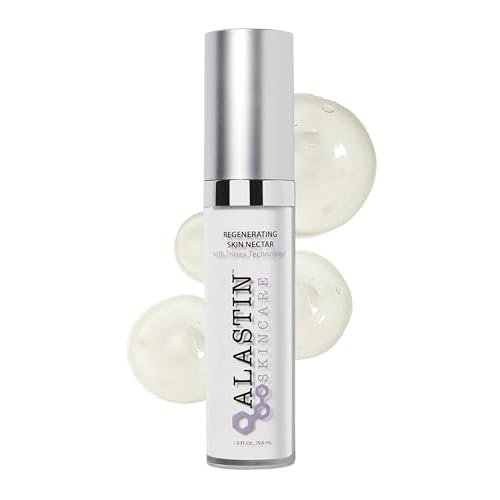

A face oil is mostly in the emollient and occlusive camp. That is useful, because slowing water loss is a big part of comfortable skin. But a pure oil has little water of its own, so it may feel nourishing without making dehydrated skin feel more hydrated.
Moisturizer vs. Face Oil: Who Does What
This table compares the typical jobs of each product type. Individual formulas vary, so read the ingredient list on whatever you use.
| Job | Typical moisturizer | Typical face oil |
|---|---|---|
| Adds or attracts water | Often, through humectants | Rarely |
| Softens the skin surface | Yes | Yes |
| Slows water loss | Depends on the formula | Yes, this is its main strength |
| Feel on skin | Lotion-like to rich cream | Slippery to silky, can feel greasy |
| Includes added skin-care actives | Sometimes | Sometimes, often plant extracts or fragrance |
The takeaway: oil does one important job well, but it does not cover everything a full moisturizer can. If you want to understand the texture side of this, our guide on the difference between lotion and cream is a useful companion.
The Moisture Sandwich: Why Order Matters
Many people get the best results from oil when it goes over something water-based, not on completely dry skin. Water first, oil to seal. That is the idea behind the layering below.


Visual: The Moisture Sandwich
Step 1: Damp skin
Gently pat your face after washing. Leave it slightly damp, not dripping.
Step 2: Water-based layer
A gentle hydrating serum, toner, or light lotion adds water-attracting ingredients.
Step 3: Oil to seal
Warm two to three drops between your palms and press lightly onto your face.
If you are unsure where a serum fits, our walkthrough on what goes on first, serum or moisturizer covers the order in more detail.
When Face Oil Alone May Be Enough
If your skin is normal, combination, or on the oilier side, and you simply want a light finishing layer, oil on its own may feel perfectly fine. Mild weather and a gentle cleanser also make this easier. Skin that only needs a little softness often does not need a thick cream.
The picture changes when skin feels tight after washing, looks flaky, or stings. Those signs often point to a weakened skin barrier or dehydration, where adding a water-based step usually matters more than adding more oil.
Skin Situations and What Often Works
Use this as a starting point, not a diagnosis. Your own skin may behave differently.
| Skin situation | Oil alone? | What to consider |
|---|---|---|
| Oily or combination | Possibly | Choose a light oil and use a small amount |
| Normal | Possibly | Works best over damp skin in mild weather |
| Dry or dehydrated | Often not enough | Add a water-based step underneath |
| Breakout-prone | Use caution | Some oils can clog pores for some people; patch test |
| Sensitive or reactive | Use caution | Fragrance and essential oils can irritate |
| Skin condition such as eczema or rosacea | Ask first | A dermatologist can advise what suits your skin |
Visual: Good Fit vs. Think Twice
Good fit for oil alone
- You want a light, soft finish
- Your skin feels comfortable after washing
- You are not prone to clogged pores
Think twice (Heads-Up)
- Skin feels tight or flaky
- You break out easily
- The product is heavily scented
When You Should Still Reach for Moisturizer
A moisturizer is usually the better primary step when your skin is dry, you are in cold or low-humidity air, or you use products that can leave skin feeling dry. It is also the more balanced choice when you are not sure what your skin needs, because it covers more bases at once.
There is a safety angle too. Face oils often skip the testing and ingredient transparency that people expect from simple, fragrance-free moisturizers, so it is worth reading labels closely. If you are curious about gentler ways to add comfort when you do not have a moisturizer on hand, see our guide on how to moisturize your face without moisturizer.
Visual: Quick Decision Path
Does skin feel tight or flaky?
Yes: use a water-based layer first, then oil if you like.
Do you break out easily?
Yes: patch test a light oil, or stay with a simple moisturizer.
Comfortable and fairly balanced?
Oil alone may work, especially at night.
How to Use Face Oil as Your Moisturizer
If you decide to try it, keep the routine simple and change one thing at a time. That way, if your skin reacts, you will know what caused it. Start with a few evenings a week before moving to every day.
A Simple Morning and Night Routine
The table below shows one way to organize it. Adjust to what your skin tolerates.
| Time | Steps | Notes |
|---|---|---|
| Morning | Gentle cleanse or rinse, light water-based layer, optional drop of oil, then sunscreen | Oil does not replace sunscreen |
| Evening | Cleanse, damp skin, water-based layer, two to three drops of oil | Oil tends to feel better at night |
| Days skin feels extra dry | Add a simple, fragrance-free moisturizer under the oil | Oil alone may not be enough |
Daytime deserves a quick word. Oil does not provide sun protection, so if you wear sunscreen, it still needs its own step. Our guide on what goes on first, moisturizer or sunscreen explains the order.
Visual: Before You Switch Checklist
[ ] Patch test. Dab a small amount behind the ear or on the jawline for a few days.
[ ] Read the label. Look for added fragrance or essential oils.
[ ] Start small. Two or three drops is usually plenty for the face.
[ ] Change one thing. Avoid adding new products at the same time.
Choosing a Face Oil: What to Check
Face oils are not all alike. Some are single plant oils, others are blends with fragrance or botanical extracts. Because ingredients and formulas change, check the manufacturer’s current ingredient list rather than relying on a general reputation for any one oil.
Label Checks That Matter
This table turns common label details into practical questions to ask.
| Label detail | Why it matters | What to do |
|---|---|---|
| Fragrance or essential oils | Can irritate some people | Look for fragrance-free if your skin is easily bothered |
| Short vs. long ingredient list | Fewer ingredients make reactions easier to trace | Consider a simple formula first |
| Weight and feel | Lighter oils tend to feel less heavy | Match the feel to your skin and the season |
| Packaging | Light and air can affect some oils over time | Keep it capped and follow the storage directions |
| Claims on the bottle | Big promises are not proof | Rely on ingredients and how your skin responds |
Product Types Worth Considering
These are general product types, not specific recommendations, because the right pick depends on your skin and the current formula. Check the details before buying.
| Product type | Best for | Trade-off | Browse |
|---|---|---|---|
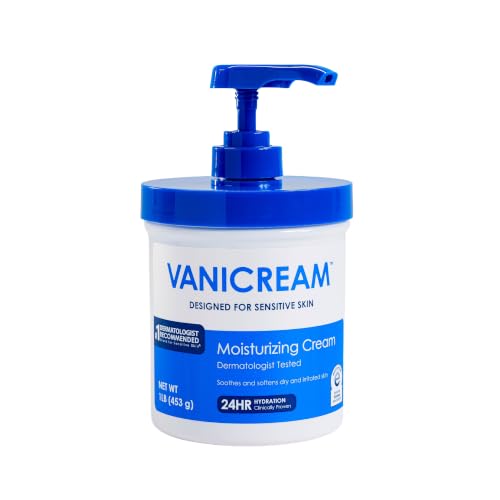
| Fragrance-free face moisturizer | A balanced base step | Texture varies widely between formulas | Check current details on Amazon |
| Lightweight face oil | Sealing in moisture as a last step | Adds little water on its own | Check current details on Amazon |
| Hydrating serum | The water-based layer under oil | An extra step in your routine | Check current details on Amazon |
If you are comparing richer textures, our explainer on ointment vs. cream shows how heavier formulas differ from oils.
Safety Note
Do not apply oil to broken, burned, or visibly irritated skin. Stop using a product if you notice burning, swelling, a rash, or lasting redness.
If you have a skin condition, are pregnant or postpartum, or are unsure about an ingredient, check with a qualified healthcare professional or dermatologist first.
Common Mistakes and Easy Fixes
Most trouble with face oil comes from small habits, not the oil itself. Here are the most common ones and what to try instead.
Mistake vs. Better Habit
Small adjustments often make oil feel much more comfortable.
| Common mistake | Why it causes trouble | Better habit |
|---|---|---|
| Using too much | Feels greasy and may sit on the surface | Start with two or three drops |
| Applying to bone-dry skin | Nothing for the oil to seal in | Use it over slightly damp skin |
| Skipping sunscreen in the day | Oil is not sun protection | Keep sunscreen as its own step |
| Trying many new products at once | Hard to find the cause of a reaction | Change one product at a time |
Visual: Quick Troubleshooting
Feels greasy
Use fewer drops and press in gently. Try a lighter oil.
Still feels tight
Add a water-based layer first. Oil alone may not be enough.
New breakouts or stinging
Stop using it. Ask a dermatologist if it continues.
Frequently Asked Questions
Can I use face oil instead of moisturizer every day?
Some people can, especially those with oily or combination skin. If your skin feels tight or dry, adding a water-based product underneath is usually more comfortable.
Does face oil hydrate skin?
Mostly, it helps slow water loss rather than adding water. For hydration, many people layer oil over a water-based serum or lotion.
Should face oil go before or after moisturizer?
Most routines put oil after moisturizer, since oil can form a seal on top. Follow the directions on your products if they say otherwise.
Can face oil clog pores?
Some oils may clog pores for some people. If you are breakout-prone, patch test first and stop if you notice new bumps.
Can face oil replace sunscreen?
No. Face oil is not sun protection, so sunscreen still needs its own step in the daytime.
Final Thoughts
Face oil can stand in for moisturizer in some situations, but it works best as a sealing step rather than a full replacement. The most useful habit is simple: put oil over slightly damp skin, add a water-based layer when your skin feels dry, and keep sunscreen separate in the daytime.
Every skin type reacts differently, so patch test, watch how your skin responds, and keep your routine simple. If you have a skin condition, are pregnant, or notice ongoing irritation, check with a healthcare professional or dermatologist before making changes.