
By Ryan Mitchell
Last updated: October 24, 2026
As an Amazon Associate, we earn from qualifying purchases.
Quick Answer: Feeling sleepy but unable to fall asleep often happens when the body is tired while the mind or nervous system stays alert. Stress, evening screens, late caffeine, irregular schedules, or a learned association between bed and wakefulness can keep sleep from coming even when energy feels low.
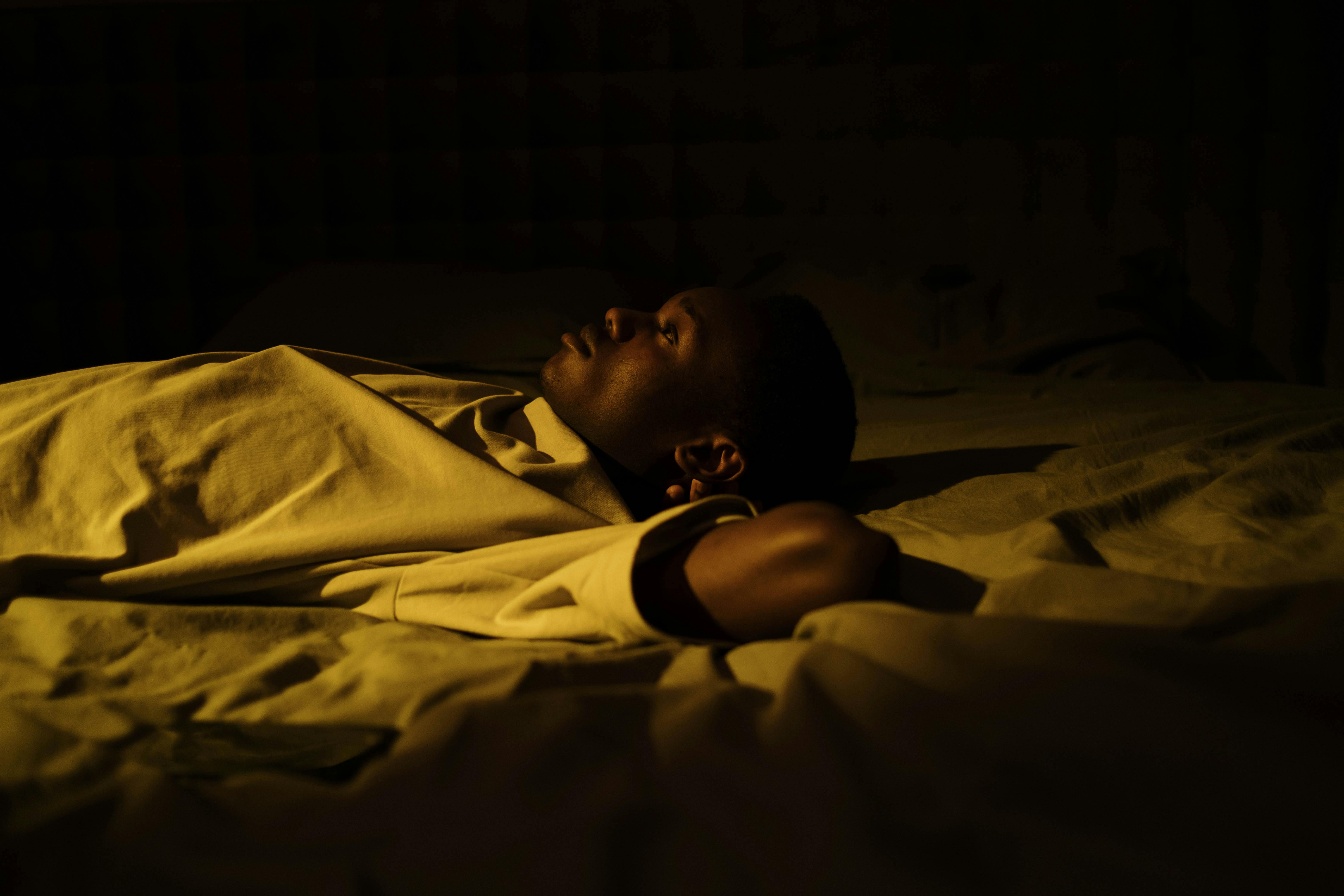
You know the feeling: your eyes are heavy, your body is ready to rest, yet the moment your head touches the pillow your mind stays wide awake. Many people experience this “tired but wired” pattern. It is frustrating, common, and usually has identifiable contributors rather than a single mysterious cause.
This article explains the main reasons some people feel sleepy but cannot fall asleep, what the difference is between fatigue and true sleepiness, and practical steps that may support a calmer transition into rest. The goal is clarity and realistic habits—not quick fixes or promises.
Key Takeaways
- Fatigue (low energy) and sleepiness (the biological urge to sleep) are not the same; one can be high while the other is blocked.
- Hyperarousal, racing thoughts, caffeine timing, light exposure, and conditioned bed-wakefulness are frequent drivers.
- Small, consistent changes to evening habits and sleep environment often help more than trying harder to force sleep.
- Persistent or severe difficulty falling asleep deserves a conversation with a qualified healthcare professional.
Why Sleepiness and Falling Asleep Are Not Always Linked
Sleep is regulated by two main systems that normally work together. One is sleep drive, which builds through the day as a chemical called adenosine accumulates. The other is the circadian system, your internal clock that times alertness and rest according to light and daily patterns.
When these systems are out of step—or when stress hormones or mental activity stay elevated—you can feel physically drained yet remain alert. The body may signal “I need recovery,” while the brain continues to scan for problems, plan the next day, or respond to residual stimulation from caffeine or screens.
This mismatch helps explain why some people doze on the couch but feel wide awake the moment they get into bed. The change of context can trigger a different state of arousal.
Fatigue vs. Sleepiness at a Glance
Fatigue
Low energy, heavy limbs, mental fog. Can exist without a strong urge to fall asleep.
Sleepiness
Biological drive to sleep, often felt as eyelid heaviness or nodding. More closely tied to falling asleep.
Common Reasons People Feel Sleepy but Stay Awake
Several overlapping factors frequently contribute. Understanding which ones fit your pattern makes it easier to choose useful next steps.
Hyperarousal and the “Tired but Wired” State
Hyperarousal describes a nervous system that stays in a heightened alert mode. Stress hormones such as cortisol can remain higher than usual in the evening. The result is a body that feels worn out while the mind stays ready for action. Racing thoughts, replaying conversations, or worrying about the next day are common signs.
This pattern is closely related to stress and anxiety. It can also become self-reinforcing: the more you worry about not sleeping, the more alert the system becomes. Related reading on how stress interacts with rest appears in our guide on how stress affects your sleep cycle.
Conditioned Arousal: When Bed Becomes Linked to Being Awake
After repeated nights of lying awake, the brain can learn to associate the bed with frustration and alertness rather than sleep. You may feel sleepy earlier in the evening or on the sofa, then become more awake the moment you enter the bedroom. Sleep researchers call this conditioned arousal or stimulus control issues.
Breaking the association usually involves using the bed mainly for sleep and stepping away for a short, calm activity if sleep does not come within a reasonable time, then returning when sleepiness returns.
Caffeine, Alcohol, and Timing
Caffeine blocks adenosine, the chemical that builds sleep drive. Its effects can last many hours. An afternoon coffee or tea may still influence bedtime alertness for some people. Alcohol can make you feel drowsy at first yet fragment sleep later and reduce overall sleep quality.
Checking the timing of stimulants and alcohol relative to your intended bedtime is one of the simplest experiments many people can try.
Evening Light and Screens
Bright light, especially blue-enriched light from phones, tablets, and computers, can delay the body’s natural melatonin rise and keep the circadian system in “day” mode. Scrolling or working under bright screens close to bedtime is a frequent contributor to delayed sleep onset.
Dimmer light and reduced screen time in the hour before bed support the natural wind-down process for many people. More on light and timing appears in our overview of how daylight exposure affects sleep timing.
Irregular Schedules and Napping
Going to bed and waking at widely different times, or taking long or late naps, can weaken the clarity of the sleep drive and circadian signals. The body receives mixed cues about when rest should occur. Consistency is often more helpful than trying to “catch up” with long weekend sleep.
Shift work and jet lag create similar temporary mismatches. For a deeper look at the internal clock, see how circadian rhythm affects sleep quality.
Common Triggers Decision Path
Mind racing?
Consider stress load, worry about sleep itself, or evening mental stimulation.
Sleepy on sofa, alert in bed?
Possible conditioned arousal—bed has become linked to wakefulness.
Caffeine after midday?
Timing may still affect evening alertness for many people.
Bright screens late?
Light can delay the natural wind-down signal.
Practical Ways to Support Falling Asleep When You Feel Tired
No single habit works for everyone. The steps below focus on reducing unnecessary arousal and strengthening clear sleep cues. They are general wellness practices, not medical treatment.
Build a Predictable Wind-Down Window
Aim for 30–60 minutes of quieter, lower-stimulation activity before the time you want to sleep. Dim the lights, put screens aside or use night modes, and choose low-demand activities such as light reading, gentle stretching, or quiet conversation. Consistency matters more than perfection.
Keep the Bed for Sleep
If you regularly lie awake for more than about 20–30 minutes, it can help to get up, move to another dimly lit space, and do something calm and non-stimulating until sleepiness returns. Then go back to bed. This approach supports the idea that bed is a place for sleep rather than prolonged frustration.
Review Caffeine and Alcohol Cutoffs
Many people notice improvement when they stop caffeine by early afternoon and limit alcohol close to bedtime. Individual sensitivity varies, so personal experimentation within safe limits is useful.
Support a Cooler, Darker, Quieter Sleep Space
A slightly cooler room, effective blackout or an eye mask, and reduced noise can lower sensory load. Some people find a consistent background sound helpful; others prefer silence. Core body temperature naturally drops as part of the sleep process; supporting that drop can feel more comfortable for some. See also how body temperature affects sleep.
Simple Evening Checklist
- Dim lights 60–90 minutes before target bedtime
- Put work and high-stimulation content away
- Check that the room feels comfortably cool and dark
- Keep the bed free of phones and work materials when possible
- If still awake after a reasonable time, briefly leave the bed for a calm activity
When Everyday Habits May Not Be Enough
Occasional difficulty falling asleep is common. When the pattern continues most nights, affects daytime function, mood, or safety (such as driving), or is accompanied by other symptoms, it is worth speaking with a healthcare professional. Underlying factors can include anxiety, depression, pain, certain medications, sleep apnea, restless legs, or other medical conditions.
Pregnant or postpartum readers, people with chronic health conditions, or those taking medications that affect sleep should check with their clinician before making significant changes or trying new products.
Cognitive behavioral approaches specifically designed for insomnia (often called CBT-I) are frequently recommended by clinicians for persistent sleep-onset problems. These are structured programs rather than general lifestyle tips and are best discussed with a qualified provider.
Safety Note
This article offers general information about common sleep experiences. It is not a diagnosis or personal medical advice. If sleep problems are frequent, worsening, or affect your daily life, talk with a qualified healthcare professional. Seek urgent care for severe symptoms, thoughts of self-harm, or sudden concerning changes in health.
Helpful Product Categories Some People Consider
Certain everyday comfort items are popular among people who want to reduce sensory distractions or create a more consistent wind-down environment. These are not treatments and results vary. Always follow manufacturer instructions and check with a clinician if you have health concerns.
Common categories include:
- Sleep masks — may help block residual light.
- White-noise or sound machines — may mask irregular household or outdoor sounds for some users.
- Weighted blankets — some people find the gentle pressure comforting; others find them too warm or restrictive. Not suitable for everyone (especially young children or people with certain medical conditions).
- Eye-friendly lighting — warm, dimmable bulbs for the evening hours.
You can browse current options on Amazon using search terms such as “sleep mask,” “white noise machine,” or “weighted blanket.” Always review current product details, safety notes, and suitability for your situation: sleep masks on Amazon · white noise machines · weighted blankets.
Comparison of Common Comfort Approaches
The table below summarizes general characteristics. Individual response differs, and none of these replace medical care when needed.
| Approach | May Suit | Points to Consider |
|---|---|---|
| Consistent wind-down routine | Most people | Requires patience; results build over days to weeks |
| Dim light / reduced screens | People sensitive to evening light | May feel restrictive at first |
| Sleep mask | Light sleepers, shared rooms | Fit and breathability matter |
| Sound masking | Noise-sensitive environments | Some prefer silence; volume should stay comfortable |
| Weighted blanket | Those who like gentle pressure | Can feel warm; not for all ages or conditions |
Problem–Likely Contributor–Next Step
Use this as a quick orientation, not a diagnostic tool.
| What You Notice | Possible Contributor | Practical Next Step |
|---|---|---|
| Mind races the moment you lie down | Hyperarousal / residual stress | Earlier wind-down; brief daytime worry time |
| Sleepy on couch, alert in bed | Conditioned arousal | Leave bed if awake too long; return when sleepy |
| Harder after afternoon coffee | Caffeine timing | Move cutoff earlier and observe for a week |
| Phone use right up to lights-out | Light + mental stimulation | Dim screens 60+ minutes earlier |
| Very irregular bed and wake times | Circadian mismatch | Stabilize wake time first, then bedtime |
Who May Benefit from Extra Caution
Certain groups should treat sleep changes and any new products with extra care.
| Group | Why Extra Care Matters |
|---|---|
| Pregnant or postpartum | Hormone shifts and safety of any product or supplement need professional input |
| People with anxiety or mood concerns | Sleep and mental health often interact; coordinated care is wise |
| Those with chronic pain or medical conditions | Underlying factors may need direct attention |
| Anyone considering weighted products | Weight, heat, and mobility considerations vary widely |
Correct Use vs. Common Mistakes
Small adjustments in approach can change the experience.
| Helpful Approach | Common Mistake |
|---|---|
| Leave bed if awake and return when sleepy | Staying in bed for hours while frustrated |
| Consistent wake time most days | Large weekend “catch-up” shifts |
| Earlier caffeine cutoff | Assuming afternoon coffee has no effect |
| Low-stimulation wind-down | Intense work or news right until bedtime |
Sample Timing Framework (Illustrative)
This is an example framework, not a rigid prescription. Adjust to your own schedule and needs.
| Time Relative to Bed | Focus |
|---|---|
| 6–8 hours before | Last significant caffeine for many people |
| 2–3 hours before | Finish heavier meals; begin quieter activities |
| 60–90 minutes before | Dim lights, reduce screens, start wind-down |
| At lights-out | Bed for sleep; if awake long, briefly leave and return later |
Illustrative Arousal Meter (not research data)
Lower
Calm wind-down
Moderate
Mild residual thoughts
Higher
Racing mind / stress
The aim of evening habits is generally to move toward the lower end of the scale before bed.
Suitable vs. Caution Cards
Often Reasonable
- Stable wake time
- Dim evening light
- Brief step-away if awake too long
- Cooler, darker room
Use Caution / Check First
- New supplements or strong herbs
- Weighted products with health conditions
- Major schedule changes without guidance
- Ignoring persistent daytime impairment
Gentle Troubleshooting Tree
Still awake after ~20–30 minutes? → Leave the bed for a quiet, dim activity.
Mind still racing? → Note the worry for daytime review; return to simple breathing or a calm task.
Pattern most nights for weeks? → Consider speaking with a clinician about structured approaches.
Daytime function suffering? → Prioritize professional input sooner rather than later.
Frequently Asked Questions
Why do I feel sleepy on the couch but wide awake in bed?
This often reflects conditioned arousal: after repeated nights of lying awake, the bed itself becomes a cue for alertness. The sofa carries different associations. Using the bed mainly for sleep and briefly leaving it when sleep does not come can help retrain the association over time.
Is “tired but wired” a real thing?
Yes. Many people experience physical fatigue while the nervous system remains in a higher-alert state. Stress, residual caffeine, evening light, and mental activity commonly contribute. It is a description of a state, not a formal diagnosis on its own.
How long should I try lifestyle changes before seeing a doctor?
If sleep difficulty occurs most nights for several weeks, affects mood, concentration, or safety, or is accompanied by other concerning symptoms, it is reasonable to seek professional advice sooner. There is no single required waiting period.
Can napping during the day make nighttime sleep harder?
Long or late naps can reduce the natural sleep drive that builds through the day. Short, earlier naps are less likely to interfere for many people, but individual responses differ.
Do sleep products actually help people fall asleep faster?
Some people find that reducing light, noise, or sensory distraction makes the transition feel easier. Products are comfort tools, not guaranteed solutions. Suitability and results vary widely; always review safety guidance for any item you consider.
When should I worry that something more serious is going on?
Seek professional input if difficulty falling asleep is frequent and prolonged, if you feel excessively sleepy or impaired during the day, if you snore heavily or stop breathing at night (as reported by others), or if mood, pain, or other symptoms are also present. Urgent care is appropriate for severe or sudden concerning changes.
Final Thoughts
Feeling sleepy yet unable to fall asleep is a common and understandable experience. It often reflects a temporary mismatch between physical tiredness and a still-alert mind or nervous system. Stress, timing of caffeine and light, irregular schedules, and learned associations with the bed are among the most frequent contributors.
Practical steps that support clearer wind-down cues and lower evening arousal can help many people over time. Patience and consistency matter more than perfection. If the pattern persists, interferes with daily life, or raises other health questions, a conversation with a qualified healthcare professional is the safest and most useful next step.
Gentle habits, realistic expectations, and timely professional input when needed form a solid foundation for better nights.