
By Ryan Mitchell
Last updated: October 24, 2026
As an Amazon Associate, we earn from qualifying purchases.
Quick Answer: Sleep reactivity is the degree to which stress or other challenges disrupt your ability to fall and stay asleep. Higher reactivity means sleep is more easily thrown off and slower to recover, which can raise the chance of lasting sleep trouble.
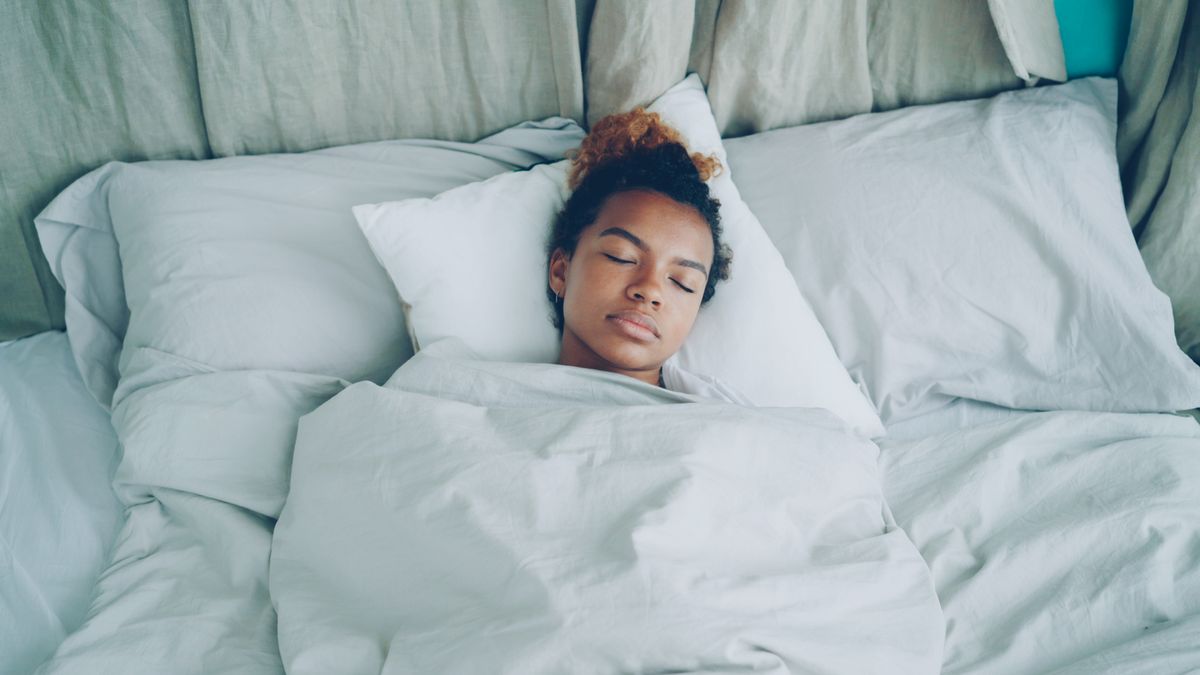
Most people notice that a hard day, an upcoming presentation, or a late caffeine drink can make sleep feel lighter or slower to start. For some, the effect is mild and short. For others, the same trigger produces a much stronger reaction that lingers. That difference is what researchers call sleep reactivity.
Understanding sleep reactivity helps explain why two people can face the same stress yet experience very different nights. It also points toward practical steps that may support more stable rest without promising a cure or guaranteeing results.
Key Takeaways
- Sleep reactivity is a relatively stable trait describing how strongly stress disrupts sleep.
- High reactivity is linked with greater risk of developing insomnia after stressful periods.
- Common challenges such as caffeine, schedule shifts, and worry can reveal the pattern.
- Simple wind-down habits and stress-support practices may help the sleep system settle more readily.
What Sleep Reactivity Actually Means
Sleep reactivity refers to the tendency of the sleep system to become disrupted when a person encounters stress or other sleep challenges. It is described as trait-like: the pattern tends to stay relatively consistent over time and across different kinds of triggers.
Everyone can have a restless night after a major upset. The difference appears in the intensity and duration of the disruption. People with lower reactivity may experience only mild, short-lived changes. People with higher reactivity often report clearer difficulty falling asleep, more night-time awakenings, and a slower return to their usual pattern once the stress eases.
Researchers have measured this tendency with questionnaires that ask how likely a person is to have sleep trouble in everyday stressful situations, such as before an important meeting, after an argument, or after receiving bad news. Higher scores on these measures have been linked with greater risk of later insomnia symptoms.
Lower reactivity
Mild, brief sleep changes that usually settle once the stressor passes.
Higher reactivity
Stronger difficulty falling or staying asleep that can continue after the stress ends.
Why Sleep Reactivity Matters
High sleep reactivity does not mean a person already has insomnia. Many highly reactive sleepers still sleep well most nights. The concern is vulnerability: when stress arrives, the sleep system is more likely to tip into lasting difficulty.
Prospective studies have found that people who score higher on sleep-reactivity measures are more likely to develop acute insomnia after stressful periods and, in some cases, to progress toward more persistent symptoms. The pattern has also been examined in relation to mood and anxiety concerns that often travel with ongoing sleep disruption.
Because the trait can be identified before chronic insomnia develops, it offers a practical early window. Supporting sleep stability and reducing unnecessary challenges may help lower the chance that temporary stress turns into a longer struggle.
Common Triggers That Reveal Reactivity
Certain everyday challenges tend to highlight differences in sleep reactivity:
| Trigger | Typical effect on sleep | Why it can matter |
|---|---|---|
| Upcoming important event | Trouble falling asleep the night before | Anticipatory arousal is common |
| Stressful day or argument | More awakenings or lighter sleep | Emotional residue can linger |
| Caffeine later in the day | Delayed sleep onset for some | Sensitivity varies widely |
| Schedule or environment change | First-night or travel disruption | Novel settings challenge the system |
| Worry or rumination at bedtime | Racing thoughts that delay sleep | Cognitive arousal is a key pathway |
Not every trigger affects every person the same way. The table simply shows common patterns that research has used to map individual differences.
How Sleep Reactivity Connects to Insomnia Risk
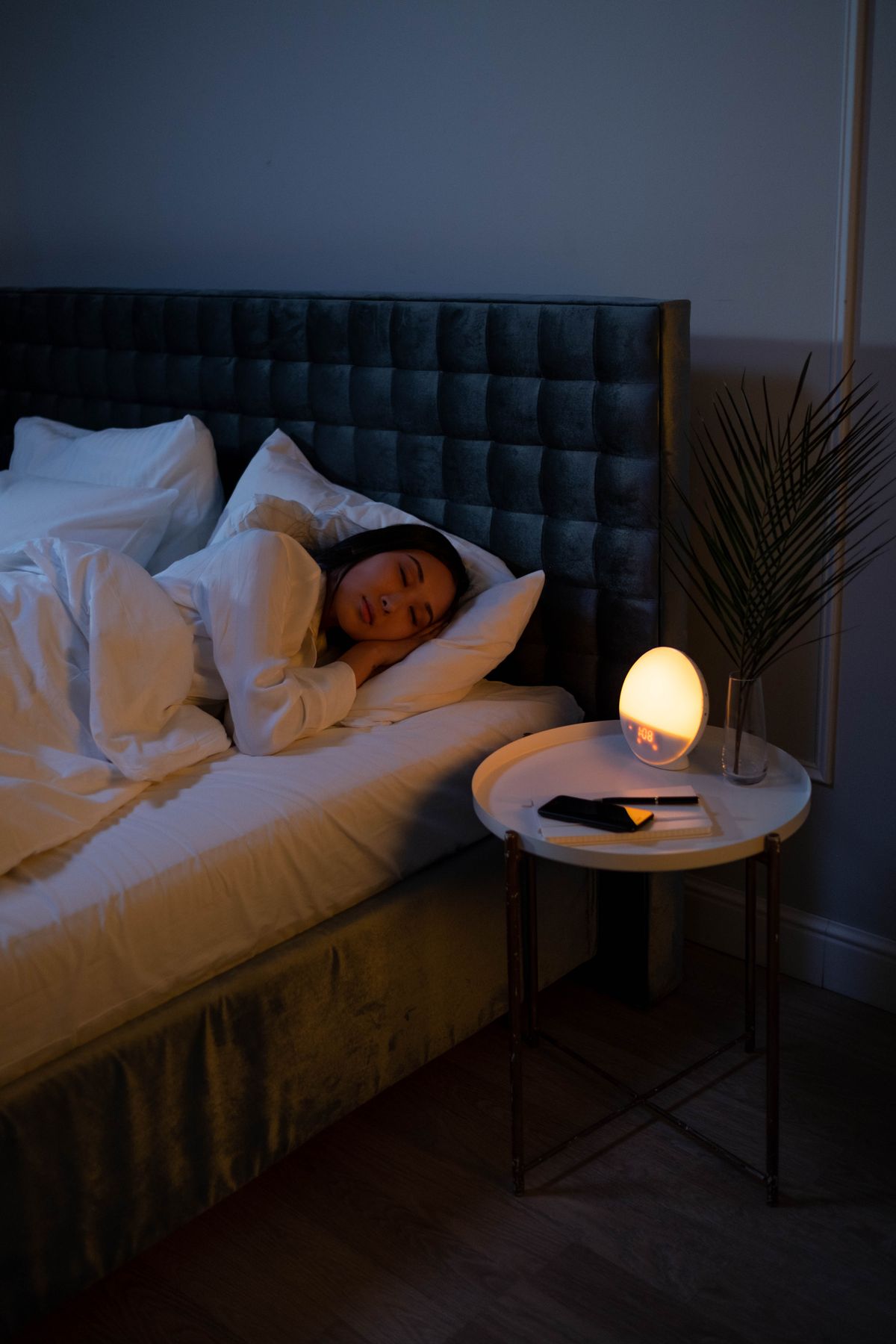
Sleep researchers often describe insomnia using a stress-diathesis idea: a preexisting vulnerability (the diathesis) interacts with a precipitating stressor. Sleep reactivity is one form of that vulnerability focused specifically on the sleep system.
When reactivity is high, even moderate stress can produce acute sleep disruption. If the disruption is then maintained by worry about sleep, irregular schedules, or prolonged time in bed, the problem can become more entrenched. Early intervention during the acute phase appears more helpful than waiting until habits and fears are firmly established.
Illustrative pathway (not a research diagram)
This sequence is simplified for clarity. Many people recover fully without developing chronic insomnia.
Who May Notice Higher Reactivity
Certain factors have been associated with higher sleep reactivity in research, though none of them guarantee a particular outcome:
| Factor | Observation | Practical note |
|---|---|---|
| Family history of insomnia | Often higher scores reported | Genetics and shared environment both play roles |
| Female sex | Higher average reactivity in some studies | Individual variation remains large |
| Tendency toward worry or arousal | Stronger link with sleep disruption | Cognitive habits can amplify the pattern |
| Prior stressful periods | May sensitize the system for some people | Recovery is still common |
These associations are group-level findings. They do not diagnose or predict any single person’s future.
Practical Ways to Support a More Resilient Sleep System
No single habit eliminates sleep reactivity. The goal is to reduce unnecessary challenges and give the sleep system more consistent conditions so stress has less power to disrupt it.
Evening preparation checklist
- Keep caffeine earlier in the day if you notice sensitivity.
- Dim bright screens and overhead lights in the last hour before bed.
- Allow a short wind-down period without problem-solving or news.
- Keep the bedroom cool, dark, and quiet when possible.
- If sleep does not come within a reasonable time, leave the bed briefly and return when sleepy.
Daytime Habits That May Help
| Habit | Why it can support sleep | Caveat |
|---|---|---|
| Consistent wake time | Anchors the body clock | Flexibility is still needed on occasion |
| Daylight exposure early | Supports timing of sleep pressure | Not a substitute for medical care |
| Moderate daytime movement | May reduce residual tension | Intense late exercise can delay sleep for some |
| Brief stress-recovery breaks | Lowers the day’s arousal load | Does not remove major life stressors |
Gentle evening routines such as short walks, quiet reading, or light stretching may also help some people feel more settled. For ideas on simple recovery steps after a demanding day, see related guidance on stress recovery practices.
Tools Some People Use for Comfort
Certain products are commonly chosen to support a calmer sleep environment. They do not treat sleep disorders and results vary:
| Product type | Possible role | Who may want to check first |
|---|---|---|
| White-noise or sound machine | Masks irregular household sounds | Anyone sensitive to continuous sound |
| Weighted blanket (appropriate weight) | May provide a sense of steady pressure for some | Respiratory or circulatory concerns; follow product guidance |
| Eye mask or blackout options | Reduces light intrusion | Generally low concern for most adults |
| Simple massage tool for shoulders/neck | May ease daytime muscle tension that carries into evening | Injury, skin irritation, or medical devices |
If you explore options, check current product details on Amazon. One starting point for sound devices is a general search for white noise machines. For comfort blankets, browse weighted blankets and review weight recommendations carefully.
Suitable-use versus caution cards
Often reasonable for many adults
Consistent schedule, earlier caffeine cutoff, quieter evenings, moderate daytime activity.
Check with a clinician first
Ongoing insomnia, pregnancy, recent injury or surgery, breathing or heart concerns, or any new device use.
Mistakes That Can Keep Sleep Unsettled
Some well-intentioned responses can unintentionally maintain sleep difficulty:
| Common response | Why it may backfire | Gentler alternative |
|---|---|---|
| Spending extra hours in bed to “catch up” | Can fragment sleep further | Keep a more consistent window |
| Clock-watching and calculating lost sleep | Increases arousal and frustration | Turn the clock away if possible |
| Trying to force sleep with intense effort | Effort itself can keep the system alert | Allow rest without demanding sleep |
| Late heavy meals or alcohol as a “relaxant” | Often disrupts later sleep stages | Lighter evening intake when practical |
Simple decision path when a night goes poorly
- Notice the disruption without judgment.
- Keep the next day’s wake time roughly stable if possible.
- Avoid compensating with long daytime naps or earlier bedtime the next night.
- If patterns continue for weeks and affect daytime function, speak with a qualified clinician.
Safety Note
When to seek professional guidance
Persistent difficulty falling or staying asleep that affects daytime energy, mood, or safety deserves evaluation. People who are pregnant, have breathing or heart conditions, use sleep-related devices, or take medications that affect alertness should check with a qualified healthcare professional before making major changes to sleep routines or trying new products.
This article is educational and does not diagnose or treat any condition.
FAQ
Is sleep reactivity the same as insomnia?
No. Sleep reactivity describes how strongly stress tends to disrupt sleep. Insomnia is a clinical pattern of ongoing difficulty with sleep that causes daytime impairment. High reactivity raises the chance of developing insomnia after stress, but many people with higher reactivity still sleep adequately most of the time.
Can sleep reactivity change over time?
It is generally described as relatively stable, yet life experiences, ongoing stress, and targeted behavioral approaches may influence how strongly the pattern shows up. Early support during acute sleep disruption appears more helpful than waiting for problems to become chronic.
How is sleep reactivity usually measured?
Researchers often use brief self-report questionnaires that ask how likely a person is to experience sleep trouble in common stressful situations. These tools help identify relative vulnerability; they are not a diagnosis on their own.
Does high sleep reactivity mean I will definitely develop insomnia?
No. Higher reactivity increases statistical risk after stress, but many people recover fully. Protective factors such as stable routines, lower evening arousal, and timely support can make a meaningful difference.
What is the most useful first step if stress is affecting my sleep?
Protect a consistent wake time, reduce late stimulants, and create a short, low-demand wind-down. If sleep problems persist for weeks and interfere with daily life, consult a clinician familiar with sleep concerns.
Are products like weighted blankets or sound machines proven treatments?
They are comfort tools that some people find helpful for creating a quieter or more settled environment. They are not medical treatments for insomnia or sleep disorders. Always review product guidance and personal health factors before use.
Final Thoughts
Sleep reactivity helps explain why the same stressful day can leave one person sleeping reasonably well and another wide awake. Recognizing the pattern is useful because it shifts attention from self-blame toward practical support: steadier schedules, lower evening arousal, and earlier help when disruption starts to last.
No single strategy works for everyone, and lasting sleep problems deserve professional attention. Small, consistent steps that protect the conditions for sleep remain the most realistic place to begin.

