
By Ryan Mitchell
Last updated: October 24, 2026
As an Amazon Associate, we earn from qualifying purchases.
Quick Answer: You can track sleep patterns without a wearable by keeping a simple morning sleep diary, using a phone app on the nightstand, or noting bedtime and wake time consistently for two weeks. Focus on trends—not perfect nightly scores—and talk with a clinician if sleep problems affect your days.
Many people want a clearer picture of their sleep but prefer not to wear a watch, ring, or band at night. A wearable can feel bulky, need charging, or simply interrupt rest. The good news is that useful pattern tracking does not require anything on your body.
This guide walks through practical, low-friction methods—pen-and-paper diaries, phone-based tools, and a few contactless options—so you can spot trends in timing, consistency, and how rested you feel. Everything here stays focused on everyday observation, not medical diagnosis.
Key Takeaways
- A two-week sleep diary is still one of the most useful starting tools.
- Phone apps can estimate movement and sound from the nightstand; treat single-night scores lightly.
- Look for patterns over time rather than chasing a perfect number each morning.
- Persistent daytime sleepiness, loud snoring with gasping, or major life disruption deserves a conversation with a healthcare professional.
Why Track Sleep Without a Wearable?
Some people find wearables uncomfortable or distracting. Others share a bed and prefer not to introduce another glowing or vibrating device. Tracking without something on the body removes charging anxiety and the feeling of being “monitored” while trying to rest.
The goal is not clinical precision. Everyday tracking helps you notice whether your bedtime drifts later on weeknights, whether caffeine after mid-afternoon lines up with longer time to fall asleep, or whether a more consistent wake time leaves you feeling clearer. That information supports small, realistic adjustments.
What Everyday Tracking Can (and Cannot) Show
Useful signals
Bedtime and wake consistency, rough total time in bed, how rested you feel, links to caffeine or late screens.
Limitations
Exact sleep stages, medical diagnosis of apnea or insomnia, and night-by-night “scores” that replace how you actually feel.
Method 1: The Classic Sleep Diary
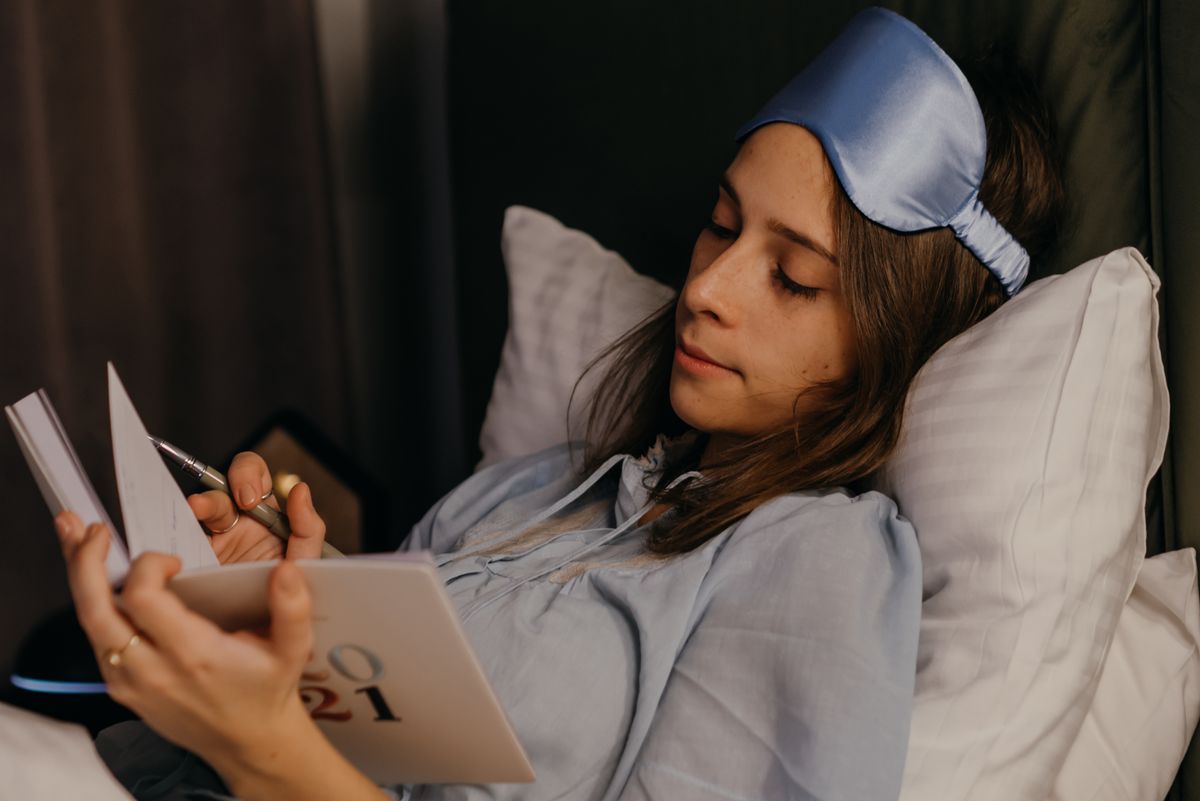
A paper or digital sleep diary remains a foundation used in many sleep-habit programs. It captures what sensors often miss: how you felt, what you did before bed, and subjective restfulness.
Keep the notebook or notes app within reach of the bed. Fill it in within about an hour of waking while memory is freshest. Estimates are expected; perfection is not required.
What to Record Each Morning
| Item | Why it helps | Simple tip |
|---|---|---|
| Time you got into bed | Shows opportunity window | Note “intention to sleep” |
| Estimated time to fall asleep | Flags long latency trends | Use 5–10 min ranges |
| Night awakenings (number / rough length) | Highlights fragmentation | Do not clock-watch at night |
| Final wake and out-of-bed time | Reveals schedule drift | Keep wake time steadier first |
| Restedness rating (1–5) | Links data to how you feel | Rate within first hour |
| Caffeine, alcohol, naps, late screens | Context for patterns | One short note is enough |
After seven to fourteen days you can roughly estimate time in bed versus estimated sleep and notice whether efficiency feels low on certain nights. This is observation, not a lab result.
Two-Week Diary Starter Checklist
- Place a notebook and pen (or notes app) by the bed tonight.
- Set a gentle morning reminder for the same window each day.
- Log only the six items above—keep it under two minutes.
- Review the full two weeks before changing more than one habit.
- If daytime function suffers, share the log with a clinician.
Method 2: Phone Apps on the Nightstand
Most smartphones already contain a microphone and motion sensors. Many free or freemium apps use those sensors from the bedside table (or, for some, placed on the mattress) to estimate movement, breathing sounds, and approximate sleep windows.
Accuracy varies. Apps are generally better at spotting big patterns—longer or shorter nights, more restless periods—than at labeling exact deep or REM minutes the way a clinical study would. Treat the morning summary as a trend hint, not a verdict.
Phone Placement Options Compared
| Placement | Typical signals | Practical note |
|---|---|---|
| Nightstand (out of reach) | Sound, ambient noise | Reduces late scrolling risk |
| On mattress near pillow | Motion + sound | May feel more intrusive |
| Manual log only (no sensors) | Your own timestamps | Zero battery or privacy concerns from recording |
Phone-App Decision Path
Want zero extra cost?
Start with a free diary-style app or notes template.
Curious about sound?
Try a nightstand microphone mode and review a week of trends.
Privacy first?
Prefer apps that process on-device or use pure manual logging.
If you choose an app that records sound, read the privacy settings carefully. Many people prefer to keep the phone out of arm’s reach so the tracking habit does not become another reason to check screens at night.
Method 3: Simple Timing and Consistency Logs
You do not need stages or scores. Logging only the time you intend to sleep and the time you actually get up can reveal powerful patterns. Consistency of wake time often matters more for daytime alertness than perfect bedtime on every single night.
Minimal Log vs Fuller Diary
| Approach | Best for | Trade-off |
|---|---|---|
| Bedtime + wake time only | Building a steady schedule | Less context on causes |
| Full morning diary | Linking habits to restedness | Slightly more daily effort |
| Weekly review only | Busy schedules | May miss short-term shifts |
Illustrative Consistency Meter (example only, not research data)
Wake time varies by less than 30 minutes most days → stronger daily rhythm signal.
Wake time swings more than 90 minutes several times a week → worth testing a steadier morning anchor.
This is a practical illustration to help you notice your own pattern, not a clinical cutoff.
Optional Contactless Tools (If You Want More Automation)
If you later decide you want automatic data without wearing anything, under-mattress pads and some bedside radar or smart-display features exist. These sit under the mattress or on a nightstand and estimate movement, breathing, or presence. They still do not replace a medical evaluation when symptoms are significant.
Because models and features change, always check the manufacturer’s current specifications and privacy policy before buying. For many people a free diary plus a phone app is enough to surface useful patterns.

Turning Numbers into Useful Insights
Data becomes helpful when it answers a real question: “Do I sleep longer on nights I stop screens earlier?” or “Does a fixed wake time leave me less foggy?” Review weekly rather than reacting to every morning summary.
Common Pattern vs Possible Next Step
| What you notice | Possible everyday step | When to seek help |
|---|---|---|
| Bedtime drifts later on weeknights | Set a gentle wind-down alarm 45 min earlier | If you cannot stay awake for needed activities |
| Long time to fall asleep most nights | Keep lights dimmer and screens out of bed | If it lasts weeks and affects mood or work |
| Frequent awakenings noted | Check caffeine timing and room temperature | Loud snoring, gasping, or witnessed pauses |
| Low restedness despite enough hours | Protect a consistent wake time for two weeks | Daytime sleepiness that feels unsafe (driving, etc.) |
Weekly Review Routine (About 10 Minutes)
- Scan the seven days for the most consistent wake time.
- Note any night that felt especially poor and what preceded it.
- Choose one small change for the coming week only.
- Ignore single-night scores that do not match how you felt.
Helpful Tools You Can Keep Simple
A basic notebook designed for daily logs or a plain composition book works well. Some people prefer a dedicated sleep journal with pre-printed fields so the morning entry stays short. If you shop for one, look for pages that include bedtime, wake time, and a restedness scale rather than complicated charts you will skip.
Browse sleep journal notebooks on Amazon and choose one that feels easy to open every morning. Check current details and page layout before purchasing.
Notebook vs App vs Hybrid
| Tool type | Strength | Watch-out |
|---|---|---|
| Paper sleep journal | No battery, no notifications | Easy to forget if not by the bed |
| Phone diary app | Timestamps and simple charts | Temptation to open other apps |
| Hybrid (paper + weekly phone summary) | Combines feel and overview | Slightly more process |
Tip: Related reading on how daily habits influence rest appears in guides such as wellness massage at home and stress-related sleep discussions on the site. Choose habits that fit your schedule rather than adding pressure.
Safety Note and When Tracking Is Not Enough
Everyday tracking is for pattern awareness. It does not diagnose sleep apnea, insomnia, or other conditions. If you or a bed partner notice loud snoring with gasping or choking, long breathing pauses, or if daytime sleepiness interferes with driving, work, or mood, speak with a qualified healthcare professional. The same applies if sleep problems are new after starting a medication, during pregnancy, or after a major health change.
Stop any routine that increases anxiety about sleep. Some people become more focused on scores than on rest; in that case a simpler diary or even a temporary break from tracking can be the healthier choice.
Heads-Up: Groups Who May Need Extra Care
If you are pregnant, have a recent injury or surgery, live with a chronic condition that affects breathing or circulation, or care for a child with sleep concerns, check with a clinician before relying on any tracking method or making major schedule changes. Tracking is supportive information, not treatment.
Mistakes That Reduce the Value of Tracking
| Common mistake | Better approach |
|---|---|
| Changing five habits at once after one bad night | Test one change for a full week |
| Clock-watching during the night | Estimate in the morning; turn the clock away |
| Trusting a single app score over how you feel | Weight the restedness rating and daytime function higher |
| Leaving the phone in bed for tracking | Prefer nightstand placement when possible |
Simple Evening Wind-Down Pairing
Once tracking is underway, pair it with one calm cue: dim lights, a short stretch, or a few minutes of quiet reading. The goal is to make bedtime feel predictable, not perfect. Avoid adding complicated new rituals that create pressure.
FAQ
Can I track sleep stages without a wearable?
How long should I keep a sleep diary?
Is a phone on the nightstand accurate enough?
What if tracking makes me more anxious about sleep?
Do I need an under-mattress sensor?
When should I talk to a doctor about my sleep?
Final Thoughts
Tracking sleep patterns without a wearable is entirely possible and often more sustainable. A short morning diary, a carefully placed phone app, or a simple timing log can show whether your schedule is steady and whether everyday habits line up with how rested you feel.
Keep the process light, review weekly, and change only one thing at a time. Numbers are guides, not judges. If sleep problems persist or affect safety and mood, a qualified healthcare professional is the right next step. Start with tonight’s notebook and a consistent wake time—you already have enough to begin.

