
By Ryan Mitchell
Last updated: October 23, 2026
As an Amazon Associate, we earn from qualifying purchases.
Quick Answer: Your circadian rhythm is the roughly 24-hour internal clock that times sleepiness and alertness. When it stays aligned with daylight and a steady schedule, sleep tends to feel more continuous and restorative. Light at the wrong times, irregular bedtimes, and late screens can shift that clock and make sleep lighter or harder to start.
Your body runs on a daily timing system that is more influential than most people realize. That system—called the circadian rhythm—helps decide when you feel ready for sleep and when you feel ready to be awake. When the rhythm and your schedule line up, falling asleep and staying asleep often feel easier. When they drift apart, sleep quality can drop even if you spend enough hours in bed.
This guide explains how the rhythm works, what commonly disrupts it, and practical steps that may help you support more consistent rest. It is not medical advice. Persistent sleep trouble deserves a conversation with a qualified healthcare professional.
Key Takeaways
- Circadian timing and homeostatic sleep pressure work together to shape when and how well you sleep.
- Morning light and evening darkness are the strongest everyday signals for the internal clock.
- Irregular schedules, late bright light, and shift work are common reasons sleep feels less restorative.
- Steady bed and wake times, plus thoughtful light habits, are realistic first steps for many people.
What Circadian Rhythm Is and Why It Matters for Sleep
A circadian rhythm is a roughly 24-hour cycle that helps coordinate many body processes. The most familiar one is the sleep-wake cycle. A small group of cells in the brain called the suprachiasmatic nucleus (SCN) acts as the master clock. It receives light information from the eyes and then helps time hormone release, body temperature, and alertness.
In the evening, as light fades, the SCN supports rising melatonin levels. Melatonin is a hormone that signals biological night; it does not force sleep the way a sedative would, but it helps the body prepare for rest. Core body temperature also tends to drop. In the morning, light suppresses melatonin and supports a rise in alertness.
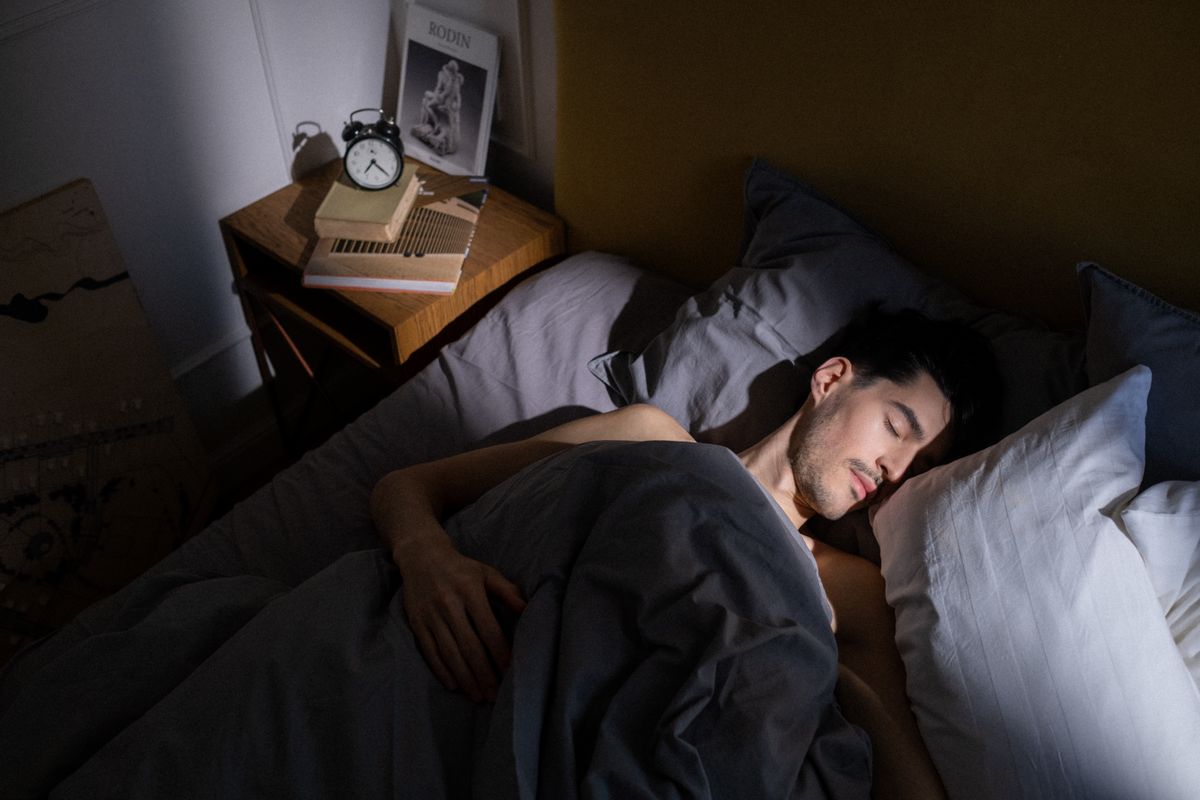
Sleep quality is highest for many people when sleep occurs during the biological night—the portion of the circadian cycle when the body is prepared for consolidated rest. When sleep is forced into the wrong circadian phase, people often report more awakenings, lighter sleep, or a feeling that the night was not restorative even after adequate hours.
How Circadian Timing and Sleep Pressure Interact
Sleep researchers describe two main processes. Homeostatic sleep pressure builds the longer you stay awake and decreases during sleep. Circadian timing adds a daily wave of greater or lesser sleep propensity. Together they help explain why a short nap late in the day can sometimes interfere with nighttime sleep, or why staying up very late can leave you alert at a time when the clock is still promoting wakefulness.
Process S (Sleep Pressure)
Builds while you are awake. Longer time awake usually increases the drive for sleep.
Process C (Circadian)
Creates a daily pattern of alertness and sleepiness independent of how long you have been awake.
When both processes align—high sleep pressure meeting a circadian phase that favors sleep—falling asleep and staying asleep are often smoother. When they conflict, sleep can feel fragmented or delayed.
Common Factors That Shift the Rhythm
| Factor | Typical effect on timing | Possible sleep result |
|---|---|---|
| Late evening bright light or screens | Can delay melatonin rise | Harder to fall asleep at desired time |
| Little morning daylight | Weaker “day” signal to the clock | Later rhythm, morning grogginess |
| Highly irregular bed and wake times | Reduces rhythm stability | More variable sleep quality |
| Shift work or night schedules | Sleep forced into biological day | Shorter or lighter sleep for many |
| Travel across time zones | Temporary mismatch (jet lag) | Fragmented sleep until adjustment |
These patterns vary by person. Age, genetics, and health conditions also influence how sensitive someone is to schedule or light changes.
Signs That Circadian Misalignment May Be Affecting Sleep
Not every restless night is a circadian problem. Still, certain patterns suggest the internal clock and the desired schedule are out of step:
- Difficulty falling asleep until much later than intended, night after night
- Waking too early and being unable to return to sleep
- Feeling sleepy at the “wrong” time of day relative to your obligations
- Sleep that feels shallow or non-restorative even when total hours look adequate
- Marked differences between weekday and weekend sleep timing
If these patterns persist or interfere with daily function, a clinician or sleep specialist can help distinguish circadian issues from other causes of poor sleep.
Illustrative Alignment Meter (not research data)
Steady schedule + morning light
More aligned
Some late nights, mixed light
Partial drift
Night shifts or large time-zone jumps
Strong mismatch
Practical Ways to Support Circadian Alignment
Most people do not need elaborate gadgets to give the internal clock clearer signals. Consistency and light timing matter more than perfection.
1. Protect a Steady Sleep Window
Going to bed and getting up at roughly the same times—even on free days—helps keep the rhythm stable. Large weekend shifts can feel like mild jet lag for some people. Small, gradual adjustments (15–30 minutes) are usually easier to sustain than sudden large changes.
| Habit | Why it may help | Realistic tip |
|---|---|---|
| Fixed wake time | Anchors the day side of the clock | Prioritize wake time even after a short night |
| Similar bedtime range | Keeps sleep opportunity in a stable window | Aim for a 30–60 minute range, not exact minutes |
| Limit long late naps | Preserves nighttime sleep pressure | If needed, keep naps short and earlier |
2. Use Morning Light and Evening Dimness
Natural daylight in the first hours after waking is one of the strongest cues for the SCN. Even a short outdoor walk or sitting near a bright window can help. In the evening, dimming overhead lights and reducing bright screen exposure supports the natural rise of melatonin.

Simple Light Rhythm Checklist
Morning
Seek outdoor or bright indoor light soon after waking when possible.
Evening
Dim lights and reduce bright screens in the last 1–2 hours before bed.
Night
Keep the sleep space as dark as is practical and comfortable.
3. Consider Tools That Support Light Habits
Some people find blue-light filtering glasses useful in the evening when screen use is unavoidable. Others prefer software filters or simply lowering brightness. These tools are aids, not cures. Results vary, and they work best alongside a consistent schedule rather than as a substitute for one.
| Tool type | Possible role | Who may want to skip or check first |
|---|---|---|
| Blue-light filtering glasses (evening) | May reduce some evening light impact from screens | Anyone with eye conditions should ask an eye-care professional |
| Screen night-mode / brightness reduction | Lowers intensity without extra equipment | Still best combined with earlier wind-down |
| Blackout curtains or eye mask | Supports darkness during sleep | Useful for light-sensitive sleepers; not a schedule fix alone |
Product features and claims change. Always review current manufacturer details before buying.
If you want to browse options, you can look at blue light blocking glasses on Amazon or blackout curtains for the bedroom. Check current details and fit on the product page.
4. Watch Caffeine, Meals, and Movement Timing
Caffeine can linger for many hours. Late large meals or intense exercise close to bedtime can also make settling harder for some people. Daytime movement and outdoor time, by contrast, often support both sleep pressure and circadian cues.
| Choice | Earlier in the day | Closer to bedtime |
|---|---|---|
| Caffeine | Often better tolerated | May delay sleep onset for sensitive people |
| Heavy meal | Fits active hours for many | Can cause discomfort that interrupts rest |
| Vigorous exercise | Supports daytime alertness | May raise alertness if too close to bed for some |
Sample Day Flow (illustrative only)
- Wake: consistent time + light exposure
- Day: movement, natural light when possible, caffeine earlier if used
- Evening: dimmer lights, lighter screen use, calmer wind-down
- Sleep opportunity: dark, cool, quiet enough room in a regular window
Who Should Be Extra Careful
Circadian advice is general. Certain groups benefit from individualized guidance:
- People with diagnosed sleep disorders, depression, or bipolar disorder
- Shift workers and those with nonstandard schedules
- Older adults, whose circadian amplitude and sleep architecture often change
- Pregnant people, who may experience both schedule and hormone shifts
- Anyone taking medications that affect sleep or alertness
Safety Note
This article does not diagnose conditions or replace professional care. If sleep problems are severe, sudden, or accompanied by other concerning symptoms, speak with a qualified healthcare professional before making major schedule or product changes.
| Situation | Self-care may fit | Seek professional input if |
|---|---|---|
| Occasional late night | Return to regular times next day | Pattern becomes chronic |
| Mild evening screen use | Dim screens, earlier cutoff | Insomnia or daytime impairment continues |
| Shift work | Protect dark sleep time, strategic light | Safety, mood, or health is affected |
Common Mistakes That Undercut Sleep Quality
Mistake
Using only weekend catch-up sleep while weekday times stay chaotic
Better approach
Keep wake times closer across the week; use catch-up modestly if needed
Mistake
Expecting one product to “fix” a highly irregular schedule
Better approach
Treat light, timing, and environment as a system, not a single fix
| Common habit | Why it can backfire | Gentler alternative |
|---|---|---|
| Scrolling in bed under bright light | Delays biological night signals | Move screens earlier; use dim light if needed |
| Sleeping in very late after late nights | Shifts the clock further | Get up closer to usual time and seek morning light |
| Changing everything at once | Hard to sustain | Start with wake time and morning light only |
FAQ
Does circadian rhythm only control sleep?
No. It also influences body temperature, hormone patterns, digestion timing, and alertness across the day. Sleep is simply the most noticeable daily effect for many people.
Can I reset my circadian rhythm in one day?
Usually not. The clock adjusts gradually. Consistent light exposure and stable sleep-wake times over several days are more realistic than a single dramatic change.
Is melatonin a circadian solution?
Melatonin is a timing signal the body produces. Supplemental forms are sometimes used under professional guidance for specific timing issues, but they are not a general sleep cure and dosing and timing matter. Discuss with a clinician before use.
Why do I sleep poorly even after eight hours in bed?
Time in bed is not the same as sleep quality. Sleeping at a mismatched circadian phase, frequent awakenings, environmental noise or light, or other health factors can leave sleep less restorative. A professional can help sort the causes.
Do blue-light glasses guarantee better sleep?
No. They may help some people reduce evening light exposure from screens, but schedule consistency, overall light timing, and sleep environment usually matter more. Results vary.
How does aging change circadian sleep patterns?
Many older adults experience earlier sleep and wake preferences and lighter sleep. Morning light and regular timing remain useful, but individual health factors should guide any plan.
Final Thoughts
Circadian rhythm is the body’s daily timing system. When it lines up with daylight and a steady sleep window, sleep quality often improves because the body is biologically ready for rest. Light timing, schedule regularity, and simple evening wind-down habits are practical levers most people can adjust without special equipment.
No single habit or product fixes every sleep problem. If poor sleep persists, affects safety or mood, or appears with other symptoms, check in with a qualified healthcare professional for personalized guidance.