By Ryan Mitchell
Last updated: October 25, 2026
Quick Answer: The relaxation response is the body’s natural calm state, driven mainly by the parasympathetic nervous system. It slows heart rate and breathing, eases muscle tension, and counters the stress (fight-or-flight) response. You can support it with simple practices such as slow breathing or quiet focus.
When daily pressures keep your system on high alert, your body has a built-in counterbalance. The relaxation response is that quieting mechanism. Understanding how it works in the nervous system helps you recognize the shift and practice habits that make it easier to reach.
Key Takeaways
- It is the physiological opposite of the fight-or-flight response and is linked to parasympathetic activity.
- Measurable changes include slower heart and breathing rates, reduced muscle tension, and a sense of calm.
- Simple, repeatable practices can help many people elicit it without special equipment.
- It is a support for everyday comfort, not a treatment for medical conditions.
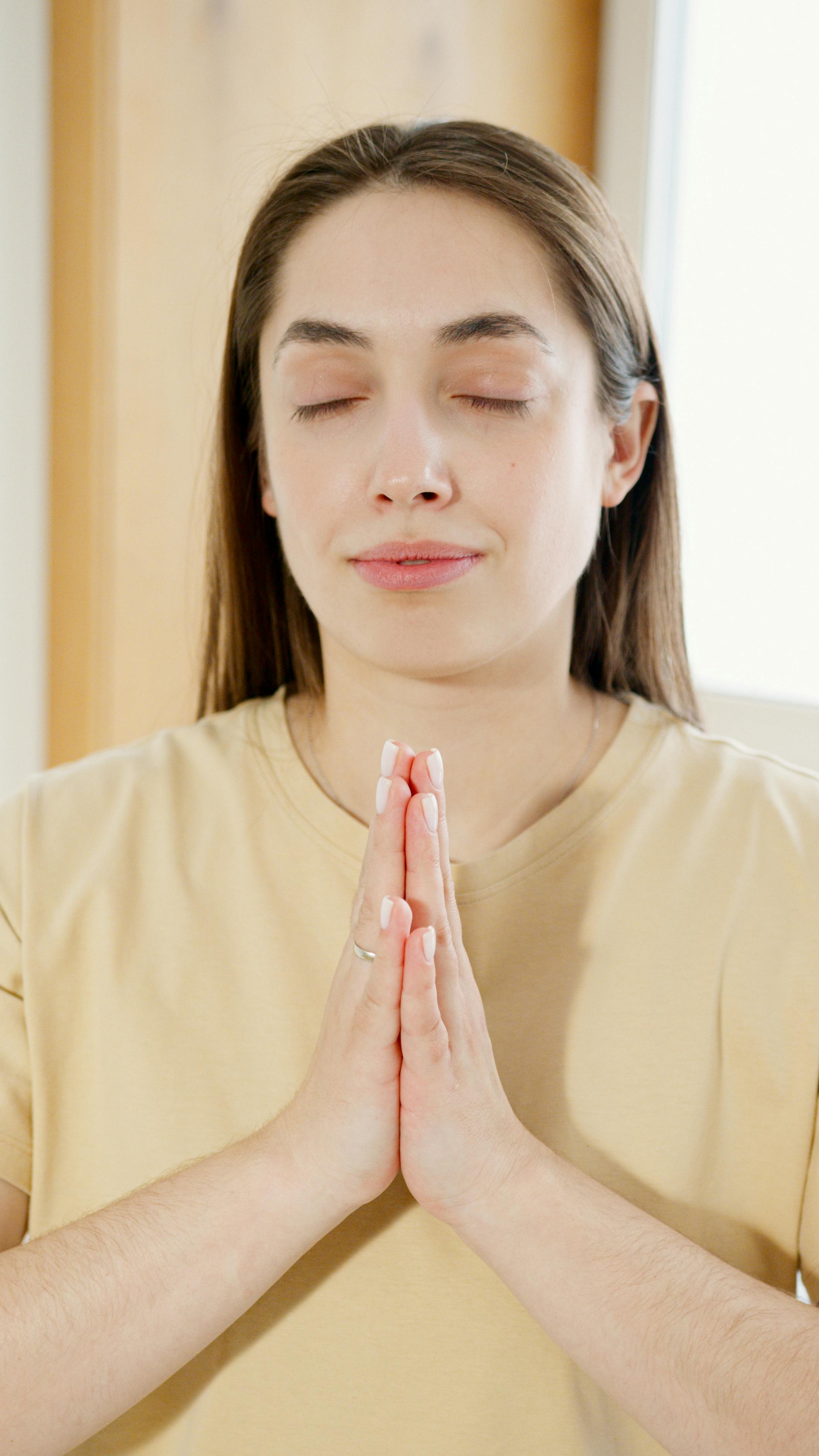
What Exactly Is the Relaxation Response?
The term “relaxation response” was popularized by cardiologist Herbert Benson in the 1970s. He described it as a coordinated set of physiological changes that quiet the body and mind. It is the counterpart to the emergency (fight-or-flight) reaction first outlined by Walter Cannon.
In everyday language, it is the state your body moves toward when it no longer needs to mobilize for threat. Breathing slows, muscles soften, and attention can settle. The response can occur automatically once a stressor passes, and it can also be intentionally supported through practice.
How It Works in the Nervous System
Your autonomic nervous system has two main branches that work in balance:
- Sympathetic – mobilizes energy for action (the stress response).
- Parasympathetic – supports rest, digestion, and recovery (the relaxation response).
When the parasympathetic branch becomes more active, it helps dial down sympathetic drive. A key player is the vagus nerve, which carries signals that can slow heart rate and support restorative processes. The overall effect is a shift toward lower arousal and greater physiological quiet.
Sympathetic vs. Parasympathetic at a Glance
Sympathetic (Alert)
Faster heart rate, quicker breathing, ready muscles, stress hormones more active.
Parasympathetic (Calm)
Slower heart rate, deeper breathing, relaxed muscles, restorative functions supported.
Physiological Changes You May Notice
When the relaxation response is active, several measurable shifts commonly occur. These are general patterns observed in research and clinical descriptions; individual experience varies.
| Body System | Typical Shift During Relaxation Response |
|---|---|
| Heart & circulation | Heart rate tends to slow; blood pressure may ease in some people |
| Breathing | Rate decreases; breaths often become deeper |
| Muscles | Tension often softens |
| Metabolism | Oxygen use can decrease (hypometabolic state) |
| Hormones & mood | Stress-related arousal tends to lessen; many report greater calm |
These changes are not guarantees of specific health outcomes and do not replace medical care.
Why the Response Matters for Everyday Comfort
Modern life can keep the sympathetic system engaged longer than it was designed for short threats. Regular opportunities to shift into the relaxation response may help some people feel less “wired,” support better sleep onset, and reduce the sense of constant muscle tightness. It is one practical way to give the body recovery time between stressors.
The response itself is innate. What many people find useful is learning reliable ways to invite it more often.

Practical Ways to Support the Relaxation Response
Herbert Benson outlined four basic elements that help many people elicit the response: a quiet environment, a comfortable position, a mental focus (such as a word or the breath), and a passive attitude toward distracting thoughts. You do not need all four perfectly; simple versions work for daily use.
Simple Practice Sequence (Illustrative)
1. Settle
Sit or lie comfortably for 1–2 minutes
2. Breathe
Slow, easy breaths for several cycles
3. Focus
Gentle attention on breath or a neutral word
4. Release
Let thoughts pass without force
Common Techniques Compared
Different approaches suit different preferences and situations. None is universally “best.”
| Approach | What It Emphasizes | Good Starting Point For |
|---|---|---|
| Slow diaphragmatic breathing | Breath rate and depth | Busy moments or beginners |
| Progressive muscle relaxation | Tension then release in muscle groups | People who feel physically tight |
| Quiet mental focus / meditation | Repeated word, sound, or breath awareness | Those who like structured stillness |
| Gentle movement (yoga, walking) | Body awareness plus rhythm | People who prefer not to sit still |
| Guided imagery | Calming mental pictures | Those who respond well to visualization |
Tip
Start with 5–10 minutes once a day. Consistency usually matters more than length. If a practice increases anxiety or feels uncomfortable, stop and try a different approach or speak with a clinician.
Who May Want Extra Caution
Most healthy adults can explore gentle breathing or quiet focus. Extra care is wise in certain situations.
| Situation | Practical Note |
|---|---|
| Pregnancy | Gentle breathing and short rest are often fine; check any new practice with your prenatal provider |
| History of trauma or significant anxiety | Some people find stillness intensifies discomfort; shorter or movement-based options may feel safer |
| Heart conditions or recent medical events | Discuss progressive muscle relaxation or intense breath holds with a clinician first |
| Seizure disorders or certain psychiatric conditions | Rare reports of increased symptoms exist; professional guidance is recommended |
Safety Note
The relaxation response is a natural physiological process, not a medical treatment. If you have ongoing health concerns, work with a qualified healthcare professional before relying on any new practice as part of your routine.
Common Misconceptions
Several ideas about the relaxation response can create unnecessary pressure or confusion.
| Misconception | Clearer View |
|---|---|
| You must empty your mind completely | Thoughts will arise; the skill is noticing and returning without force |
| It only happens during formal meditation | Many everyday quiet moments can support the same shift |
| It replaces medical care | It is a complementary comfort skill, not a substitute for treatment |
| Results are immediate and permanent | Benefits often build with regular practice and vary by person |
Decision Path: When to Practice
Short window available
Try 3–5 slow breaths or a brief progressive release of shoulders and jaw.
10+ minutes free
Use a fuller sequence with quiet focus or gentle movement.
Feeling overwhelmed
Prioritize safety and comfort; shorter or eyes-open options may feel better.
Connecting to Daily Wellness Habits
Supporting the relaxation response fits naturally alongside other comfort-oriented habits. Gentle self-massage, for example, can pair with slow breathing to help some people notice tension release more clearly. For a practical home approach, see our guide on wellness massage at home.
If you are pregnant and exploring calm strategies, additional context appears in our article on stress relief safety during pregnancy.
| Habit Pairing | How It May Support the Response |
|---|---|
| Evening wind-down | Dim lights + slow breathing can signal the body it is safe to settle |
| Brief movement breaks | Standing and walking can interrupt prolonged sympathetic loading |
| Consistent sleep timing | Supports overall recovery capacity so the response is easier to access |
Illustrative Complexity Meter
(Not research data — a practical guide only)
Moderate: progressive muscle work
Structured: longer quiet focus
Frequently Asked Questions
Is the relaxation response the same as sleep?
No. The relaxation response is a wakeful hypometabolic state. It shares some quieting features with rest, but it is distinct from sleep stages and can be practiced while fully awake.
How long does it take to notice a shift?
Some people feel calmer within a few minutes of slow breathing. Others notice clearer changes after several days or weeks of consistent short practice. Individual timing varies.
Can I elicit it while sitting at a desk?
Yes. Brief, quiet breathing or progressive softening of the shoulders and jaw can be done in a chair. A fully quiet environment is helpful but not required for short practices.
Does it lower blood pressure permanently?
Some studies have observed temporary reductions during and after practice. It is not a substitute for prescribed blood-pressure management. Discuss any concerns with your clinician.
What if quiet focus makes me more anxious?
This happens for some people. Switch to gentle movement, shorter sessions, or eyes-open practices. If distress continues, pause the technique and consult a healthcare professional.
Is special equipment required?
No. Breath awareness and simple muscle release need only a quiet moment. Optional tools such as a comfortable chair or soft lighting can make the practice more inviting but are not essential.
Final Thoughts
The relaxation response is your nervous system’s natural way of returning toward calm after activation. It involves a shift toward parasympathetic activity that slows heart rate, eases breathing, and softens tension for many people. You can support it with brief, repeatable practices that fit real life—starting as simply as a few slower breaths.
Use it as one practical comfort skill among others. Listen to your body, keep sessions comfortable, and check with a healthcare professional if you have medical conditions or if a practice feels unsettling. Steady, gentle attention to recovery is usually more helpful than perfection.