
By Ryan Mitchell
Last updated: October 25, 2026
Quick Answer: Most people gain steady benefits by practicing relaxation exercises 10–20 minutes a day, or in several short sessions spread through the week. Consistency matters more than long sessions. Start with what fits your schedule and build gradually.
Knowing how often relaxation exercises should be practiced helps turn a good idea into a lasting habit. Whether you prefer deep breathing, progressive muscle relaxation, or a short body scan, the right frequency supports calm without adding pressure to an already full day.
This guide covers practical starting points, how to adjust for busy weeks, common timing mistakes, and simple ways to keep the practice useful over months. It is written for everyday readers looking for comfort and routine, not medical treatment.
Key Takeaways
- Daily practice of 10–20 minutes is a common, realistic target for most adults.
- Short sessions several times a day can work as well as one longer block.
- Consistency over weeks matters more than perfect form or long duration.
- Adjust frequency during high-stress periods and check with a clinician if you have health concerns.
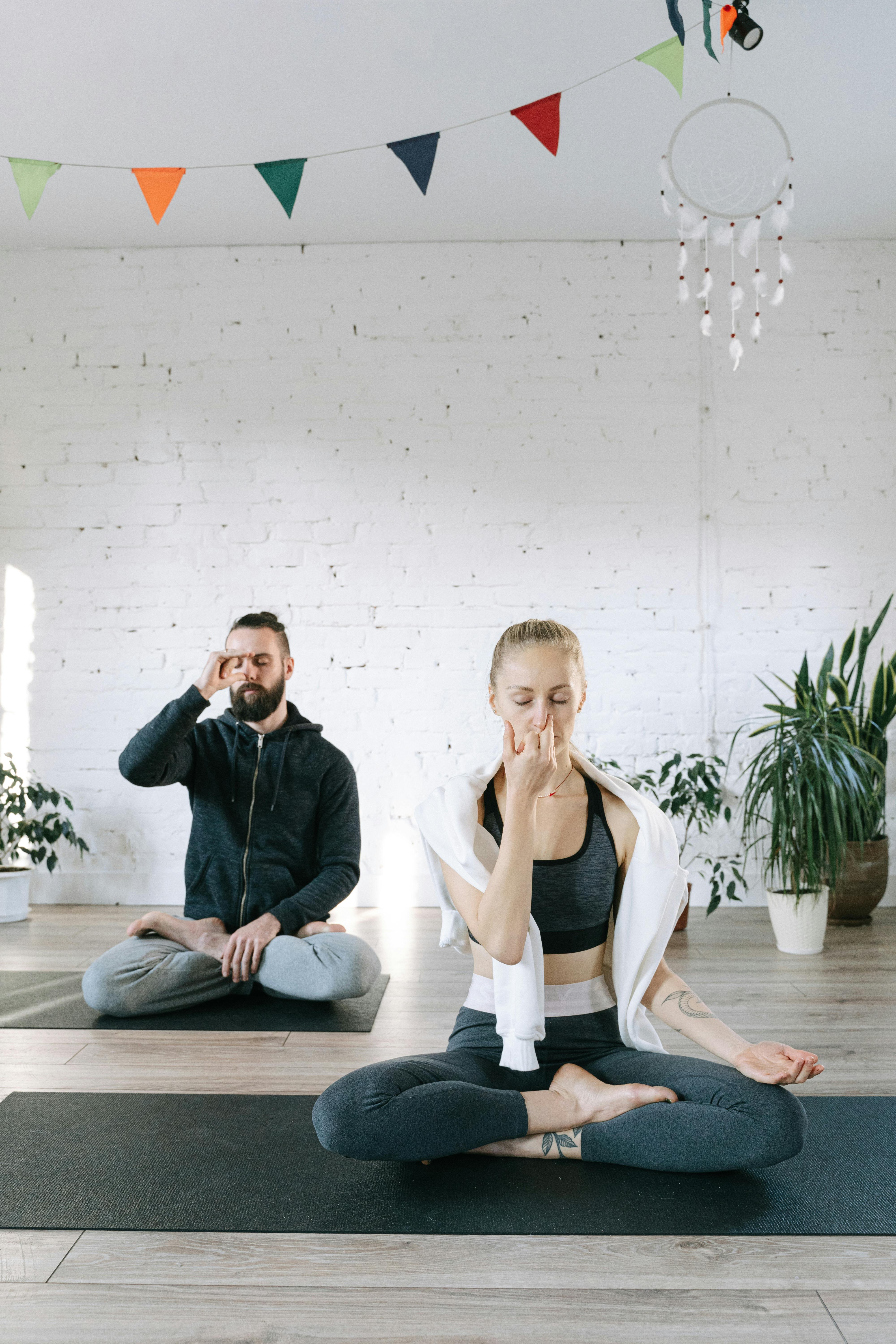
Why Frequency Matters More Than Perfect Technique
Relaxation exercises work by helping the body shift out of a stressed state. The more often you practice, the easier it becomes to notice early tension and respond with a familiar tool. Research summaries from health organizations note that regular use of these techniques is linked to better stress management for many people, though results vary.
Infrequent practice still offers short-term calm, but the skill of relaxing on demand usually develops with repeated use. Think of it like learning a simple stretch: a few minutes most days builds familiarity faster than an occasional long session.
Illustrative Practice Frequency Meter
Occasional
1–2× / week
Steady
4–6× / week
Common target
Daily
This is a practical guide only, not a research scale. Adjust to your energy and schedule.
Recommended Starting Frequencies by Technique
Different techniques suit different schedules. The table below shows common beginner ranges drawn from practical guidance used by wellness educators and health sites. These are starting points, not strict rules.
Technique Frequency Overview
| Technique | Suggested Frequency | Typical Session Length |
|---|---|---|
| Deep or diaphragmatic breathing | 1–3 times daily | 3–10 minutes |
| Progressive muscle relaxation | Daily or 4–5 times weekly | 10–20 minutes |
| Body scan or guided imagery | Daily or most days | 5–15 minutes |
| Brief “mini” relaxations | Several times throughout the day | 30–90 seconds |
Session length can be shorter when learning. Longer sessions are optional once the habit feels comfortable.
Sample Daily Schedule Options
Morning focus
5–10 min breathing after waking, optional short body scan later
Midday reset
3–5 min breathing or progressive release during a break
Evening wind-down
10–15 min progressive muscle relaxation or guided practice before bed
Building a Sustainable Routine
Start smaller than you think you need. Many people find that five minutes most days sticks better than twenty minutes twice a week. Once the habit feels automatic, lengthen or add a second short session if you want.
Link the practice to an existing habit: after brushing teeth, before opening email, or while waiting for water to boil. Quiet space helps at first; later you can practice in ordinary settings such as a parked car or a quiet corner at work.
Beginner Progression Timeline
| Stage | Focus | Suggested Frequency |
|---|---|---|
| Week 1–2 | Learn the steps and feel the difference between tension and release | Daily, 5–10 minutes |
| Week 3–4 | Increase comfort and reduce mind-wandering | Daily or 5–6 days, 10–15 minutes |
| Month 2+ | Maintain skill and use short versions as needed | Most days, flexible length |
If a day is missed, simply return the next day. Skipping does not erase prior progress.
Preparation Checklist
- Choose a quiet or low-distraction spot when possible
- Loosen tight clothing around the waist and neck
- Sit or lie in a supported position
- Set a gentle timer so you are not watching the clock
- Have a short plan: breathing only, or breathing plus muscle groups

When to Practice More Often (or Scale Back)
During periods of higher stress—deadlines, travel, family changes—many people find two shorter sessions more helpful than one. Mini practices (a few slow breaths while standing or sitting) can be added several times a day without needing a full session.
Scale back if you feel restless, lightheaded, or frustrated during practice. Shorter sessions or a different technique often resolve this. If discomfort persists, pause and speak with a healthcare professional.
Situation-Based Frequency Adjustments
| Situation | Possible Adjustment | Note |
|---|---|---|
| High daily stress | Add 1–2 short sessions | Keep each under 10 minutes at first |
| Low energy or illness | Reduce to brief breathing only | Rest takes priority |
| Travel or disrupted schedule | Use mini practices | Even 60 seconds helps continuity |
| New to practice | Stay at lower end of ranges | Build confidence before lengthening |
Suitable-Use vs. Extra-Care Cards
Generally suitable
- Healthy adults seeking everyday calm
- People who can sit or lie comfortably
- Those able to stop if discomfort appears
Check first
- Pregnancy or recent postpartum period
- Recent injury, surgery, or muscle spasms
- History of dizziness or breathing concerns
Common Mistakes That Reduce Benefits
Practicing only when already overwhelmed often feels harder. A short daily baseline makes it easier to use the skill when stress rises. Another frequent issue is treating the session as a performance: the goal is gentle attention, not a blank mind.
Correct Use vs. Common Mistake
| Approach | Helpful Version | Less Helpful Version |
|---|---|---|
| Timing | Scheduled or linked to a daily habit | Only when already very stressed |
| Length | Short and repeatable | Long sessions that feel like a chore |
| Mindset | Gentle return of attention when distracted | Self-criticism for wandering thoughts |
| Body position | Comfortable and supported | Forced posture that creates new tension |
Troubleshooting Decision Path
Feeling restless? Shorten the session or switch to simple breathing only.
Falling asleep? Practice earlier in the day or sit upright.
No noticeable calm yet? Continue for 2–3 weeks; benefits often build gradually.
Discomfort or dizziness? Stop and check with a clinician if it continues.
Safety Notes for Specific Situations
Relaxation exercises are generally low-risk for healthy adults when done gently. People who are pregnant, recovering from surgery or injury, living with circulation or breathing concerns, or managing significant mental-health symptoms should speak with a qualified healthcare professional before starting progressive muscle relaxation or any technique that involves strong muscle tensing.
Stop any exercise that causes pain, numbness, unusual dizziness, or increased anxiety. For related comfort ideas at home, see our guide on wellness massage at home. Readers who are pregnant may also find the overview in is stress relief safe during pregnancy useful for additional context.
Safety Note
These practices are not a substitute for medical care. If stress or tension is severe or long-lasting, consult a clinician for personalized guidance.
Who May Need Extra Caution
| Group | Suggestion |
|---|---|
| Pregnancy or postpartum | Prefer gentle breathing; confirm any muscle-tensing work with a provider |
| Recent injury or surgery | Avoid tensing affected areas until cleared |
| History of dizziness or breathing issues | Start with very short sessions and stop if symptoms appear |
| Significant anxiety or trauma history | Some people prefer open-eyed or movement-based options; professional guidance helps |
Simple Consistency Tips
Link to an existing habit
Keep sessions short at first
Track only “did I practice?”
Forgive missed days quickly
FAQ
How many days a week should I practice relaxation exercises?
Is 5 minutes a day enough?
Can I practice more than once a day?
What if I miss several days?
Should I practice progressive muscle relaxation every day?
Is it better to practice in the morning or evening?
Final Thoughts
How often relaxation exercises should be practiced depends on your schedule and goals, yet a clear pattern appears across practical guidance: regular short sessions outperform rare long ones. Aim for most days of the week, start with 5–15 minutes, and adjust as life changes.
Keep the practice gentle, stop if anything feels wrong, and speak with a healthcare professional when you have health conditions or are pregnant. Steady, realistic frequency is the most useful ingredient for turning relaxation exercises into a reliable part of daily life.