
By Ryan Mitchell
Last updated: October 25, 2026
Quick Answer: Relaxation training aims to reduce physical tension and trigger the body’s rest response through techniques like progressive muscle relaxation or guided breathing. Meditation trains attention and awareness—often with a non-judgmental focus on the present moment. Both can support calm, but they work through different intentions and mechanisms.
Many people use the words “relaxation” and “meditation” interchangeably. They both appear in wellness routines, stress-management programs, and apps. Yet the two approaches differ in purpose, focus, and what they train the mind and body to do.
Understanding the difference helps you choose the right tool for the moment—whether you need quick physical ease after a tense day or longer-term skills for handling racing thoughts. This guide explains each practice clearly, compares them side by side, and offers practical ways to use both safely.
Key Takeaways
- Relaxation training focuses on changing physical tension and eliciting a calm bodily state.
- Meditation emphasizes awareness and often acceptance of present-moment experience without forcing change.
- Both can reduce everyday distress; meditation may offer additional benefits for rumination and emotional awareness.
- They complement each other—many people use relaxation to settle the body before or after meditation.
What Is Relaxation Training?
Relaxation training is a set of structured methods designed to lower physiological arousal. The goal is to shift the body out of a stress-driven “fight-or-flight” pattern toward a rest-and-digest state. This usually involves deliberate changes to breathing, muscle tension, or mental imagery.
Common techniques include progressive muscle relaxation (tensing and releasing muscle groups in sequence), autogenic training (using self-suggestions of warmth and heaviness), guided imagery, and paced breathing. The emphasis is practical and body-centered: notice tension, then actively reduce it.
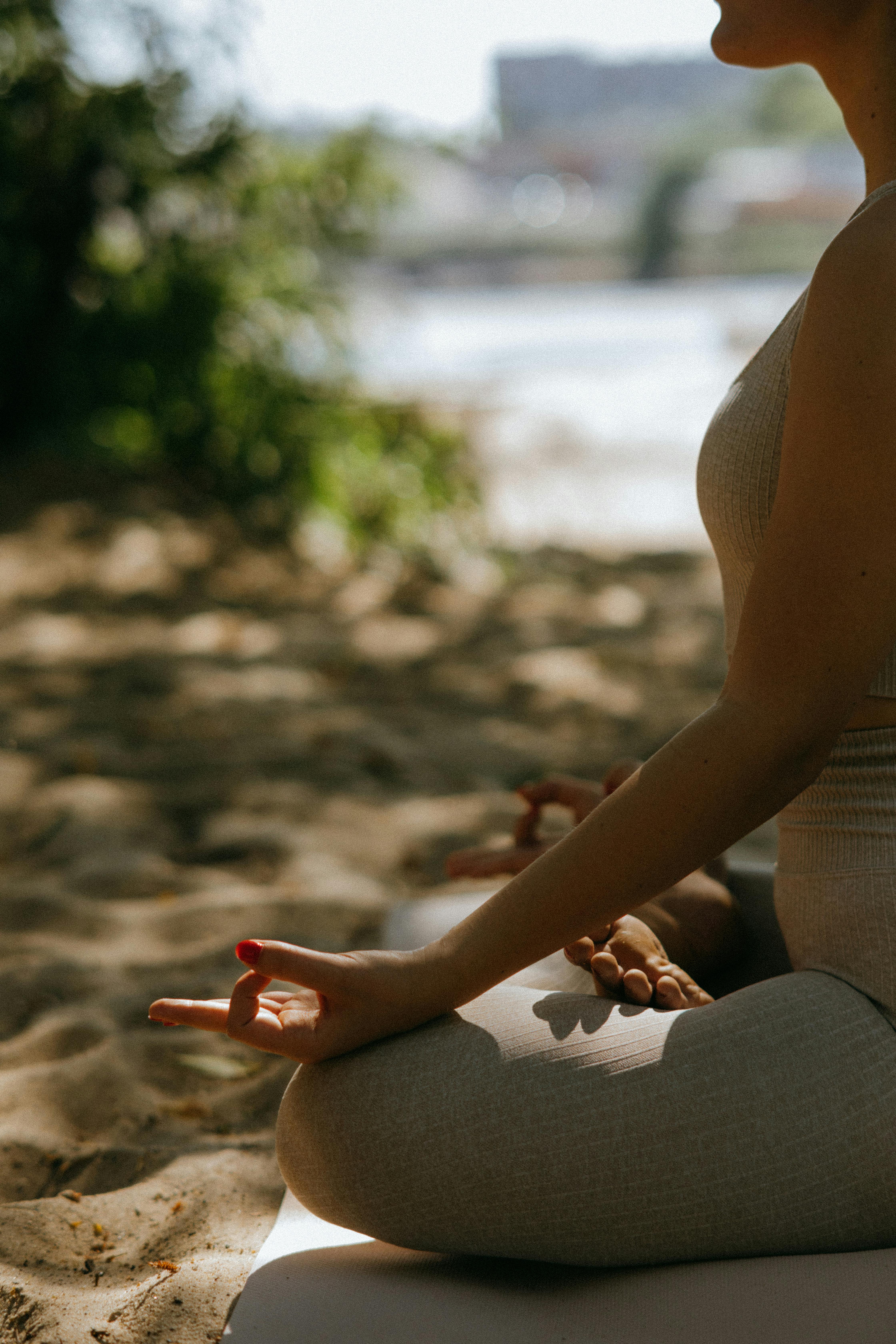
Common Relaxation Training Approaches
Progressive Muscle Relaxation
Systematically tense then release muscle groups to notice and release held tension.
Autogenic Training
Quiet self-suggestions of heaviness and warmth to encourage a calm physical state.
Guided Imagery
Mentally picture a peaceful scene while engaging the senses to support calm.
Paced Breathing
Slow, deliberate breaths—often with longer exhales—to signal safety to the nervous system.
What Is Meditation?
Meditation is a family of practices that train attention, awareness, and often a particular relationship to thoughts and sensations. While some styles produce a relaxed feeling, the primary aim is usually not to force the body into calm. Instead, the practice builds the capacity to notice experience as it unfolds.
Mindfulness meditation, one of the most widely studied forms in everyday wellness contexts, involves paying attention to the present moment with an attitude of openness and less judgment. Other forms focus on a single object (such as the breath or a phrase), cultivate positive emotions, or explore the nature of thought itself. Relaxation can occur as a byproduct, but it is not always the main target.
Core Intention Differences
The clearest distinction lies in intention. In relaxation training you actively work to change the state of your body—loosen tight muscles, slow the breath, lower arousal. In many meditation approaches you observe what is already present, including discomfort or busy thinking, without immediately trying to alter it. Over time this can change how you respond to stress, but the method itself prioritizes awareness over immediate change.
| Aspect | Relaxation Training | Meditation |
|---|---|---|
| Primary Goal | Reduce physical and physiological tension | Train attention and awareness |
| Typical Focus | Body sensations, muscle release, calm state | Breath, thoughts, sensations, present moment |
| Attitude Toward Experience | Change what feels tense or activated | Often notice and allow without forcing change |
| Common Result | Immediate sense of physical ease | Greater clarity and reduced automatic reactivity over time |
| Example Technique | Tense then release shoulders and jaw | Observe thoughts arise and pass without following them |
These distinctions are general; some guided practices blend elements of both.
How the Practices Differ in Daily Life
In practice, the difference shows up in what you do with your attention. During progressive muscle relaxation you deliberately create and then release tension so the contrast becomes clear. During a mindfulness-style session you might notice tension in the shoulders and simply register the sensation rather than try to make it disappear right away.
Both approaches can support everyday comfort. Relaxation training often feels more accessible when the body is tightly wound after sitting or stress. Meditation can be especially useful when the mind keeps looping on worries even after the body has settled. Many people find that a short relaxation sequence makes sitting for meditation easier.
When Each Approach May Fit
Reach for Relaxation Training When
- Muscles feel tight or shoulders are raised
- You want a clear physical “off switch”
- You prefer structured, step-by-step instructions
- Sleep is hard because the body will not settle
Reach for Meditation When
- Thoughts keep circling the same worries
- You want to build longer-term awareness skills
- You are curious about how the mind works
- You already feel physically settled but mentally busy
Overlap and Shared Benefits
The two practices are not opposites. Meditation frequently produces a relaxed state, and many relaxation scripts include elements of focused attention. Research comparing them side by side has found that both can reduce distress and improve mood relative to doing nothing. Some studies suggest mindfulness-style meditation may have a stronger effect on reducing rumination—the tendency to replay the same thoughts—while both support positive mood states.
Brain imaging work has also shown different patterns of activity: relaxation approaches often engage regions linked to deliberate control, while mindfulness body scans more strongly involve sensory-awareness networks. In everyday terms, one trains the ability to actively settle the body; the other trains the ability to notice experience with greater clarity.
| Shared Element | How It Appears in Practice |
|---|---|
| Breath awareness | Both use the breath as an anchor or tool for settling |
| Body focus | Body scans appear in both, with different instructions |
| Quiet setting | Both benefit from reduced distractions |
| Regular practice | Short, consistent sessions tend to be more useful than rare long ones |
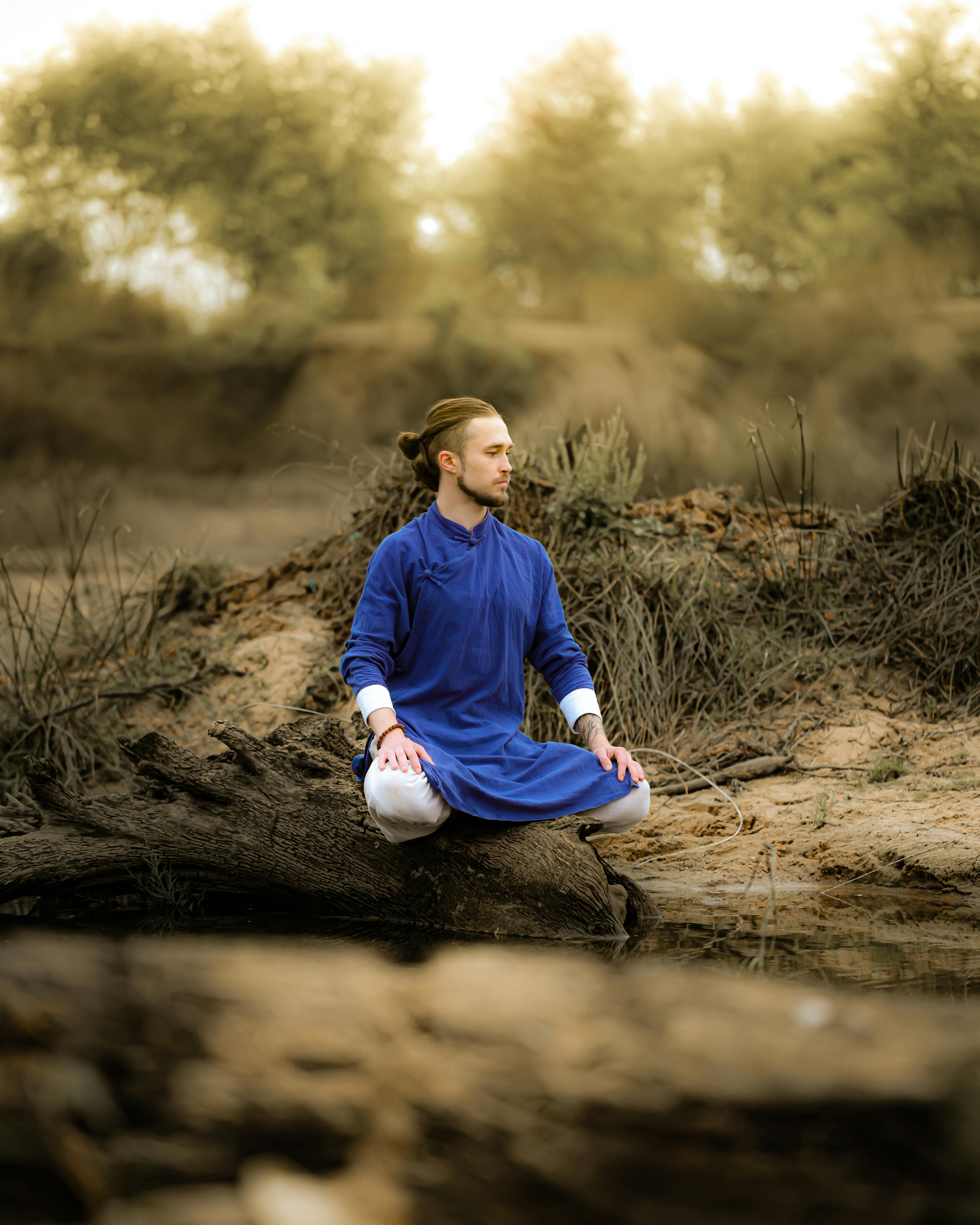
Practical Ways to Use Each Approach
You do not need special equipment or long sessions to begin. Start with five to ten minutes in a place where you will not be interrupted. Comfortable clothing and a supportive seat or surface help. If you have physical limitations, modify positions so nothing feels strained.
Simple Starter Sequence Comparison
5-Minute Relaxation Reset
- Sit or lie comfortably and take three slow breaths.
- Gently tense the hands and arms for a few seconds, then release.
- Move attention to the shoulders—lift slightly, then drop.
- Soften the jaw and forehead.
- Finish with two longer exhales and notice any shift in sensation.
5-Minute Awareness Practice
- Sit upright yet relaxed and close the eyes if comfortable.
- Bring attention to the natural flow of breath.
- When the mind wanders, gently note “thinking” and return to the breath.
- Expand awareness briefly to sounds or body contact with the chair.
- Open the eyes and notice how you feel without judging the result.
| Situation | Suggested Starting Point | Why It Fits |
|---|---|---|
| End-of-day muscle tightness | Progressive muscle release | Directly addresses physical holding |
| Racing thoughts before sleep | Brief body scan or breath focus | Shifts attention away from mental loops |
| Midday stress spike | Paced breathing (longer exhales) | Quick physiological downshift |
| Building a longer habit | Alternate or combine both | Covers body and mind needs |
Who Should Be Especially Careful
Most healthy adults can explore basic forms of both practices. Certain situations call for extra caution or professional guidance first.
Safety Note
If you are pregnant, have a history of trauma, experience panic when focusing on the breath or body, have uncontrolled medical conditions, or take medications that affect heart rate or blood pressure, check with a qualified healthcare professional before starting structured practices. Stop any exercise that causes dizziness, pain, or increased distress.
People with recent injuries or chronic pain conditions should avoid forceful muscle tensing. Those who find that closing the eyes or turning inward increases anxiety may prefer eyes-open practices or shorter sessions. For pregnancy-related considerations, gentle options such as slow breathing and short quiet breaks are often discussed with providers; more details appear in resources on stress relief during pregnancy.
| Consideration | Practical Adjustment |
|---|---|
| Physical pain or injury | Skip tensing affected areas; keep movements gentle |
| Tendency toward panic | Keep eyes open; use shorter sessions; focus outward first |
| Pregnancy | Favor side-lying or supported seated positions; avoid overheating |
| Unfamiliar with the practices | Start with guided audio under 10 minutes |
Combining Both in a Simple Routine
A practical weekly approach is to use relaxation training when the body feels locked and meditation when the mind feels busy. Some people begin a session with two minutes of progressive release, then shift into open awareness. Others keep the practices separate—morning awareness and evening physical release, for example.
Physical comfort tools can support either practice. A supportive seat, gentle self-massage of the neck and shoulders, or a short walk beforehand may make settling easier. For ideas on safe home massage as part of a wellness routine, see the guide on wellness massage at home.
Illustrative Weekly Mix (Adjust to Your Life)
Mon / Wed / Fri
Awareness practice
Tue / Thu
Muscle release
Weekend
Combined or rest
This is an illustrative pattern only—not a prescription. Consistency matters more than perfection.
| Common Mistake | More Helpful Approach |
|---|---|
| Expecting the mind to go blank | Treat wandering attention as normal; gently return |
| Forcing deep relaxation | Allow whatever level of calm arises without strain |
| Skipping consistency | Short daily sessions usually outperform occasional long ones |
| Ignoring physical discomfort | Adjust posture or stop; comfort supports learning |
Decision Snapshot
Body feels tight?
Start with relaxation training
Mind keeps looping?
Start with awareness practice
Not sure?
Try two minutes of each
FAQ
Is meditation just a form of relaxation?
Not exactly. Many meditation practices produce a relaxed feeling, but the core training is usually attention and awareness rather than the deliberate reduction of physical tension that defines most relaxation training.
Can I do both in the same session?
Yes. A short progressive release or paced breathing sequence can help the body settle, making it easier to sit with awareness afterward. Many people find the combination practical and sustainable.
Which one is better for everyday stress?
Both can help. Relaxation training often feels more immediate for physical tension. Meditation may support longer-term changes in how you relate to stressful thoughts. The better choice depends on what feels most useful for you on a given day.
How long should a beginner practice last?
Five to ten minutes is a realistic starting point for either approach. Consistency over weeks matters more than length in the early stages.
Do I need special equipment or apps?
No. A quiet place and a comfortable position are enough. Guided audio can be helpful at the beginning, but it is optional.
What if I fall asleep during practice?
Falling asleep is common, especially with relaxation techniques or when you are tired. If the goal is alert awareness, try practicing earlier in the day or sitting more upright. If rest is welcome, a short period of sleep is not a failure.
Final Thoughts
Relaxation training and meditation serve related but distinct purposes. One helps the body release held tension and settle; the other trains the capacity to meet present-moment experience with greater awareness. Neither is required to live well, and neither replaces professional care when stress or mood concerns feel overwhelming.
Start small, notice what feels useful, and adjust. A few minutes of deliberate release or quiet attention most days can become a reliable part of how you care for yourself—without pressure to achieve a perfect state of calm.