
Quick Answer


Yes, you can use SPF moisturizer at night, and it is generally not considered harmful. It just doesn’t add anything useful after dark, because there’s no sun to protect against. A moisturizer made for nighttime usually feels more comfortable, so keep your SPF product for daytime.
Maybe you ran out of night cream. Maybe you like keeping your routine to a single jar. Either way, you’re at the bathroom sink with an SPF moisturizer in your hand, wondering if bedtime use is a mistake.
It’s usually fine in a pinch. The more useful answer covers what you gain, what you may give up, and which situations make it a poor choice. This guide walks through each so you can decide without guessing.
Key Takeaways
- Using it at night is generally low-risk, but sunscreen has no job to do while you sleep.
- A dedicated night moisturizer is often richer and more comfortable.
- Some skin types may feel congested or irritated. Reactions vary from person to person.
- Save SPF moisturizer for daylight and follow the label for reapplication.
Why SPF Moisturizer Is Built for Daytime

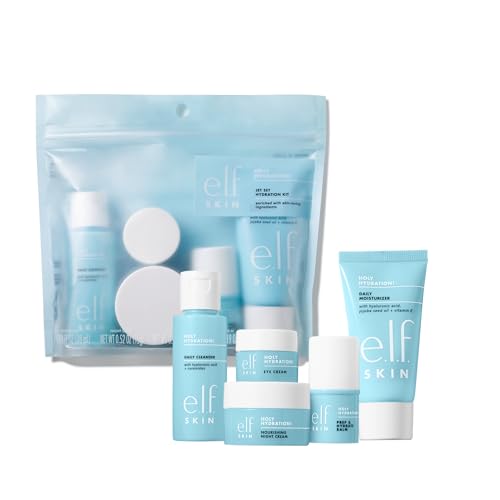
A moisturizer with SPF is a hybrid. It combines a moisture layer with UV filters, which are ingredients that absorb or reflect sunlight. In the United States these products are regulated as sunscreens, which is why the label lists active ingredients and an SPF number.

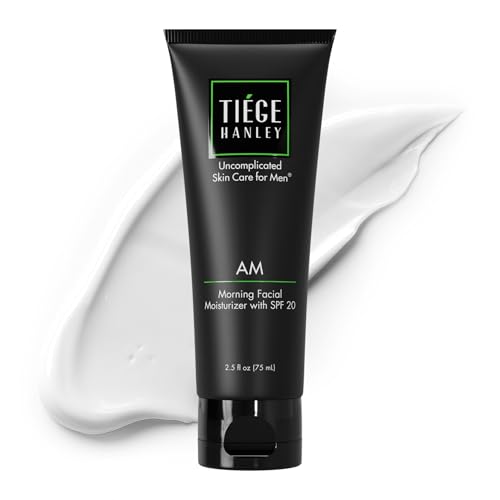

Those filters exist for one reason: sunlight. After dark there is nothing for them to work against. They aren’t dangerous sitting on your skin, but they aren’t helping either. They also take up space in a formula that could be spending that room on richer, more comfort-focused ingredients.
“Night” isn’t always so simple, though. If you’re outdoors at dusk, or you work overnight and sleep during the day, the logic shifts. We cover those cases further down.
Daytime vs. Nighttime Skin Needs
This table shows how the goals of a morning product differ from an evening one.
| Goal | Morning | Evening |
|---|---|---|
| Main job | Light moisture plus UV protection | Comfort and moisture while you rest |
| Texture | Often lighter, to sit under makeup | Often creamier and more cushioning |
| SPF needed? | Yes, whenever you’ll be in daylight | Generally no |
| Typical extras | Tint, primer-friendly finish | Soothing or barrier-supporting ingredients |
Formulas vary by brand, so read the label rather than assuming.


Quick decision path: should you use it tonight?
Check 1
Do you have a plain moisturizer within reach? Use that instead.
Check 2
Is your skin calm and not breakout-prone? One night is usually okay.
Check 3
Sensitive, irritated, or congested? Skip it tonight and keep things simple.
What Actually Happens If You Use It at Night
For most people, nothing dramatic. The skincare commentary we reviewed lands in roughly the same place: not harmful for most people, but not the best use of the product.
Some writers go further and say SPF products at night can dry skin or contribute to breakouts. That evidence is mostly anecdotal and depends on the formula. Mineral formulas, for example, can feel heavier on some faces, and people who are prone to breakouts may notice it more.
You may also read that SPF ingredients “enlarge pores” overnight. We couldn’t verify that claim, so treat it as unproven.
The practical downsides are more predictable. Some SPF formulas sting near the eyes, and a thinner daytime texture may leave skin feeling less cushioned by morning.
Who Can Use It at Night, and Who Should Think Twice
Skin varies widely, so use this as a starting point rather than a rule.
| Skin situation | At night with SPF | Next step |
|---|---|---|
| Resilient, balanced skin | Usually fine occasionally | Return to a night moisturizer when convenient |
| Dry or tight-feeling skin | May feel too light | Choose a richer night cream |
| Oily or breakout-prone skin | Some people notice congestion; it varies | Try a lightweight night option |
| Sensitive or reactive skin | UV filters can irritate some people | Skip it and keep evenings gentle |
| Using prescription skin products | Layering may matter | Ask your dermatologist or pharmacist |
Fine for tonight
- You ran out of night cream
- You packed one product for a trip
- Your skin feels calm
Better to skip
- Skin is stinging or irritated
- You feel congested after using it
- A richer night product is available
What to Use Instead at Night
A good night moisturizer doesn’t have to be fancy. It needs to feel comfortable and suit your skin type. If you’re deciding on a texture, our guide to the difference between lotion and cream can help.
Look for a short ingredient list you tolerate, and choose fragrance-free if your skin is easily irritated. If you wear water-resistant sunscreen or makeup during the day, cleanse thoroughly before you moisturize.
What to Look for in a Night Moisturizer
These features are worth scanning for on a label.
| Feature | Why it matters | Keep in mind |
|---|---|---|
| Fragrance-free | Fewer common irritants | “Unscented” can still contain masking fragrance |
| Humectants (glycerin, hyaluronic acid) | Draw water toward the skin’s surface | Very dry skin may want a sealing layer too |
| Emollients and occlusives (ceramides, shea butter, petrolatum) | Help hold moisture in | Can feel heavy on oily skin |
| “Non-comedogenic” label | Formulated to avoid clogging pores | A label claim, not a guarantee |
| No SPF | Skips filters you don’t need after dark | Keep SPF for your morning routine |
Product Types Worth Checking
These are product types, not tested picks. Check each manufacturer’s current ingredients and directions before buying.
| Product type | May suit | Trade-off | Where to look |
|---|---|---|---|
| Fragrance-free night moisturizer | Evenings, easily irritated skin | Texture preference varies | Search night moisturizers on Amazon |
| Lightweight gel-cream | Oilier skin, warm climates | May feel too light in dry air | See gel-creams on Amazon |
| Rich barrier cream | Dry skin, colder months | Can feel heavy | Browse barrier creams on Amazon |
| Broad-spectrum SPF moisturizer (daytime) | One-step morning routine | Often applied more thinly than sunscreen directions suggest | See SPF moisturizers on Amazon |
A simple evening sequence
Step 1: Cleanse
Remove sunscreen and makeup with a gentle cleanser.
Step 2: Pat dry
Leave skin slightly damp, not dripping.
Step 3: Moisturize
Apply a night moisturizer that suits your skin.
Edge Cases: When “Night” Isn’t Really Night
The real question is about UV exposure, not the clock. If you work overnight and head home in daylight, sunscreen belongs on before that commute, not at your bedtime.
Evening walks work the same way. Sunlight doesn’t vanish the moment you finish dinner, so follow the label if you’ll be outside while the sun is up.
Morning use has its own catch. A moisturizer with SPF only performs as labeled when you apply enough, and many people use less than they would of a standalone sunscreen. Some skincare writers suggest layering a dedicated sunscreen for that reason. Our guide to layering moisturizer and sunscreen covers the order, and the reverse question is in using sunscreen as a moisturizer.
Common Situations and What to Do
Here is how the most common real-life scenarios usually play out.
| Situation | What to do | Why |
|---|---|---|
| Ran out of night cream | Cleanse, then use SPF moisturizer for one night | Short-term use is generally low-risk |
| Overnight work schedule | Apply SPF before daylight exposure | UV exposure matters, not the time on the clock |
| Stinging near the eyes | Rinse off and use a gentle plain moisturizer | Some UV filters bother eyes |
| Congested skin in the morning | Try a lighter night product for a couple of weeks | Changing one thing at a time helps you spot the cause |
| Using a night product that increases sun sensitivity | Ask your dermatologist about daytime protection | Morning SPF becomes especially relevant |
Safety Note
Stop using a product and rinse your face if you notice burning, swelling, hives, or redness that doesn’t settle.
If you have eczema, rosacea, or another skin condition, use prescription skin products, are pregnant or postpartum, or are choosing products for a child, check with a qualified healthcare professional before changing your routine.
Your day and night routine at a glance
Morning
Cleanse if needed, then SPF moisturizer or moisturizer plus sunscreen.
Daytime outdoors
Reapply as the product label directs.
Evening
Cleanse, then a night moisturizer without SPF.
For more on timing, see our simple lotion routine, or browse more Personal Care guides.
Frequently Asked Questions
Is it bad to sleep in SPF moisturizer?
For most people it isn’t considered harmful, but it isn’t ideal either. If your skin feels irritated or congested the next morning, switch to a dedicated night product.
Do I need to wash off SPF moisturizer before bed?
Cleansing in the evening is generally a good habit, especially if you wore makeup or a water-resistant formula. A gentle cleanser is usually enough for most people.
Can SPF moisturizer cause breakouts when used at night?
Some people report it, particularly with heavier formulas, but it isn’t universal and depends on the product and your skin. If you suspect it, try a lighter night moisturizer and see whether things change.
Can I use my night cream in the morning instead?
You can, but it won’t protect you from the sun. You would still need a separate sunscreen on top if you’ll be in daylight.
How often should I reapply SPF during the day?
Labels generally direct reapplication about every two hours of sun exposure, and sooner after swimming or sweating. Follow the directions printed on your specific product.
Final Thoughts
Using SPF moisturizer at night is usually a harmless shortcut rather than a mistake. It just doesn’t earn its place in your evening routine, since the sunscreen part has nothing to do after dark. A simple night moisturizer typically feels better and lets your morning product do the job it was made for.
Every skin type reacts differently, so pay attention to how yours responds and adjust. If you have a skin condition, use prescription products, or notice lingering irritation, a dermatologist or other qualified healthcare professional can give advice that fits you.