
Quick Answer
To get rid of dry skin on your legs, take short, warm showers and apply a fragrance-free cream or ointment while your skin is still damp. Reapply when tightness returns. Pause scrubs and irritating products. Persistent itching, cracks, swelling, or worsening patches need a healthcare professional’s assessment.


Flaky shins can make getting dressed uncomfortable, especially when pants rub or moisturizer seems to disappear immediately. The useful starting point is a routine that limits irritation and helps skin retain water. You do not need a shelf full of products, and a visible flake is not an instruction to scrub harder.
Key Takeaways
- Choose products by texture and tolerance, rather than luxury claims.
- Make moisturizer easy to reach when you finish bathing.
- Separate ordinary dryness from a changing rash or swollen leg.
Why your legs become dry and flaky


Dryness develops when the skin loses too much water and oil. Lower legs are a common location, and aging, dry indoor air, hot showers, and some cleansers can contribute. Roughness and tightness may accompany the flakes. Eczema and psoriasis can also cause scaling, so appearance alone does not identify the cause.
On darker skin, dryness may look gray or ashy. Notice comfort and texture as well as appearance: a shiny surface after applying oil does not necessarily mean the underlying tight feeling has improved. Persistent discoloration with swelling deserves medical attention.
Everyday triggers worth checking
Use these patterns to review habits; they cannot diagnose a skin condition.


| Pattern | Possible contributor | Practical adjustment |
|---|---|---|
| Tight after bathing | Hot water or lengthy washing | Shorten showers and lower the temperature. |
| Worse during heating season | Dry indoor air | Keep up moisturizing; consider a maintained humidifier. |
| Stings after a new product | Irritation or sensitivity | Stop the new product and reassess. |
| Itchy under clothing | Rough fabric or fragranced detergent | Try soft fabric and fragrance-free detergent. |
How to get rid of dry skin on your legs: a simple routine
Set up before the shower
Put a clean towel and your usual fragrance-free moisturizer where you can reach them safely.
Set aside body scrubs, exfoliating mitts, and scented oils while your skin feels irritated.


1. Wash gently with warm water
Keep showers or baths around five to ten minutes. Use a gentle, fragrance-free cleanser where you need to remove sweat, dirt, or sunscreen; avoid repeatedly lathering already-clean shins. Wash with your hands or a soft cloth without rubbing flakes away.
Pat with a towel, leaving your legs slightly damp. If you shower after exercise, that rinse is another opportunity to moisturize. Repeated hot washing can work against the comfort you are trying to achieve.
2. Apply a cream or ointment promptly
Spread moisturizer gently over your lower legs, including dry areas around the knees and ankles. Use enough to cover the skin comfortably, following the label. Avoid vigorous massage over tender areas or unexplained swelling. Let the product settle before putting on clothing.
A cream is a practical starting texture for daytime use. An ointment may suit very dry, intact patches when you can tolerate a greasy finish. Do not cover weeping or apparently infected skin with a heavy ointment; ask a clinician about appropriate care.
Make the finish easy
Pat gently and apply moisturizer before your legs feel completely dry.
Check for product on the floor or your feet before walking away. Clean slippery residue promptly.
3. Reapply and adjust for your day
Check your legs when dressing and before bed, and reapply when they feel dry. These are reminders rather than a prescribed schedule. If a lighter product leaves persistent tightness, a richer cream may be more practical than layering several fragranced products.
Wear soft, comfortable clothing and avoid scratching. A clean, cool, damp cloth may help an itchy area feel more comfortable. Protect exposed legs outdoors with clothing and a broad-spectrum, water-resistant sunscreen rated SPF 30 or higher.
An evening comfort check
Continue the simple routine without adding another active ingredient.
If a product burns or a rash appears, stop that product. Seek advice for persistent or worsening symptoms.
Choose a moisturizer that fits your skin
Start with a fragrance-free body product and review its complete ingredient list. “Unscented” can mean that masking ingredients hide an odor; it does not always mean fragrance-free. Even a fragrance-free formula can cause a reaction in an individual.
Cream, ointment, lotion, or oil?
The right texture is the one you can use consistently and comfortably. These are product types, not tested rankings.
| Type | When it may fit | Trade-off |
|---|---|---|
| Cream | Everyday dry legs; useful first choice | Different formulas vary in richness. |
| Ointment | Very dry, intact patches; evening use | Greasy; unsuitable for weeping areas. |
| Lotion | Milder dryness or easier spreading through hair | May feel insufficient on very dry shins. |
| Body oil | Optional layer when tolerated | Can feel slick; may not replace a comfortable cream. |
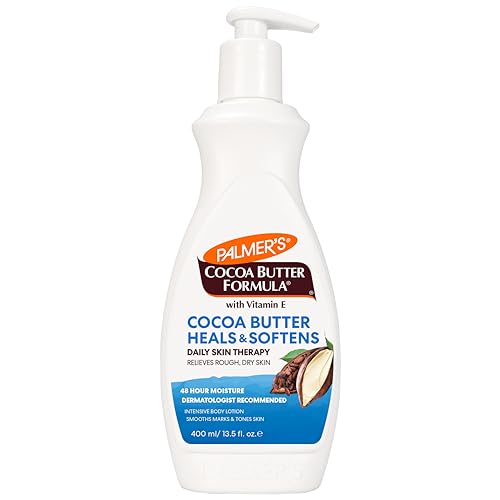
If you are shopping, compare fragrance-free body creams on Amazon or plain petroleum jelly options on Amazon. These links open search results, not individual product endorsements. Check each label for the intended body area, ingredients, and directions. Skip new purchases if a suitable moisturizer you already own feels comfortable.
What common moisturizing ingredients do
An ingredient name can explain a formula’s purpose, but it cannot predict your personal response.
| Ingredient group | Examples | What to know |
|---|---|---|
| Water-attracting ingredients | Glycerin; hyaluronic acid | Help hold water in the skin. |
| Barrier lipids | Ceramides | Support the skin’s moisture barrier. |
| Moisture-sealing ingredients | Petrolatum; dimethicone | Help limit water escaping from skin. |
| Roughness-focused ingredients | Urea; lactic acid | May suit some rough skin; can irritate sensitive areas. |
Avoid starting with an acid lotion if your legs sting, crack, or look inflamed. Ask a dermatologist or pharmacist whether a roughness-focused formula is appropriate. More concentrated or more complicated does not automatically mean more comfortable.
A three-question label check
Is this intended for body skin, rather than a specialized facial or foot exfoliant?
Does it say fragrance-free, and do you recognize anything that previously irritated your skin?
Can you tolerate the finish under your usual clothes and follow the directions consistently?
For a broader shopping comparison, see RemedyTip’s guide to moisturizers for dry skin. Focus on body-appropriate, gentle options rather than choosing a facial formula simply because it appears in a roundup.
For a tub, remove cream with clean hands or a clean spatula rather than sharing a container with others. Keep the lid closed and follow the storage directions.
Shaving, exfoliating, and home remedies
Pause shaving over sore, cracked, or inflamed areas. When your skin is comfortable enough to shave, soften the hair with warm water first, use shaving cream or gel, and avoid repeated passes. Pat dry and moisturize afterward. A closer shave is not worth persistent irritation.
Common shortcuts and gentler alternatives
Changing an irritating habit may matter more than adding another product.
| Shortcut | Why reconsider it | Gentler next step |
|---|---|---|
| Scrubbing visible flakes | Friction can worsen irritation | Moisturize and let loose flakes shed naturally. |
| Dry shaving | Adds friction to uncomfortable skin | Wait until comfortable; use lubrication. |
| Lemon juice or essential oils | Can irritate sensitive skin | Choose a simple fragrance-free formula. |
| Stacking acid lotions and retinoids | May increase irritation | Simplify and ask before adding actives. |
Do not start an exfoliating routine while your legs are itchy, sore, or peeling. If roughness remains after the skin feels comfortable, ask whether a gentle moisturizing formula with urea or lactic acid fits your needs. Stop if it causes irritation.
Drink enough for your normal hydration needs, but do not rely on extra water alone to solve flaky shins. If dry indoor air is a problem, a humidifier may be useful; follow its cleaning instructions. Avoid swapping one source of irritation for a poorly maintained device.
When dry legs need medical attention
Arrange an appointment if dryness persists despite consistent gentle care, returns repeatedly, or disrupts sleep. A clinician can assess a rash, review medications, and consider conditions such as eczema. Bring your product labels and describe when symptoms started; do not stop prescribed medicines on your own.
Symptoms that change the next step
Use these signs to seek help, rather than trying to diagnose the cause yourself.
| What you notice | Next step |
|---|---|
| Persistent itching, scaling, or recurrent rash | Schedule a healthcare appointment. |
| Cracks that bleed or open sores | Contact your clinician for care advice. |
| Ankle swelling with skin discoloration | Arrange assessment for possible circulation-related skin changes. |
| New hot, painful, swollen skin; spreading redness or fever | Seek prompt medical assessment the same day. |
Safety Note
If you have diabetes, reduced sensation, poor circulation, or an existing skin condition, check with your clinician before adding exfoliants or managing cracks yourself. Pregnant readers should ask their maternity team about new persistent itching, especially without a rash, rather than assuming dryness is the cause. Seek urgent maternity advice for intense itching, itching that worsens at night, or itching of the palms or soles.
Moisturizer residue on clothing or bedding increases fire risk. Keep these fabrics away from cigarettes and open flames; laundering may not remove all residue. Avoid slippery bath oils, and do not tightly wrap irritated legs overnight without professional guidance.
Keep a useful record
Write down shower habits, products, and when tightness or itching occurs.
Note whether both legs are affected and whether swelling, sores, or sleep disruption develops. Share this at your appointment.
Frequently Asked Questions
Can you get rid of dry skin on your legs overnight?
An overnight cure is not realistic. Moisturizer may make your legs feel more comfortable, but persistent dryness needs consistent care and sometimes a clinician’s assessment. Avoid harsh scrubbing before an event.
Why are my legs still dry after using lotion?
A lightweight lotion may not feel rich enough, or hot showers and irritating products may be contributing. Try a fragrance-free cream on damp skin. Seek advice if symptoms persist despite gentle care.
Is petroleum jelly useful for dry legs?
Plain petroleum jelly can help limit moisture loss on very dry, intact skin. Its greasy finish may suit small patches at night. Avoid using a heavy layer over weeping or apparently infected areas.
Should you exfoliate dry, flaky legs?
Skip scrubs and exfoliating tools while skin is itchy, irritated, or cracked. Begin with gentle washing and moisturizer. Persistent roughness can be discussed with a dermatologist before adding exfoliating ingredients.
When should itchy legs be checked?
Contact a clinician when itching persists, disturbs sleep, accompanies open sores, or occurs without a visible rash. New hot, painful swelling or spreading redness needs prompt assessment.
Final Thoughts
Build the routine around one reliable moment: moisturizing damp legs after bathing. Choose a texture you can use comfortably, reduce friction, and resist adding products whenever a flake appears. If symptoms persist or your legs become swollen, painful, or broken, a healthcare professional can help identify the next step.