Quick Answer
Yes, apply moisturizer before primer. Moisturizer is part of skincare, while primer prepares your skin for makeup. During the day, apply sunscreen after moisturizer and before primer. Allow each layer to settle before applying the next to help reduce pilling and uneven makeup.


Your everyday makeup routine
Get Your Skincare and Makeup Layers in the Right Order


Putting on makeup can feel frustrating when foundation separates, sticks to dry patches, or slides around your face. Sometimes, the issue is not your foundation at all. Your skincare preparation and the order of your products can make a difference.
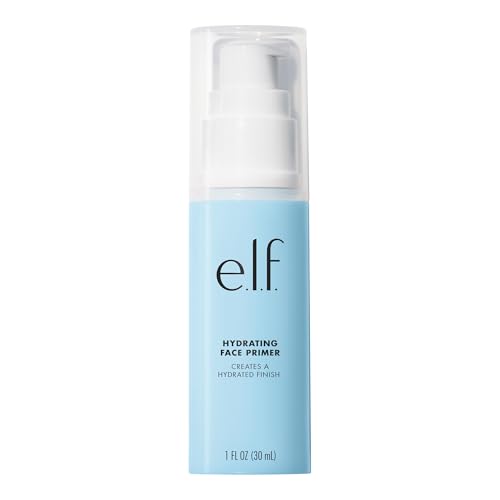
If you have wondered, do you put moisturizer on before primer, the answer is straightforward: moisturizer comes first. However, there is another important step to remember if you are getting ready during the day: sunscreen belongs between moisturizer and primer.
Makeup preparation
Primer application
Everyday beauty tips
Helpful reminder: Makeup products are not a replacement for a suitable skincare routine. Choose products according to your skin’s needs, follow their labels, and avoid introducing several unfamiliar products at once.


Key Takeaways
- Apply moisturizer before makeup primer.
- Use sunscreen as the final skincare step during the day.
- Allow moisturizer and sunscreen to settle before applying primer.
- Choose compatible product textures to help reduce makeup pilling.
- You may not need a separate primer if your skin preparation already gives you the finish you want.
Why Does Moisturizer Go Before Primer?


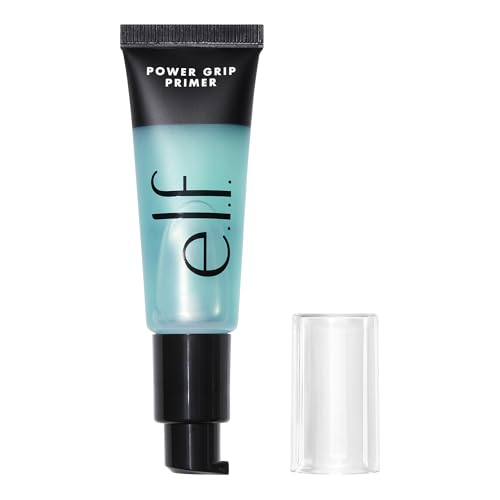
Moisturizer and primer have different purposes. Although some products offer overlapping benefits, they are not interchangeable in every routine.
Moisturizer belongs to skincare. It helps keep the skin hydrated and comfortable by supporting its ability to retain moisture. Primer belongs to makeup preparation. Depending on its formulation, it can create a smoother-looking surface, reduce the appearance of pores, or help makeup apply more evenly.
Applying moisturizer first allows you to complete your skincare preparation before adding cosmetic products. Applying primer afterward helps prepare the surface for foundation or other makeup.
What Happens If You Apply Primer First?
Applying primer before moisturizer reverses the usual skincare and makeup sequence. Your moisturizer may disturb the primer layer when you rub it over the skin, which can make the surface uneven.
It does not mean that applying products in the wrong order will automatically damage your skin. However, it can make your makeup preparation less consistent. Completing skincare first is the simpler approach.
The Basic Layering Principle
Cleanse, apply treatments, and moisturize.
Apply sunscreen during your morning routine.
Apply primer, followed by foundation if desired.
What Is the Correct Order: Moisturizer, Sunscreen, and Primer?
For a typical daytime makeup routine, complete your skincare steps before applying makeup. The American Academy of Dermatology recommends cleansing, applying medication or treatment, using moisturizer and/or sunscreen, and then applying makeup if desired.
When you use primer, it generally fits between sunscreen and foundation. This keeps your sunscreen in the skincare portion of the routine rather than mixing it into your makeup.
Your Morning Makeup Preparation Timeline
Start with clean skin and gently pat dry.
Use optional skincare products according to their directions.
Apply a comfortable layer suitable for your skin.
Apply broad-spectrum sun protection according to its label.
Prepare the skin for your chosen makeup products.
Apply your preferred makeup products.
Morning vs. Evening Routine
Swipe left or right to view the complete table.
| Step | Morning | Evening |
|---|---|---|
| Cleanser | Yes, as needed | Yes, to remove makeup and daily buildup |
| Serum or treatment | Optional | Optional |
| Moisturizer | Yes, if needed | Yes, if needed |
| Sunscreen | Yes, as daytime protection | Not a usual nighttime step |
| Primer | If wearing makeup | Only if applying makeup |
| Foundation | Optional | Optional |
The evening routine does not need primer or sunscreen unless you have a specific reason to use a makeup product at night. Focus on removing makeup and keeping your skin comfortable.
How Long Should You Wait Between Moisturizer and Primer?
There is no universal waiting time that works for every moisturizer, primer, and skin type. Product formulas, the amount applied, and environmental conditions can all affect how quickly a layer settles.
A practical approach is to wait until your moisturizer no longer feels wet or excessively slippery. If it still feels like a thick layer sitting on your face, give it additional time before applying primer.
The same principle applies to sunscreen. Follow its product directions and allow it to form an even layer before adding makeup.
A Practical Guide to Layering Time
Swipe left or right to view the complete table.
| Product layer | What to look for | Next step |
|---|---|---|
| Serum | Settled according to directions | Moisturizer |
| Moisturizer | No longer wet or overly slippery | Sunscreen or primer, depending on routine |
| Sunscreen | Even layer settled as directed | Primer |
| Primer | Surface feels ready for makeup | Foundation |
If you notice your products rolling or separating, pause between layers and try applying smaller amounts. You do not need to follow an arbitrary timer if the product has already settled.
Which Moisturizer and Primer Should You Choose?
The best combination depends on your skin’s needs and the finish you prefer. You do not have to purchase expensive products or use a complicated routine to prepare your face for makeup.
Moisturizer Choices by Skin Preference
Swipe left or right to view the complete table.
| Skin preference | Formula to consider | Practical consideration |
|---|---|---|
| Oily-feeling skin | Lightweight gel or lotion | Avoid an unnecessarily heavy feel. |
| Dry skin | Cream or richer lotion | Look for comfortable hydration. |
| Combination skin | Balanced lotion or gel-cream | Adjust the amount according to different areas. |
| Sensitive skin | Simple, fragrance-free option | Consider ingredients you already tolerate. |
| Normal skin | Lotion or cream | Choose based on comfort and finish. |
These are general starting points rather than strict skin-type rules. For more guidance, see our related article on how to identify a water-based moisturizer.
Common Primer Types and Their Uses
Swipe left or right to view the complete table.
| Primer type | Main purpose | Considerations |
|---|---|---|
| Hydrating | Provides a comfortable makeup base | May suit people who prefer a dewy finish. |
| Mattifying | Helps reduce the appearance of surface shine | May feel drying on some skin. |
| Blurring | Creates a smoother-looking appearance | Results depend on formulation and application. |
| Color-correcting | Helps visually balance uneven-looking tones | Choose a shade for your makeup goal. |
| Gripping | Creates a tackier surface for makeup | Check compatibility with other layers. |
How to Apply Moisturizer and Primer Correctly
A simple routine is often easier to maintain than a long list of products. Follow these steps when preparing your skin for everyday makeup.
Six-Step Makeup Preparation Checklist
Wash gently and pat your face dry.
Use any suitable serum or treatment.
Spread a comfortable, even layer.
Apply daytime sunscreen as directed.
Apply primer where you want makeup preparation.
Blend foundation and finish your look.
Practical Application Tips
- Start with a clean face. Remove leftover makeup, dirt, and excess oil using a cleanser suitable for your skin.
- Use moisturizer sparingly. Apply enough to cover the areas that need hydration without leaving an unnecessarily thick layer.
- Give skincare time to settle. Avoid immediately rubbing another product over a wet layer.
- Apply sunscreen evenly. Use a broad-spectrum product with SPF 30 or higher and follow its application and reapplication directions.
- Use primer selectively. Concentrate on areas where you want a particular makeup finish instead of automatically applying a thick layer everywhere.
- Blend foundation gently. Use a clean sponge, brush, or fingertips and avoid excessive rubbing.
Why Is My Makeup Pilling or Separating?
Pilling happens when skincare or makeup products form small rolls, flakes, or clumps on the skin. It can happen when you layer several products, use too much, rub repeatedly, or combine formulas that do not sit comfortably together.
It does not automatically mean your products are defective or that your skin is dirty. Instead, look at which step causes the problem.
Common Problems and Practical Solutions
Swipe left or right to view the complete table.
| Problem | Possible reason | What to try |
|---|---|---|
| Small product rolls | Too many layers or excessive rubbing | Simplify the routine and apply gently. |
| Foundation slides around | A very slippery or unsettled base | Allow layers to settle before makeup. |
| Dry patches look obvious | Insufficient hydration or unsuitable foundation | Review moisturizer and foundation choices. |
| Makeup looks greasy | Heavy product layers or excess product | Try smaller amounts or lighter textures. |
| Uneven foundation | Uneven application or incompatible textures | Test a simpler product combination. |
A Simple Troubleshooting Path
↓
Review the amount and texture. Try a thinner layer.
Check application directions and allow it to settle.
Try a smaller amount or a different compatible formula.
Review your blending technique and product combination.
If a product causes burning, itching, swelling, or an unexpected rash, stop using it. Seek medical advice for persistent or worsening reactions. Severe swelling or breathing difficulty requires urgent medical attention.
Do You Always Need Both Moisturizer and Primer?
No. Some people prefer using both, while others find that moisturizer alone provides a comfortable base for their everyday makeup.
A hydrating moisturizer may already give your skin the feel and appearance you want. If you are happy with how your foundation applies, an additional primer may not be necessary.
However, primer can be useful when you want a specific cosmetic effect, such as a less shiny appearance, a smoother-looking finish, or a particular texture underneath foundation.
Do You Need Primer?
- You prefer minimal makeup.
- Your foundation applies comfortably.
- You already like your skin’s finish.
- You want a particular finish.
- You want to address surface shine.
- Your makeup routine benefits from another preparation layer.
For additional moisturizer guidance, you can also read our article about how much moisturizer to use on your face.
Common Mistakes to Avoid When Layering Products
Even when you understand the correct order, small application habits can affect how your makeup looks.
Swipe left or right to view the complete table.
| Common mistake | Better approach |
|---|---|
| Applying primer before moisturizer | Finish skincare before starting makeup. |
| Skipping sunscreen in the morning | Keep appropriate sun protection in your daytime routine. |
| Using too much moisturizer | Use an amount that comfortably covers your skin. |
| Layering products immediately | Let each layer settle as appropriate. |
| Rubbing primer aggressively | Use gentle, controlled application. |
| Using incompatible products without testing | Introduce changes individually and observe the finish. |
Safety Note: Pay Attention to Your Skin
A makeup routine should feel comfortable. More products do not automatically mean better results.
- Choose products that suit your skin and known sensitivities.
- Follow the instructions for prescription skincare treatments.
- Avoid applying makeup over broken or significantly irritated skin.
- Consider testing unfamiliar cosmetic products on a small area first.
- Consult a dermatologist if you experience recurring irritation or have concerns about a persistent skin condition.
Frequently Asked Questions
1. Do you put moisturizer on before primer?
Yes. Apply moisturizer first because it is part of your skincare routine. Primer comes afterward to prepare your skin for foundation and other makeup products.
2. Should I put sunscreen before or after primer?
Apply sunscreen before primer. Sunscreen is generally the final step of daytime skincare, while primer belongs to makeup preparation. Let the sunscreen settle according to its directions before applying cosmetics.
3. How long should I wait after moisturizer before primer?
There is no fixed waiting period for everyone. Wait until the moisturizer no longer feels wet or excessively slippery. Richer formulas may take longer to settle than lightweight lotions or gels.
4. Can I use primer without moisturizer?
You can apply primer without a separate moisturizer if your skin is comfortable and your skincare needs are otherwise addressed. However, primer does not automatically replace moisturizer. During the day, remember appropriate sun protection.
5. Can moisturizer replace makeup primer?
Sometimes. A moisturizer may provide a comfortable surface for foundation, making a separate primer unnecessary. However, it may not provide the same cosmetic effects as a mattifying, blurring, or gripping primer.
6. Why does my foundation pill after applying moisturizer and primer?
Pilling can happen because of excessive product, repeated rubbing, unsettled layers, or incompatible formulations. Try reducing the amount of each product, allowing layers to settle, and changing one product at a time.
7. Should I apply moisturizer before primer at night?
Yes, if you are wearing makeup at night, moisturizer generally comes before primer. If you are not wearing makeup, you usually do not need primer. Follow your nighttime skincare and treatment instructions.
Final Thoughts
The correct order is simple: moisturizer first, sunscreen next during the day, and primer afterward if you are wearing makeup. This keeps your skincare and makeup preparation steps organized.
Remember that you do not need a complicated routine or multiple expensive products. Choose comfortable formulas, apply reasonable amounts, and give each layer time to settle.
The most useful takeaway: Complete your skincare before applying primer. If your makeup starts pilling or separating, simplify your routine and adjust one product at a time.
Author
-

I'm Olivia Bennett, a skincare enthusiast and personal care content specialist at Remedytip. I have spent years researching skincare practices, exploring different skin concerns, and creating practical, easy-to-follow skincare guidance.
Through my work at Remedytip, I focus on producing informative skincare articles, exploring effective skincare practices, and helping readers better understand their skin. I enjoy sharing evidence-informed tips and practical advice to help people make informed skincare decisions. My goal is to simplify skincare and encourage healthy, consistent skincare habits for everyone.