By Ryan Mitchell
Last updated: October 24, 2026
Quick Answer: Jet lag happens when rapid travel across time zones leaves your body’s master clock (in the suprachiasmatic nucleus) out of sync with local light-dark cycles. This desynchrony affects sleep timing, hormone release, body temperature, and how quickly other body clocks catch up.
Crossing several time zones in a few hours forces your internal timing system to confront a new schedule of daylight and darkness. The result is temporary misalignment between your biological rhythms and the external world—commonly called jet lag. Understanding how that misalignment works helps explain the fatigue, sleep trouble, and “off” feeling that many travelers experience.
Key Takeaways
- Your master clock in the brain is primarily reset by light, while peripheral clocks in organs adapt at different speeds.
- Eastward travel generally requires a harder phase advance and often feels more disruptive than westward travel.
- Symptoms arise from both the central clock lag and temporary internal desynchrony among body systems.
- Timed light exposure, consistent meal and sleep timing, and hydration support natural realignment without promising instant results.
What the Body’s Internal Clock Actually Is
Nearly every cell in the body follows roughly 24-hour cycles known as circadian rhythms. These rhythms influence sleep-wake timing, core body temperature, hormone release (including melatonin and cortisol), digestion, and alertness.
A small cluster of neurons in the hypothalamus called the suprachiasmatic nucleus (SCN) acts as the master pacemaker. Light detected by specialized cells in the retina travels via the retinohypothalamic tract to the SCN. In darkness the pineal gland increases melatonin production; in daylight melatonin is suppressed. This light-driven signal keeps the central clock aligned with the solar day.
Peripheral clocks exist in the liver, muscles, gut, and other tissues. They normally stay coordinated with the SCN through neural and hormonal signals. When the external light-dark cycle shifts abruptly, the master clock begins adjusting, but the peripheral clocks often lag behind at different rates. That temporary internal mismatch contributes to the mixed symptoms of jet lag.
How Rapid Time-Zone Travel Creates Misalignment
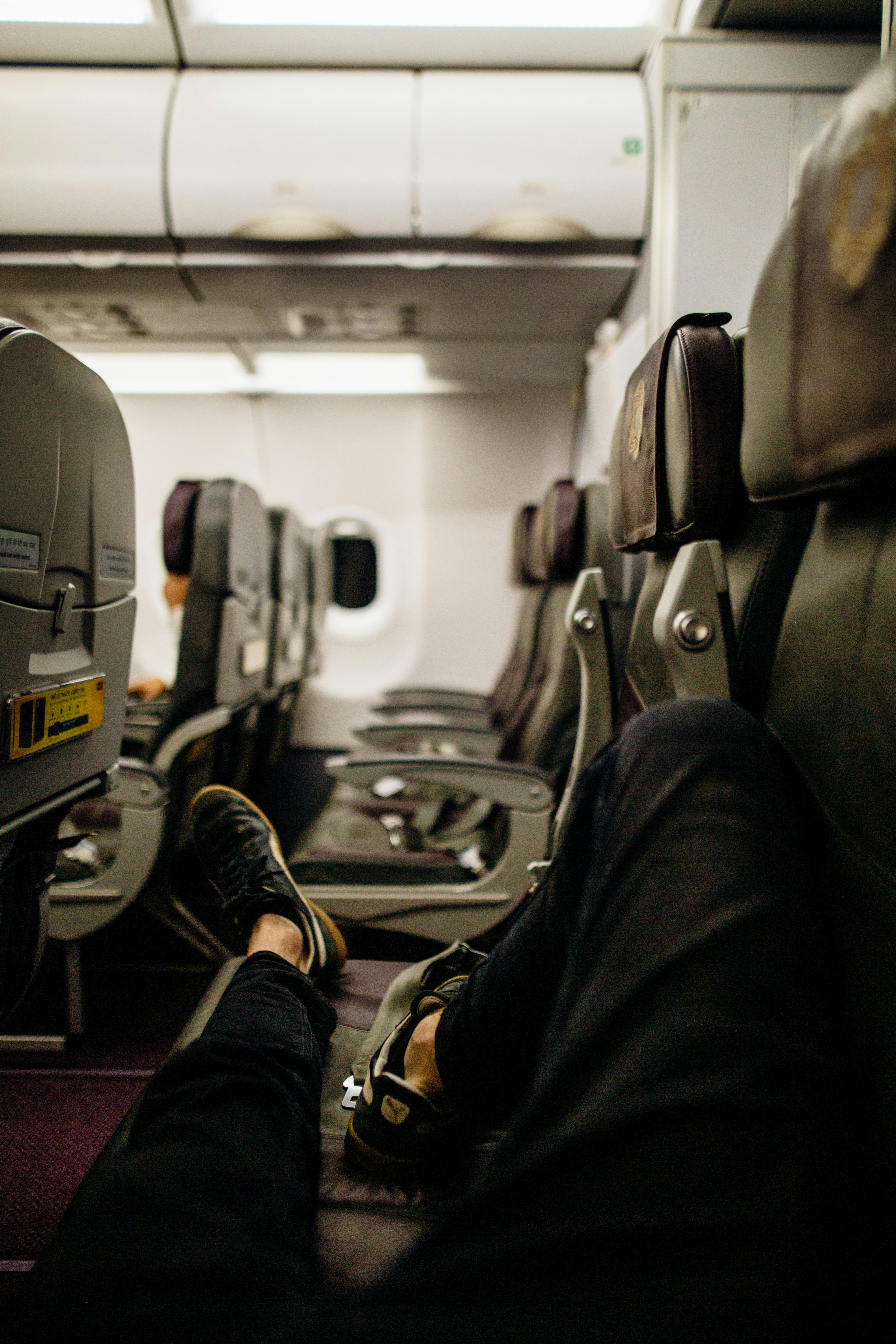
Air travel lets people cross multiple time zones in hours. The external day-night cycle at the destination changes far faster than the endogenous clock can shift. The result is a mismatch: the SCN still operates on origin time while local light cues demand a new schedule.
Two related processes occur. First, the central clock must phase-shift (advance or delay) to match the new light-dark cycle. Second, the many peripheral oscillators must realign both with the SCN and with one another. Until that resynchronization finishes, sleep propensity, hunger signals, digestive rhythms, and alertness remain out of step with local time.
Direction Matters: East vs West
Most people’s free-running circadian period is slightly longer than 24 hours. Delaying the clock (phase delay) therefore feels more natural than advancing it (phase advance). Westbound travel lengthens the day and matches the clock’s natural drift; eastbound travel shortens the day and works against that tendency.
Adaptation rates commonly cited are roughly 1–1.5 hours per day westward and closer to 1 hour per day eastward, though individual variation is large. The number of time zones crossed and personal chronotype also influence how strongly symptoms appear.
Illustrative Phase-Shift Direction
Westbound
Phase delay — lengthens the day; usually easier for the clock to follow
Eastbound
Phase advance — shortens the day; generally more demanding
Illustrative only; individual rates vary.
What Gets Thrown Off: Hormones, Temperature, and More
Melatonin timing is one of the clearest markers. Normally rising in the evening as light fades, melatonin signals readiness for sleep. After a long-haul flight its rise may occur at the wrong local clock time, contributing to difficulty falling asleep or staying asleep at the desired hour.
Cortisol, which typically peaks in the early morning to support waking and alertness, can also lag. Core body temperature rhythm—normally lowest in the late night and rising toward morning—may remain offset. Digestive and metabolic processes follow their own peripheral clocks and can contribute to appetite changes or gastrointestinal discomfort.
Because different systems shift at different speeds, a traveler may feel sleepy at the “wrong” local time while also experiencing digestive or cognitive effects that do not resolve in exact parallel. This multi-system desynchrony helps explain why simply “catching up on sleep” does not always eliminate the overall sense of being out of phase.
Common Effects Linked to Clock Misalignment
| System or Process | Typical Disruption | Possible Traveler Experience |
|---|---|---|
| Sleep-wake timing | Misaligned melatonin and sleep propensity | Insomnia or early waking; daytime sleepiness |
| Alertness & cognition | Circadian alerting signal at wrong local hours | Difficulty concentrating; mental fog |
| Gastrointestinal | Peripheral gut clocks lag | Appetite change; irregular bowel habits |
| Mood & general feeling | Combined central and peripheral mismatch | Irritability or sense of being “not yourself” |
These associations are common patterns, not universal or diagnostic.
Why Symptoms Vary Between People
Age, chronotype (morning or evening preference), number of zones crossed, direction of travel, sleep debt before the flight, and cabin conditions all influence how strongly jet lag is felt. Older adults sometimes report milder subjective symptoms, though recovery of the underlying rhythms still takes time. Prior sleep loss from preparation or early airport departures can amplify the experience.
Individual differences in clock-gene expression and light sensitivity also play roles. Two travelers on the same itinerary can therefore feel quite different degrees of disruption.

Practical Ways the Clock Can Be Supported
Light remains the strongest zeitgeber (time-giver). Strategic exposure to bright outdoor light at the destination—especially in the morning for eastward trips or later in the day for westward trips—helps the SCN shift. Avoiding bright light (including screens) at times that would pull the clock the wrong direction is equally useful.
Keeping meals, activity, and sleep attempts closer to destination local time, even if imperfect at first, provides additional cues. Short naps (around 20 minutes) can reduce acute sleepiness without heavily interfering with nighttime sleep. Staying hydrated helps counteract cabin dryness, which can worsen overall discomfort.
For some frequent travelers, carefully timed melatonin under guidance from a clinician is used as a supporting tool; it is not a sedative and works best when timed to the desired phase shift. Anyone with ongoing sleep problems, medication questions, or health conditions that affect sleep should discuss options with a qualified professional.
Supportive Steps Timeline (General Orientation)
Before travel
Shift bedtime/wake time gradually toward destination; protect sleep
During flight
Align sleep/wake and light with destination time when possible; hydrate
After arrival
Seek appropriate outdoor light; keep meals and activity on local schedule
Eastbound vs Westbound Light Strategy Snapshot
| Direction | Helpful Light Timing (General) | Light to Limit |
|---|---|---|
| Eastward | Morning / early day outdoor light | Late evening bright light |
| Westward | Later-day outdoor light | Very early morning bright light |
These are simplified patterns; personalized timing depends on exact itinerary and usual sleep schedule.
How Long Realignment Usually Takes
A rough rule of thumb is about one day of adjustment per time zone crossed, with westward trips often resolving a bit faster than eastward ones. Full internal synchrony among all body clocks may lag behind the more noticeable improvement in sleep timing. Short trips of only a day or two sometimes benefit from staying on origin time rather than forcing adaptation.
Travel fatigue from prolonged sitting, dry air, and reduced sleep opportunity can compound the pure circadian effects, so symptoms may feel stronger than the clock shift alone would predict.
Factors That Influence Severity
Number of zones — more zones generally mean longer recovery
Direction — eastward often harder than westward
Pre-trip sleep — existing debt amplifies symptoms
Light management — good timing can speed useful shift
Safety and When Extra Caution Helps
Jet lag itself is temporary for most healthy travelers. Persistent insomnia, excessive daytime sleepiness that interferes with safety-critical tasks, or symptoms that do not improve after several days at the destination warrant discussion with a healthcare professional. People with existing sleep disorders, mood conditions, or those taking medications that affect alertness or sleep should plan carefully.
Pregnant travelers, older adults, and anyone with circulation concerns or recent surgery may find travel fatigue more pronounced and should follow personal medical advice regarding activity, hydration, and movement during long flights.
Safety Note
This article explains general physiology and common patterns. It is not personal medical advice. Consult a qualified clinician for individual concerns, especially if sleep problems are severe, ongoing, or accompanied by other health issues.
Related Topics on RemedyTip
Readers interested in broader sleep and rhythm topics may also find these helpful:
- How circadian rhythm affects sleep quality
- How daylight exposure affects sleep timing
- How stress affects your sleep cycle
- How aging affects sleep patterns
FAQ
Why does flying east usually feel harder than flying west?
Most people’s internal clocks run slightly longer than 24 hours, so delaying the clock (westbound) aligns with its natural tendency while advancing it (eastbound) works against that drift.
How many time zones cause noticeable jet lag?
Crossing two or more time zones is commonly associated with symptoms, and the effect generally increases with the number of zones crossed, though sensitivity varies widely.
Does the master clock adjust at the same speed as other body clocks?
No. The SCN often begins shifting relatively quickly in response to light, while peripheral clocks in organs and tissues typically take longer and can remain temporarily out of phase with one another.
Can light alone fix jet lag?
Appropriately timed light is the strongest cue for the central clock and is a cornerstone of adjustment strategies, but consistent sleep opportunity, meal timing, and activity also support the overall process.
Is jet lag the same as travel fatigue?
They overlap but are distinct. Travel fatigue stems from prolonged sitting, dry air, noise, and lost sleep opportunity; jet lag specifically reflects circadian misalignment after rapid time-zone change.
Should I stay on my home schedule for a short trip?
For trips of only one or two days, some guidance suggests remaining on origin time rather than forcing a partial shift that will reverse almost immediately. For longer stays, gradual alignment to destination time is usually preferred.
Final Thoughts
Jet lag is the temporary mismatch between a rapidly changed external light-dark cycle and an internal timing system that cannot instantly reset. The master clock in the SCN responds primarily to light, while other body clocks follow at their own pace, producing the familiar mix of sleep disruption, daytime sleepiness, and general unease.
Understanding the direction of travel, protecting sleep opportunity, and using light strategically at the destination give the system the best chance to realign. Individual responses differ, and persistent or severe symptoms deserve professional attention. With realistic expectations and simple supportive habits, most travelers gradually regain synchrony with local time.