
By Ryan Mitchell
Last updated: October 23, 2026
Quick Answer: Daylight is the strongest cue that sets your internal body clock. Morning outdoor light tends to advance sleep timing (earlier sleepiness at night), while evening light and limited daytime light can delay it. Consistent morning daylight, paired with dimmer evenings, helps many people keep sleep closer to a preferred schedule.
Your body runs on a roughly 24-hour rhythm called the circadian clock. Light hitting specialized cells in the eyes is the main signal that keeps that clock aligned with the day-night cycle. When daylight exposure is strong in the morning and lower in the evening, sleep timing often settles earlier and feels more predictable for many people.
Modern indoor living, screens after dark, and short outdoor time can shift the clock later. This article explains the mechanism in plain language, what timing matters most, practical steps, and who should take extra care—without promising specific results or medical outcomes.
Key Takeaways
- Morning daylight is the strongest natural cue that advances the circadian clock and supports earlier sleepiness later that night.
- Evening and nighttime light, even modest indoor levels, can delay melatonin timing and push sleep later.
- Short outdoor exposure soon after waking is often more useful than long indoor light later in the day.
- People with bipolar disorder, certain eye conditions, or photosensitivity should check with a clinician before using bright-light strategies.
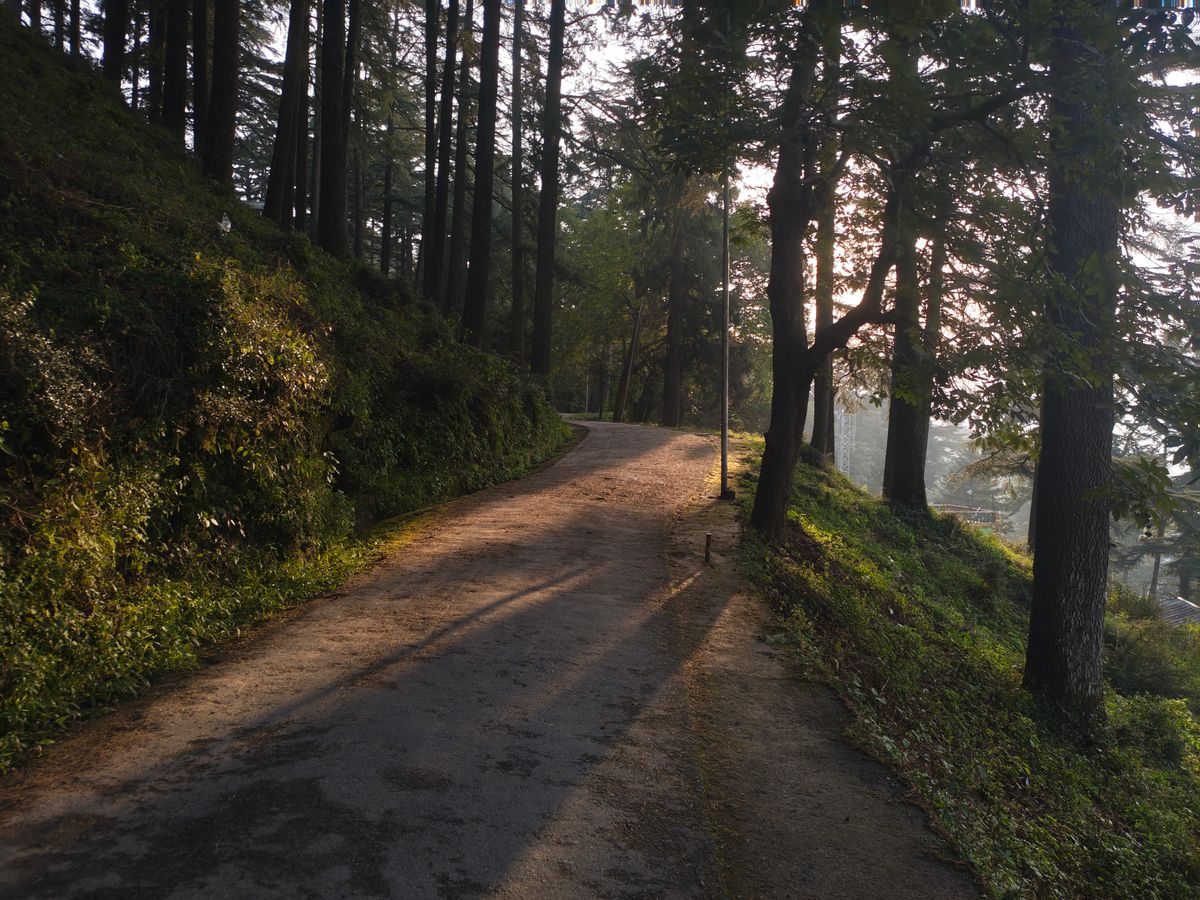
How Daylight Talks to Your Sleep Clock
Specialized cells in the retina called intrinsically photosensitive retinal ganglion cells (ipRGCs) detect light intensity and spectrum, especially blue-enriched daylight. They send signals to the suprachiasmatic nucleus (SCN)—the master clock in the brain—without needing conscious vision.
The SCN then coordinates hormone timing: cortisol rises toward morning to support alertness, while melatonin rises in the evening to prepare the body for sleep. Strong daylight early in the day helps suppress residual melatonin and starts a countdown that tends to make melatonin appear at a more appropriate evening hour for many people.
When people live mostly indoors under dim light and then encounter bright screens or room lights at night, the clock often drifts later. Field studies comparing modern electrical lighting with natural light-dark cycles (such as camping) have shown earlier melatonin onset and earlier sleep timing under natural light conditions.
Illustrative Light Pathway (Simplified)
1. Daylight
Hits the eyes outdoors
2. Retina
ipRGCs detect intensity
3. SCN
Master clock updates
4. Hormones
Melatonin & cortisol timing
This is a simplified illustration of the non-image-forming light pathway, not a research diagram.
Timing Matters More Than Most People Realize
The effect of light depends heavily on when it arrives relative to your internal clock. This relationship is described by a phase response curve:
- Morning light (roughly the hours after habitual wake time) tends to advance the clock—supporting earlier melatonin onset and earlier sleepiness that evening.
- Evening and night light tends to delay the clock—pushing melatonin later and making it harder to feel sleepy at a desired bedtime.
Outdoor daylight is far brighter than typical indoor lighting. Even on cloudy days, outdoor levels often exceed indoor office or home light by a large margin. That intensity difference helps explain why a short outdoor period can carry more circadian weight than hours spent under ordinary indoor lamps.
Light Timing and Typical Direction of Effect
The table below summarizes general patterns observed in circadian research. Individual responses vary with chronotype, prior light history, and schedule.
| Time of light | Typical clock effect | Practical note |
|---|---|---|
| Early morning outdoors | Phase advance | Strongest natural advancing cue for many people |
| Midday outdoor light | Stabilizing / milder advance | Supports daytime alertness signal |
| Late afternoon / early evening | Can begin to delay | Still useful for outdoor time; dim indoors later |
| Nighttime / pre-bed bright light | Phase delay | Can suppress melatonin and push sleep later |
Interpretation: prioritizing outdoor light soon after waking and reducing bright light in the final hours before bed is a common practical framework drawn from circadian principles.
Simple Decision Path for Morning Light
Can you step outside?
Yes → 5–15 minutes outdoors within an hour of waking (longer if heavily overcast).
Weather or safety limits?
Sit by a bright window with curtains open; outdoor light remains stronger when feasible.
Dark winter mornings?
Discuss a clinically appropriate light box with a healthcare professional if needed.
Practical Ways to Use Daylight for Sleep Timing
You do not need extreme measures. Small, consistent habits often matter more than perfect conditions.
A Realistic Morning-to-Evening Light Routine
The following table offers a flexible outline. Adjust to your work, climate, and safety needs.
| Part of day | Light focus | Example actions |
|---|---|---|
| First hour after waking | Bright outdoor or near-outdoor | Short walk, coffee on a balcony, open curtains fully |
| Daytime | Keep overall light relatively high | Lunch outside, sit near windows, move work near daylight |
| 2–3 hours before bed | Dim, warmer light | Lower overhead lights, reduce screen brightness |
| Sleep environment | As dark as practical | Blackout curtains or eye mask if street light is strong |
Preparation Checklist
- Choose a consistent approximate wake time most days of the week.
- Place outdoor clothes or shoes where you can grab them quickly.
- Open curtains or blinds as soon as you rise.
- Never look directly at the sun; ambient outdoor brightness is enough.
- If you wear sunglasses for comfort or eye protection, know that tinted lenses reduce the light signal reaching the retina.
Common Patterns and Practical Responses
Many sleep-timing complaints map to light patterns. The table below pairs frequent situations with likely contributors and next steps that stay within general wellness guidance.
| What you notice | Possible light-related factor | Practical next step |
|---|---|---|
| Hard to fall asleep until late | Limited morning light + evening screens | Add short outdoor time after waking; dim lights earlier |
| Groggy mornings | Clock delayed relative to wake time | Prioritize outdoor light soon after rising |
| Weekend sleep drifts later | Social jet lag + variable light | Keep wake time and morning light closer to weekday pattern |
| Winter sleep feels later | Shorter days, less outdoor time | Seek midday outdoor light; discuss options with a clinician if needed |
Suitable-Use vs. Caution Cards
Often a good fit
- Adults seeking a more consistent sleep window
- People with mostly indoor workdays
- Those noticing later bedtimes after dark seasons
Check first
- Bipolar disorder or history of mania
- Retinal disease or recent eye surgery
- Medications that increase photosensitivity
Daytime Light Versus Nighttime Light
Consensus guidance from circadian researchers emphasizes a simple contrast: relatively bright days and dark nights. Daytime light strengthens the “day” signal; nighttime light weakens the “night” signal.
Day vs. Night Light Goals (General Framework)
| Period | General aim | Why it helps the clock |
|---|---|---|
| Daytime | Higher light at the eye | Reinforces daytime phase and alertness signal |
| Evening (pre-bed) | Much lower light | Allows melatonin to rise more normally |
| During sleep | Very dark when practical | Protects the biological night signal |
Routine Schedule Snapshot
Wake
Outdoor light
Midday
Window or walk
Evening
Dim lights
Night
Dark sleep space
Mistakes That Weaken the Daylight Signal
Small habits can cancel out morning light gains. Review the pairs below.
| Common approach | Why it may underperform | Better alternative |
|---|---|---|
| Only indoor light all day | Indoor intensity is usually much lower | Add even brief outdoor exposure |
| Bright screens until bedtime | Can delay melatonin timing | Dim screens and room lights earlier |
| Looking directly at the sun | Eye safety risk | Face general outdoor brightness without staring at the sun |
| Irregular wake times | Light cue lands at different clock phases | Keep wake time relatively stable |
Safety Note
Daylight exposure for general sleep timing is a wellness habit, not a treatment for insomnia, depression, or other medical conditions. People who are pregnant, have bipolar disorder, retinal conditions, or take photosensitizing medicines should speak with a qualified healthcare professional before using deliberate bright-light strategies or light-therapy devices. Never stare at the sun. Stop outdoor time if you feel unwell and seek care for persistent sleep problems that affect daily function.
Troubleshooting Tree (Illustrative)
Still sleepy late? → Check evening light first (screens, overhead lamps).
Still hard to wake? → Move outdoor light closer to wake time and keep wake time steadier.
Weather keeps you indoors? → Maximize window light; consider clinician guidance for winter options.
Problems lasting weeks? → Discuss with a healthcare professional rather than intensifying self-experimentation.
How Daylight Fits With Other Sleep Supports
Light is the primary time cue, but it works alongside consistent schedules, caffeine timing, and evening wind-down habits. A calm evening routine—such as dim lighting and quiet activities—can complement morning daylight. For readers who also deal with nighttime overthinking, a structured wind-down can pair well with light timing; see related guidance on gentle evening self-care routines and broader stress-support articles on the site when those topics feel relevant.
If pregnancy or postpartum recovery is part of your life, light habits should stay gentle and coordinated with prenatal advice. More context on calm approaches appears in the site’s pregnancy stress-relief safety overview.
Who May Benefit Most From Attention to Daylight
| Situation | Why daylight focus may help | Caveat |
|---|---|---|
| Mostly indoor work | Low daytime light is common | Even short outdoor breaks count |
| Later chronotype | Morning light can help advance timing | Results vary; patience needed |
| Seasonal schedule drift | Shorter days reduce natural light | Safety and weather always come first |
Frequently Asked Questions
How long does morning daylight need to last?
There is no single universal prescription for the general public. Many practical guides suggest roughly 5–15 minutes of outdoor light on bright mornings and longer on overcast days. Consistency and timing (soon after waking) matter more than exact minutes for most everyday goals.
Does cloudy weather still help?
Yes. Outdoor light on overcast days is still typically much brighter than indoor lighting. You may simply need a longer period outside to receive a comparable signal.
Can window light replace outdoor light?
Window light is better than a dim room, but glass and distance reduce intensity. Outdoor exposure remains stronger when it is safe and practical. Use windows as a helpful backup rather than a full substitute when possible.
Will more light at night help me sleep earlier?
Usually the opposite. Bright light in the evening and night tends to delay the circadian clock and can make it harder to feel sleepy at the desired time. Dimmer evenings support earlier melatonin timing for many people.
Is a light therapy box the same as daylight?
Light boxes are tools used under clinical guidance for specific situations (for example, certain seasonal mood patterns). They are not identical to natural daylight and are not required for everyday outdoor-light habits. Talk with a healthcare professional before starting device-based light therapy.
How quickly might sleep timing change?
Some people notice shifts within several days of more consistent morning light and dimmer evenings; others need longer. Large schedule changes, shift work, or medical conditions require individualized advice rather than self-experimentation alone.
Final Thoughts
Daylight exposure is one of the most reliable natural levers for sleep timing because it directly informs the brain’s master clock. Morning outdoor light tends to pull the schedule earlier; evening brightness tends to push it later. Building a simple contrast—brighter days, dimmer nights—gives the circadian system clearer information.
Keep expectations realistic, protect your eyes, and treat persistent or severe sleep problems as a reason to consult a qualified healthcare professional. Small, repeatable outdoor moments after waking are often the most practical place to start.

