
By Ryan Mitchell
Last updated: October 24, 2026
As an Amazon Associate, we earn from qualifying purchases.
Quick Answer
Shift work forces you to stay awake and sleep at times that conflict with your body’s internal 24-hour clock. This creates circadian misalignment—your sleep-wake cycle, hormones, and alertness signals no longer match the light-dark cycle—often leading to shorter, more fragmented sleep and daytime sleepiness.
Your circadian rhythm is the roughly 24-hour cycle that helps coordinate sleep, alertness, hormone release, body temperature, and many other processes. Light is its strongest cue. When you work nights or rotating shifts, you are often active under artificial light at night and trying to sleep in daylight. That mismatch is the core way shift work affects circadian rhythm.
Most people’s central clock resists full adaptation to a night schedule. Only a minority of night workers show clear signs of shifting their melatonin or cortisol rhythms to match night work. The result is a persistent state of misalignment that can affect sleep quality, energy, and longer-term health markers.
Key Takeaways
- Shift work creates circadian misalignment by requiring wakefulness when the body is primed for sleep and sleep when it is primed for alertness.
- Daytime sleep after night shifts is usually shorter and more fragmented than nighttime sleep.
- Most people do not fully adapt their internal clock to night schedules; light, meal timing, and activity remain powerful cues.
- Practical supports such as darkness for daytime sleep, consistent wind-down routines, and careful light exposure may help some people feel more comfortable, but they do not erase the underlying misalignment.
What Circadian Rhythm Is and Why Light Matters
The master clock sits in a small cluster of cells in the brain called the suprachiasmatic nucleus. It receives light information through the eyes and keeps peripheral clocks in organs roughly synchronized. Melatonin rises in the evening in darkness and falls with morning light. Cortisol and core body temperature also follow daily patterns that support alertness by day and rest at night.
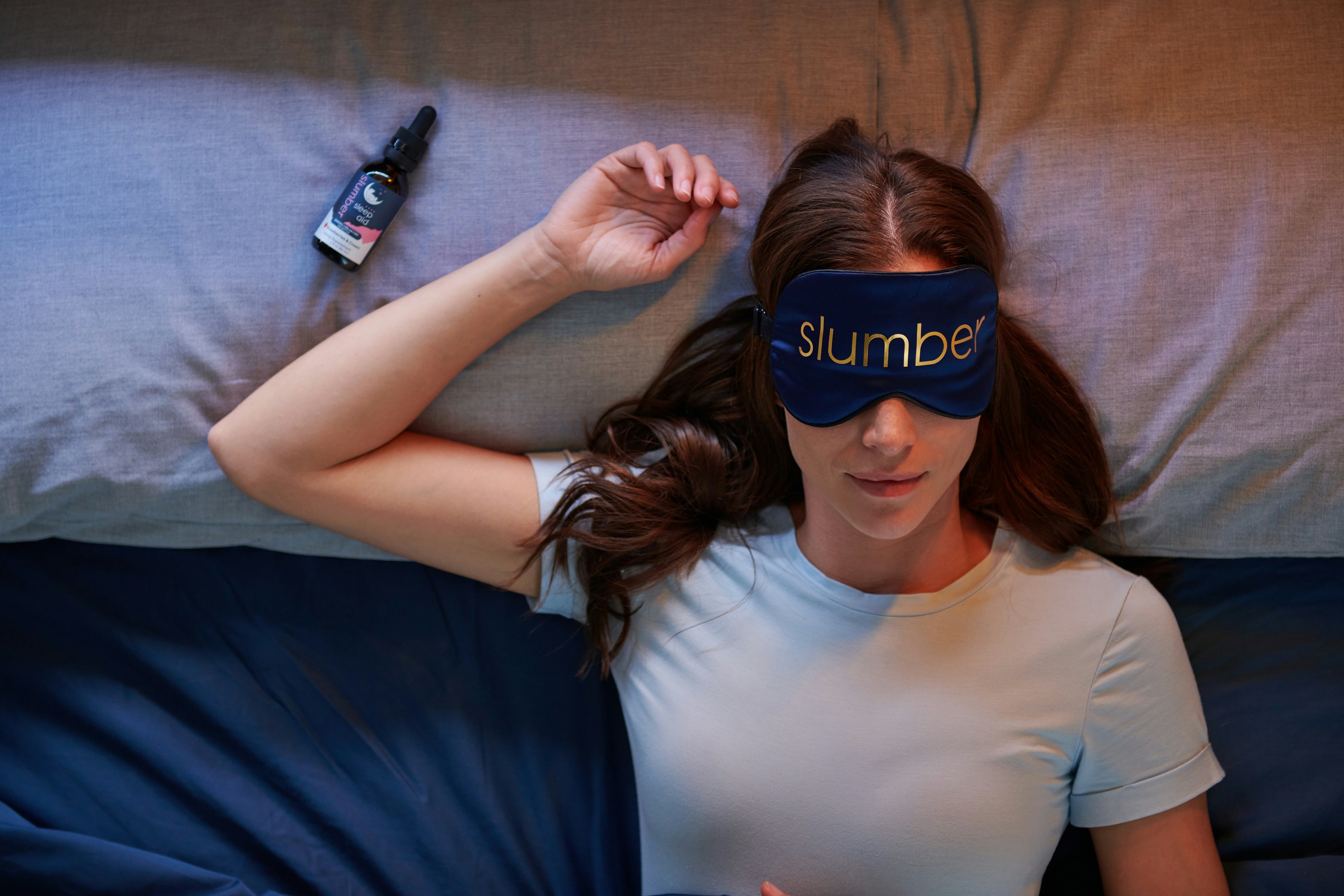
When light arrives at the “wrong” biological time—bright light at night or darkness during the day—the clock receives conflicting signals. Artificial light at night can suppress melatonin and push the clock later. Daytime sleep attempts then occur while the clock is still promoting wakefulness, which shortens and fragments sleep.
How Shift Work Creates Misalignment
Night and rotating schedules force abrupt changes in the sleep-wake cycle and light exposure. The central clock is relatively slow to shift. Field and laboratory studies show that after several consecutive night shifts, many workers still show melatonin and cortisol patterns closer to a day schedule. Peripheral clocks in other tissues can also fall out of step with the central clock and with each other.
Two processes normally work together for good sleep: a homeostatic sleep drive that builds the longer you stay awake, and the circadian drive for alertness that is high during the biological day. On night shifts these processes conflict. By the early morning hours, sleep pressure is high while the circadian system is still at a low point for alertness—making it hardest to stay sharp. After the shift, high sleep pressure helps you fall asleep, but the rising circadian signal for wakefulness later in the day often wakes you early or fragments the rest of the sleep period.
Illustrative Timeline: One Night Shift (Not Research Data)
Evening start
Body still oriented to day; melatonin may begin rising.
2–6 a.m.
Lowest circadian alertness; sleepiness often strongest.
Morning commute
Daylight and activity can further suppress sleep drive.
Daytime sleep
Clock still promoting wakefulness; sleep often shorter.
Immediate Effects on Sleep and Alertness
The most consistent short-term effects are reduced sleep duration, more fragmented sleep, and excessive sleepiness during work hours. Many night workers sleep fewer total hours than day workers when measured across 24-hour periods. Daytime sleep is particularly vulnerable to light, noise, and the rising circadian alertness signal.
Shift work disorder is the clinical term used when the schedule causes significant insomnia or excessive sleepiness that leads to distress or impairment. Not everyone who works shifts develops the disorder, but a substantial minority experience symptoms severe enough to meet criteria.
Common Sleep Challenges vs. Likely Contributors
This table summarizes frequent complaints and practical next steps. It is not a diagnostic tool.
| Challenge | Common contributor | Practical next step |
|---|---|---|
| Hard to fall asleep after night shift | Light exposure and residual alertness | Darken the room; limit bright screens |
| Waking after only a few hours | Circadian drive for wakefulness rising | Protect remaining sleep opportunity; quiet environment |
| Sleepiness mid-shift | Low circadian alertness + sleep debt | Strategic short nap if allowed; bright light early in shift |
| Grogginess on days off | Social jet lag from switching schedules | Keep sleep timing as consistent as possible |
Longer-Term Associations
Research links long-term shift work, especially night and rotating schedules, with higher rates of certain metabolic, cardiovascular, and other health concerns. Proposed mechanisms include repeated circadian misalignment, chronic sleep restriction, light-at-night effects on melatonin, and related changes in behavior such as meal timing and physical activity. Evidence strength varies by outcome; associations do not prove that every individual will develop problems.
If you have ongoing fatigue, mood changes, or other symptoms that interfere with daily life, speaking with a qualified healthcare professional is the appropriate next step. This article does not diagnose or treat any condition.
Sleep & Alertness
Shorter total sleep, fragmented daytime sleep, and work-time sleepiness are the most consistent findings.
Metabolic Signals
Meal timing out of sync with the clock and reduced sleep can influence glucose handling and appetite cues for some people.
Adaptation Limits
Only a minority of night workers show substantial phase shifts in key hormones even after consecutive nights.
Practical Ways to Support Your Rhythm
No strategy fully overrides the biological cost of working against the clock for everyone. Still, several evidence-informed habits can reduce the mismatch for some people.
Light Management
Seek brighter light during the early part of a night shift if it is safe and allowed. After the shift, reduce light exposure on the way home and while preparing for sleep—sunglasses can help on the commute. For daytime sleep, create as much darkness as possible.
Daytime Sleep Checklist
- Blackout curtains or a portable blackout solution that seals light gaps
- Comfortable sleep mask as a backup for residual light
- White-noise machine or earplugs to mask daytime household and street sound
- Cool, quiet room and a consistent pre-sleep wind-down
- Inform household members of protected sleep times when possible
Tools That Support Darkness and Quiet
Many shift workers find that controlling the sleep environment makes daytime rest more obtainable. Product choices vary by budget, rental restrictions, and noise levels. Check current details and reviews on Amazon; preferences and needs differ.
| Tool type | What it may help with | Who often looks at it |
|---|---|---|
| Blackout curtains | Blocking daylight for the whole room | People with a dedicated bedroom |
| Sleep mask | Portable light blocking close to the eyes | Travelers, side sleepers, residual light |
| White-noise machine | Masking sudden daytime sounds | Light sleepers near traffic or activity |
Explore options such as blackout curtains, sleep masks, and white-noise machines. Always follow manufacturer instructions and stop use if something causes discomfort.
Meal Timing, Activity, and Consistency
Eating at consistent times relative to your sleep period and avoiding large meals close to intended sleep can reduce some digestive discomfort for certain people. Physical activity after waking (on your “day”) and reduced activity before sleep may also help reinforce the intended schedule. On days off, keeping sleep timing as close as possible to workdays can limit social jet lag, though family and social needs often require compromise.
Decision Path: Protecting Daytime Sleep
Who Should Be Especially Careful
Older adults, people with existing sleep disorders, those managing cardiovascular or metabolic conditions, and pregnant people may experience stronger effects from disrupted schedules. If you have an implanted medical device, circulation concerns, or any condition that makes sleep or alertness critical, discuss schedule and coping strategies with your clinician. Never use sleep-related products as a substitute for medical advice.
Safety Note
If sleepiness affects driving or safety-critical tasks, do not continue without addressing it. Seek professional guidance for persistent insomnia, excessive sleepiness, or symptoms that disrupt work or daily function.
Comparing Schedule Types
Different shift patterns create different degrees of disruption. Individual tolerance varies widely.
| Schedule type | Typical rhythm challenge | Relative adaptation difficulty |
|---|---|---|
| Permanent night | Chronic night orientation vs. day-oriented society | High for most; partial adaptation possible for some |
| Rotating (forward) | Repeated phase delays | Moderate to high; forward rotation often preferred |
| Rotating (backward) | Phase advances that are harder for the clock | Often higher difficulty |
| Early morning | Shortened prior night sleep | Moderate; depends on prior bedtime |
Common Mistakes to Avoid
| Approach | Why it can backfire | Gentler alternative |
|---|---|---|
| Large caffeine late in shift | Can linger and impair daytime sleep | Earlier timing; taper before planned sleep |
| Switching fully to day schedule on every day off | Creates repeated jet-lag-like shifts | Partial overlap of sleep times when possible |
| Ignoring light on the commute home | Morning light can delay sleep onset | Sunglasses and reduced screen use |
FAQ
Does shift work permanently damage the circadian system?
Current evidence indicates the system is resilient. When people return to a regular day schedule with morning light exposure, the clock can realign. The difficulty is the ongoing misalignment while working nights, not irreversible damage for most people.
How long does it take to adapt to night shifts?
Full adaptation is uncommon. Many workers show little phase shift in melatonin or cortisol even after several consecutive nights. Partial behavioral adaptation (better daytime sleep) can occur for some, but the central clock often remains day-oriented.
Is daytime sleep as restorative as nighttime sleep?
Usually not. Daytime sleep is typically shorter and more fragmented because it occurs against the circadian drive for wakefulness and under greater environmental light and noise.
Can blackout curtains or a sleep mask really help?
Darkness supports melatonin and removes a strong wake-promoting signal. Many shift workers report better ability to fall and stay asleep when light is controlled. Results vary by individual and by how completely light is blocked.
When should I talk to a clinician?
Seek professional advice if sleep problems or sleepiness significantly affect safety, mood, work performance, or daily functioning, or if you have other medical conditions that interact with sleep and schedule.
Final Thoughts
Shift work affects circadian rhythm primarily through misalignment: you are awake when the internal clock expects sleep and asleep when it expects alertness. Most people do not fully shift their biological timing to a night schedule. The practical goal is not perfect adaptation but reducing the mismatch where you can—through darkness for daytime sleep, thoughtful light exposure, consistent routines, and realistic expectations.
Protect safety first. If fatigue or sleep disruption is interfering with daily life or work, talk with a qualified healthcare professional. Small environmental supports can make rest more obtainable for many people, yet they do not replace medical care when symptoms are significant.

