By Ryan Mitchell | Wellness & Relaxation
Quick Answer: Baths, hot tubs and saunas for stress relief can all help you slow down when used with care. Baths are private and easy to control, hot tubs add buoyancy and social time, and saunas offer short bursts of dry heat. Keep sessions brief, drink water, and skip heat if you feel unwell.
A quiet stretch of warmth can change how a hard day feels. Shoulders drop, breathing slows, and your mind gets a break from notifications. This guide compares three popular heat-based habits so you can choose a routine that fits your home, budget, and comfort level, then use it safely.
This article is for general educational information only. It does not diagnose, treat, cure, or prevent any condition. It does not replace advice from a licensed healthcare professional. Readers should seek professional help for severe, worsening, unusual, or persistent symptoms.
Why Warmth May Ease Stress
Many people find that warm water or dry heat helps tense muscles loosen and the body settle. Part of the effect is physical comfort. Part of it is simply a planned pause, which is rare in a busy week. Some people notice an easier wind-down before bed, although results vary from person to person.
Stress also shows up in the body. Clenched jaws, tight shoulders, and shallow breathing are common signs of a long day. A warm setting gives you a cue to notice those habits and release them on purpose, which may be why a simple soak feels so restorative.
The ritual often matters as much as the heat. Dim lights, no screens, and a clear start and end time usually do more than extra temperature. Still, heat is not a treatment for anxiety or any health condition. If stress feels constant, a licensed professional can offer support a soak cannot. For general background, see MedlinePlus on stress.
Baths, Hot Tubs and Saunas for Stress Relief: How Each One Works
Warm Baths
A bath is the simplest place to start. You control the water level, the temperature, and the mood, and you can stop the moment it stops feeling good. Choose comfortably warm water rather than steaming hot, because very hot water can leave you dizzy or drained. Many people like 15 to 30 minutes with soft lighting and a good book. Cost stays low and privacy stays high, which suits anyone who wants quiet.
Hot Tubs
A hot tub pairs warm water with gentle buoyancy, and many people enjoy jets on tight shoulders and the upper back. It can also be social, which helps if stress comes with feeling isolated. Most safety guidance suggests keeping water at or below 104°F and limiting a soak to about 15 minutes. Hygiene matters too, so choose tubs that look clean, are clearly maintained, and have posted rules. For general safety information, see the CDC’s healthy swimming resources.
Saunas
A sauna uses hot dry air in a traditional room, or radiant heat in an infrared cabin. Sessions are short, and the setting is usually quiet and screen-free, which many people find calming. Because the air is far hotter than bath water, begin with a few minutes, sit on a lower bench, and leave if you feel lightheaded or unwell. Rest and drink water afterward, and avoid pushing for longer sessions just to feel more relaxed.
Side-by-Side Comparison
This table lines up baths, hot tubs and saunas for stress relief on the points that shape a calm, repeatable routine.
Swipe left/right to see the full table →
| Feature | Bath | Hot Tub | Sauna |
|---|---|---|---|
| Typical cost | Low | Medium to high | Medium to high |
| Privacy | High at home | Varies by location | Varies by location |
| Typical session | 15–30 minutes | About 15 minutes | 5–20 minutes |
| Heat type | Warm water | Warm water with jets | Dry or infrared heat |
| Best for | Quiet evenings | Social, muscle-tense days | Short screen-free breaks |
| Upkeep | Quick rinse | Water care needed | Wipe benches, ventilate |
Notice that none of these wins on every point. The best choice is the one you can use calmly and safely, without stretching your budget or your comfort.
What They Share and What Sets Them Apart

Looking at the overlap makes it easier to choose by lifestyle instead of hype. The panel below separates the shared traits from the differences.
Overlap Panel
What all three share
Each one uses heat to encourage relaxation and a planned break from your day. Each also shares the same cautions: dehydration, dizziness, and extra risk with alcohol. None of them is a treatment for stress-related conditions.
What sets them apart
Baths give the most control and the lowest cost. Hot tubs add buoyancy, jets, and upkeep needs. Saunas bring hotter air and shorter sessions, so leaving early is part of the plan.
If you want simple and private, begin with a bath. If you want jets or company, consider a well-kept hot tub. If you like short, dry heat, try a sauna slowly.
Which Option Fits You? A Simple Decision Path
Use this path to match your needs. Even when baths, hot tubs and saunas for stress relief look like a good fit, your personal health comes first, and this is a general guide only.
Decision Path
Start here: Do you have heart or blood pressure concerns, are you pregnant, or do you take medicines that affect heat tolerance?
Yes: Ask your clinician before using heat. No: Continue.
↓
Want privacy and low cost? Choose a warm bath.
↓
Want jets or company? Choose a clean, well-maintained hot tub.
↓
Prefer short, dry heat? Try a sauna for a few minutes.
↓
Feeling unwell, dizzy, or sick today? Skip heat and rest.
When you are unsure, start with a lukewarm-to-warm bath. It is the easiest option to adjust and the easiest to leave.
Tip: Leave your phone outside the room and use a small kitchen timer instead. A set end time protects you from staying too long, and it keeps the break truly screen-free.
Safe Routine vs Risky Routine
Small habits decide whether a session leaves you calm or drained. Someone who soaks for 40 minutes in very hot water after a long day may feel wrung out, while a shorter, cooler soak with water nearby may feel much gentler.
Safer vs Riskier Habits
Swipe left/right to see the full table →
| Habit | Safer choice | Riskier choice |
|---|---|---|
| Temperature | Comfortably warm | Very hot to prove toughness |
| Time | Short and timed | Staying until you feel faint |
| Drinks | Water before and after | Alcohol before or during |
| Getting out | Slowly, with support | Standing up fast |
| Place | Clean, well-kept, rules posted | Unclear cleaning or rules |
Warning: Do not use alcohol, sedating medicines, or sleep aids before heat sessions. Heat can lower blood pressure and raise the chance of fainting. Never soak alone if you feel unwell, and ask a professional before using hot tubs or saunas during pregnancy or with children.
Safety Habits by Typical Priority
This practical guide shows how many people tend to rank safety habits. It is not scientific data.
Typical Routine Priority
Drink water before and after
Skip alcohol
Keep heat moderate
Time your session
Stand up slowly
Hydration and avoiding alcohol sit at the top because they often affect dizziness most directly. Moderate heat and timing come next.
How Often and How Long
There is no perfect schedule for baths, hot tubs and saunas for stress relief. Starting small and adjusting is a safer approach.
Typical Timing Guide
Swipe left/right to see the full table →
| Option | Typical length | Typical rhythm | Cool-down |
|---|---|---|---|
| Bath | 15–30 minutes | A few evenings a week | Rest 5 minutes, sip water |
| Hot tub | About 15 minutes or less | Occasional | Sit, drink water, stand slowly |
| Sauna | 5–20 minutes, start short | Occasional | Rest fully before any second round |
Watch how you feel the next day. If you notice headaches, heavy tiredness, or poor sleep, shorten sessions or take more days off.
Common Mistakes That Undo the Calm
Most disappointments come from a few repeat errors.
Mistake vs Better Choice
Swipe left/right to see the full table →
| Mistake | Better choice |
|---|---|
| Going too hot | Choose comfortably warm water or a lower bench |
| Bringing work or a phone | Keep screens outside and use a timer |
| Rushing a short session | Block time so you can cool down slowly |
| Skipping water | Sip water before and afterward |
| Using an unclear shared tub | Pick places that share cleaning details |
A calm routine is usually a boring routine. Repeat what works, and drop what leaves you lightheaded.
Can You Combine Them?
Some people follow a sauna with a warm shower, or soak in a bath after a sauna. Combining heat adds load to your body, so keep total time short and stop early. If you are new to heat, avoid stacking all three in one day. Spreading them across the week gives you a clearer sense of what actually helps you unwind.
Note: Cold plunges and ice baths after heat are a separate topic with extra risks. Skip them unless a clinician has said they are right for you.
Red Flags: When to Stop and Get Help
Some signs mean the session is over. Use this checklist as a general guide.
Red-Flag Checklist
Chest or breathing
Chest pain, pressure, or trouble breathing. Leave the heat and seek urgent medical help.
Faint or confused
Dizziness, fainting, confusion, or a racing heartbeat. Get out, sit down, and seek help if it does not pass quickly.
Skin changes
A new rash, itchy bumps, or open wounds after soaking. Pause heat sessions and ask a professional.
Pregnancy or medicines
Pregnancy, heart or blood pressure concerns, or heat-affecting medicines. Ask your clinician before starting.
Do not wait to see if red-flag signs pass on their own. If you feel unsafe, leave the heat and get help.
Self-Care vs Professional Help
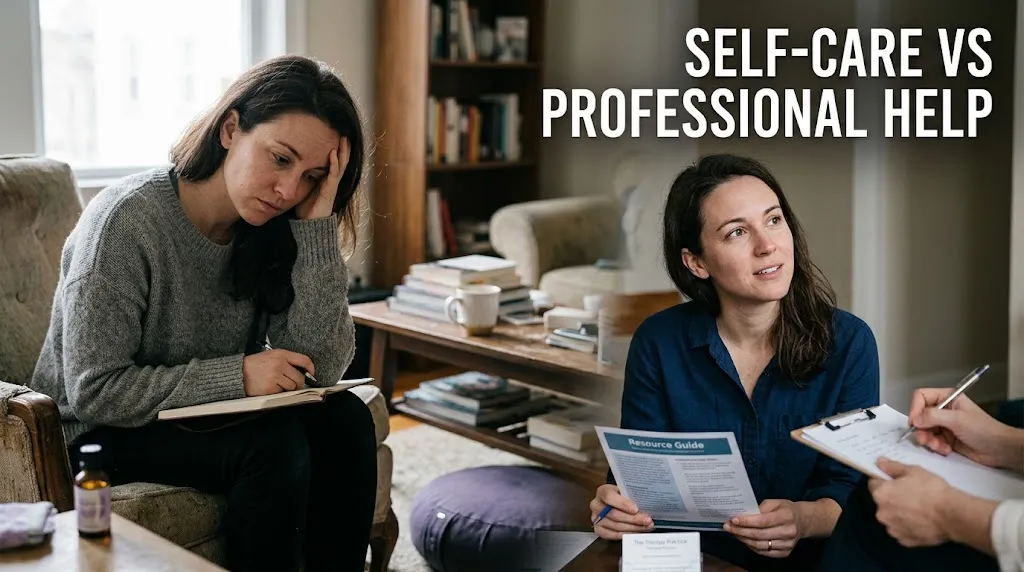
Not every uncomfortable feeling needs a clinic visit, but patterns matter. Use the table to decide whether a small change at home is enough or whether it is time to ask for help.
When to Self-Care vs Seek Help
Swipe left/right to see the full table →
| Situation | Self-care step | Seek help if |
|---|---|---|
| Mild tiredness after a soak | Shorten the next session | It keeps happening or worsens |
| Dry or tight skin | Use lukewarm water and moisturize | A rash spreads or looks infected |
| Trouble winding down | Try an earlier, cooler session | Sleep problems continue |
| Ongoing stress or low mood | Add a calm routine you enjoy | It affects work, sleep, or daily life |
| Lightheadedness | Leave, sit, and sip water | You faint or have chest pain |
When to contact a professional: Get urgent medical help for fainting, chest pain, trouble breathing, numbness, severe headache, or confusion. Talk with a clinician if you are pregnant, have heart or blood pressure concerns, have diabetes, or take regular medicines. Seek support if stress feels constant, disrupts sleep or daily life, or leaves you feeling hopeless.
A Simple Calm Session Flow
This five-step flow works for most home baths and can be adapted for other settings.
Session Flow
→
→
→
→
Skip the session on days you feel ill, overheated, or lightheaded. Consistency matters less than comfort and safety.
Simple Add-Ons for a Calmer Bath
This article may contain affiliate links. If you buy through these links, we may earn a small commission at no extra cost to you. We only mention products that fit the topic and do not replace professional medical advice.
These simple extras may make a home bath easier to enjoy. Look for items made for bathtubs and check the seller’s safety notes before using them. None of them replace professional care.
Waterproof Bath Pillow
May support comfort by cushioning your head and neck during a relaxing soak.
Floating Bath Thermometer
Can help you check that water is comfortably warm instead of guessing.
Bath Caddy Tray
May make a screen-free routine more enjoyable by holding a book or a cup of tea.
Frequently Asked Questions
Are baths, hot tubs and saunas for stress relief safe every day?
For many healthy adults, short and moderate sessions are tolerated, but daily heat is not right for everyone. Ask a clinician if you have any health concerns.
Which is best for stress: a bath, hot tub, or sauna?
There is no single winner. A bath suits privacy and budget, a hot tub suits social time, and a sauna suits short dry heat. Pick what you can do safely and consistently.
How long should I stay in a hot tub?
Many guidelines suggest about 15 minutes or less, with water at or below 104°F. Leave sooner if you feel dizzy or unwell.
Is a sauna or a warm bath better before bed?
Some people find a warm bath an hour or two before bed helps them wind down, while others feel too stimulated after a sauna. Try each and notice how you sleep.
Can I use a hot tub or sauna while pregnant?
Heat exposure during pregnancy needs professional guidance, so talk with your doctor or midwife before using either one.
Should I drink anything during a heat session?
Water before and after is a sensible habit. Avoid alcohol, which can raise the chance of dizziness and fainting.
Final Thoughts
Baths, hot tubs and saunas for stress relief work best as gentle habits, not cures. Start with short sessions, keep the heat moderate, and drink water. Pick the option that feels easiest to repeat safely. If symptoms are severe, worsening, unusual, persistent, or not improving, please talk with a licensed healthcare professional.
Author
-

Hi, I’m Ryan Mitchell, a wellness and relaxation writer at RemedyTip.com, where I focus on helping readers better understand stress management, relaxation techniques, mindfulness, sleep improvement, and everyday wellness habits. I have developed a strong knowledge of the Wellness & Relaxation field through sustained learning, in-depth research, and a continued commitment to exploring practical approaches to well-being.
My work focuses on researching wellness topics, examining available evidence, and turning complex information into clear, accessible, and actionable guidance. I’m continually exploring new findings, relaxation practices, and lifestyle strategies to help readers make informed decisions about their daily wellness routines. At RemedyTip.com, my goal is to share trustworthy, research-informed content that encourages healthier habits, greater relaxation, and a more balanced lifestyle.