
By Ryan Mitchell
Last updated: October 24, 2026
Quick Answer
Feeling sleepy after lunch is usually normal. It often comes from your body’s natural afternoon alertness dip plus the digestive work of a meal. Larger or carb-heavy lunches can amplify the feeling. Simple meal and timing adjustments often help.
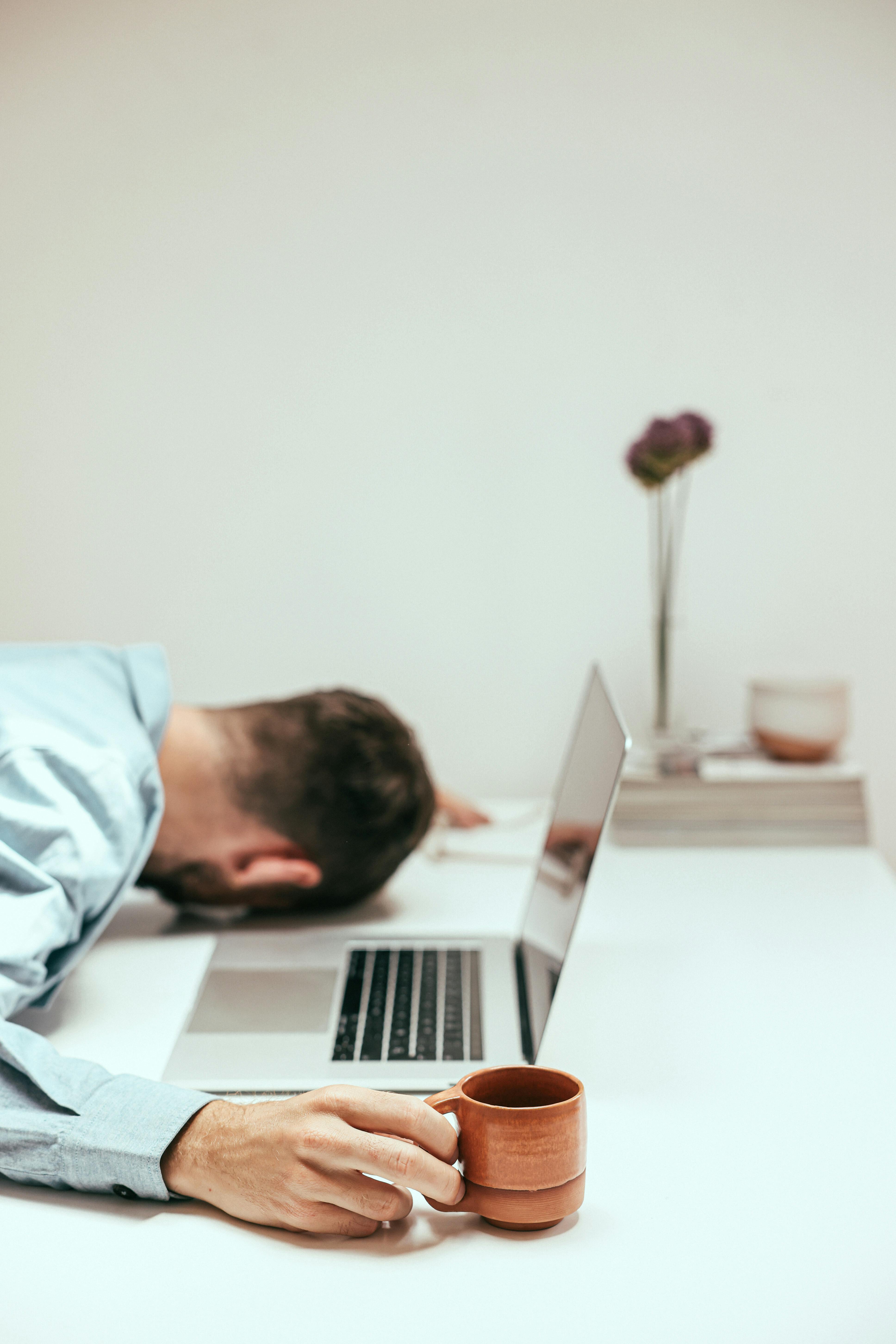
That heavy-eyed stretch an hour or two after lunch is something most people recognize. You finish eating, sit back down, and focus becomes harder. This common experience has a name: postprandial somnolence, sometimes called a “food coma.” It is rarely a sign that something is wrong on its own.
Several ordinary processes stack together around midday. Understanding them makes it easier to soften the dip without extreme changes.
Key Takeaways
- A natural early-afternoon dip in alertness is built into your body clock.
- Meal size and composition can make the dip feel stronger.
- Blood-sugar swings and gut signals also play roles for some people.
- Small, practical changes to lunch and daily rhythm often ease the feeling.
What Happens in Your Body After Lunch
After you eat, your digestive system becomes the priority. The parasympathetic (“rest-and-digest”) side of your nervous system increases its activity. This shift supports nutrient absorption and can leave you feeling calmer and lower-energy.
At the same time, blood glucose rises and insulin responds. For many people this is a smooth process. When the meal is large or high in rapidly digested carbohydrates, the rise and later fall can feel more noticeable. Glucose also influences wake-promoting brain cells that use a chemical called orexin; higher glucose can quiet some of those signals.
Gut hormones released after eating, such as cholecystokinin, add another layer. They help signal fullness and can contribute to a sense of heaviness. None of these processes is a flaw—they are part of how the body handles a meal.
The Afternoon Circadian Dip
Even if you skipped lunch, many people still feel a natural drop in alertness in the early-to-mid afternoon. This is part of the body’s circadian rhythm—the roughly 24-hour pattern that governs sleepiness and wakefulness. The dip often lands between roughly 1 p.m. and 4 p.m., right when many people eat lunch.
When a meal and this built-in low point coincide, the sleepy feeling can feel stronger. That combination is one of the main reasons the post-lunch stretch is so familiar.
How Factors Stack in the Afternoon
Circadian dip
Natural early-afternoon lower alertness
Meal size
Larger meals increase digestive demand
Carb load
Rapid carbs can widen blood-sugar swings
Sleep debt
Short nights make the dip feel deeper
Common Contributors to Post-Lunch Sleepiness
Several everyday factors can make the afternoon dip more noticeable. Most are adjustable.
Meal Size and Composition Comparison
Portion size and the balance of protein, fiber, fat, and carbohydrates influence how heavy the post-meal feeling becomes for many people.
| Meal pattern | Typical effect | Practical note |
|---|---|---|
| Large, refined-carb heavy | Stronger, longer dip for many | Common office lunch pattern |
| Moderate with protein + fiber | Milder energy change | Slower digestion, steadier feel |
| Very high-fat or very large | Prolonged fullness and heaviness | Digestive workload rises |
| Lighter balanced plate | Often less noticeable dip | Easier to pair with a short walk |
Individual responses vary. What feels heavy to one person may feel fine to another.
Blood-Sugar Swings and Insulin Response
A quick rise in blood glucose from refined carbohydrates can be followed by a relatively sharp drop for some people. That swing can leave you feeling foggy or drained an hour or two later. Pairing carbohydrates with protein, fiber, and some fat tends to slow the rise and may reduce the later crash for many.
Sleep Debt and Daily Rhythm
If you are already carrying a sleep debt from short nights, the natural afternoon dip becomes more obvious. Consistent sleep timing and sufficient total sleep are among the strongest long-term supports for daytime alertness.
Other Influences Worth Knowing
Dehydration, certain medications that cause drowsiness, alcohol with lunch, and underlying issues such as untreated sleep apnea, thyroid concerns, or iron deficiency can all amplify post-meal tiredness. If the sleepiness is severe, new, or paired with other symptoms, it is worth discussing with a clinician.
Is It Mostly the Meal or Mostly the Clock?
More meal-driven
- Dip is stronger after large or very carb-heavy lunches
- Feel better on lighter days
- Sleepiness tracks closely with meal size
More clock-driven
- Still feel the dip even on light days or skipped lunch
- Timing is fairly consistent day to day
- Improves with better overnight sleep
Practical Ways to Soften the Post-Lunch Dip
You do not need a perfect lunch every day. Small, repeatable adjustments often make a noticeable difference.
Build a Steadier Lunch Plate
Aim for a plate that includes a source of protein, fiber-rich vegetables or whole grains, and some healthy fat. This combination usually digests more gradually than a large refined-carbohydrate meal alone.

Lunch Choices That Support Alertness
| Include more often | Use with moderation | Why it matters |
|---|---|---|
| Lean protein (chicken, fish, eggs, beans, tofu) | Large refined-carb portions | Supports steadier energy release |
| Vegetables and fiber | Sugary drinks with the meal | Slows digestion of carbs |
| Some healthy fat (avocado, nuts, olive oil) | Very large portions overall | Helps satiety without excess volume |
| Water or unsweetened drinks | Alcohol at lunch | Supports hydration and alertness |
Timing and Movement After Eating
A short walk after lunch is one of the simplest tools many people find helpful. Even 5–15 minutes of easy movement can lift energy and support digestion. Sitting still right after a large meal often lets the sleepy feeling settle in more deeply.
Simple Post-Lunch Routine (Illustrative)
0–5 min
Finish eating, sip water
5–20 min
Easy walk or light stretch
Next hour
Start focused work tasks
If needed
Short outdoor light break
Protect Overnight Sleep
The strongest foundation for afternoon alertness is still consistent, adequate sleep. Keeping a regular bedtime and wake time, limiting late caffeine, and giving yourself a wind-down period before bed all support the next day’s energy curve.
When the Sleepiness Deserves Extra Attention
Mild post-lunch drowsiness that improves with better meal balance and sleep is common. Stronger or persistent patterns are worth a conversation with a healthcare professional, especially if they interfere with work, driving, or daily life.
| Pattern | Possible next step |
|---|---|
| Mild, predictable, improves with lighter lunch | Continue practical adjustments |
| Strong sleepiness even after small meals | Mention to a clinician; review sleep and meds |
| Accompanied by dizziness, confusion, or other new symptoms | Seek medical advice promptly |
| History of diabetes, sleep apnea, or thyroid issues | Discuss with your care team |
Safety Note
This article offers general information only. It is not personal medical advice. If post-meal sleepiness is severe, sudden, or paired with other concerning symptoms, contact a qualified healthcare professional. People who are pregnant, managing chronic conditions, or taking medications that affect alertness should check with their clinician before making significant routine changes.
Common Mistakes That Make the Dip Worse
| Habit | Why it can backfire | Gentler alternative |
|---|---|---|
| Skipping breakfast then overeating at lunch | Larger midday load | Steady, moderate meals |
| Relying only on extra coffee | May disrupt later sleep | Address meal and sleep first |
| Sitting still right after a big meal | Lets sleepiness settle in | Short easy walk |
| Very late or irregular bedtimes | Builds daytime sleep pressure | More consistent sleep schedule |
Decision Snapshot: What to Try First
- Check last night’s sleep — one short night can deepen the next day’s dip.
- Lighten or rebalance today’s lunch — add protein and fiber, reduce volume if needed.
- Move for a few minutes — a short walk is often more helpful than another coffee alone.
- Track the pattern for a week — notice whether meal changes or sleep changes help most.
Frequently Asked Questions
Is feeling sleepy after lunch normal?
Yes for most people. A mild dip is common and usually reflects the natural afternoon drop in alertness combined with digestion. It becomes less typical when the sleepiness is extreme, sudden, or interferes with daily activities.
Does turkey or tryptophan cause the post-meal crash?
The popular turkey-and-tryptophan story is largely a myth. While tryptophan can influence brain chemistry, meal size, overall composition, and the timing of the circadian dip matter more for most people.
Can I prevent the afternoon dip completely?
Complete prevention is unrealistic because the circadian dip is a normal biological feature. You can often make it milder and shorter by improving overnight sleep, moderating lunch size, balancing the plate, and adding light movement afterward.
Should I take a nap after lunch?
A short nap (about 10–20 minutes) works well for some people and can leave them more refreshed. Longer naps may cause grogginess or affect nighttime sleep. Experiment carefully and notice how you feel afterward.
When should I talk to a doctor about post-lunch sleepiness?
Consider a conversation if the sleepiness is new, severe, happens after small meals, comes with other symptoms (dizziness, unexplained weight changes, loud snoring, excessive daytime sleepiness overall), or affects safety (driving, operating equipment).
Does caffeine after lunch help?
Moderate caffeine can increase alertness for some people. Timing matters—late-day caffeine can make it harder to fall asleep at night, which may worsen the next day’s dip. Use it as a temporary tool rather than the only strategy.
Final Thoughts
Feeling sleepy after lunch is usually the predictable result of a natural afternoon alertness dip meeting the work of digestion. Meal size, composition, overnight sleep, and daily movement all influence how strong that feeling becomes.
Start with the simplest levers: a more balanced lunch, a short walk afterward, and steadier nighttime sleep. If the pattern feels extreme or out of character, bring it up with a healthcare professional so any underlying factors can be checked. Small, consistent adjustments are usually enough for everyday comfort.