
By Ryan Mitchell
Last updated: October 24, 2026
Quick Answer: Illness increases the need for sleep because immune signals (especially cytokines such as IL-1β and TNF-α) act on the brain to raise non-REM sleep, lower activity, and conserve energy while the body mounts a defense and supports fever. This “sickness behavior” is a normal, adaptive response—not laziness.
When a cold, flu, or other infection hits, the urge to sleep longer and more deeply is one of the first changes many people notice. That extra drowsiness is not random. It is a coordinated response between the immune system and the brain that helps the body prioritize recovery.
Understanding why illness increases the need for sleep can make it easier to honor rest without guilt, recognize when sleep is fragmented by symptoms, and know when extra sleep alone is not enough.
Key Takeaways
- Pro-inflammatory cytokines signal the brain to increase sleep drive during infection.
- More non-REM sleep and less REM sleep support energy conservation and fever generation.
- Extra time in bed is often adaptive, even if sleep feels lighter or more broken.
- Persistent extreme fatigue or sleep that does not improve with recovery warrants a clinician’s review.
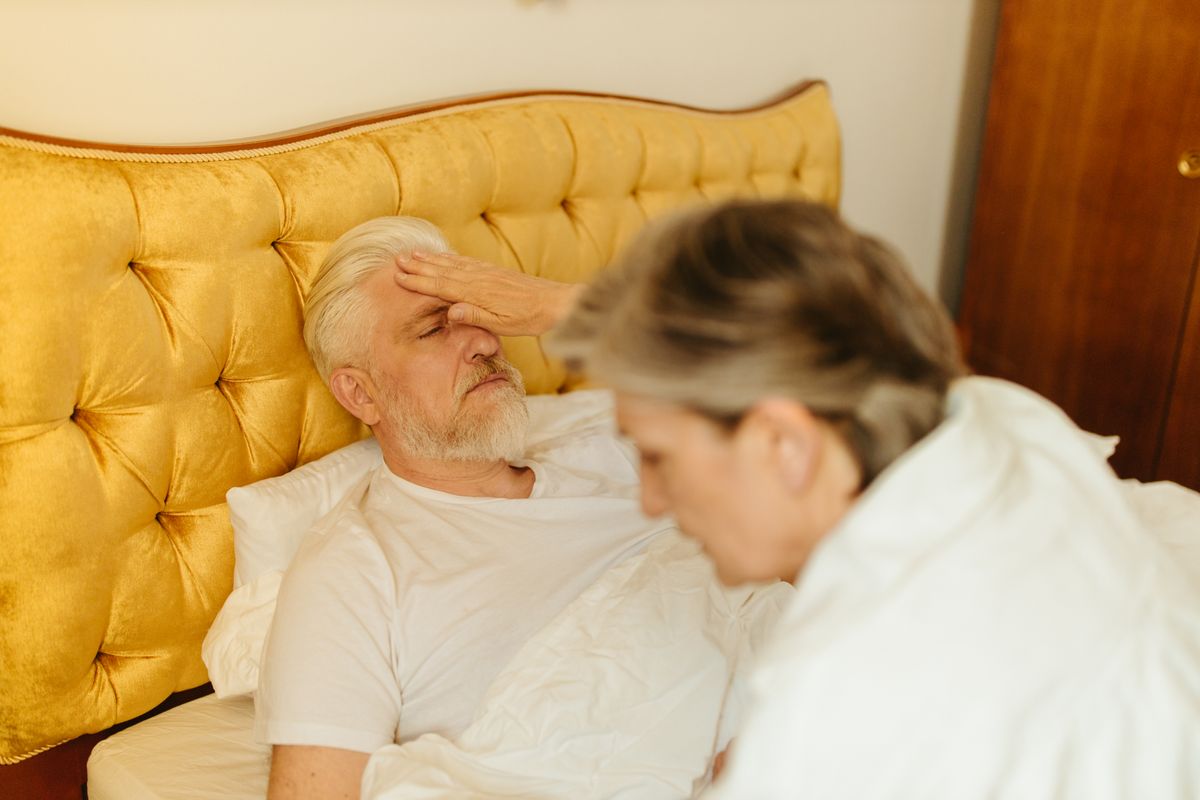
Why the Body Demands More Sleep When You Are Ill
Infection triggers the release of signaling proteins called cytokines. Among the best studied for sleep are interleukin-1 beta (IL-1β) and tumor necrosis factor-alpha (TNF-α). These molecules help coordinate inflammation and also act on brain circuits that regulate sleep and wakefulness.
The result is a shift toward greater sleep propensity, especially non-rapid-eye-movement (NREM) sleep, and often a reduction in rapid-eye-movement (REM) sleep. Researchers describe this pattern as part of “sickness behavior”—a suite of changes that includes fatigue, reduced motivation, lower social drive, and a preference for rest.
These changes are not merely side effects of feeling unwell. They appear across many species and are thought to conserve metabolic resources, support tissue repair, and help the body generate and maintain a fever, which can make the internal environment less hospitable to some pathogens.
How Immune Signals Reach Sleep Centers
1. Pathogen detection
Immune cells recognize microbial components and release cytokines.
2. Brain signaling
Cytokines influence sleep-regulating regions via blood, nerves, and local production.
3. Behavioral shift
Sleep drive rises; activity and social interest often fall.
What Changes in Sleep Architecture During Illness
Studies in animals and observations in people with everyday respiratory infections show a fairly consistent pattern: total time spent asleep or in bed often increases, NREM sleep rises, REM sleep is reduced, and sleep can become more fragmented when symptoms peak.
Fragmentation does not cancel the value of extra rest. Spending more hours in bed can still deliver more total sleep even if awakenings increase. Once acute symptoms ease, sleep patterns usually drift back toward the person’s baseline.
Typical Sleep Shifts During Acute Infection
The table below summarizes common directional changes reported in research on infection-related sleep. Individual experience varies with the pathogen, fever intensity, age, and other factors.
| Feature | Common direction during illness | Possible functional role |
|---|---|---|
| NREM / slow-wave sleep | Often increased | Energy conservation, immune support |
| REM sleep | Often reduced | May allow better fever-related thermoregulation |
| Total sleep or time in bed | Often longer | Compensates for fragmentation |
| Sleep continuity | May be more broken | Linked to symptoms and inflammation intensity |
Illustrative Energy Trade-Off (Conceptual)
This simple meter shows the idea that waking activity competes with immune and repair work. It is illustrative only, not measured data.
Higher sleep allocation during illness → more resources available for defense and recovery.
Energy Conservation, Fever, and Immune Support
Fever is metabolically expensive. Raising and holding a higher core temperature requires energy. By reducing physical activity and increasing sleep, the body can redirect limited resources toward the immune response and heat production.
Sleep also participates in immune regulation. During rest, certain immune processes—including aspects of cytokine balance and immune-cell trafficking—are supported. The relationship is bidirectional: immune activation changes sleep, and sleep quality influences how well the immune system functions over time.
This does not mean more sleep “cures” an infection. It means the extra drive to rest is part of a coordinated host-defense program that has been conserved because it tends to improve outcomes under natural conditions.
Practical Reasons Extra Sleep Helps During Illness
| Reason | What it supports |
|---|---|
| Lower voluntary activity | Energy saved for immune work and fever |
| Increased NREM sleep | Restorative processes and reduced energy use |
| Reduced social drive | Less exposure risk for others; more rest for the host |
| Symptom-driven time in bed | Opportunity for more total sleep despite awakenings |

When Sleep Feels Broken Even Though You Are Exhausted
Many people notice a paradox: they feel drained yet wake frequently because of coughing, congestion, body aches, or fever fluctuations. This does not mean the increased sleep need is imaginary. It means symptoms and inflammation can simultaneously raise sleep drive and disrupt continuity.
Practical steps that often help include elevating the head for congestion, keeping the room comfortably cool, staying hydrated, and allowing flexible nap or earlier bed times while acute symptoms last. Avoid forcing a rigid schedule that fights the body’s current need for rest.
Suitable for most people
- Extra time in bed while symptoms are high
- Short daytime rests if night sleep is broken
- Cool, dark, quiet environment
- Gentle hydration and light meals as tolerated
Use extra caution
- Fever in young children or older adults
- Difficulty breathing or chest pain
- Confusion or inability to stay hydrated
- Pregnancy or chronic conditions—check with a clinician
Common Symptoms Versus Likely Contributors to Sleep Disruption
| What you notice | Frequent contributor | Simple next step |
|---|---|---|
| Frequent night waking | Congestion, cough, fever swings | Elevate head; cool room; fluids |
| Heavy daytime sleepiness | Cytokine-driven sleep drive | Allow rest; avoid forcing activity |
| Restless or light sleep | Aches, temperature discomfort | Comfortable bedding; light layers |
| Sleep need remains high after symptoms fade | Recovery phase or other factors | Gradual return to routine; seek care if prolonged |
How Long the Extra Sleep Need Usually Lasts
For typical short-lived respiratory infections, the strongest increase in sleep need often tracks the days of peak symptoms. As fever and systemic inflammation settle, daytime sleepiness and total sleep time usually trend downward.
Some people still feel more tired for several days afterward while the body finishes repair work. A gradual return to normal activity is often more realistic than an abrupt full schedule.
Simple Recovery Timeline (Typical Acute Illness)
Days 1–3
Highest sleep drive; prioritize rest
Days 4–7
Symptoms ease; sleep still protected
Afterward
Gradual return to usual schedule
Timelines vary widely; this is a practical orientation, not a medical rule.
Who May Need Extra Caution Around Fatigue and Sleep
| Group | Why extra attention matters |
|---|---|
| Older adults | Infection and dehydration risks can rise; sleep changes may be harder to interpret |
| Pregnant or postpartum readers | Fatigue has multiple causes; clinician guidance is important |
| People with chronic conditions | Illness can interact with existing treatments or symptoms |
| Caregivers of young children | Interrupted sleep plus infection can compound exhaustion |
Safety Note
Extra sleep is a normal response to many acute illnesses, but it is not a substitute for medical care. Contact a qualified healthcare professional for high or persistent fever, breathing difficulty, severe pain, confusion, inability to keep fluids down, symptoms that worsen after initial improvement, or fatigue that lasts well beyond recovery. This article does not diagnose or treat any condition.
Practical Ways to Support Rest Without Overcomplicating It
When the body is asking for more sleep, the most useful steps are usually simple: protect time for rest, reduce non-essential demands, keep the sleep environment comfortable, and stay hydrated. Light movement or a short walk outdoors once energy begins to return can help re-anchor daily rhythm, but there is no need to “push through” peak illness days.
Avoid stacking stimulants late in the day if they further fragment night sleep. If congestion is the main interrupter, simple positional changes or saline rinses (used as directed) are often more helpful than forcing longer hours in an uncomfortable position.
Rest-Support Checklist
- Allow flexible bed and nap timing while symptoms are strong
- Keep the room cool, dark, and quiet when possible
- Elevate the upper body if congestion interrupts sleep
- Sip fluids regularly; choose easy-to-digest foods
- Scale back non-urgent obligations for a few days
- Resume usual sleep timing gradually once you feel better
Helpful Habits Versus Common Pitfalls
| Helpful approach | Common pitfall |
|---|---|
| Honoring sleepiness when symptoms peak | Treating the need for rest as laziness |
| Flexible schedule for a few days | Forcing normal work and social load |
| Comfortable temperature and position | Overheating under heavy covers with fever |
| Gradual return to routine | Immediate full intensity after first good day |
Decision Snapshot: Rest or Seek Care?
Usually OK to rest at home
Mild–moderate symptoms, improving over days, able to drink and rest.
Contact a clinician
Worsening breathing, high fever that does not settle, severe weakness, or prolonged extreme fatigue.
Frequently Asked Questions
Is sleeping more when sick a sign of a weak immune system?
No. Increased sleep is a normal, adaptive response driven largely by immune signals that promote rest. It is part of how the body reallocates energy during an infection, not evidence that the immune system is failing.
Why do I still feel tired after the fever is gone?
Recovery often continues after the most intense inflammatory signals fade. Tissue repair, residual sleep debt from fragmented nights, and gradual normalization of energy levels can leave you feeling more tired for several days. Persistent extreme fatigue should be discussed with a healthcare professional.
Does more sleep actually help the immune system?
Adequate sleep supports healthy immune function over time, and the sleep changes that occur during infection appear to be part of an adaptive host-defense program. Sleep is one supportive factor among many; it does not replace medical care when that is needed.
Should I force myself to stay awake during the day when sick?
Usually no. Short daytime rests that match how you feel are often more helpful than fighting strong sleepiness, especially early in an illness. Once recovery is underway, returning toward a consistent daytime schedule can support nighttime sleep.
Can lack of sleep make me more likely to get sick?
Research links shorter or poorer sleep with greater susceptibility to some common infections. Maintaining consistent, sufficient sleep is one practical way to support resilience, though it is not a guarantee against illness.
When is extreme sleepiness a reason to call a doctor?
Seek medical advice if sleepiness is accompanied by trouble breathing, chest pain, confusion, inability to stay awake or hydrate, a fever that is very high or prolonged, or fatigue that continues long after other symptoms resolve. Trust significant changes from your usual pattern.
Final Thoughts
Illness increases the need for sleep because the immune system and the brain work together to favor rest, conserve energy, and support recovery processes including fever. The extra drowsiness you feel is usually a purposeful signal, not a personal failing.
Honor that signal with practical rest, stay attentive to red-flag symptoms, and consult a qualified healthcare professional when recovery is not progressing as expected. Simple, consistent care of sleep remains one of the most reliable everyday supports for overall wellness.

