Knees often swell when fluid builds up after overuse, irritation, minor twists, arthritis flare-ups, or long periods of sitting or standing. Mild swelling may improve with cold therapy, compression, elevation, and gentle movement, but sudden, severe, or hot swelling should be checked promptly.
I am Ethan Carter, and I have spent years testing massage tools, recovery products, and pain relief methods at home. When knees swell, people usually want a simple answer and a practical plan. In this guide, I will walk you through what may be causing it, what can help, what to avoid, and which recovery tools are actually worth considering.
Quick Answer
If your knees are swollen, the most common reasons are overuse, joint irritation, stiffness after activity, minor strain, or inflammation that causes extra fluid to collect around the knee. In many mild cases, cold therapy, light compression, elevation, and gentle movement can help calm things down.
What Knee Swelling Usually Means
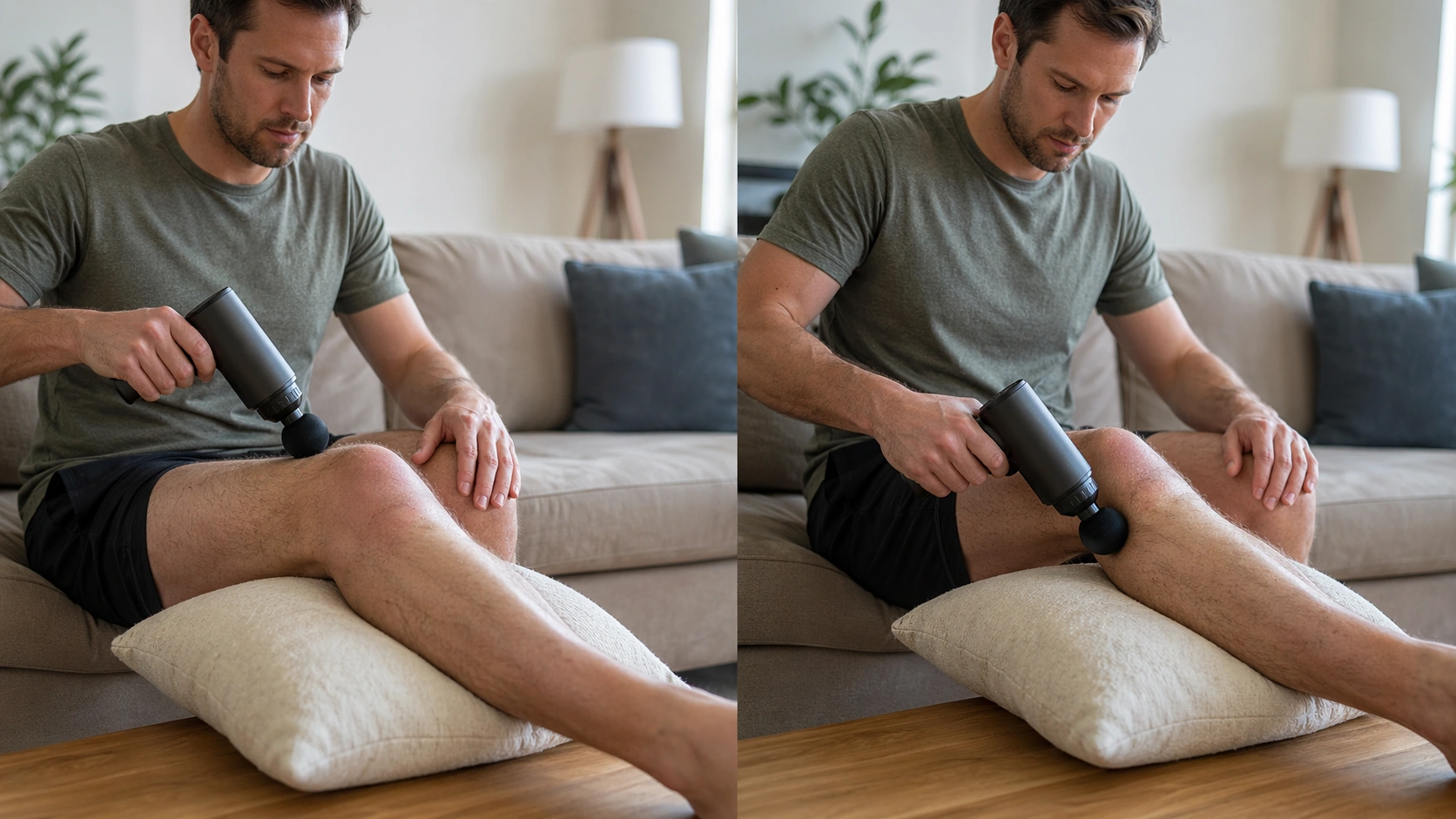
Knee swelling usually means the area is irritated and holding extra fluid. That can happen after a long walk, a hard workout, a minor twist, a long day at a desk, or a flare-up of joint irritation. Sometimes the knee feels tight and puffy. Other times it feels stiff, sore, and hard to bend fully.
What swelling actually is
In simple terms, swelling is your body reacting to stress. The knee and the tissues around it can become irritated, and fluid builds up. That extra fluid creates pressure, which often leads to stiffness, soreness, and reduced range of motion.
Common everyday reasons your knees may swell
- Doing more walking, squatting, stairs, or exercise than usual
- Sitting too long, then moving with stiff legs and tight hips
- Standing for long hours at work
- Minor strain after sports or yard work
- Joint irritation related to age, past injuries, or arthritis
- Tight quads, hamstrings, calves, and poor movement mechanics
Why swelling matters for comfort and recovery
When the knee is swollen, the muscles around it often tighten up to protect the joint. That can reduce circulation, make walking feel awkward, and lead to more tension in the thighs and calves. In my experience, that is why a swollen knee often feels bigger than just a knee problem. It can turn into a full-leg stiffness issue.
How Knee Swelling Works in the Body
Swelling is not only about the joint. It also changes how the surrounding muscles, fascia, and soft tissue behave.
Inflammation and fluid buildup
When the knee gets irritated, your body sends more fluid to the area. That response is meant to protect you, but it also creates pressure and a puffy feeling. If the area is warm, tender, and fresh after activity, that usually tells me the knee needs calming down first, not aggressive treatment.
Muscle tightness, stiffness, and limited range of motion
Tight quads, hamstrings, calves, and hip muscles can change how the knee tracks and handles force. Once the knee swells, those muscles often become even tighter. That is why many people notice a stiff knee in the morning, discomfort after sitting, or soreness when using stairs.
How posture, overuse, and circulation can make it worse
Bad posture, desk-job stiffness, and repetitive movement can all add stress to the knees. When you sit for long periods, the muscles around the hips and legs can get tight and circulation can feel sluggish. Then, when you stand up and move, the knee may feel stiff, swollen, or unstable.
How to Relieve a Swollen Knee at Home Step by Step
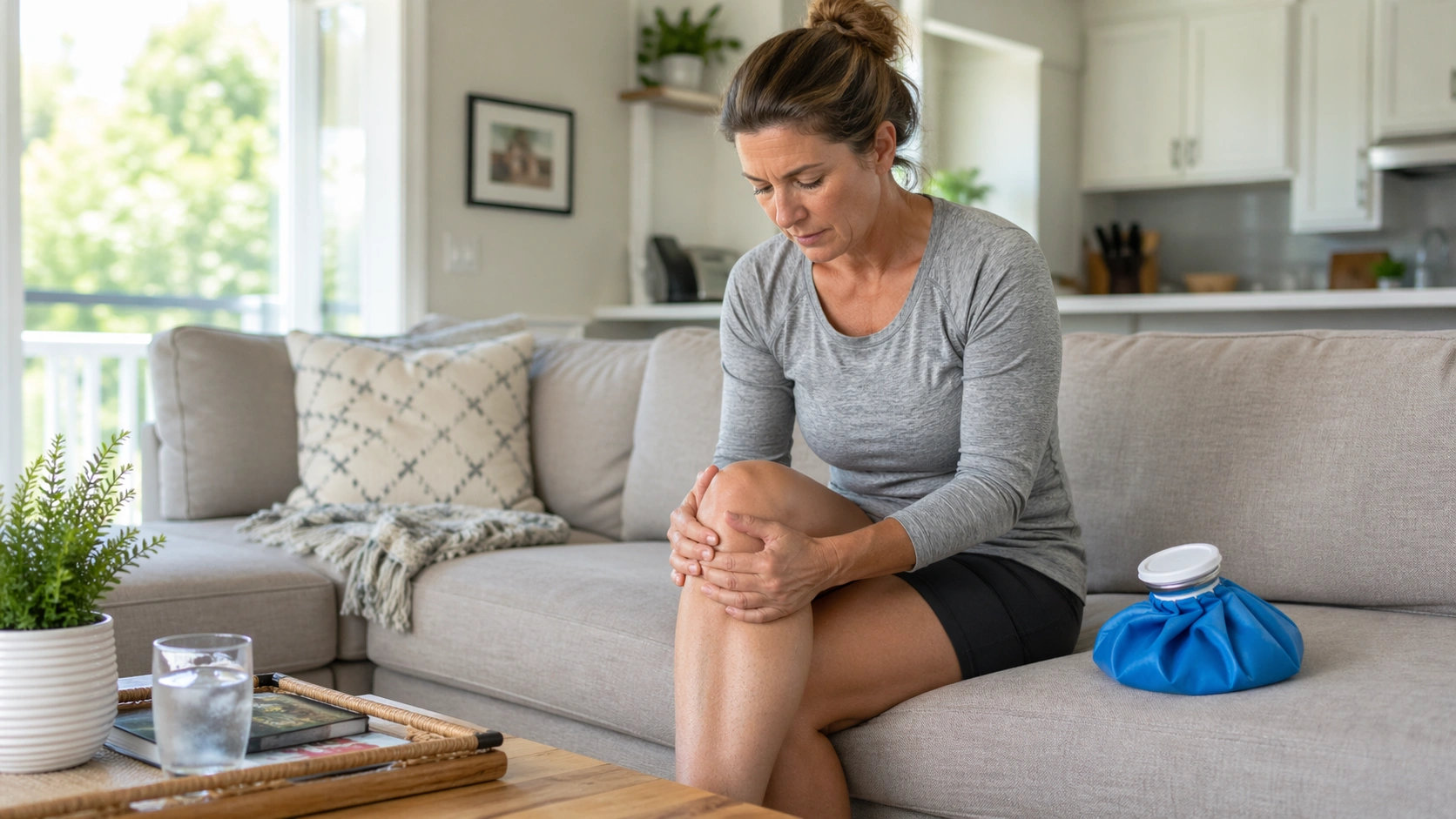
If the swelling is mild and there are no major warning signs, this is the home routine I usually suggest first.
Step 1: Reduce load and pause aggravating activity
Take a break from the thing that seems to be irritating the knee. That might mean fewer stairs, less squatting, no jumping, and shorter walks for a day or two. You do not need to become fully inactive, but you do want to stop poking the problem.
Step 2: Use cold therapy the right way
Cold packs often work well when the knee feels fresh, puffy, warm, or irritated after activity. Use a wrapped ice pack or a knee ice wrap for 10 to 15 minutes at a time. Give your skin a break between sessions. This may help calm swelling and soreness.
Step 3: Add light compression
A light compression sleeve or wrap can support the area and help some people feel more stable during daily movement. The fit should feel snug, not tight enough to cause numbness, tingling, or more pressure.
Step 4: Elevate to reduce pressure
When you rest, prop the leg up so the knee is slightly elevated. This can be especially helpful after a long day on your feet or after exercise.
Step 5: Keep gentle movement in the routine
Complete rest can sometimes make the joint feel even stiffer. Gentle ankle pumps, slow knee bends within a comfortable range, and short easy walks around the house may support circulation and reduce that locked-up feeling.
Step 6: Try light self massage around the joint, not on a hot swollen area
This is where people often get it wrong. If the knee is hot, newly swollen, or very tender, I do not recommend deep massage directly on the kneecap or the swollen area. A better option is gentle work on the surrounding muscles like the quads, calves, and hamstrings. Light hands-on massage, a foam roller, or a massage gun on a low setting may help those tight muscles later in the recovery process, but not directly over a fresh swollen knee.
Step 7: Recheck your progress over the next 24 to 72 hours
If the swelling is gradually calming down, keep the routine simple. If it is getting worse, if you cannot bear weight, or if the knee becomes very hot or red, it is time to get checked.
| Symptom | What it may feel like | What often helps first |
|---|---|---|
| Mild puffiness after activity | Tight, achy, slightly full | Cold therapy, elevation, light compression |
| Stiffness after sitting | Hard to fully bend or straighten | Gentle movement, short walks, calf and quad mobility |
| Soreness with muscle tightness | Achy thigh, calf, or back of knee | Light self massage around the joint and mobility work |
| Swelling after standing all day | Heavy, puffy, tired knee | Elevation, compression, reduced load |
Best Ways to Relieve a Swollen Knee at Home
Not every tool fits every situation. The best approach depends on whether the knee feels hot and irritated, stiff and tight, or sore after repeated activity.
Cold therapy
Cold therapy is usually my first pick when swelling is fresh or obvious. It often works best for post-workout irritation, a minor twist, or that puffy feeling after a long day.
Compression sleeves and wraps
Compression can be useful when you want a little support during normal daily movement. It may help some people feel more secure while walking, especially if the knee feels loose or heavy.
Gentle mobility work
Simple movement matters. I like ankle pumps, slow leg extensions, and controlled knee bends that stay in a comfortable range. The goal is to keep circulation moving without making the knee angrier.
Self massage for quads, calves, and hamstrings
Massage makes more sense when the swelling is starting to settle and the muscles around the knee feel tight. A foam roller, handheld massager, or low-setting massage gun can support the soft tissue around the joint. I keep the pressure light and avoid direct percussion on the kneecap.
Recovery habits that support better circulation
- Change positions often if you sit for long periods
- Warm up before walks and workouts
- Do light mobility before bed if your knees feel stiff at night
- Wear shoes that do not throw off your walking pattern
- Build activity back up slowly after a flare-up
Ice vs Compression vs Elevation vs Massage: What Works Best?
People often ask me which one works best. The honest answer is that they do different jobs.
| Method | Best for | Main benefit | When to avoid or modify |
|---|---|---|---|
| Cold therapy | Fresh swelling, warm or puffy knee | May calm irritation and soreness | Avoid direct ice on bare skin |
| Compression | Daily support, mild swelling, walking comfort | May improve support and reduce heavy feeling | Loosen or stop if it causes numbness or extra pressure |
| Elevation | End of day swelling, post-activity puffiness | May reduce pressure and help fluid settle | Use a comfortable position that does not strain the back |
| Gentle mobility | Stiff knees after sitting or resting | Supports circulation and range of motion | Keep motion easy and pain-limited |
| Self massage around the joint | Muscle tightness in quads, calves, hamstrings | May reduce tension and improve movement quality | Avoid deep pressure on a hot, newly swollen, or very painful knee |
Common Problems and Simple Fixes
| Problem | Likely trigger | Practical fix |
|---|---|---|
| Knee swells after long walks | Overuse, poor pacing, tight quads or calves | Shorten walks for a few days, ice after activity, add calf and quad mobility |
| Knee feels stiff after desk work | Long sitting, poor circulation, hip and hamstring tightness | Stand up hourly, do ankle pumps, take short walking breaks |
| Swelling returns after workouts | Too much volume too soon | Cut back intensity, use cold therapy, rebuild gradually |
| Compression sleeve feels uncomfortable | Fit is too tight or worn too long | Choose a lighter fit and remove it if pressure builds |
| Massage makes the knee feel worse | Too much pressure too early, direct work on swollen tissue | Stop direct massage and switch to cold, elevation, and light work on nearby muscles only |
Common Mistakes to Avoid
- Massaging directly over a hot or freshly swollen knee
- Using heat right away when the area already feels puffy and irritated
- Doing nothing at all for days and letting stiffness build up
- Returning to squats, stairs, or running too fast
- Wearing a support sleeve that is too tight
- Using a massage gun aggressively around the kneecap
Safety Tips and When to Get Checked
Most mild swelling after activity can be managed conservatively at first, but some situations should not be brushed off.
- Get checked promptly if the swelling is sudden, severe, or follows a clear injury
- Get checked if you cannot bear weight or the knee feels unstable, locked, or badly limited
- Get checked if the knee is very red, very hot, or you have fever or calf swelling
- Get checked if swelling keeps coming back or is not improving over a few days
For a broader medical overview, I like these readable resources: Cleveland Clinic on swollen knee, Mayo Clinic on knee pain, and Healthline on the RICE method.
Helpful Tools That Can Support Relief at Home
I do not think every swollen knee needs a product. Still, a few simple tools can make home care easier, especially when you want a hands-free routine.
| Tool | Best for | Best user | What to watch for |
|---|---|---|---|
| Knee ice pack wrap | Fresh swelling after activity | Anyone who wants easy cold therapy at home | Use a fabric layer and keep sessions short |
| Compression knee sleeve | Mild support during daily movement | Walkers, office workers, older adults | Do not wear an overly tight sleeve |
| Leg elevation wedge or pillows | End of day swelling | People who stand a lot | Find a position that also feels good on your back |
| Massage gun on low setting | Tight quads and calves once swelling settles | Active people with muscle tension around the knee | Do not use directly on the kneecap or a hot swollen area |
Reusable Knee Ice Pack Wrap
A simple hands-free option that may help calm post-activity swelling and soreness without much setup.
Adjustable Compression Knee Sleeve
Good for people who want light support and a more secure feeling during easy walking and daily movement.
FAQ
Why are my knees swollen after walking?
Knees may swell after walking if the joint is irritated, the surrounding muscles are tight, or you did more volume than your body was ready for. Overuse, poor pacing, and old flare-up patterns are common reasons.
Does massage help a swollen knee?
Massage may help the muscles around the knee once the swelling starts to settle. For a hot, newly swollen, or very tender knee, most people do better with cold therapy, compression, elevation, and gentle movement first.
Should I use ice or heat on a swollen knee?
Ice is usually the better first choice for a fresh, puffy, or warm knee. Heat often makes more sense later when the main problem is stiffness and muscle tightness rather than obvious swelling.
Can poor circulation make my knees feel swollen?
Poor circulation can contribute to that heavy, stiff feeling, especially after long periods of sitting or standing. It is usually one part of the picture along with posture, muscle tightness, and joint irritation.
Can I use a massage gun on a swollen knee?
You can use a massage gun carefully on the quads, calves, and hamstrings when the knee is no longer freshly swollen. Do not use it directly on the kneecap or over a hot, puffy, painful area.
When should I worry about knee swelling?
You should get checked if the swelling is sudden, severe, follows an injury, feels very hot or red, keeps getting worse, or makes it hard to bear weight.
Conclusion
In most mild cases, swollen knees come down to irritation, overuse, stiffness, and fluid buildup. Start simple with cold therapy, light compression, elevation, and gentle movement. Save stronger massage work for the muscles around the knee once the swelling settles. If your symptoms feel intense, unusual, or keep coming back, get the knee checked and do not try to push through it.