The best way to soothe neck pain is to reduce strain, use heat or ice, do gentle stretches, improve posture, and try light self-massage. Many people also find relief with a supportive pillow or a simple neck massager when tension keeps coming back.
Neck pain can build fast. One long day at a desk, one bad pillow, one hard workout, or one stressful week can leave your neck tight and sore.
I’m Ethan Carter, and I’ve spent years testing massage tools, recovery products, and pain relief methods. I focus on simple, practical advice that helps people feel better and recover faster at home. In this guide, I’ll show you what actually helps, what to avoid, and which tools may be worth using when your neck feels stiff, achy, or hard to move.
Quick Answer
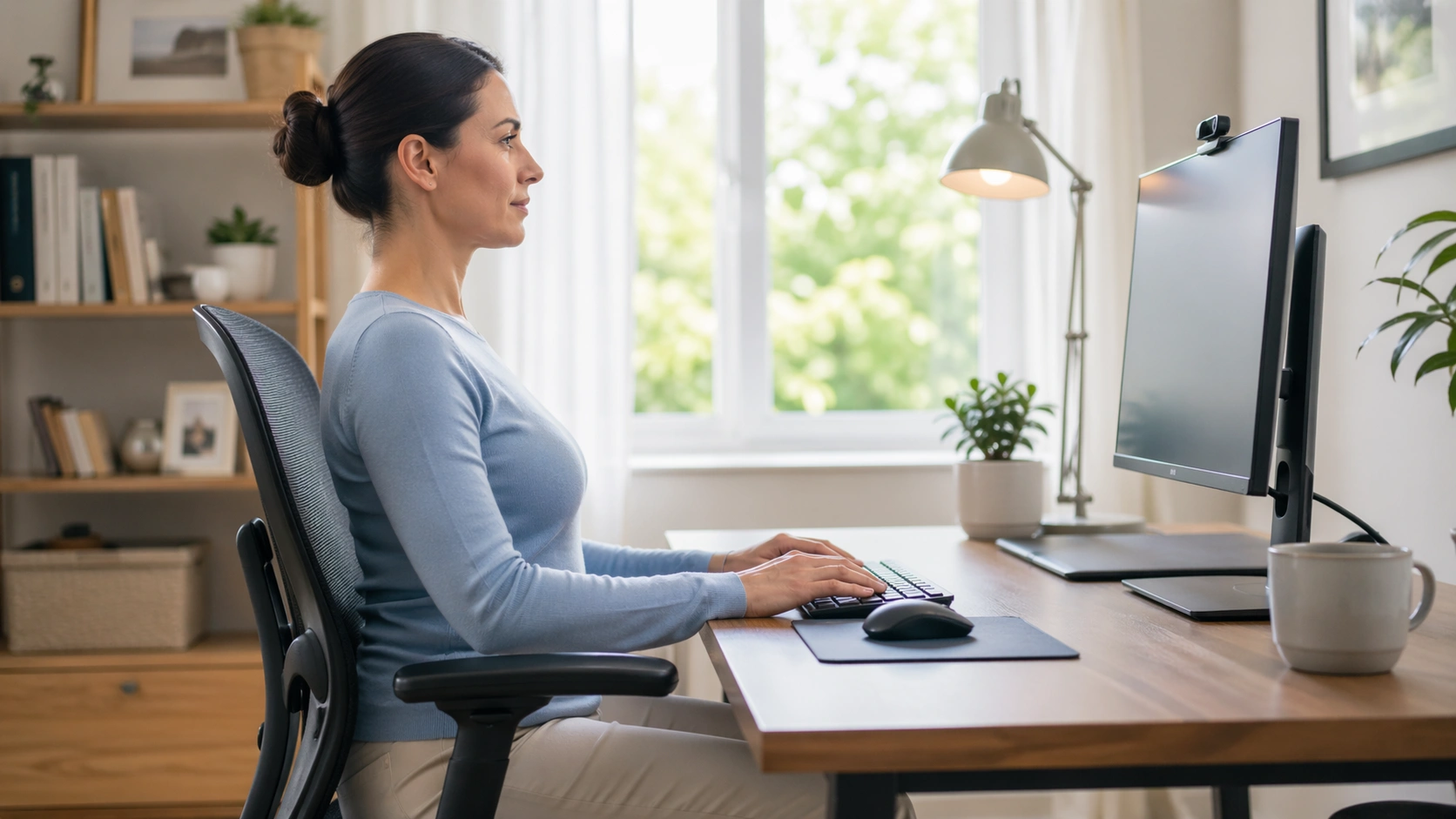
Most everyday neck pain comes from muscle tension, posture problems, stress, sleeping position, or overuse. I usually start with a simple reset: stop the irritating position, apply heat or ice, do a few gentle neck movements, then fix the posture or sleep setup that caused the problem.
| Method | Best For | How It Helps | Caution |
|---|---|---|---|
| Heat therapy | Tight muscles, stress tension, morning stiffness | May increase blood flow and relax soft tissue | Do not use excessive heat or fall asleep on a heating pad |
| Cold therapy | Fresh soreness, mild inflammation, pain after activity | May calm irritation and reduce tenderness | Use a cloth barrier and keep sessions short |
| Gentle stretching | Stiff neck with limited mobility | Can improve range of motion and reduce guarding | Stop if pain becomes sharp or radiates |
| Self-massage | Trigger points, stress knots, desk job pain | Can ease muscle tension and improve comfort | Avoid deep pressure on the front of the neck |
| Supportive tools | Repeat tension, sleep-related neck pain, home relief | Can support recovery and make routines easier | Use the right tool for your pain pattern |
Why Your Neck Feels Tight and What Actually Helps
Common neck pain triggers
Your neck works all day. It supports your head, adjusts to screens, reacts to stress, and compensates when your shoulders or upper back get tight. That is why neck pain often shows up after normal daily habits, not just after injury.
The most common triggers I see are desk work, phone use, poor posture, stress, sleeping in a twisted position, and soreness after exercise. Office workers often get a dull ache at the base of the neck from holding the head forward for hours. People who grind through stressful days often feel tension climbing from the shoulders into the neck. If you sleep with too much pillow height or no support at all, you may wake up stiff and sore.
Another common pattern is tech neck. This is the heavy, tired feeling that builds when your chin drifts forward and your upper back rounds. Over time, the muscles in the back of the neck work harder than they should. That can create trigger points, tight fascia, and limited mobility.
When neck pain needs extra caution
Most mild neck pain improves with rest, gentle movement, and better posture. But some situations need more caution. Stop home treatment and get medical help if your pain follows a fall or car accident, comes with numbness or tingling, shoots into the arm, causes serious weakness, or shows up with fever, severe headache, or balance problems.
For a basic safety check, I like the guidance from Mayo Clinic and Cleveland Clinic. If your symptoms feel unusual or intense, do not try to push through them with stronger massage.
How Soothing Neck Pain Works
Relaxing tight muscles and trigger points
A lot of everyday neck pain is really muscle tension. When a muscle stays tight for too long, it can feel hard, sore, and tender to touch. Small knots, often called trigger points, can show up in the upper traps, base of the skull, and the muscles along the side of the neck. Gentle massage, heat, and lighter movement can help those areas relax.
I think of it this way: if the neck has been guarding for hours, the first goal is not to force it. The goal is to calm it down. That is why soft tissue work usually works better than aggressive stretching in the beginning.
Improving circulation and range of motion
Heat therapy, light massage, and slow movement may help circulation and blood flow. That can make stiff tissue feel easier to move. Once the neck settles down, mild stretching can help restore range of motion without increasing irritation. This is especially helpful when your neck feels rusty after sleep or after a long day at a computer.
Reducing daily strain with posture support
If your posture keeps pulling your head forward, the pain usually returns. Soothing neck pain is not only about the neck itself. It is also about the setup around it. A better desk height, a phone at eye level, a supportive pillow, and short movement breaks can reduce the daily load on your neck muscles.
This is where recovery tools can help. A heated wrap may relax tight muscles. A neck massager may give quick relief. A better pillow may support overnight recovery. But tools work best when they fix a routine problem, not when they replace good habits.
How to Soothe Neck Pain at Home Step by Step
Step 1: Stop the position that is irritating your neck
Start with the easiest fix. Change the position that is making your neck work too hard. Sit tall. Bring your chin back slightly. Relax your shoulders. If you have been looking down at a laptop or phone, bring the screen higher so your head is not hanging forward.
This matters more than people think. Many times, neck pain stays active because the same bad position keeps feeding it all day.
Step 2: Use heat or cold the right way
If your neck feels tight, stiff, or stress-loaded, I usually prefer heat first. A warm shower, heating pad, or microwavable neck wrap can help muscles loosen up. Use heat for about 15 to 20 minutes.
If the area feels freshly irritated, sore after activity, or slightly inflamed, cold may feel better. A cold pack wrapped in a towel for 10 to 15 minutes can calm things down. You can also switch between heat and cold if one alone does not feel right.
My simple rule is this: heat for tightness, cold for fresh irritation.
Step 3: Do gentle stretches that do not spike pain
Once the neck feels a little calmer, try gentle movements. Slowly look left and right. Tilt one ear toward one shoulder, then switch sides. Do a small chin tuck by pulling the chin straight back, not down. Move slowly and stay in an easy range.
I do not recommend forcing a deep stretch. Neck tissue tends to respond better to light, repeatable movement than to one big pull. If the stretch creates sharp pain, arm symptoms, or a headache that keeps building, stop.
Step 4: Try simple neck self-massage
Use your fingertips to massage the upper traps and the back corners of the neck. Slow circles or light pressure along tender spots can help. You can also place a tennis ball between your upper back and a wall to work tight spots around the shoulder blade area. That often helps the neck indirectly because the shoulders and neck are closely linked.
Avoid digging into the front of the neck. Stay with the muscles on the back and sides. If you use a massage gun, use the softest attachment and the lightest setting. The neck is not the place for hard percussion.
Step 5: Fix desk, phone, and driving posture
This step is the real long-term fix. Put your screen at eye level. Keep the keyboard close so your shoulders stay relaxed. Do not hold the phone between your ear and shoulder. When driving, keep the seat close enough that you are not reaching for the wheel.
For office workers, I like a simple reset every 30 to 60 minutes. Stand up. Roll the shoulders. Take three slow chin tucks. That short break can stop minor tension from becoming full neck pain later in the day.
Step 6: Support sleep and recovery
If you keep waking up with neck pain, your pillow may be part of the problem. Side sleepers often need a pillow that fills the gap between the shoulder and the head. Back sleepers usually do better with a pillow that supports the natural curve of the neck without pushing the head too far forward.
At night, heat before bed can help some people relax. A few gentle stretches and light self-massage can also work well for stress relief. This is one of the easiest ways to build a home neck pain relief routine that actually sticks.
Best Neck Pain Relief Methods by Situation
| Situation | Likely Trigger | What Helps Most | Best For |
|---|---|---|---|
| Neck pain after sitting all day | Forward head posture and muscle fatigue | Posture reset, chin tucks, heat, short movement breaks | Office workers and students |
| Neck tightness from stress | Upper trap tension and guarding | Heat, light self-massage, breathing, gentle shoulder movement | People who carry stress in the shoulders |
| Sore neck after workouts | Overuse strain or muscle soreness | Cold first if irritated, then gentle mobility and light massage | Gym users and athletes |
| Neck pain after sleeping wrong | Poor pillow height or awkward position | Heat, slow range-of-motion work, better pillow support | Side and back sleepers |
| Travel-related neck pain | Long sitting and poor head support | Travel pillow, posture breaks, light stretching | Frequent flyers and commuters |
| Older adults with mild stiffness | Reduced mobility and daily tension | Gentle heat, easy movement, supportive pillow | Seniors needing low-pressure relief |
Common Neck Pain Problems and Simple Fixes
| Problem | Likely Cause | Simple Fix | When to Stop |
|---|---|---|---|
| Neck feels worse in the morning | Pillow height or sleep position | Adjust pillow support and use heat after waking | Stop self-treatment if pain is severe every morning for days |
| Pain builds by late afternoon | Desk posture and screen position | Raise screen, tuck chin gently, take movement breaks | Stop if you develop numbness or arm symptoms |
| Massage feels good at first then worse later | Too much pressure | Use lighter touch, shorter sessions, and more heat | Stop if soreness keeps increasing |
| Stretching makes the neck angry | Stretching too hard or too soon | Switch to smaller movements and shorter holds | Stop if pain becomes sharp or shooting |
| Headaches come with neck tightness | Upper trap and base-of-skull tension | Heat, posture reset, gentle massage around the shoulders | Stop and get help if headache is unusual or severe |
| Neck keeps flaring up every week | The cause has not changed | Fix work setup, sleep support, and daily habits | Stop guessing if the same pattern keeps returning |
Common Mistakes to Avoid
The biggest mistake I see is going too hard, too soon. People often attack a sore neck with deep stretching, heavy massage, or a high-powered device. That can make sensitive tissue more irritated instead of more relaxed.
Another mistake is treating the pain but not the cause. If your neck feels better for 20 minutes after massage but you go right back to the same slouched setup, the relief usually fades fast.
I also see people use tools too long. More pressure is not always better. More time is not always better. Short, gentle sessions usually work better for neck recovery than long, aggressive ones.
Finally, do not ignore sleep setup. If you spend seven or eight hours each night with poor support, even a great daytime routine may not be enough.
Safety Tips and Best Practices
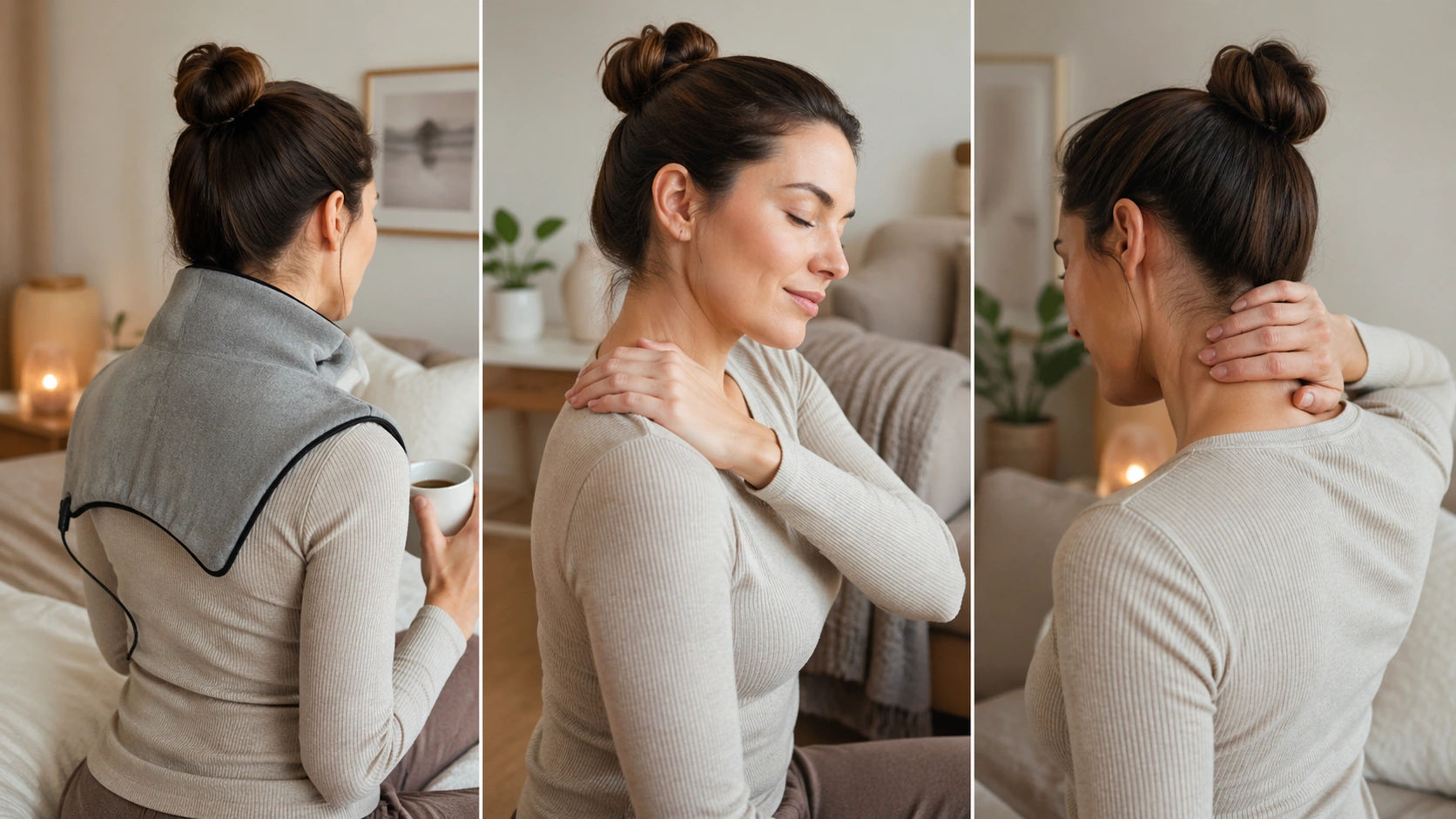
Keep neck stretching gentle. Stay away from fast circles or forceful twisting. Use light pressure with massage tools, especially near the base of the skull and sides of the neck. Do not use strong percussion directly on the front of the neck.
With heat therapy, use warm, not extreme heat. With cold therapy, keep a layer of fabric between the pack and your skin. If you have very sensitive skin, circulation issues, or an old injury that reacts badly to one method, test a shorter session first.
I also suggest extra caution with electric neck massagers if you are prone to headaches, dizziness, or nerve-like symptoms. A heated wrap or supportive pillow may be the better starting point in those cases.
Get checked by a medical professional if your neck pain follows trauma, gets worse quickly, travels down the arm, comes with weakness, or makes normal daily function hard. Home care is best for mild, everyday tension and stiffness, not red-flag symptoms.
Tools That May Help Soothe Neck Pain
I do not think you need a pile of gadgets to calm neck pain. But the right tool can make a home routine easier and more consistent. Here are the ones I think make the most sense for this topic.
| Tool | Best For | Main Benefit | Best Use Case |
|---|---|---|---|
| Heated neck wrap | Stress tension and stiffness | Steady heat may relax tight muscles | Evening recovery and morning stiffness |
| Shiatsu neck massager | Repeat muscle knots and desk-job tension | Provides hands-free massage at home | Short sessions after work |
| Supportive cervical pillow | Pain after sleeping wrong | May improve posture support overnight | People who wake up stiff |
Shiatsu Neck and Shoulder Massager
A simple pick for desk-job tension, upper trap knots, and short at-home massage sessions.
Microwavable Heated Neck Wrap
A good low-pressure option for stress tension, morning stiffness, and calming the neck before bed.
If your pain mostly comes from stress and stiffness, I would start with heat. If your problem is recurring knots from desk work, a gentle neck massager can be helpful. If you wake up sore most mornings, I would look at your pillow before buying anything else.
Heat vs Stretching vs Self-Massage vs Neck Massager
| Method | Speed of Relief | Best For | Low-Cost Option | Main Limitation |
|---|---|---|---|---|
| Heat | Fast for tightness | Stress tension, stiffness, bedtime recovery | Warm shower or simple heat wrap | Does not fix posture by itself |
| Stretching | Moderate | Limited mobility and stiff movement | Yes | Easy to overdo |
| Self-massage | Fast to moderate | Trigger points and muscle knots | Yes | Pressure can be too much if done poorly |
| Neck massager | Fast and convenient | Repeat tension and at-home recovery | No | Not ideal for very sensitive or sharp pain |
If you want the simplest starting point, use heat and gentle movement first. If that helps but the tension keeps coming back, add self-massage. If you know you will not keep up a manual routine, a neck massager may be worth it for convenience. I still see posture support and sleep setup as the foundation.
FAQ
What is the fastest way to soothe neck pain at home?
The fastest simple approach is to stop the irritating position, use heat or cold for 10 to 20 minutes, and do a few gentle neck movements without forcing the stretch.
Is heat or ice better for neck pain?
Heat is usually better for tight, stiff muscles, while ice may help more when the neck feels freshly irritated or sore after activity.
Can self-massage help neck pain?
Yes, light self-massage can help ease muscle tension and trigger points, especially around the upper traps and back of the neck.
How should I sleep with neck pain?
Sleep with a pillow that supports the natural curve of your neck and keeps your head from tipping too far forward or sideways.
When should I stop stretching my neck?
Stop stretching if the pain becomes sharp, shoots into the arm, causes numbness, or keeps getting worse during or after the movement.
Are neck massagers worth it?
Neck massagers can be worth it for recurring muscle tension and convenience, but they work best as part of a routine that also includes posture and sleep support.
Conclusion
Soothing neck pain usually comes down to a few basics done well: reduce strain, calm the muscles, restore gentle movement, and fix the habit that caused the problem. In my experience, the best results come from combining heat, light self-massage, simple posture changes, and better sleep support.
If your neck pain is mild and everyday, that routine often works well. If it keeps coming back, look closely at your desk setup, pillow, and daily habits. And if a simple tool makes that routine easier to follow, it may be worth adding without overcomplicating things.