Understanding pain between shoulder blades is crucial for effective relief. This guide explains the various causes of discomfort, practical solutions to alleviate pain, and when to seek professional help. Empower yourself with knowledge and take control of your well-being!
Key Takeaways
- Poor Posture: Slouching or hunching can lead to muscle strain and discomfort.
- Muscle Strain: Overexertion or repetitive movements can cause tension in the back muscles.
- Stress: Emotional stress can lead to physical tension, often felt between the shoulder blades.
- Injuries: Accidents or falls can cause trauma to the back muscles or spine.
- Medical Conditions: Issues like herniated discs or arthritis can contribute to pain in this area.
- Improper Ergonomics: Poor workstation setup can exacerbate shoulder blade pain.
- When to See a Doctor: Persistent pain may require professional evaluation and treatment.
Understanding What Causes Pain Between Shoulder Blades
Experiencing pain between the shoulder blades can be uncomfortable and concerning. In this guide, you’ll learn about the various causes of this pain, practical solutions for relief, and when to seek help from a healthcare professional. Understanding these factors can empower you to take control of your health and well-being.
Step 1: Identify the Causes of Pain
To effectively address pain between the shoulder blades, it’s essential to identify the underlying causes. Here are some common reasons:

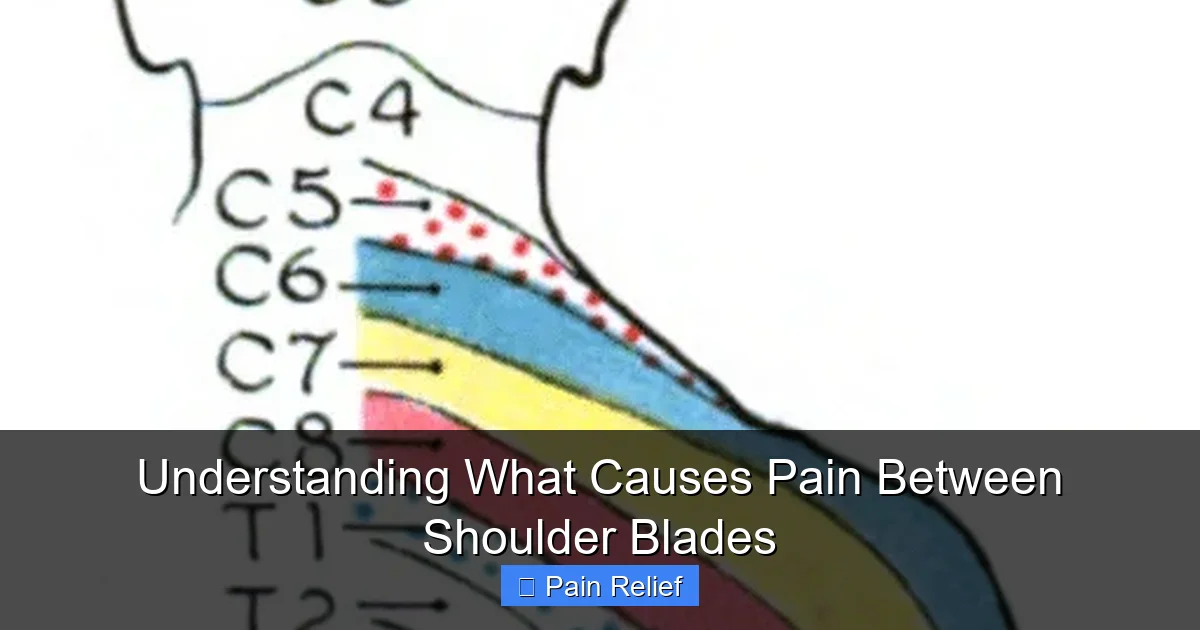
Visual guide about Understanding What Causes Pain Between Shoulder Blades
Image source: alvesmartinez.com
Poor Posture
Slouching or hunching while sitting or standing can create tension in your back muscles. This is especially common for those who spend long hours at a desk.
Muscle Strain
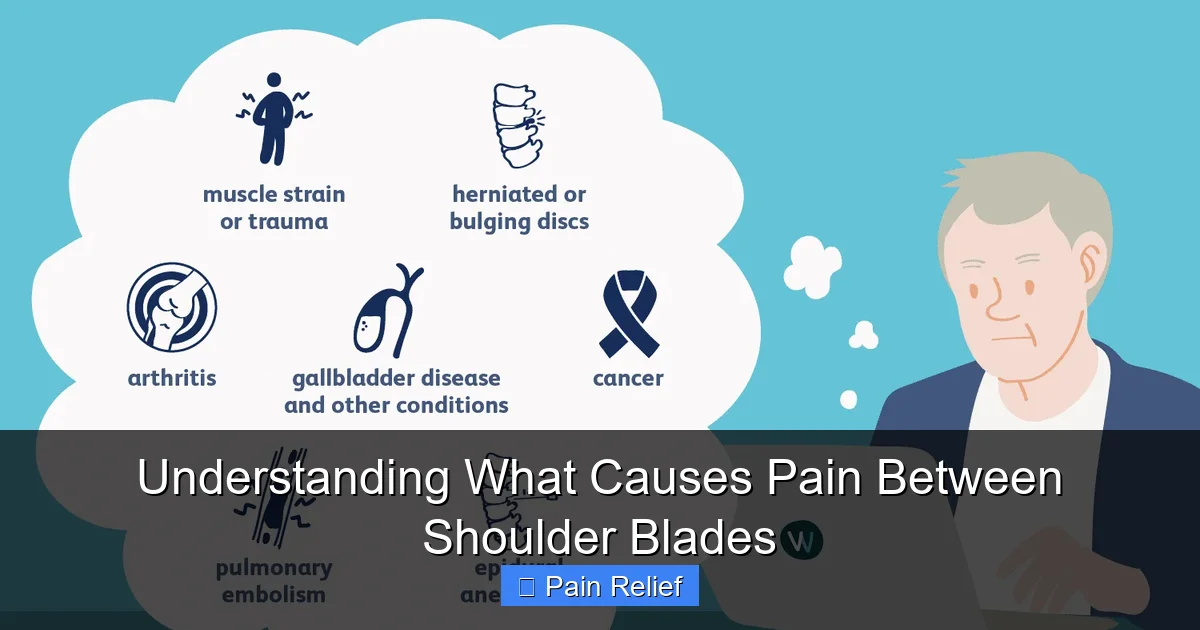
Overexertion during physical activities or repetitive movements can strain the muscles between the shoulder blades. This can happen during lifting, exercising, or even gardening.
Stress and Tension
Emotional stress often manifests physically, leading to tightness and discomfort in the back. Stress can cause you to tense your muscles subconsciously.
Injuries
Accidents, falls, or sports injuries can lead to trauma that results in pain between the shoulder blades. These injuries may involve muscle strain or damage to the spine.
Medical Conditions
Certain medical conditions, such as herniated discs, arthritis, or fibromyalgia, can lead to chronic pain in the shoulder blade area. These conditions often require medical attention.
Improper Ergonomics
Using poorly designed furniture or equipment can strain your back. Your workstation setup can greatly affect your posture and contribute to discomfort.
Step 2: Assess Your Symptoms
Take note of your symptoms to help pinpoint the cause of your pain. Consider the following:
Visual guide about Understanding What Causes Pain Between Shoulder Blades
Image source: m4lpt.com
Location of Pain
Is the pain localized between your shoulder blades, or does it radiate to other areas? Understanding the pain’s location can assist in identifying its cause.
Type of Pain
Is the pain sharp, dull, or throbbing? Different types of pain can indicate various issues. For instance, sharp pain may suggest a muscle strain, while dull pain could be related to stress.
Duration and Frequency
How long have you been experiencing this pain? Chronic pain that lasts weeks may require professional evaluation, while acute pain that resolves quickly may be due to temporary strain.
Step 3: Implement Relief Strategies
Once you’ve identified potential causes and assessed your symptoms, it’s time to implement relief strategies. Here are some effective methods:
Visual guide about Understanding What Causes Pain Between Shoulder Blades
Image source: verywellhealth.com
Maintain Good Posture
Focus on keeping your back straight and shoulders relaxed. Use ergonomic chairs and desks to support proper alignment.
Stretch and Strengthen
Incorporate stretching and strengthening exercises into your routine. Simple stretches like shoulder rolls and neck tilts can relieve tension.
- Shoulder Rolls: Roll your shoulders forward and backward to release tension.
- Neck Tilts: Tilt your head gently from side to side to stretch neck muscles.
- Chest Openers: Stand in a doorway and stretch your arms out to open up your chest.
Manage Stress
Practice stress-reducing techniques such as deep breathing, meditation, or yoga. These methods can help alleviate muscle tension associated with stress.
Apply Heat or Cold
Using a heating pad or cold pack can help reduce inflammation and ease muscle soreness. Apply heat for 15-20 minutes or ice for 10-15 minutes as needed.
Consider Over-the-Counter Pain Relief
Non-prescription medications like ibuprofen or acetaminophen can help alleviate pain temporarily. Always consult with a healthcare professional before starting any medication.
Adjust Your Workspace
If you spend long hours at a desk, ensure your workspace is ergonomically friendly. Adjust your chair height, monitor position, and keyboard placement to support a neutral posture.
Troubleshooting: When Pain Persists
If your pain persists despite trying at-home remedies, it may be time to seek professional help. Here are some signs that indicate you should consult a doctor:
- Your pain lasts more than a few weeks without improvement.
- You experience numbness or tingling in your arms or hands.
- You have difficulty moving your arms or neck.
- Pain is accompanied by other symptoms, such as fever or weight loss.
Conclusion
Pain between the shoulder blades can stem from various causes, including poor posture, muscle strain, and stress. By understanding these factors and implementing effective relief strategies, you can take control of your discomfort. Remember that persistent pain should be evaluated by a healthcare professional. Empower yourself with knowledge and take steps towards a pain-free life!
🎥 Related Video: Cause of Upper Back Pain Between Shoulder Blades and Neck -Chiropractor in Vaughan Dr Walter Salubro
📺 Dr. Walter Salubro
Cause of Upper Back Pain Between Shoulder Blades and Neck -Chiropractor in Vaughan Dr Walter Salubro Get FREE instant …