
QUICK ANSWER


An oil based makeup remover for waterproof mascara can help dissolve water-resistant formulas so you wipe less. Choose a product labeled for the eye area, press instead of rub, and follow with a gentle cleanser to rinse away oily residue.
Waterproof mascara is built to survive sweat, humidity, and tears, which is exactly why a quick swipe with a regular wipe so often leaves dark smudges behind. Scrubbing harder is the usual reaction, but the skin around your eyes is thin, and aggressive rubbing is rarely the answer.
Oil-based removers take a different route. This guide explains how they work, how the main types differ, how to use one gently, and who should check with a professional first.
Key Takeaways
- Oil tends to work well on waxy, water-resistant formulas, but results vary by mascara and by remover.
- Cleansing oils, balms, and bi-phase liquids are the main oil-based options, each with different trade-offs.
- Contact lens wearers, people with lash extensions, and anyone with eye irritation should take extra care.
- A second, gentle cleanse after an oil-based remover helps remove leftover residue.
Why Oil Is Often Used on Waterproof Mascara


Waterproof mascaras generally rely on waxes and film-forming ingredients that hold up against water. Plain water or a watery cleanser has a hard time breaking that film apart, so it tends to smear rather than lift.


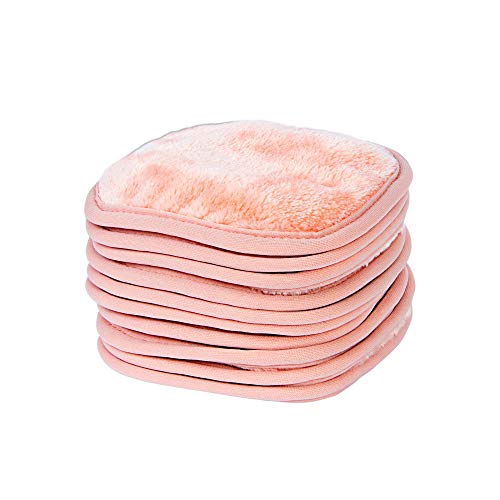
Oils can dissolve or loosen oily and waxy ingredients, which is the basic idea behind “like dissolves like.” In practice, many people find that a soaked pad or a melted balm needs fewer passes than a dry wipe. That said, formulas differ, and no remover works identically for everyone.
Remover Types Compared
This table compares the common formats by how they work and what to weigh before choosing. It is a general guide, not a ranking.
| Type | How it works | Worth considering |
|---|---|---|
| Cleansing oil | Oil massaged on dry skin and lashes to loosen makeup | Needs a rinse or second cleanse; can feel slippery near the eyes |
| Cleansing balm | Solid texture that melts into an oil on contact with skin | Less drippy; may be harder to control around the lash line |
| Bi-phase eye remover | Separate oil and water layers, shaken together before use | Convenient on a pad; some people notice an oily film afterward |
| Micellar water (oil-free) | Water-based cleanser designed to lift makeup | Lighter feel, but waterproof formulas may need more passes |
| Makeup wipes | Pre-soaked cloth for wiping makeup off | Handy for travel; the rubbing motion can be rough on eyelids |
If waterproof mascara is your main challenge and you do not mind a two-step routine, an oil-based format is a reasonable place to start.
Which Format Fits You? A Simple Decision Path


Path 1: Stubborn mascara
Wear it most days and want less wiping? Consider a bi-phase remover or cleansing oil.
Path 2: Dislike drips
Prefer more control near your eyes? A cleansing balm stays put better.
Path 3: Oily film worries you
Try an oil-free micellar option first, or plan on a thorough second cleanse.
What to Look For on the Label
Not every oil-based product is meant for the eyes. Some cleansing oils are designed for the whole face, and the packaging usually says whether eye-area use is intended. Reading the label takes thirty seconds and saves a lot of stinging.
Kitchen oils deserve a mention too. They are popular in DIY routines, but they are not formulated or tested as eye products, so a labeled product made for this purpose is generally the more cautious choice.
Label Features and What They Mean
Use this table as a checklist when comparing products. Wording varies by brand, so check each manufacturer’s current product information.
| Label feature | What it suggests | Caveat |
|---|---|---|
| “For eyes” or “eye makeup remover” | Intended for use near the eye area | Still follow the directions and avoid direct contact with the eye itself |
| “Fragrance-free” | No added scent, which may matter for sensitive eyes | Not a guarantee against irritation |
| “Suitable for contact lens wearers” | Brand states lens compatibility | Many guides still advise removing lenses first |
| “Rinse-off” or “emulsifying” | Turns milky with water for easier rinsing | Rinse carefully so it does not run into your eyes |
| “Ophthalmologist-tested” | Brand claims eye-care review of the product | A marketing claim; it does not mean suitable for every person |
Product Types to Browse on Amazon
These links lead to search results for each product type, not to a single endorsed product. Compare the listings against the label checklist above and read each product’s current details before buying.
Oil-Based Eye Makeup Remover
Best suited to people who want a liquid made specifically for the lids and lashes.
Cleansing Balm
A good fit if you want one product for face and eye makeup and prefer less dripping.
Bi-Phase Eye Remover
Works well on a pad. Shake before use, and expect to cleanse afterward.
Gentle Follow-Up Cleanser
Not a remover, but useful for the second cleanse that clears away oily residue.
How to Use It Gently
The technique matters as much as the product. Waterproof mascara needs a little contact time to loosen, and patience is kinder to your lashes than friction.
Step Timeline
Step 1: Prepare
Wash your hands and remove contact lenses. Read the directions on your product.
Step 2: Soften
Saturate a pad or apply the product, then close your eye and rest it on the lashes for several seconds.
Step 3: Glide
Sweep gently from the lash base outward. Repeat with a fresh pad rather than pressing harder.
Step 4: Cleanse
Wash with a gentle cleanser and lukewarm water, keeping suds away from your eyes.
Correct Use Versus Common Mistakes
Most trouble with oil-based removers comes from a few repeated habits. Here is what to do instead.
| Common mistake | Why it can be a problem | Better habit |
|---|---|---|
| Scrubbing back and forth | Tugs delicate eyelid skin and may pull lashes | Hold the pad in place, then glide in one direction |
| Using too little product | Dry pads drag, which increases rubbing | Fully soak the pad |
| Skipping the second cleanse | Leftover oil may blur vision or leave skin feeling filmy | Follow with a gentle cleanser |
| Wearing lenses during removal | Oil can transfer to lenses and cloud them | Take lenses out first |
| Sharing a bottle or pad | Spreads bacteria near the eyes | Use clean pads and keep products personal |
Who It Suits and Who Should Be Careful
Oil-based removers are popular, but they are not a universal fit. Some readers have good reasons to pick another method or ask a professional first.
Often a Good Fit
- Daily waterproof mascara wearers
- People who dislike heavy wiping
- Those comfortable with a two-step cleanse
Heads-Up: Take Extra Care
- Lash extension wearers
- Very sensitive or reactive eyes
- Anyone with eyelid or eye irritation
Suitability at a Glance
This table summarizes general situations. It is not medical advice, and individual needs differ.
| Situation | General consideration | Suggested next step |
|---|---|---|
| Contact lens wearer | Oil can cloud lenses | Remove lenses first; ask an eye care professional about your routine |
| Lash extensions | Many lash artists caution against oil near extension adhesive | Ask your lash technician which removers are safe |
| Eyelid skin conditions | Skin may react more easily | Check with a clinician before trying a new product |
| Recent eye surgery or injury | Healing eyes need special care | Follow your eye doctor’s guidance on makeup and removal |
| Known fragrance or oil sensitivity | Ingredients may trigger a reaction | Read the ingredient list and test a small amount on your inner forearm first |
Safety Note
Keep remover out of your eyes, and stop using a product if you notice stinging, redness, swelling, blurry vision that does not clear, or pain. If symptoms continue, contact a qualified healthcare professional. Do not use makeup remover near an eye that is already irritated, infected, or healing from surgery without checking with your eye doctor.
Before-You-Buy Checklist
Troubleshooting Common Problems
Even with a good technique, a few issues come up often. Most have simple fixes, though persistent symptoms deserve a professional opinion.
Problem, Likely Cause, and Next Step
These are general possibilities, not diagnoses.
| Problem | Possible cause | What to try |
|---|---|---|
| Mascara still smudges after wiping | Not enough contact time | Hold a soaked pad on closed lids a bit longer |
| Blurry vision after removal | Oily residue on lids or lashes | Rinse and cleanse again; if blur persists, stop and consult an eye professional |
| Stinging or redness | Ingredient sensitivity or product contact with the eye | Rinse with water, stop using it, and seek advice if it continues |
| Skin feels greasy | Skipped or rushed second cleanse | Use a gentle cleanser and rinse thoroughly |
| Lashes feel brittle or fall out | Rubbing or tugging | Switch to a press-and-glide technique; ask a clinician if concerned |
Safety Reminder Panel: Pause If You Notice
Rinse and stop using the product.
Contact a healthcare professional.
Seek prompt advice from an eye care professional.
Frequently Asked Questions
Is oil-based makeup remover good for waterproof mascara?
Many people find it helpful because oil can loosen waxy, water-resistant formulas. Results vary by mascara and product, and some people prefer oil-free options.
Can I use an oil-based remover with contact lenses?
It is generally wiser to take your lenses out first, since oil residue can cloud them. Ask your eye care professional about the best routine for your lenses.
Do I need to wash my face after using it?
Usually yes. A gentle cleanser helps rinse away leftover oil and makeup, unless the product’s directions say otherwise.
Can I use kitchen oils like coconut or olive oil?
Kitchen oils are not made or tested as eye products and may leave residue or irritate some people. A product labeled for the eye area is generally the more cautious option.
Is oil-based remover okay with lash extensions?
Many lash artists advise avoiding oil-based products because they may affect extension adhesive. Check with your technician before using one.
Could an oil-based remover leave my skin feeling oily?
It can if it is not rinsed well. Using a rinse-off formula and cleansing a second time usually helps. If skin concerns continue, a dermatologist can offer personal guidance.
Final Thoughts
An oil based makeup remover for waterproof mascara can make removal feel easier, mostly because it softens the formula instead of forcing it off. The habits that matter most are choosing an eye-area product, giving it a few seconds to work, and cleansing gently afterward.
It is not the right choice for everyone, particularly lens wearers, people with lash extensions, or anyone with eye or eyelid concerns. Pay attention to how your eyes respond, stop if something feels wrong, and check with a qualified healthcare professional when in doubt.