How to Stop Knee Pain Fast with These Simple Effective Tips offers practical, easy-to-follow advice to relieve knee pain quickly. From home remedies and gentle exercises to lifestyle changes and pain management techniques, this guide helps you regain comfort and move with ease. Whether your knee pain is from injury, arthritis, or overuse, these tips provide fast relief and long-term support.
Key Takeaways
- Identify the cause: Understanding the root of your knee pain helps tailor effective treatments and avoid worsening the injury.
- Use R.I.C.E. method: Rest, Ice, Compression, and Elevation provide quick relief for knee pain and inflammation.
- Incorporate gentle exercises: Strengthening and stretching support knee stability and reduce pain over time.
- Maintain a healthy weight: Reducing excess weight decreases knee stress and prevents further damage.
- Consider supportive gear: Braces, proper footwear, and orthotics can ease pressure and improve alignment.
- Manage pain with proper medication: Over-the-counter options and natural remedies can reduce discomfort safely.
- Seek professional help: Persistent or severe knee pain requires medical evaluation for accurate diagnosis and treatment.
How to Stop Knee Pain Fast with These Simple Effective Tips
Knee pain can disrupt your daily life and limit mobility. Whether it’s caused by an injury, arthritis, or overuse, knowing how to stop knee pain fast is essential. This guide will teach you simple, practical steps to relieve discomfort quickly and support your knees for the long term. You’ll learn about home treatments, exercises, lifestyle adjustments, and when to seek medical advice. Let’s get started on your journey to pain-free knees!
Step 1: Understand the Cause of Your Knee Pain
Before you begin treatment, it’s important to identify what’s causing your knee pain. Common causes include:
Visual guide about How to Stop Knee Pain Fast with These Simple Effective Tips
Image source: i.pinimg.com
- Injury: Sprains, strains, ligament tears, or meniscus damage.
- Arthritis: Osteoarthritis or rheumatoid arthritis causing joint inflammation.
- Overuse: Repetitive activities leading to tendinitis or bursitis.
- Mechanical problems: Misalignment or cartilage wear.
Knowing the cause helps you choose the right treatment and avoid making your knee worse. If you’re unsure, or if pain is severe or sudden, consult a healthcare professional.
Step 2: Apply the R.I.C.E. Method for Quick Relief
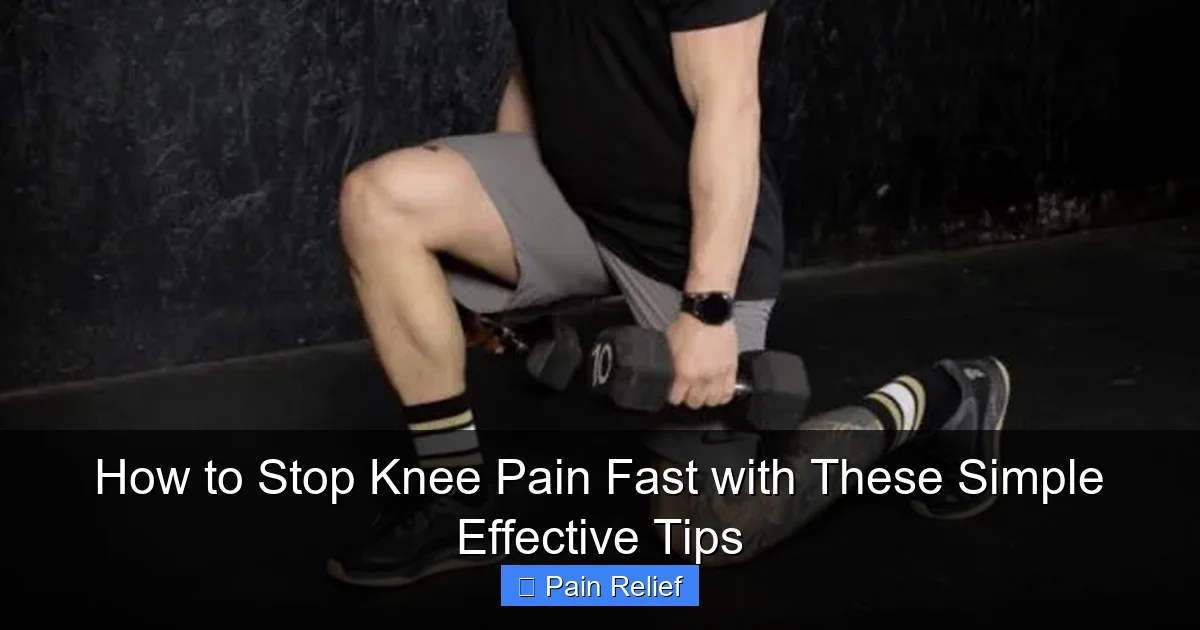
The R.I.C.E. method is a proven way to reduce knee pain and swelling fast. It stands for:
Visual guide about How to Stop Knee Pain Fast with These Simple Effective Tips
Image source: image.boxrox.com
Rest
Limit activities that put pressure on your knee. Avoid running, jumping, or prolonged standing. Rest helps prevent further injury.
Ice
Apply an ice pack wrapped in a towel to your knee for 15-20 minutes every 2-3 hours. Ice reduces swelling and numbs pain.
Compression
Use an elastic bandage or knee sleeve to compress the area gently. This supports the knee and controls swelling.
Elevation
Keep your knee raised above heart level when resting. Use pillows to prop it up, which helps reduce fluid buildup.
Step 3: Perform Gentle Knee Exercises
Once pain and swelling decrease, gentle exercises strengthen muscles around the knee, improving stability and reducing future pain.
Visual guide about How to Stop Knee Pain Fast with These Simple Effective Tips
Image source: i.pinimg.com
Quadriceps Setting
- Sit or lie down with your leg straight.
- Tighten the muscle on the front of your thigh (quadriceps).
- Hold for 5 seconds, then relax.
- Repeat 10-15 times.
Heel Slides
- Lie on your back with legs straight.
- Slowly slide your heel toward your buttocks, bending the knee.
- Slide back to the starting position.
- Repeat 10-15 times.
Hamstring Stretch
- Sit on the floor with one leg extended.
- Reach toward your toes gently until you feel a stretch at the back of your thigh.
- Hold for 20 seconds, then switch legs.
Start slowly and avoid any exercise that causes sharp or increased pain. For more knee pain exercises, check out our detailed guide on How To Get Rid Of Knee Pain.
Step 4: Maintain a Healthy Weight
Extra weight puts more pressure on your knees, increasing pain and risk of damage. Losing even a small amount of weight can make a big difference.
- Eat a balanced diet rich in fruits, vegetables, lean proteins, and whole grains.
- Incorporate low-impact cardio like swimming or cycling, which are gentle on knees.
- Consult a nutritionist or use weight management programs if needed.
Step 5: Use Supportive Gear
Proper support can ease knee pain during activities and daily movements.
Knee Braces and Sleeves
These provide compression and stability. Choose a brace suited to your condition, such as a patella stabilizer or an unloader brace for arthritis.
Proper Footwear
Wear shoes with good arch support and cushioning. Avoid high heels or worn-out shoes that alter your gait.
Orthotic Inserts
Custom or over-the-counter orthotics can correct foot alignment and reduce knee strain.
Using supportive gear along with exercises and weight management enhances knee health and reduces pain. For more ways to relieve pain in the hip and knee area, refer to How To Relieve Hip And Knee Pain.
Step 6: Manage Pain with Medications and Natural Remedies
If pain persists, medication can help while you work on strengthening your knees.
Over-the-Counter Pain Relievers
- Nonsteroidal anti-inflammatory drugs (NSAIDs) like ibuprofen reduce pain and inflammation.
- Acetaminophen can be used if NSAIDs are not suitable.
Topical Treatments
Gels and creams containing menthol or capsaicin may provide localized relief.
Natural Remedies
- Turmeric supplements have anti-inflammatory properties.
- Applying warm compresses after the initial inflammation phase helps relax muscles.
Always consult your doctor before starting any medication or supplement, especially if you have other health conditions.
Step 7: Know When to See a Doctor
If your knee pain does not improve with self-care or worsens, professional evaluation is necessary.
- Severe pain or inability to bear weight.
- Swelling that does not subside.
- Knee deformity or locking.
- Signs of infection like redness, warmth, or fever.
Your doctor may recommend imaging tests, physical therapy, or other treatments. For persistent discomfort, it’s also useful to explore specialized advice on What To Do For Knee Pain.
Troubleshooting Common Issues
Persistent Swelling
If swelling remains after applying R.I.C.E., try elevating your leg more frequently and avoid standing for long periods. Consult a doctor if swelling persists beyond a week.
Exercise Pain
Discomfort during exercises may indicate you are pushing too hard. Reduce intensity and focus on gentle movements. If pain is sharp, stop immediately.
Difficulty Sleeping Due to Knee Pain
Knee pain can disrupt sleep. Use pillows to elevate your leg and try gentle stretches before bed. For more tips on managing knee pain at night, see How To Sleep With Arthritis Pain In Knee.
Conclusion
Stopping knee pain fast is possible with the right approach. Start by identifying the cause, then use the R.I.C.E. method to reduce pain and swelling quickly. Incorporate gentle exercises, maintain a healthy weight, and use supportive gear to protect your knees. Manage pain safely with medication or natural remedies, and don’t hesitate to seek medical help if needed. With these simple and effective tips, you can enjoy pain-free knees and better mobility every day.
🎥 Related Video: How To Fix Patellar Tendonitis Knee Pain – 4 Simple Steps At Home!
📺 Tone and Tighten
CHECK OUT THE FULL VIDEO HERE: https://youtu.be/-dJIxiZcy_8 How to heal your patellar tendon pain in just four simple steps!