By Ryan Mitchell | Wellness & Relaxation
Quick Answer: To learn how to get more deep sleep, keep a steady sleep schedule, make your bedroom cool, dark, and quiet, cut late caffeine and alcohol, and wind down without screens. Results vary, and ongoing sleep problems deserve a professional check.
Deep sleep is the heavy, restorative part of your night, and it often feels hard to protect. In this guide on how to get more deep sleep, I walk through the daily habits, bedroom setup, and evening routine that may help you sleep more soundly. Nothing here is a quick fix, but small steady changes tend to add up.
This article is for general educational information only. It does not diagnose, treat, cure, or prevent any condition. It does not replace advice from a licensed healthcare professional. Readers should seek professional help for severe, worsening, unusual, or persistent symptoms.
Why Deep Sleep Gets Interrupted
Deep sleep, sometimes called slow-wave sleep, is the stage where your body and brain settle into their slowest, most relaxed rhythm. Most of it happens in the first half of the night, which is why a late bedtime or a rough start to the evening can shortchange it. You cannot force this stage on command, but you can remove the things that tend to get in its way. The Sleep Foundation offers a helpful overview of this stage.
In my own routine experience, the biggest culprits are rarely dramatic. They are small, repeated habits: an afternoon coffee, a bright phone screen in bed, a warm stuffy room, or a mind still running through tomorrow’s to-do list. Because several of these stack together, fixing one often feels like it does nothing, so it helps to work on two or three at once.
Deep sleep also changes with age and varies from person to person. Comparing yourself with a friend or a tracker score is not very useful. Focus on how rested you feel during the day instead.
The map below groups common things that may cut into restful sleep.
Common sleep disruptor map
Most people find one or two groups are doing most of the damage. Start with the group that sounds most familiar.
Note: Sleep trackers estimate sleep stages and can be inaccurate. Use them to spot patterns, not as a verdict on your night.
How to Get More Deep Sleep: A Step-by-Step Night Routine
Try these steps in order for one to two weeks before judging the result. The CDC sleep page notes that many adults need seven or more hours of sleep.
This countdown shows when each habit fits into your evening.
Evening countdown (general guide, not a promise)
Adjust the times to fit your life. What matters most is repeating the same pattern most nights.
Warning: Do not rely on alcohol, sedating products, or supplements to force sleep without talking with a pharmacist or doctor first. Never stop or change prescribed medication on your own.
Tools That Can Make Your Bedroom Sleep-Friendly
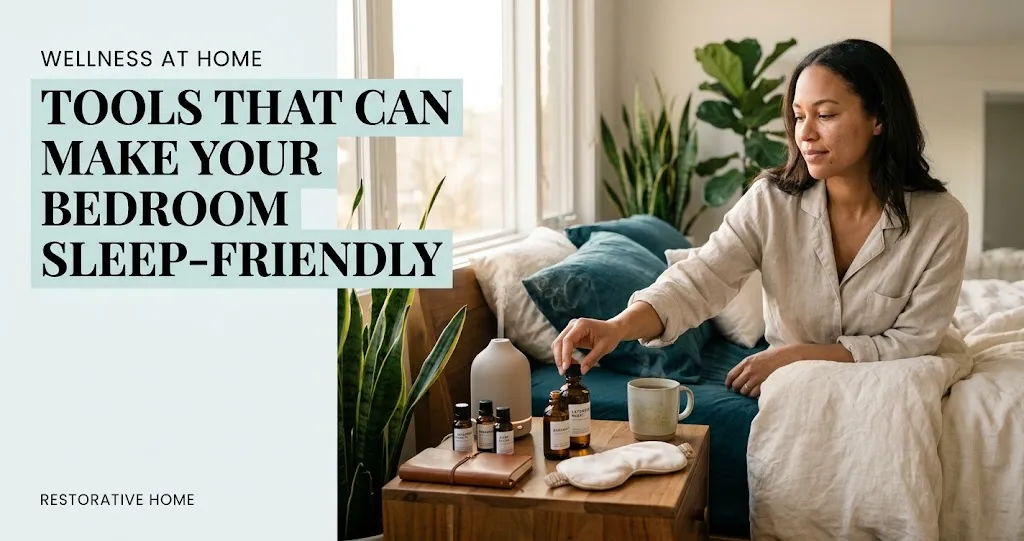
If you wonder how to get more deep sleep without spending much, this table shows which simple tools fit which problem.
Swipe left/right to see the full table →
| Tool | Helps with | Choose if | Skip if |
|---|---|---|---|
| Blackout curtains or sleep mask | Light | Streetlights or dawn wake you | A mask feels tight |
| White noise machine or fan | Sound | Traffic or neighbors disturb you | Steady noise bothers you |
| Supportive pillow | Neck comfort | You wake with a stiff neck | Your pillow feels fine |
| Room thermometer | Temperature | The room feels warm or stuffy | You already sleep cool |
Common Mistakes and Better Choices
Some habits feel relaxing but quietly work against restful sleep. Here are the usual suspects and easy swaps.
Swipe left/right to see the full table →
| Common habit | Why it backfires | Better choice |
|---|---|---|
| Scrolling in bed | Bright light and busy thoughts keep you alert | Read a paper book or hear quiet audio |
| Alcohol as a nightcap | May feel sleepy, yet can disrupt later sleep | Choose a warm, caffeine-free drink earlier |
| Sleeping in on weekends | Shifts your body clock | Keep wake time within about an hour |
| Heavy late dinner | Digestion discomfort can keep you restless | Eat a lighter meal earlier |
| Watching the clock | Raises pressure and worry | Turn the clock away from view |
Not every habit carries equal weight. This meter shows a typical order for tackling them.
Typical routine priority (practical guide, not scientific data)
If you can only change one thing, begin with a consistent schedule. The other habits then build on it.
Adjusting the Routine for Your Situation
The best plan depends on your life. Use this table to shift your priorities.
Swipe left/right to see the full table →
| Your situation | Prioritize | Watch for |
|---|---|---|
| Light sleeper | Noise control and a dark room | Hidden glowing lights |
| Night shift worker | A dark daytime room and a repeatable schedule | Daylight leaking in |
| New parent or caregiver | Protected rest windows when possible | Expecting perfect nights |
| Often stressed | Wind-down and writing worries down | Racing thoughts in bed |
A quick do-and-don’t view can keep the whole plan in sight.
Do
Get morning daylight. Keep wake time steady. Keep the room cool. Repeat the same calming ritual nightly.
Don’t
Bring work to bed. Nap late in the day. Drink heavily in the evening. Use bed for scrolling.
Think of the left side as your default and the right side as habits to retire one at a time.
Troubleshooting Common Roadblocks
Even with a good plan, a few problems tend to show up. If you are unsure how to get more deep sleep after a rough night, change one thing at a time so you can see what helps.
I wake up in the middle of the night
Avoid checking the time or your phone. Stay in dim light, breathe slowly, and review evening alcohol and late fluids.
My mind will not slow down
Write tomorrow’s tasks on paper before your wind-down. Then pair it with slow breathing or gentle stretching.
I feel too warm at night
Use breathable bedding and lighter covers, and cool the room. A warm shower earlier in the evening may help you feel cooler afterward.
I sleep long but feel tired
Time in bed is not the same as restful sleep. Check for late caffeine and an uneven schedule, and mention ongoing tiredness to a professional.
Pro Tips From a Daily Routine View
Get outside in morning light when you can. Daylight helps anchor your body clock, which may support sleepiness at night.
Keep a simple sleep note for two weeks: bedtime, wake time, caffeine, and how rested you felt. Patterns often show up faster than guesswork.
Protect the first half of the night. Because much deep sleep tends to happen early, a steady bedtime may matter more than squeezing in extra hours at dawn.
Tip: When friends ask me how to get more deep sleep fast, I tell them there is no fast. Pick one habit this week, add another next week, and keep what works.
When Results Don’t Improve

Give habit changes a fair two to four weeks. If you still feel unrefreshed, or sleep problems affect your mood, work, or driving, a clinician can look for causes such as breathing issues, pain, medication effects, or other sleep conditions. Bring your sleep notes to the visit. MedlinePlus has plain-language sleep basics.
When to Self-Care and When to Seek Help
Use this table as a general guide for your next step.
Swipe left/right to see the full table →
| What you notice | Reasonable first step | Talk with a professional if |
|---|---|---|
| Occasional restless nights | Adjust habits for two weeks | It lasts beyond a few weeks |
| Loud snoring | Note it and ask a partner what they hear | Breathing pauses or daytime sleepiness |
| Trouble falling asleep most nights | Stick to routine, limit late caffeine | It affects work, mood, or safety |
| Leg discomfort at night | Gentle stretching, warm shower | It regularly disrupts sleep |
Certain signs deserve attention rather than more self-experiments. Check this list honestly.
Red-flag checklist
Any one of these is a reason to book a visit, and several together make it more important.
When to contact a professional: Reach out to a licensed healthcare provider if poor sleep lasts for weeks, affects your daytime safety, or comes with loud snoring, breathing pauses, severe tiredness, or mood changes. Seek urgent medical help right away for chest pain or trouble breathing.
Sleep-Friendly Gear Worth Considering
This article may contain affiliate links. If you buy through these links, we may earn a small commission at no extra cost to you. We only mention products that fit the topic and do not replace professional medical advice.
Contoured Sleep Mask
May support a darker sleep space and make your bedtime routine easier.
White Noise Machine
Can help soften background sounds so your room feels calmer at night.
Blackout Curtains
May help reduce streetlight and early morning glare in your bedroom.
Frequently Asked Questions
How to get more deep sleep naturally?
Focus on a steady schedule, a cool dark room, an earlier caffeine cutoff, and a calming wind-down. These habits support sleep quality, but results vary.
How much deep sleep do adults need?
There is no single number to chase. Most adults need seven or more hours of total sleep, and the share of deep sleep varies by person and age.
Do sleep trackers show deep sleep accurately?
They estimate sleep stages and can be off. Treat them as rough trend tools and rely on how rested you feel.
Does exercise help you sleep more deeply?
Regular daytime movement may support better sleep for many people. Finishing intense workouts a few hours before bed may feel more comfortable.
Does alcohol help with deep sleep?
It may make you drowsy, but it can disrupt sleep later in the night. Many people sleep more soundly without it.
How long before I notice a difference?
Some people notice changes within a week or two, while others need longer. Keep habits steady and track how you feel.
When should I see a doctor about poor sleep?
Talk with a professional if poor sleep lasts for weeks, affects daytime safety, or comes with loud snoring, breathing pauses, or chest symptoms.
Final Thoughts
Learning how to get more deep sleep is mostly about steady habits, not a single trick. Start with your schedule, morning light, and a cooler bedroom, then add one new habit at a time. Be patient with yourself, and if sleep stays poor, feels unrefreshing, or comes with severe, worsening, or unusual symptoms, talk with a licensed healthcare professional.
Author
-

Hi, I’m Ryan Mitchell, a wellness and relaxation writer at RemedyTip.com, where I focus on helping readers better understand stress management, relaxation techniques, mindfulness, sleep improvement, and everyday wellness habits. I have developed a strong knowledge of the Wellness & Relaxation field through sustained learning, in-depth research, and a continued commitment to exploring practical approaches to well-being.
My work focuses on researching wellness topics, examining available evidence, and turning complex information into clear, accessible, and actionable guidance. I’m continually exploring new findings, relaxation practices, and lifestyle strategies to help readers make informed decisions about their daily wellness routines. At RemedyTip.com, my goal is to share trustworthy, research-informed content that encourages healthier habits, greater relaxation, and a more balanced lifestyle.