Written by Alex Turner
Quick Answer: Yes, massage oil can stain clothes and sheets, especially when a large amount soaks into absorbent fabric. Fresh marks are usually easier to manage. Blot first, pretreat the oily area, wash according to the care label, and inspect the fabric before using a dryer.
Massage Oil and Everyday Laundry
Massage oil feels smooth on skin, but that same oily texture can make laundry more challenging. A small spot on a shirt, pillowcase, towel, or sheet may leave a darker-looking patch even after an ordinary wash.
The good news is that a mark does not automatically mean the fabric is ruined. The most useful approach is to deal with excess oil before washing, choose a cleaning method that fits the fabric, and avoid adding dryer heat until you know the mark is gone.
Fresh Stains Sheets & Towels Clothing Fabric Care
Safety & Trust: This article is for general educational information only. It does not diagnose, treat, cure, or prevent any condition. It does not replace advice from a licensed healthcare professional. Readers should seek professional help for severe, worsening, unusual, or persistent symptoms.
Why Massage Oil Can Leave a Stain
Oil and water behave differently during laundry. A splash of plain water can spread through fabric and rinse away relatively easily. An oil-based product can instead cling to fibers and create a darker or translucent-looking patch.
The result depends on several details: the type of oil, how much was used, the fabric, how long the oil sat, and whether the item was exposed to heat before cleaning. A tiny amount on a smooth synthetic shirt may behave differently from a larger spill on cotton bedding.
This is why a normal wash sometimes appears to leave a faint shadow behind. The visible mark may be small, while some oily residue remains in the fibers.
Practical stain-priority guide
Fresh, small spot — lower cleanup priority
Large fresh spill — moderate cleanup priority
Washed but not dried — higher cleanup priority
Heat-dried residue — highest practical priority
This meter is a practical guide, not scientific data. The main takeaway is simple: earlier attention usually gives you more options than waiting through several wash-and-dry cycles.
What makes the mark more noticeable?
Heavy application, absorbent fabric, long contact time, and repeated exposure can all make oily residue more noticeable. Dark fabrics may hide some marks visually, while light bedding can make even a small patch stand out.
Note: Always check the garment or bedding care label before choosing water temperature, stain products, bleach, or soaking. Delicate fabrics can require a different approach from ordinary cotton laundry.
Clothes, Sheets, and Towels Do Not Behave Exactly Alike

One cleaning method does not fit every textile. Cotton sheets and towels are generally more forgiving than delicate garments. Synthetic fabrics may also respond differently to oily residue and cleaning products.
Choose the approach by fabric
Use the care label as your first decision point. If the label says dry-clean only, do not experiment with aggressive home treatments. For machine-washable items, use the warmest temperature permitted by the label rather than assuming that hotter is always better.
Swipe left/right to see the full table →
| Fabric or item | Typical concern | Practical starting point |
|---|---|---|
| Cotton sheets | Absorbs oil | Pretreat, then wash |
| Towels | Thick fibers | Give detergent room to work |
| Everyday cotton clothing | Visible dark patch | Spot-treat promptly |
| Delicate fabric | Damage from harsh care | Follow label or use a cleaner |
The table is a starting guide, not a substitute for the item’s care instructions. When the fabric is expensive, fragile, or labeled for special cleaning, protecting the material matters more than trying a stronger household remedy.
How to Handle a Fresh Oil Mark
If you notice the oily patch before the item enters the laundry, you have a useful advantage. The goal is to remove excess oil from the surface and then give your chosen pretreatment a chance to loosen the remaining residue.
Simple cleanup flow
Lift excess oil
Target the spot
Follow the label
Check before drying
Start by gently blotting excess oil with a clean, absorbent cloth or paper towel. Avoid aggressive rubbing, which can spread the oily area and push residue farther into the fabric.
Next, use a fabric-appropriate pretreatment. For a machine-washable item, a small amount of liquid laundry detergent or another product labeled for oily stains may be useful. Follow the product directions rather than applying a large amount simply because the stain looks stubborn.
After pretreatment, wash the item using the warmest setting allowed by its care label. Do not assume that every fabric should be washed in very hot water.
Finally, inspect the area before using a dryer. If the mark remains, repeat the appropriate pretreatment and washing process rather than automatically applying more heat.
Fresh stain versus already-washed stain
Swipe left/right to see the full table →
| Situation | First move | Next decision |
|---|---|---|
| Fresh oil | Blot gently | Pretreat promptly |
| After washing | Inspect carefully | Repeat treatment if needed |
| After hot drying | Avoid more heat | Try careful repeat treatment |
| Delicate item | Read care label | Consider professional cleaning |
Older or heat-exposed marks can take more than one cleaning cycle. That does not mean you should keep increasing the strength of the treatment. Protecting the fabric is part of the process.
Tip: Keep a clean absorbent cloth near the massage area if you regularly use oils. Immediate blotting can prevent a small spill from spreading across a larger section of fabric.
The Dryer Is an Important Checkpoint
One of the most useful laundry habits is checking the stain before drying. If an oily mark is still visible, repeating the appropriate cleaning process is usually more sensible than hoping the dryer will finish the job.
Heat can make remaining oily residue harder to remove. For that reason, air drying can be a practical choice when you are uncertain whether the stain has completely disappeared.
Warning: Do not put an item into a hot dryer simply because it looks “mostly clean.” Inspect the treated area first. Also follow your dryer’s safety instructions when laundering heavily oil-soiled fabrics.
Do this / avoid this
Do
Blot excess oil, follow the care label, pretreat suitable fabrics, and inspect before drying.
Avoid
Do not scrub aggressively, mix cleaning chemicals casually, ignore care labels, or rely on dryer heat to remove an unresolved stain.
The split panel is a practical reminder that stain removal is partly about what you do and partly about what you avoid. More force is not always better, especially on delicate fabrics.
Common Laundry Mistakes That Can Backfire
Many stain problems become harder because the first response is too aggressive or comes at the wrong time. Simple habits can make the process more controlled.
Swipe left/right to see the full table →
| Common mistake | Better choice | Why it helps |
|---|---|---|
| Rubbing hard | Blot first | Limits spreading |
| Using too much cleaner | Follow directions | Reduces residue |
| Ignoring the label | Check fabric care | Protects the textile |
| Drying too soon | Inspect first | Avoids unnecessary heat |
How to Reduce Future Stains
Prevention is easier when massage oil is used in a controlled way. Applying a smaller amount to your hands before spreading it over skin can reduce the chance of excess oil pooling on fabric.
If you are using oil at home, placing a washable towel or other suitable protective layer beneath areas most likely to receive oil can also reduce direct contact with bedding. This is particularly useful when the same sheets are used for ordinary sleep after a massage.
Keep the bottle closed when it is not in use, and deal with visible spills promptly. If a particular oil repeatedly creates difficult laundry problems, consider whether another fabric-compatible product or a smaller amount would better fit your routine.
Prevention priority path
Use less
Start with a modest amount and add more only when needed for comfortable application.
Protect fabric
Use a washable layer when practical, especially over bedding or other absorbent surfaces.
Treat quickly
Blot visible spills rather than allowing a large amount of oil to sit in the fabric.
Inspect first
Check the fabric after washing before deciding whether it is ready for normal drying.
These steps do not guarantee stain-free laundry, but they can make oil exposure easier to manage. The goal is a routine that limits excess oil without making massage unnecessarily complicated.
When a Normal Home Wash May Not Be Enough
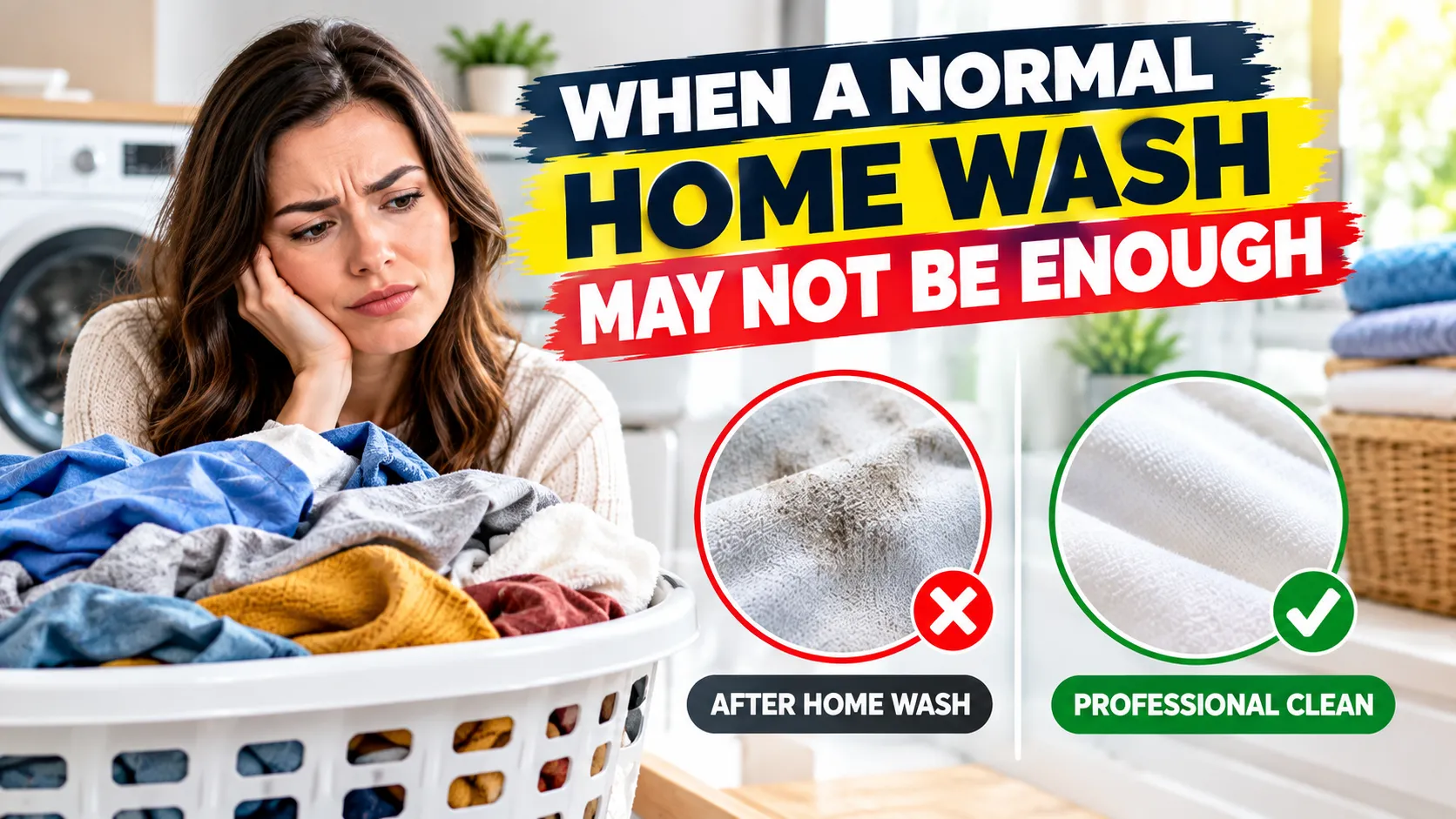
Some stains become more difficult after repeated washing, especially when residue has been exposed to dryer heat. A persistent mark does not mean you should keep escalating household chemicals.
If the item is valuable, delicate, vintage, labeled dry-clean only, or made from a fabric you are unsure how to treat, professional cleaning may be the safer option. Tell the cleaner what caused the stain so they can choose an appropriate process.
Swipe left/right to see the full table →
| Situation | Reasonable next step | Avoid |
|---|---|---|
| Small fresh mark | Home pretreatment | Aggressive scrubbing |
| Persistent washable stain | Repeat label-safe process | Random chemical mixing |
| Delicate fabric | Professional cleaner | Unverified home remedies |
| Valuable garment | Ask before treating | Risking discoloration |
General risk-level guide
Lower
Fresh, small mark on washable fabric.
Medium
Large or repeated oil exposure.
Higher
Delicate, valuable, or heat-set fabric.
This risk guide concerns the practical difficulty of protecting the fabric, not a medical or scientific risk rating. When in doubt, choose the option that is least likely to damage the material.
When to contact a professional: Seek professional cleaning advice when the care label requires it, the fabric is valuable or delicate, the stain persists after reasonable label-safe attempts, or you are unsure whether a cleaning product could discolor or damage the material.
A Simple Decision Rule
If you are wondering whether massage oil stains are likely to become a laundry problem, start with three questions: Is the mark fresh? Is the fabric machine washable? Has it already been through a dryer?
Three-question decision path
That decision path keeps the cleanup focused. You do not need a complicated routine for every small mark, but you do want to avoid the two biggest preventable errors: treating an unsuitable fabric without checking its label and drying before confirming the oil is gone.
Frequently Asked Questions
Does massage oil stain clothes permanently?
Not necessarily. Fresh oily marks are often easier to manage, while older or heat-exposed stains may require repeated label-safe cleaning or professional help.
Does massage oil stain sheets more than clothes?
It can appear more noticeable on absorbent sheets because bedding may receive a larger amount of oil over a wider area. Fabric type and the amount used still matter.
Should I wash an oily sheet immediately?
Prompt treatment is useful. Blot visible excess oil, pretreat a suitable washable fabric, and wash according to the care label.
Can I put massage-oiled sheets in the dryer?
Check the fabric after washing first. If an oily mark remains, avoid assuming that dryer heat will remove it and consider repeating the appropriate cleaning process.
What should I do if massage oil already went through the dryer?
The stain may be harder to remove, but you can review the care label and try a suitable repeat pretreatment and wash. Avoid unnecessary additional heat.
Can baking soda help with an oil stain?
An absorbent powder may help with excess surface oil before washing, but it should not replace the fabric’s care instructions or an appropriate stain pretreatment.
When should I take an oily garment to a professional cleaner?
Consider professional cleaning for dry-clean-only, delicate, expensive, vintage, or persistently stained items, especially when you are unsure which home treatment is safe.
Final Thoughts
Massage oil can leave marks on both clothes and sheets, but a visible oily patch does not automatically mean the fabric is ruined. Blot excess oil, use a fabric-appropriate pretreatment, follow the care label, and inspect the item before drying.
For delicate, valuable, or stubbornly stained fabrics, professional cleaning can be the safer choice. If a stain continues to resist reasonable care, avoid increasingly harsh treatments that could damage the material.
Author
-

I’m Alex Turner, a massage product reviewer and wellness writer at RemedyTip. I specialize in researching, evaluating, and comparing massage and recovery products to help readers make informed purchasing decisions. My focus is on practical, evidence-informed product guidance covering muscle recovery, relaxation, everyday comfort, and wellness.
I take a research-driven approach to every product I review. I examine product specifications, features, materials, performance claims, user feedback, durability, comfort, ease of use, and overall value. When appropriate, I also consult trusted industry and health-related sources to verify important information and provide readers with a more complete and balanced view.
I cover a wide range of products, including massage guns, handheld massagers, neck and shoulder massagers, foot massagers, massage chairs, foam rollers, and other recovery tools. Rather than focusing only on marketing claims, I look at how products compare in real-world use and who they are actually suitable for. I also consider different budgets, use cases, and user needs when making recommendations.
At RemedyTip, I’m committed to accuracy, transparency, and unbiased product information. I clearly distinguish between manufacturer claims, available evidence, and my own product analysis so readers can understand the basis of each recommendation. I continuously research new products, technologies, and developments in the massage and recovery space to keep my content current and useful.
My goal is simple: to provide trustworthy, easy-to-understand information that helps readers choose massage and recovery products with greater confidence.