Don’t let a sore lower back hold you back! This expert guide provides immediate and long-term strategies to relieve your discomfort today. You’ll learn simple stretches, effective pain management techniques, and crucial lifestyle adjustments to support a healthy spine, empowering you to move freely and feel better.
Living with a sore lower back can be incredibly debilitating. It can turn simple tasks into monumental challenges, making it hard to work, exercise, or even enjoy everyday life. If you’re reading this, chances are you’re seeking solutions, and you want them now. The good news is that many instances of lower back pain can be effectively managed and relieved with the right strategies, often without invasive procedures.
This comprehensive guide is designed to empower you with practical, actionable steps to alleviate your sore lower back, not just today, but for the long term. We’ll explore immediate relief techniques, gentle movements, strengthening exercises, and crucial lifestyle adjustments that can make a world of difference. You’ll learn how to understand your pain, how to soothe it, and how to build resilience to prevent future flare-ups. Get ready to take control of your comfort and move towards a pain-free life!
Key Takeaways
- Act Quickly with Ice and Heat: Apply cold therapy for acute pain and inflammation, then switch to heat to relax muscles and improve blood flow, offering immediate relief for a sore lower back.
- Embrace Gentle Movement: Avoid prolonged bed rest. Instead, engage in light activity and specific stretches like pelvic tilts and knee-to-chest to keep your spine mobile and reduce stiffness.
- Strengthen Your Core: Developing strong abdominal and gluteal muscles is crucial for long-term lower back support, stability, and preventing future pain episodes.
- Optimize Your Ergonomics: Adjust your workstation, driving position, and even how you lift objects to support proper posture and minimize strain on your lower back throughout the day.
- Listen to Your Body and Seek Help: Pay attention to your pain signals. If pain is severe, persistent, or accompanied by other symptoms like numbness, consult a healthcare professional promptly.
- Prioritize Overall Well-being: Factors like maintaining a healthy weight, managing stress, and choosing supportive footwear significantly contribute to preventing and managing a sore lower back.
Understanding Your Sore Lower Back
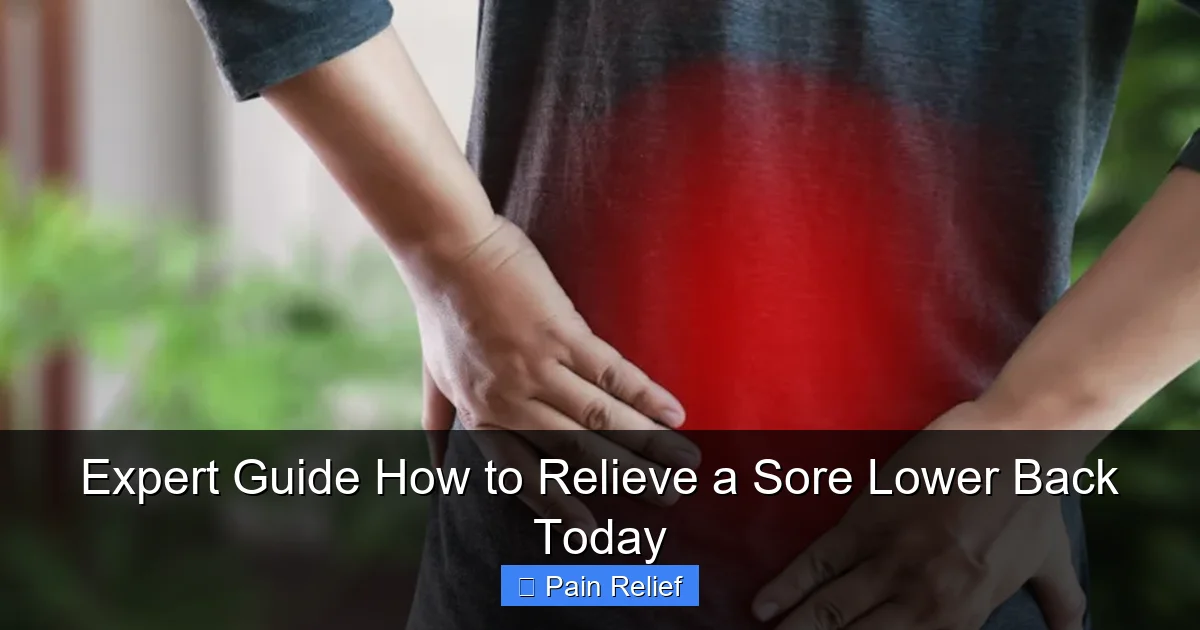
Lower back pain, also known as lumbago, is a very common condition. It can range from a dull, constant ache to a sudden, sharp pain that makes movement difficult. The lower back is a complex structure of bones, muscles, ligaments, and nerves, all working together to support your upper body and allow for movement. Pain often arises when there’s strain on these components due to factors like poor posture, heavy lifting, injury, or even stress.
Before diving into relief strategies, it’s important to understand that not all back pain is the same. Most acute lower back pain (lasting less than six weeks) resolves on its own with conservative treatment. However, chronic pain (lasting more than three months) or pain accompanied by other symptoms might indicate a more serious underlying issue. This guide focuses on common, non-specific lower back pain. Always consult a healthcare professional if you have concerns.
Step 1: Implement Immediate Relief Strategies
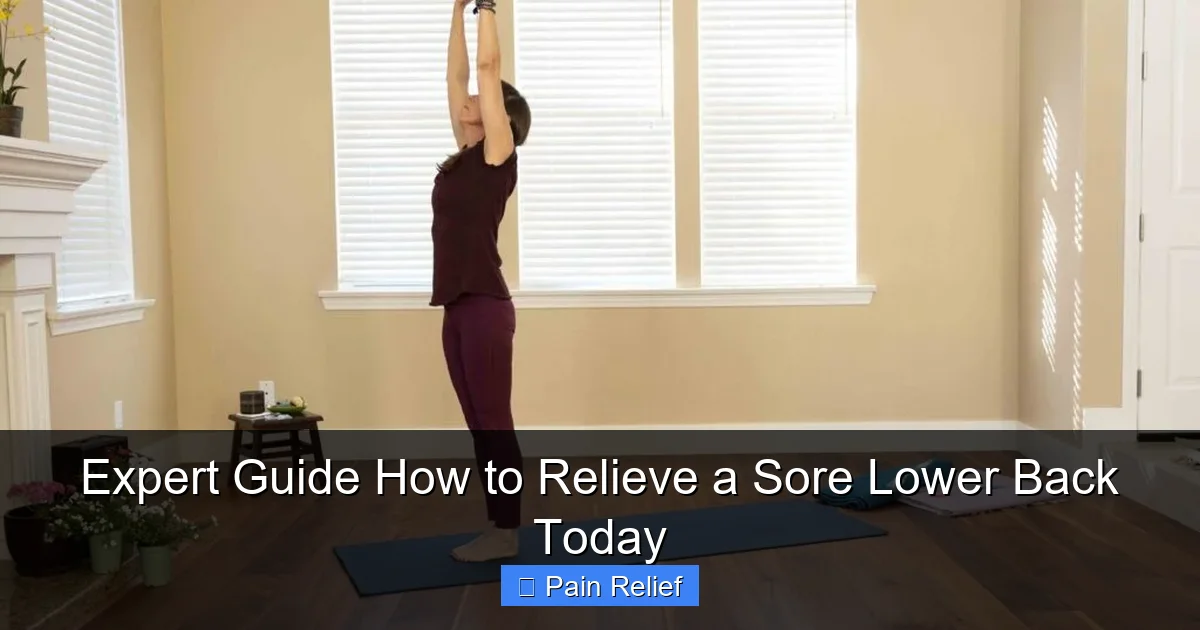
When your lower back is screaming, your first priority is to calm the pain and reduce inflammation. These initial steps are crucial for providing quick relief.
Visual guide about Expert Guide How to Relieve a Sore Lower Back Today
Image source: thrivejourney.com
Rest and Modify Activities
While complete bed rest for extended periods is generally discouraged (it can actually make pain worse), a short period of relative rest can be very beneficial. This means taking a break from activities that aggravate your pain. If sitting makes it worse, try standing or lying down. If standing hurts, try sitting or lying down. The goal is to find positions of comfort.
- Avoid Heavy Lifting: Definitely step away from any activity that involves bending, twisting, or lifting heavy objects.
- Limit Prolonged Sitting or Standing: Try to change your position every 30-60 minutes. Get up and walk around, or sit down if you’ve been standing.
- Listen to Your Body: If an activity causes sharp or increasing pain, stop immediately. Respect your body’s signals.
Apply Ice and Heat Therapy
The age-old debate of ice vs. heat is often misunderstood. Both can be incredibly effective for a sore lower back, but they serve different purposes.
- Ice for Acute Pain and Inflammation: For new injuries, sudden pain, or flare-ups where there might be inflammation, ice is your best friend. It helps constrict blood vessels, reducing swelling and numbing the area.
- How to Use: Apply an ice pack (wrapped in a thin towel to protect your skin) to the affected area for 15-20 minutes at a time, several times a day. Do this for the first 24-48 hours.
- Heat for Muscle Relaxation and Stiffness: After the initial inflammatory phase (or if your pain is more about muscle tightness and stiffness), heat therapy can work wonders. It increases blood flow, which helps relax tense muscles and promote healing.
- How to Use: Use a heating pad, hot water bottle, or a warm bath. Apply for 15-20 minutes at a time. Be careful not to fall asleep with a heating pad on, as it can cause burns.
- Alternating Therapy: Some people find relief by alternating between ice and heat. Start with ice, then switch to heat after a day or two, or use them as needed based on how your body responds.
Consider Over-the-Counter (OTC) Pain Relief
Non-prescription medications can significantly help manage pain and inflammation, allowing you to move more freely and engage in other relief strategies.
- NSAIDs (Non-Steroidal Anti-Inflammatory Drugs): Medications like ibuprofen (Advil, Motrin) or naproxen (Aleve) can reduce both pain and inflammation.
- Acetaminophen (Tylenol): This medication primarily targets pain but does not reduce inflammation.
- Topical Pain Relievers: Creams, gels, or patches containing ingredients like menthol, capsaicin, or salicylates can provide localized relief when applied directly to the skin over the sore area.
Always read labels carefully and follow dosage instructions. Consult your doctor or pharmacist if you have existing medical conditions or are taking other medications.
Step 2: Engage in Gentle Movement and Stretching
While rest is important, complete immobility can make a sore lower back worse. Gentle movement and specific stretches can help improve blood flow, reduce stiffness, and promote flexibility. Listen to your body and never stretch into sharp pain.
Visual guide about Expert Guide How to Relieve a Sore Lower Back Today
Image source: backandjointrelief.com
Pelvic Tilts
This gentle exercise helps mobilize the lower back and strengthen the core. It’s often one of the first exercises recommended for back pain.
- How to Do It: Lie on your back with your knees bent and feet flat on the floor, hip-width apart. Flatten your lower back against the floor by tightening your abdominal muscles and gently tilting your pelvis upward. You should feel your lower back press into the floor. Hold for 5-10 seconds, then release.
- Repetitions: Perform 8-12 repetitions.
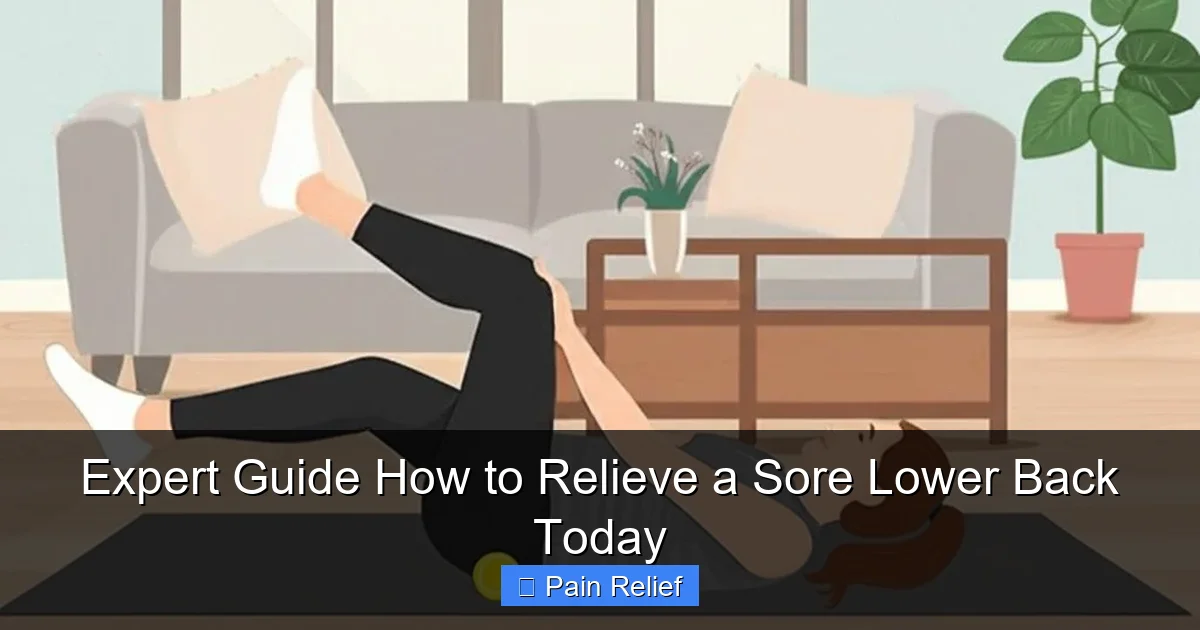
Knee-to-Chest Stretch
This stretch gently elongates the muscles in your lower back and glutes, offering great relief from tightness.
- How to Do It: Lie on your back with your knees bent and feet flat on the floor. Bring one knee up towards your chest, grasping it with both hands. Gently pull it towards your chest until you feel a comfortable stretch in your lower back and glute. Hold for 20-30 seconds. Repeat with the other leg. For a deeper stretch, you can try bringing both knees to your chest simultaneously.
- Repetitions: 2-3 times per leg.
Cat-Cow Stretch
Originating from yoga, this dynamic stretch mobilizes the entire spine, improving flexibility and easing tension in the lower back.
- How to Do It: Start on your hands and knees, with your hands directly under your shoulders and knees under your hips. As you inhale, drop your belly towards the floor, lift your chest and tailbone, looking slightly up (Cow pose). As you exhale, round your spine towards the ceiling, tucking your chin to your chest and engaging your core (Cat pose).
- Repetitions: Flow smoothly between these two positions for 5-10 repetitions.
Child’s Pose (Balasana)
A restorative yoga pose, Child’s Pose gently stretches the lower back, hips, and thighs, while also promoting relaxation.
- How to Do It: Start on your hands and knees. Gently sit your hips back towards your heels, extending your arms forward with your forehead resting on the floor. If this is too intense, you can widen your knees, place a pillow under your forehead, or rest your arms alongside your body.
- Hold: Hold for 30 seconds to a few minutes, focusing on deep, calming breaths.
Piriformis Stretch
Tightness in the piriformis muscle (deep in the buttock) can sometimes contribute to lower back pain or even sciatica-like symptoms. Stretching it can provide significant relief.
- How to Do It: Lie on your back with your knees bent and feet flat. Cross your right ankle over your left knee (forming a figure-4 shape). Gently pull your left thigh towards your chest, either by grasping the back of your left thigh or your left shin. You should feel a stretch in your right glute/hip area. Hold for 20-30 seconds. Repeat on the other side.
- Repetitions: 2-3 times per side.
Step 3: Implement Long-Term Relief and Prevention Strategies
While immediate relief is crucial, true freedom from a sore lower back comes from addressing underlying causes and building resilience. These strategies focus on preventing future pain episodes.
Visual guide about Expert Guide How to Relieve a Sore Lower Back Today
Image source: stablemassage.com.au
Improve Posture and Ergonomics
Poor posture is a leading culprit in lower back pain. Making conscious adjustments to how you sit, stand, and move can drastically reduce strain.
Sitting Ergonomics
- Chair Support: Use a chair with good lumbar support, or place a rolled-up towel or small pillow behind the curve of your lower back.
- Feet Flat: Keep your feet flat on the floor or on a footrest. Avoid crossing your legs.
- Monitor Height: Position your computer monitor so the top of the screen is at eye level, preventing neck strain that can lead to lower back compensation.
- Regular Breaks: Stand up, stretch, and walk around every 30-60 minutes to relieve pressure.
Standing Posture
- Distribute Weight: Stand with your weight evenly distributed on both feet. Avoid locking your knees.
- Slight Bend: Keep a slight bend in your knees.
- Engage Core: Gently engage your abdominal muscles to support your spine.
Lifting Techniques
- Lift with Your Legs: Bend at your knees, not your waist. Keep your back straight.
- Hold Close: Keep the object close to your body.
- Avoid Twisting: Don’t twist your body while lifting or carrying. Turn your entire body instead.
Strengthen Your Core and Glutes
A strong core (abdominal and back muscles) and strong glutes are like a natural corset for your spine, providing essential support and stability. Weak core muscles force your lower back to work harder, leading to strain and pain.
Plank
The plank is an excellent full-body exercise that targets your core stability.
- How to Do It: Start on your forearms and toes, keeping your body in a straight line from head to heels. Engage your core, glutes, and quadriceps. Avoid letting your hips sag or rise too high.
- Hold: Start with 20-30 seconds, gradually increasing as you get stronger.
Bird-Dog
This exercise improves core stability, balance, and coordination while gently strengthening the lower back and glutes.
- How to Do It: Start on your hands and knees. Keep your back flat and core engaged. Slowly extend your right arm forward and your left leg straight back, keeping them parallel to the floor. Avoid arching your back. Hold for a few seconds, then slowly return to the starting position. Repeat on the other side.
- Repetitions: 8-12 repetitions per side.
Glute Bridge
A glute bridge strengthens your glutes and hamstrings, which are vital for supporting your lower back and pelvis.
- How to Do It: Lie on your back with your knees bent, feet flat on the floor hip-width apart, and arms by your sides. Press through your heels to lift your hips off the floor until your body forms a straight line from your shoulders to your knees. Squeeze your glutes at the top. Slowly lower your hips back down.
- Repetitions: 10-15 repetitions.
Always consult with a physical therapist or healthcare professional before starting a new exercise program, especially if you have existing back pain. They can ensure you’re performing exercises correctly and safely.
Prioritize Mind-Body Connection and Stress Management
Stress and tension often manifest physically, and the lower back is a common target. Chronic stress can lead to muscle tightness, which exacerbates lower back pain.
- Mindfulness and Meditation: Practices like mindfulness or meditation can help reduce overall stress levels and improve your pain perception.
- Deep Breathing: Practicing diaphragmatic breathing (belly breathing) can relax tense muscles and calm your nervous system.
- Yoga and Tai Chi: These practices combine gentle movement, stretching, and mindful breathing, which are excellent for both physical flexibility and mental relaxation.
- Adequate Sleep: Ensure you’re getting 7-9 hours of quality sleep. A good night’s rest helps your body repair and reduces inflammation.
Maintain a Healthy Weight and Nutrition
Excess body weight, especially around the midsection, puts extra strain on your lower back. Losing even a few pounds can significantly reduce this burden. A diet rich in anti-inflammatory foods (fruits, vegetables, whole grains, lean proteins, healthy fats) can also support overall health and potentially reduce systemic inflammation that might contribute to pain.
- Balanced Diet: Focus on whole, unprocessed foods.
- Stay Hydrated: Drinking enough water helps keep your intervertebral discs hydrated and healthy.
Choose Supportive Footwear
Your feet are the foundation of your body. Unsupportive shoes can alter your gait and posture, leading to imbalances that travel up the kinetic chain to your lower back. Opt for shoes with good arch support and cushioning. Avoid high heels or excessively flat shoes for prolonged periods.
When to Seek Professional Help
While many cases of a sore lower back resolve with self-care, it’s crucial to know when to consult a healthcare professional. Don’t hesitate to seek medical advice if you experience any of the following:
- Severe Pain: Pain that is debilitating, doesn’t improve with rest, or worsens.
- Pain After an Injury: Especially after a fall, car accident, or sports injury.
- Pain Radiating Down Your Leg: Pain that extends below the knee, numbness, tingling, or weakness in your leg or foot (possible sciatica).
- Loss of Bladder or Bowel Control: This is a medical emergency and requires immediate attention.
- Fever, Chills, or Unexplained Weight Loss: These could indicate a more serious underlying condition.
- Pain That Worsens at Night or While Lying Down: This can be a red flag.
- Pain Lasting More Than a Few Weeks: If your pain isn’t improving with self-care after 2-4 weeks.
A doctor can properly diagnose the cause of your pain and recommend appropriate treatments, which might include physical therapy, prescription medication, or in rare cases, surgery. A physical therapist is an invaluable resource for creating a personalized exercise and stretching program to strengthen and support your lower back.
Conclusion: Empowering Your Back Health
A sore lower back can be a frustrating and painful experience, but it doesn’t have to be a permanent one. By understanding the common causes and diligently applying the strategies outlined in this expert guide, you have the power to relieve your discomfort today and build a foundation for long-term back health.
Remember, it’s a journey, not a sprint. Consistency in gentle movement, core strengthening, ergonomic awareness, and self-care practices will yield the best results. Listen to your body, be patient, and don’t hesitate to seek professional guidance when needed. With dedication, you can significantly reduce your pain, improve your mobility, and reclaim a life free from the constant burden of a sore lower back. Start today, and feel the difference!
🎥 Related Video: STOP Stretching Sciatica!
📺 RehabFix
Want to know how we help thousands across the world resolve their sciatica and back pain with our “Centralization Process”, and …