This guide teaches you how to reduce knee pain using simple, effective daily habits. From gentle exercises to lifestyle changes, you’ll find practical tips to ease discomfort and support knee health for everyday activities.
Key Takeaways
- Understand knee pain: Identifying causes helps tailor relief strategies.
- Daily gentle exercises: Strengthen muscles around the knee to support joints.
- Maintain healthy weight: Reduces stress on knees and lowers pain.
- Use proper footwear: Provides better support and shock absorption.
- Apply cold and heat therapy: Manages inflammation and soothes stiffness.
- Practice good posture and movement: Prevents undue knee strain.
- Consult professionals when needed: For persistent or severe pain, seek expert care.
How to Reduce Knee Pain with Simple Effective Daily Practices
If you struggle with knee pain, you’re not alone. Many people face discomfort that limits their mobility and quality of life. The good news? You can take simple, effective steps every day to reduce knee pain and protect your joint health. This guide will walk you through easy-to-follow daily practices that can ease knee pain naturally and keep your knees strong.
Understanding Knee Pain: Why It Happens
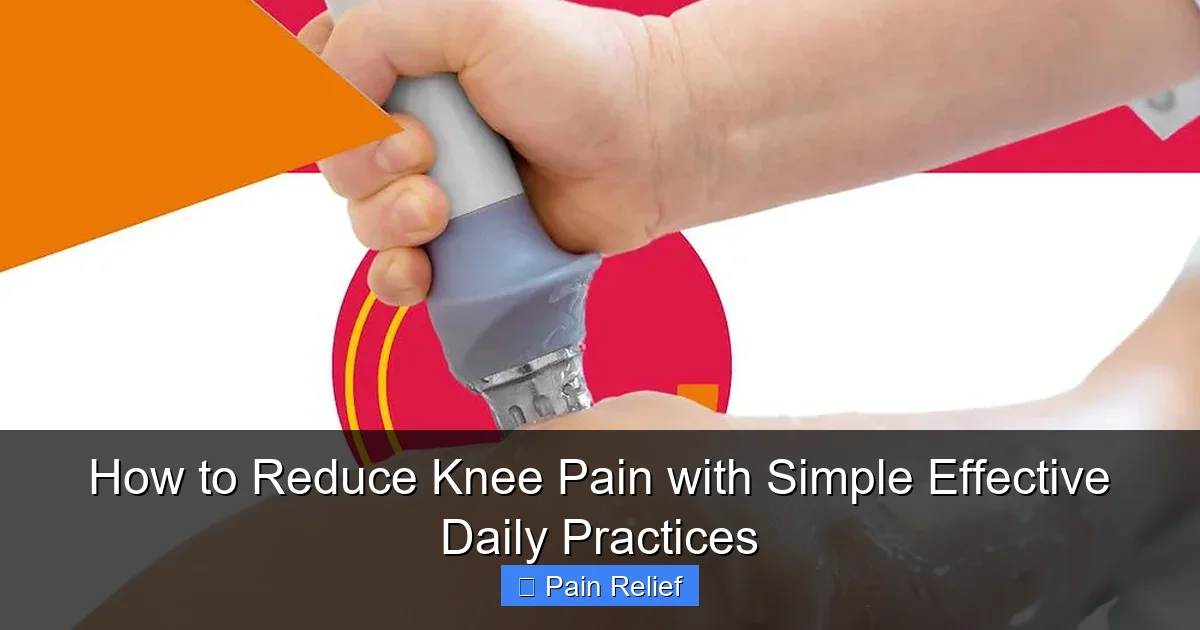
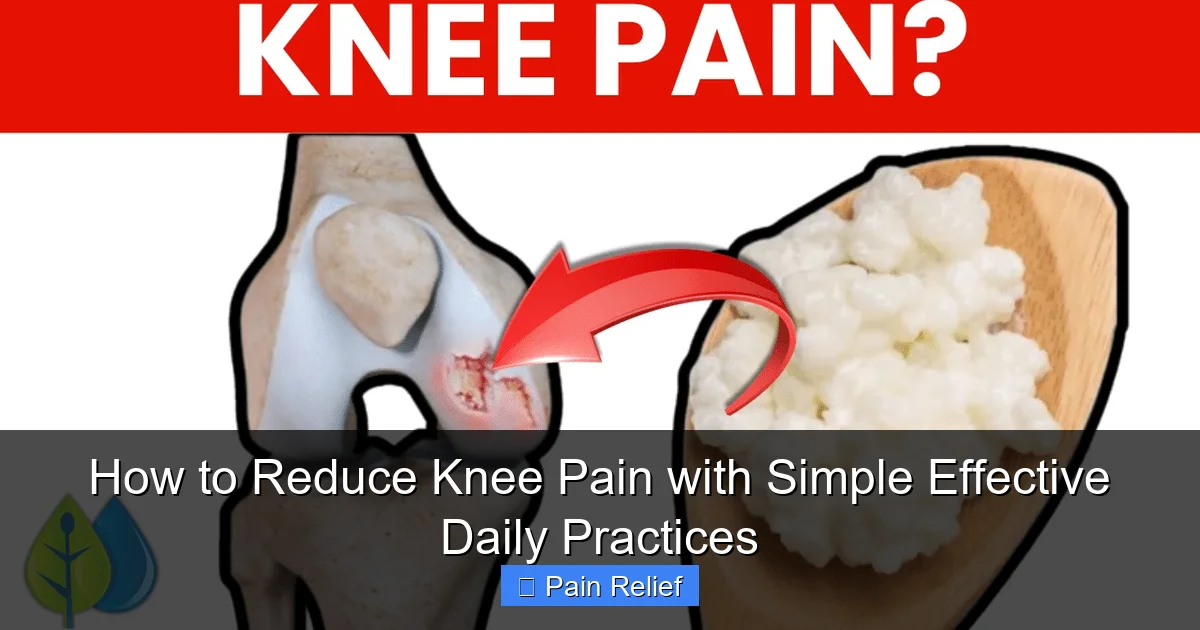
Before diving into relief methods, it helps to understand why your knees hurt. Knee pain can come from many causes such as injury, arthritis, overuse, or inflammation. Knowing the cause helps you choose the best way to reduce knee pain. For example, arthritis pain may respond well to gentle movement and weight management, while an injury might need rest and ice initially.
Visual guide about How to Reduce Knee Pain with Simple Effective Daily Practices
Image source: static.wixstatic.com
Step 1: Incorporate Gentle Exercises to Strengthen Knee Support
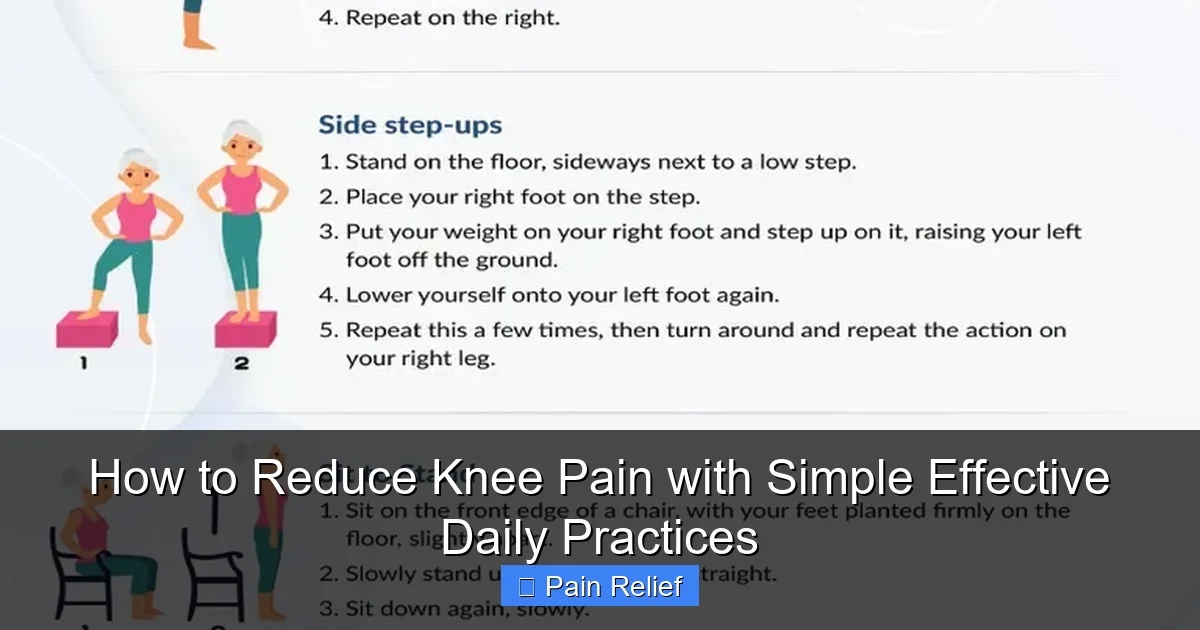
Strong muscles around your knee can take pressure off the joint and reduce pain. Aim for daily gentle exercises that enhance flexibility and strength without causing strain.
Visual guide about How to Reduce Knee Pain with Simple Effective Daily Practices
Image source: dailyhealthpost.com
Quadriceps Strengthening
- Sit on a chair with your back straight.
- Straighten one leg and hold for 5 seconds.
- Lower it slowly and repeat 10 times per leg.
Hamstring Stretch
- Lie on your back and lift one leg.
- Use a towel or band behind your foot to gently pull the leg toward you.
- Hold for 15-20 seconds and switch legs.
Calf Raises
- Stand near a wall or chair for balance.
- Slowly rise onto your toes and hold for 3 seconds.
- Lower back down and repeat 10-15 times.
Try these exercises daily and gradually increase repetitions as your strength improves. Avoid sudden or high-impact movements that could worsen pain.
Step 2: Maintain a Healthy Weight
Extra weight puts more pressure on your knees. Even a small weight loss can significantly decrease knee pain and improve joint function. Focus on a balanced diet rich in fruits, vegetables, lean proteins, and whole grains. Avoid processed foods and sugary drinks.
Visual guide about How to Reduce Knee Pain with Simple Effective Daily Practices
Image source: imgv2-2-f.scribdassets.com
Combined with regular low-impact exercise, weight management is a powerful way to reduce knee pain naturally. For more on managing knee pain through lifestyle, check out our detailed guide on how to reduce knee pain.
Step 3: Choose Proper Footwear for Knee Support
Wearing shoes with good arch support and cushioning can reduce knee strain. Avoid high heels or flat shoes without support, as they can increase knee stress.
Consider orthopedic or stability shoes if you have flat feet or other foot issues. Custom insoles may also help distribute pressure evenly. Good footwear keeps your knee aligned and absorbs shock when you walk or stand.
Step 4: Use Cold and Heat Therapy
Cold therapy helps reduce inflammation and swelling, especially after activity or injury. Apply an ice pack wrapped in cloth to your knee for 15-20 minutes several times a day.
Heat therapy relaxes muscles and eases stiffness. Use a warm towel or heating pad on your knee before exercise or when you wake up. Alternate between cold and heat as needed for best results.
For more detailed tips on managing knee inflammation, visit how to reduce inflammation in knee.
Step 5: Practice Good Posture and Movement Habits
How you move affects your knee health. Avoid sitting or standing in one position for too long. When walking, keep your posture upright and avoid locking your knees.
Use proper techniques when climbing stairs or lifting objects — bend your knees and hips, not your back. This protects your knees from extra strain.
Tips for Daily Movement
- Take short breaks to stand and stretch during long sitting periods.
- When standing, distribute weight evenly on both legs.
- Use ergonomic furniture if you spend hours at a desk.
Step 6: Massage and Stretch for Relief
Gentle massage around the knee can improve blood flow and reduce tightness. Use your hands or a massage roller to gently knead the muscles above and below the knee.
Stretching regularly prevents stiffness. Focus on the thighs, calves, and hips to support knee flexibility.
Step 7: Know When to Seek Professional Help
If your knee pain persists, worsens, or is accompanied by swelling, redness, or instability, consult a healthcare professional. They can diagnose underlying issues and recommend treatments such as physical therapy, medications, or in some cases, surgery.
For ongoing knee pain due to arthritis, exploring specialized advice may help. Learn more in our article on how to treat arthritic knee.
Troubleshooting Common Issues
Exercise Causes Increased Pain?
Stop any activity that causes sharp or worsening pain. Try reducing the intensity or duration of exercises. Use ice after activity if there’s soreness. Gradually build up strength over weeks.
Swelling or Stiffness After Activity?
Apply cold therapy and rest your knee. Elevate it if swollen. If swelling persists, see a doctor for evaluation.
Difficulty Performing Exercises?
Modify movements to be gentler or try seated versions. Consider consulting a physical therapist for personalized guidance.
Conclusion
Reducing knee pain doesn’t have to be complicated. By adopting simple daily practices like gentle strengthening exercises, maintaining a healthy weight, wearing proper footwear, and using cold and heat therapy, you can ease discomfort and protect your knees. Remember to move mindfully and seek professional advice if pain persists. With consistent care, you can enjoy better knee health and improved mobility.
For a broader range of knee pain relief strategies, check out our comprehensive guide on how to get rid of knee pain.
🎥 Related Video: How To Fix Patellar Tendonitis Knee Pain – 4 Simple Steps At Home!
📺 Tone and Tighten
CHECK OUT THE FULL VIDEO HERE: https://youtu.be/-dJIxiZcy_8 How to heal your patellar tendon pain in just four simple steps!