If you struggle with mid back pain, getting a good night’s sleep can feel impossible. This guide offers practical tips and techniques to help you find comfort while sleeping, including ideal sleeping positions, mattress recommendations, and relaxation techniques for better rest.
Key Takeaways
- Understand Your Pain: Knowing the cause of your mid back pain can help you choose the right sleeping position and mattress.
- Choose the Right Mattress: A supportive mattress can make a significant difference in alleviating back pain while you sleep.
- Optimal Sleeping Positions: Positions like sleeping on your side with a pillow between your knees can promote spinal alignment and reduce discomfort.
- Use Supportive Pillows: A supportive pillow can help maintain the natural curve of your neck and spine, reducing tension in your mid back.
- Incorporate Stretching: Gentle stretching before bed can relax your muscles and prepare your body for a restful night.
- Consider Heat Therapy: Applying heat to your back before sleep can soothe tight muscles and improve your comfort level.
- Maintain a Consistent Sleep Schedule: Going to bed and waking up at the same time every day can help regulate your sleep patterns and improve overall rest.
Tips for Sleeping with Mid Back Pain for Better Rest
Mid back pain can be a frustrating barrier to a restful night’s sleep. If you find yourself tossing and turning or waking up in discomfort, you’re not alone. This comprehensive guide will help you discover ways to cope with mid back pain while sleeping. By the end, you’ll have practical tips and techniques to improve your sleep quality and reduce discomfort.
Step 1: Understanding Your Mid Back Pain
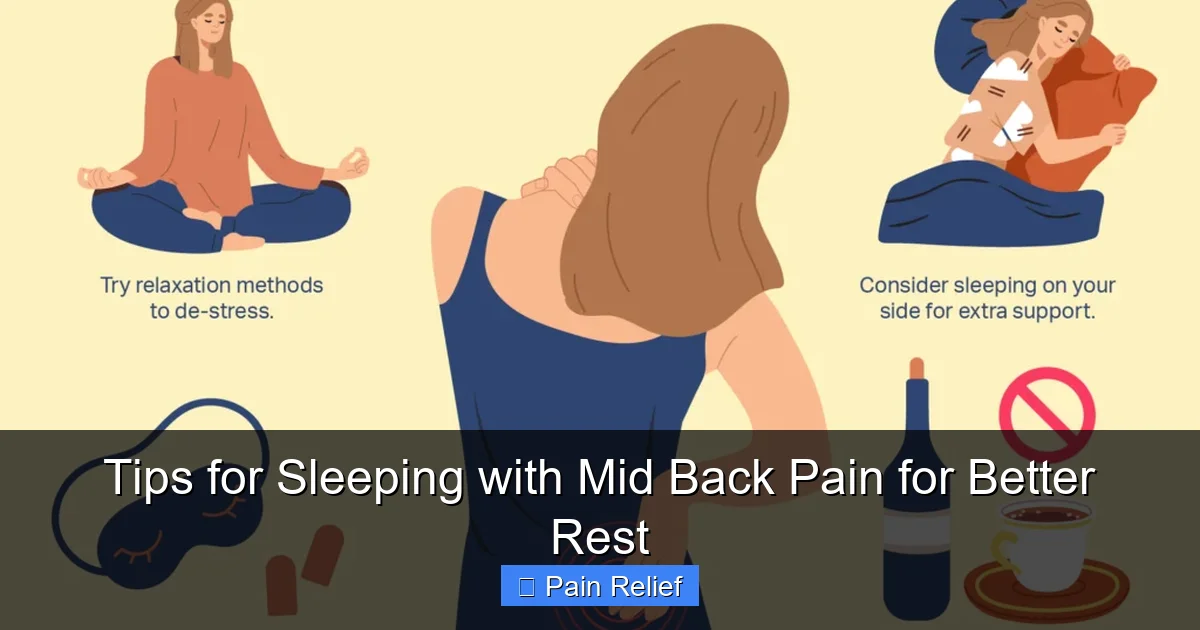
Before making changes to your sleep routine, it’s important to understand the nature of your pain. Mid back pain can stem from various causes, including muscle strain, poor posture, or even underlying medical conditions. Identifying the cause can help you determine the best approach for relief.
Visual guide about Tips for Sleeping with Mid Back Pain for Better Rest
Image source: sleepfoundation.org
Identify the Source
Consulting with a healthcare professional can provide clarity. They may recommend imaging tests or physical assessments to pinpoint the issue. Knowing whether your pain is due to a muscle strain or a more serious condition can guide your choices in sleeping positions and support.
Step 2: Choosing the Right Mattress
Your mattress plays a crucial role in how well you sleep and how much back pain you experience. A suitable mattress should provide support without being too firm.
Visual guide about Tips for Sleeping with Mid Back Pain for Better Rest
Image source: redefinehealthcare.com
Consider Mattress Types
- Memory Foam: This type of mattress conforms to your body shape, reducing pressure points and promoting spinal alignment.
- Hybrid Mattresses: Combining coils and foam, these mattresses offer both support and cushioning for your back.
- Innerspring Mattresses: While they offer good support, ensure they have adequate cushioning to prevent discomfort.
Test Before You Buy
If possible, try out different mattresses in-store. Lie down in your preferred sleeping position and assess how it feels. Look for a balance between comfort and support.
Step 3: Finding Optimal Sleeping Positions
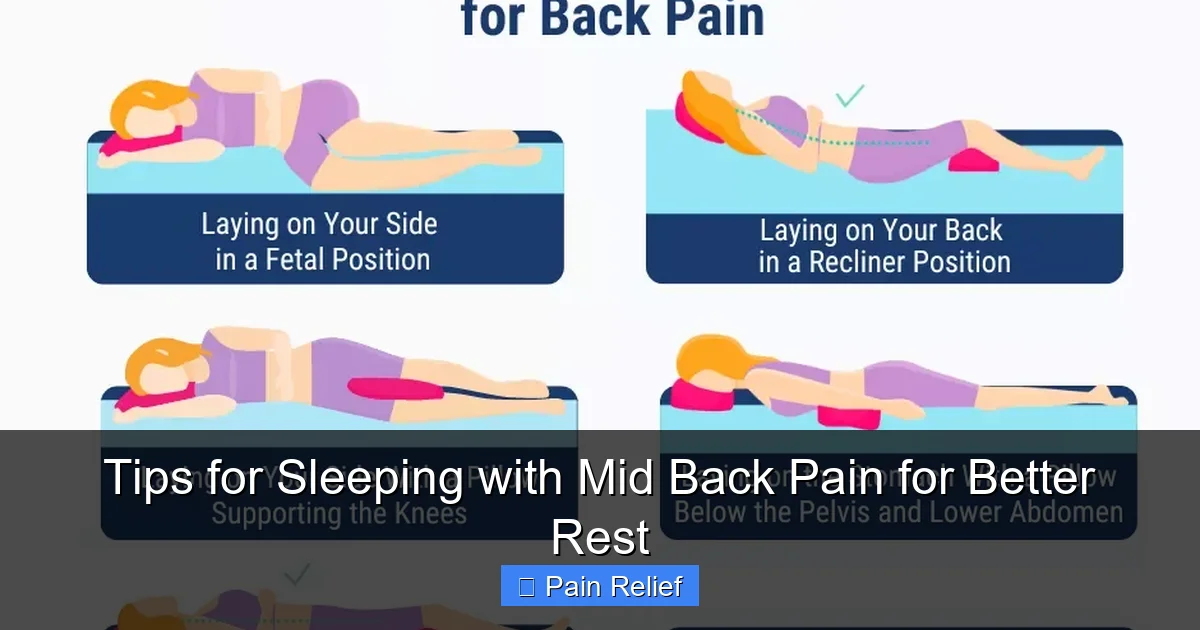
The way you position your body while sleeping can significantly impact your back pain. Here are some recommended positions:

Visual guide about Tips for Sleeping with Mid Back Pain for Better Rest
Image source: alleviatepainclinic.com
Side Sleeping
Sleeping on your side can help alleviate pressure on your mid back. To enhance comfort:
- Place a firm pillow between your knees. This will keep your spine aligned and reduce strain.
- Use a thin pillow to support your head and neck, ensuring your spine remains straight.
Back Sleeping
If you prefer to sleep on your back, consider the following:
- Use a supportive pillow that maintains the natural curve of your neck.
- Place a small pillow or rolled towel under your knees. This can relieve pressure on your lower back and promote spinal alignment.
Avoid Stomach Sleeping
Stomach sleeping can strain your back and neck. If this is your usual position, try to transition to side or back sleeping. It may take time, but your back will thank you.
Step 4: Using Supportive Pillows
Choosing the right pillow is essential for reducing mid back pain while sleeping. The right pillow supports your head, neck, and spine, preventing strain.
Types of Pillows
- Memory Foam Pillows: These contour to your neck and head, providing customized support.
- Latex Pillows: They offer firm support and retain their shape well.
- Adjustable Pillows: These allow you to add or remove filling to achieve your desired height and firmness.
Pillow Positioning
Ensure that your pillow keeps your head aligned with your spine. You may need to experiment with different types and positions until you find the perfect fit.
Step 5: Incorporating Stretching and Heat Therapy
Incorporating gentle stretching and heat therapy into your nighttime routine can significantly enhance comfort and promote relaxation.
Gentle Stretching Routine
- Try stretching your back, shoulders, and neck gently before bed.
- Consider yoga poses like Child’s Pose or Cat-Cow to relieve tension in your back.
Heat Therapy
Applying heat to your mid back can soothe tight muscles and provide immediate relief. Use a heating pad or take a warm bath before bedtime for the best results.
Step 6: Maintaining a Consistent Sleep Schedule
Consistency in your sleep routine can improve the quality of your rest. Aim to go to bed and wake up at the same time every day, even on weekends. This helps regulate your body’s natural sleep-wake cycle.
Create a Sleep-Inducing Environment
- Keep your bedroom dark, quiet, and cool.
- Limit screen time before bed, as the blue light can interfere with your sleep.
Troubleshooting Common Issues
Even with the best strategies, you may still face challenges. Here are some common issues and solutions:
Pain Persists Despite Changes
If your mid back pain continues, consider consulting a healthcare professional. They may recommend physical therapy or other treatments to help manage your pain more effectively.
Struggling to Maintain New Positions
It can be tough to shift from a familiar sleeping position. Try using body pillows or special sleep aids to encourage better alignment and comfort.
Conclusion
Sleeping with mid back pain doesn’t have to be a nightly battle. By understanding your pain, choosing the right mattress and pillows, and adopting better sleeping positions, you can improve your sleep quality and wake up feeling refreshed. Incorporate gentle stretching and heat therapy into your routine, and maintain a consistent sleep schedule to further enhance your rest. Remember, if your pain persists, it’s important to consult a healthcare professional for tailored advice and treatment.
🎥 Related Video: The best sleeping position for back pain, neck pain, and sciatica – Tips from a physical therapist
📺 Tone and Tighten
Tips and advice on the best positions to sleep in from a doctor of physical therapy. Tips and tricks to get your best nights sleep …