In this guide, you will learn about the various causes of cold-related back pain and discover effective solutions to alleviate discomfort. Understanding how temperature impacts your body can help you manage pain better and enhance your overall well-being.
Key Takeaways
- Point 1: Cold weather can lead to muscle stiffness, which may contribute to back pain.
- Point 2: Poor posture during cold months can exacerbate back pain issues.
- Point 3: Inadequate warm-up before physical activity in cold weather can increase the risk of injury.
- Point 4: Proper clothing and heating can help reduce the chances of cold-related back pain.
- Point 5: Regular exercise can strengthen back muscles and improve flexibility, reducing pain.
- Point 6: Consult with a healthcare professional for persistent or severe back pain.
- Point 7: Home remedies like heat therapy can provide immediate relief from cold-related back pain.
Understanding Cold Related Back Pain Causes and Solutions
Cold weather often brings a host of health issues, and back pain is no exception. Many people experience an increase in back discomfort when temperatures drop. In this comprehensive guide, we will explore the causes of cold-related back pain and offer practical solutions to help you find relief.
What Causes Cold-Related Back Pain?
Understanding the reasons behind cold-related back pain is the first step toward managing it effectively. Here are some common causes:

Visual guide about Understanding Cold Related Back Pain Causes and Solutions
Image source: vejthani.com
1. Muscle Stiffness
Cold weather can lead to muscle stiffness. When temperatures drop, muscles tend to contract and become less flexible. This stiffness can result in pain and discomfort in the back.
2. Decreased Blood Flow
Cold conditions can cause blood vessels to constrict, reducing blood flow to the muscles and tissues in your back. This can lead to pain as your muscles may not receive the oxygen and nutrients they need to function properly.
3. Poor Posture
During colder months, people tend to hunch or adopt poor posture while bundling up in layers. This can put additional strain on the back and contribute to pain.
4. Lack of Physical Activity
Cold weather often discourages outdoor activity. A sedentary lifestyle can weaken back muscles, making them more susceptible to pain.
5. Sudden Movements
In cold conditions, sudden movements can lead to strains or sprains. Your body may not be warmed up enough to handle quick motions safely.
Recognizing Symptoms of Cold-Related Back Pain
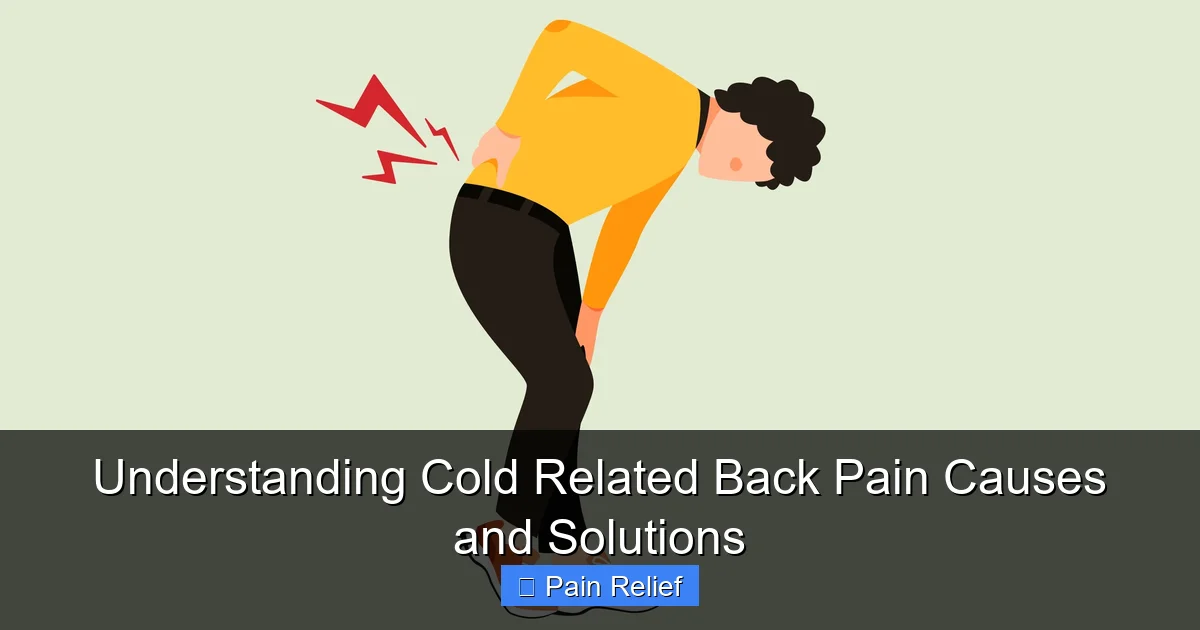
It’s essential to recognize the symptoms associated with cold-related back pain. Common signs include:
Visual guide about Understanding Cold Related Back Pain Causes and Solutions
Image source: cms.buzzrx.com
- A dull ache or sharp pain in the lower back
- Stiffness or tightness
- Pain that worsens with movement
- Muscle spasms or cramping
How to Alleviate Cold-Related Back Pain
Now that we understand the causes, let’s explore effective solutions to alleviate cold-related back pain.
Visual guide about Understanding Cold Related Back Pain Causes and Solutions
Image source: myvelofit.com
1. Warm Up Before Activities
Always take time to warm up before engaging in physical activities, especially in colder weather. Simple stretches can help prepare your muscles for movement.
2. Dress Appropriately
Wearing layers can help maintain your body temperature. Consider thermal wear or heated vests to keep your back warm. Pay attention to your posture while dressing, and avoid hunching over.
3. Use Heat Therapy
Applying heat to sore areas can help relax muscles and improve blood flow. Use a heating pad or take a warm bath to soothe your back.
4. Stay Active
Engage in regular exercise to keep your back muscles strong and flexible. Low-impact activities, such as walking, swimming, or yoga, are excellent options.
5. Maintain Good Posture
Be mindful of your posture, especially during colder months. Sit with your back straight, and avoid slouching. Use ergonomic furniture to support your back.
6. Stay Hydrated
Keeping your body hydrated is crucial. Dehydration can worsen muscle stiffness. Drink plenty of water, especially during the winter months.
Practical Tips for Managing Cold-Related Back Pain
Here are some additional tips to keep in mind:
- Use supportive chairs: Invest in a chair that offers proper lumbar support to help maintain good posture.
- Practice mindfulness: Stress can contribute to muscle tension. Consider relaxation techniques like meditation or deep breathing.
- Seek professional help: If home remedies don’t provide relief, consult a healthcare professional or physical therapist for personalized guidance.
Troubleshooting Common Issues
If you find that your cold-related back pain persists despite trying these solutions, consider the following:
When to Seek Medical Attention
If your pain is severe or lasts longer than a few weeks, it’s essential to consult a healthcare professional. They can help determine the underlying cause and recommend appropriate treatment options.
Identify Triggers
Keep a diary of your activities and pain levels to help identify any specific triggers that may contribute to your discomfort. This information can be valuable when discussing your symptoms with a healthcare provider.
Conclusion
Cold-related back pain can be a challenging issue to deal with, but understanding its causes and implementing effective solutions can make a significant difference. Remember to stay warm, maintain good posture, and keep your back muscles active. If you experience persistent pain, don’t hesitate to seek help from a healthcare professional. By taking proactive steps, you can manage your pain and enjoy a more comfortable winter.
🎥 Related Video: Low Back Pain Causes (and 7 Worrying Signs)
📺 DocUnlock
The first 1000 people to use the link or my code ‘docunlock’ will get a 1 month free trial of Skillshare: https://skl.sh/docunlock05221 …