Bending your knee can hurt when the kneecap, tendons, cartilage, or surrounding muscles get irritated from overuse, stiffness, swelling, arthritis, or an injury. The pain pattern matters. Front-of-knee pain often points to kneecap tracking issues, while swelling, locking, or giving way can signal a more serious problem.
Knee pain when bending is frustrating. It can show up when you squat, kneel, sit down, stand up, or climb stairs. I’m Ethan Carter, and I’ve spent years testing massage tools, recovery products, and pain relief methods. I focus on simple, practical advice that helps people feel better and recover faster at home. In this guide, I’ll walk you through the most common reasons bending your knee hurts, what may help at home, when to be careful, and which tools are actually worth using.
Quick Answer
If bending your knee hurts, the most common reasons are overuse, tight muscles, kneecap irritation, swelling, arthritis, or a strain. Many people feel better with short-term rest, ice, compression, gentle mobility work, and avoiding painful movements for a few days. If your knee locks, gives out, swells a lot, or you cannot bear weight, get it checked sooner.
Why Your Knee Hurts When You Bend It
The most common pain patterns
In my experience, knee pain when bending usually falls into a few simple buckets.
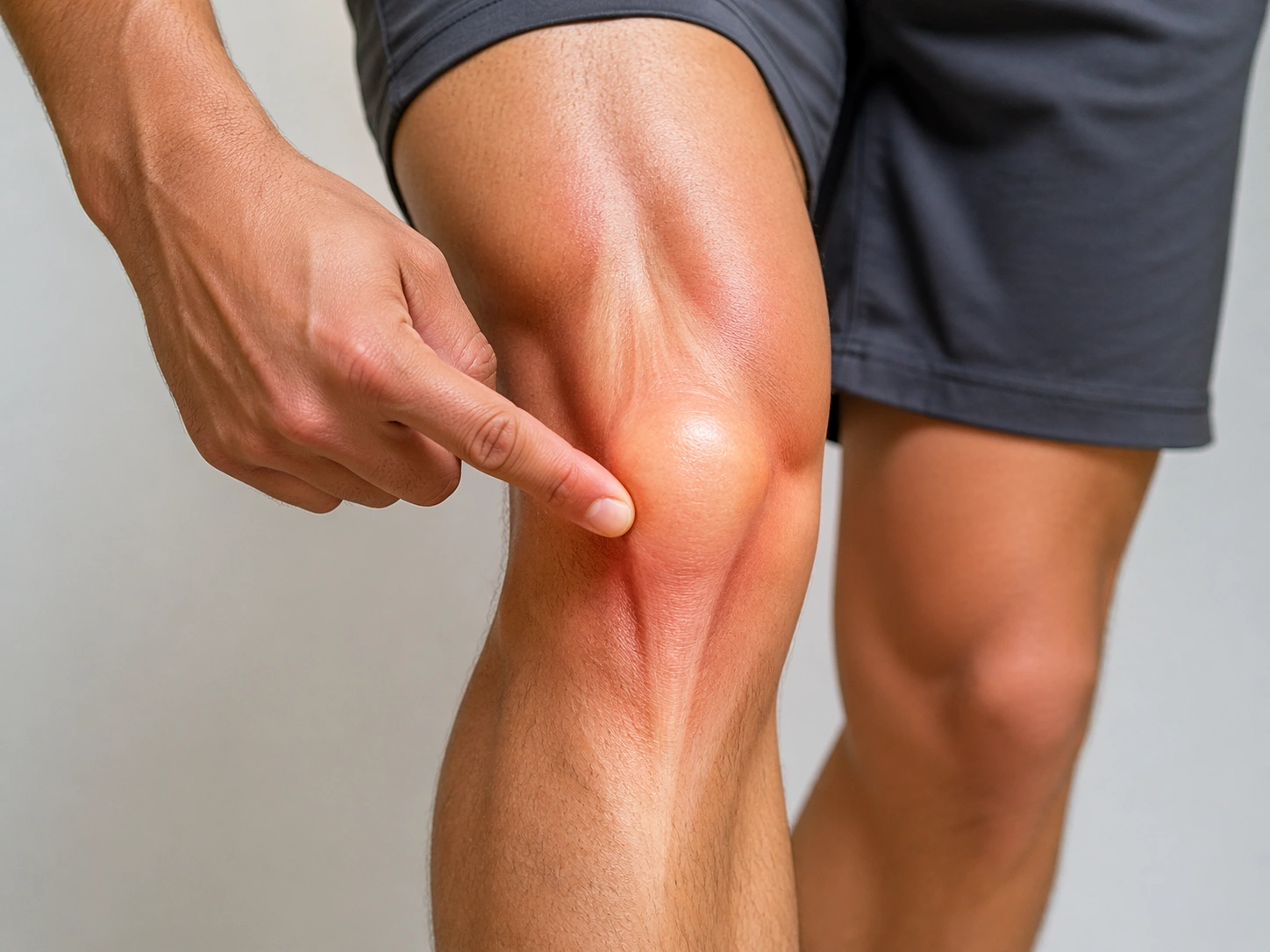
- Front-of-knee pain often shows up with stairs, squats, lunges, or after sitting too long. This pattern is common with patellofemoral pain, sometimes called runner’s knee.
- Stiff, achy pain with swelling can point more toward arthritis or irritation inside the joint.
- Sharp pain after a twist, awkward step, or workout can come from a strain or other injury.
- Pain with catching, locking, or giving way deserves more caution because the knee may not be moving smoothly or staying stable.
What the location of the pain may suggest
| Pain Location or Symptom | What It May Point To | What Often Helps First |
|---|---|---|
| Front of knee | Kneecap irritation, overuse, patellofemoral pain | Reduce squatting volume, gentle quad and hip work, light compression |
| Inside of knee | Joint irritation, ligament strain, arthritis | Lower impact activity, swelling control, mobility support |
| Outside of knee | IT band irritation, overuse strain | Load management, hip work, soft tissue work around the thigh |
| Behind knee | Tight leg muscles, tendon irritation, joint swelling | Gentle calf and hamstring mobility, swelling control |
| Swelling, heat, locking, giving way | Possible injury or stronger irritation | Stop aggravating activity and get evaluated sooner |
How Bending the Knee Triggers Pain
Kneecap tracking, soft tissue tightness, and joint pressure
Every time you bend your knee, the kneecap has to glide smoothly while the muscles and soft tissues around it share the load. When that movement gets irritated, painful, or stiff, bending starts to feel worse. Tight quads, calves, and outer thigh tissue can also increase pressure around the area, especially if you sit a lot or train hard without enough recovery.
Swelling, stiffness, and reduced range of motion
Even a little swelling can make bending feel uncomfortable because the joint has less room to move. Arthritis can also make the knee feel stiff, swollen, and achy because the joint surfaces are more irritated and less tolerant of load.
Why sitting all day or overtraining can make it worse
Long periods of sitting can leave the knees feeling stiff and the surrounding muscles tight. On the other side, too much running, jumping, squatting, or stair work can overload the front of the knee. That is why office workers and active people can both end up with bending pain, just for different reasons.
Symptom vs Possible Cause Table
| Symptom | Likely Trigger | Simple First Fix |
|---|---|---|
| Pain when squatting deep | Front-of-knee overload, kneecap irritation | Reduce depth, slow down reps, use gentle quad and hip strengthening |
| Pain after sitting | Stiffness, kneecap pressure, poor movement breaks | Stand up more often, do easy knee extensions and short walks |
| Pain with stairs | Patellofemoral stress, weakness, irritation | Use handrail, shorten step height, add hip and glute work |
| Hot or swollen knee | Inflammation, joint irritation, possible injury | Ice, compression, elevation, reduce load |
| Locking or giving way | Possible internal injury or instability | Stop self-treatment and get assessed |
How to Relieve Knee Pain at Home Step by Step
1. Calm irritation first
- Cut back on the movement that triggers the pain most, especially deep squats, kneeling, jumping, or repeated stairs.
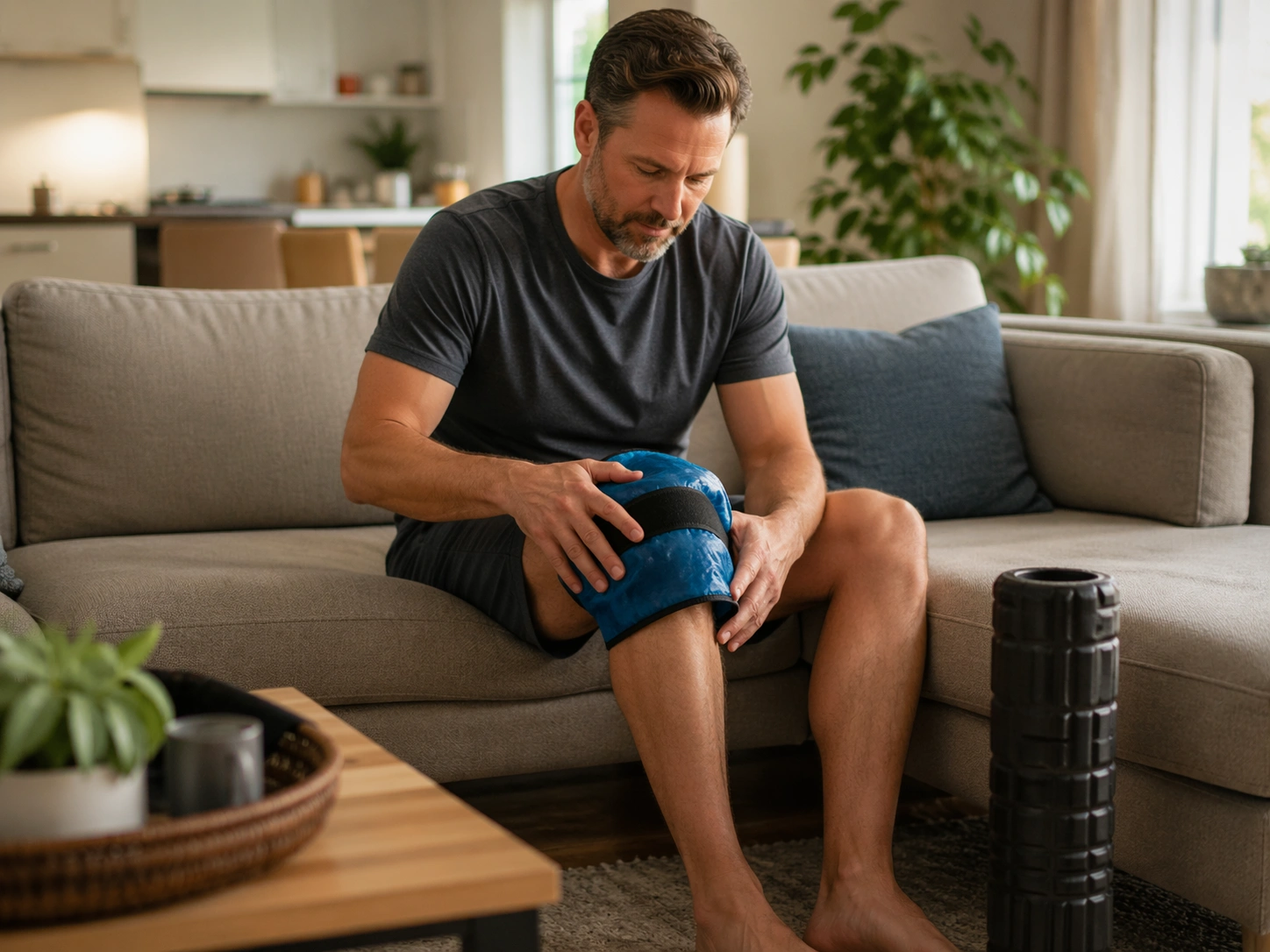
- If the knee is swollen or freshly irritated, use ice for 15 to 20 minutes.
- Use compression if swelling is present, but do not wrap it so tightly that it causes numbness, extra pain, or swelling below the wrap.
- Elevate the leg when the knee feels puffy or throbbing.
2. Improve mobility without overdoing it
I usually tell readers to think gentle, not aggressive. Try a few rounds of:
- Easy heel slides on the floor or bed
- Controlled knee bends only in a pain-light range
- Short walks instead of long sessions on the couch
- Low-impact activity like cycling with little resistance, if it feels comfortable
The goal is to keep the joint moving without forcing it. Strengthening the muscles around the knee can also improve stability over time, which is why gradual exercise and physical therapy-style work often help.
3. Use self massage and recovery tools the right way
Self massage may help when the problem feels more like tightness than direct joint irritation. I like to focus on the quads, calves, hamstrings, and outer thigh instead of pressing hard right on the kneecap itself.
- Use a massage gun on the thigh or calf for short sessions, not directly over a swollen joint.
- Use a foam roller on the quads and outer thigh if the area feels stiff from workouts or long sitting.
- Try gentle hands-on massage around the muscles above and below the knee to reduce tension.
Many people find this especially helpful when the knee pain is tied to tight muscles, overuse strain, or post-workout soreness rather than a fresh injury.
4. Build support with simple strength work
Once sharp irritation settles down, add controlled strength work. The muscles around the knee, hips, and glutes help the joint handle load better. Start with easy sit-to-stands, glute bridges, mini step-ups, and straight-leg raises if they feel comfortable. Keep the movement smooth and stop before pain spikes.
5. Return to normal activity gradually
If daily walking feels easier and bending is less painful, slowly build back up. Increase one thing at a time. That may be squat depth, step count, or workout intensity. A lot of people flare their knee again because they feel 70% better and jump back to 100% too fast.
Benefits of Early Self-Care for Knee Pain
When the issue is mild overuse, stiffness, or soft tissue irritation, early self-care may help you:
- Reduce swelling and soreness
- Move the knee more comfortably
- Support better range of motion
- Get through walking, stairs, and daily tasks with less irritation
- Return to workouts more gradually and safely
| Who It Helps Most | What Usually Works Best |
|---|---|
| Office workers | Mobility breaks, light stretching, foam rolling, less sitting time |
| Gym-goers | Load reduction, ice for irritation, massage gun on quads and calves, gradual strength work |
| Older adults | Gentle mobility, compression, low-impact movement, steady pacing |
| People on their feet all day | Compression, elevation after work, calf and quad recovery work |
Common Problems and Fixes
Pain when squatting
Try reducing depth for a week or two. Keep your knees tracking in line with your feet. Slow the movement down. Add glute and hip strength work so the knee does not take all the load.
Pain after long sitting
This is common with stiff knees and front-of-knee irritation. Stand up every 30 to 60 minutes. Do a short walk, a few heel slides, or a few easy leg extensions before asking the knee to handle stairs or squats.
Pain on stairs
Use the handrail. Take shorter steps. Slow down. If downstairs is worse than upstairs, that often points to the front of the knee being irritated by added pressure during bending.
Pain with swelling or stiffness
Make swelling control the priority. That usually means reducing load for a few days, using ice, elevation, and light compression, then adding gentle movement as things calm down.
Common Mistakes to Avoid
- Trying to stretch through sharp pain
- Massaging directly over the kneecap or a hot, swollen knee
- Using a massage gun too aggressively on irritated tissue
- Going back to deep squats or running too soon
- Ignoring weakness in the hips and glutes
- Assuming every sore knee just needs rest and no movement at all
I see the last mistake a lot. Full rest for too long can leave the knee even stiffer. Most people do better with smart load reduction and gentle movement, not complete shutdown, unless the injury is more serious.
Safety Tips and Best Practices
Home care is often reasonable for mild knee pain that improves with a few days of rest, swelling control, and easier movement. But some symptoms deserve faster medical attention.
- You cannot bear weight on the knee
- The knee feels unstable or gives out
- You cannot fully bend or straighten it
- The knee locks, catches, or has marked swelling
- There is visible deformity after an injury
- You have redness, warmth, and fever with knee pain
- Severe pain started right after a twist, pop, fall, or sports injury
For extra reading from trusted sources, I recommend Cleveland Clinic on patellofemoral pain syndrome, Mayo Clinic’s knee pain overview, and the AAOS guide to common knee injuries.
Best Tools and Products for Knee Pain Relief
I do not think you need a stack of gadgets. But a few tools can support recovery when used correctly.
| Tool | Best For | What I Like | Watch Out For |
|---|---|---|---|
| Compression sleeve | Mild swelling, walking support, daily use | Simple, affordable, easy to wear | Do not wear overly tight |
| Reusable knee ice wrap | Swelling, post-workout soreness, flare-ups | Targets the knee better than a loose ice pack | Use short sessions, not directly on bare skin for too long |
| Massage gun | Quad, calf, and hamstring tightness | Fast soft tissue relief around the knee | Avoid direct use on the kneecap or hot swollen areas |
| Foam roller | Stiff quads, outer thigh, calves | Great for recovery routines at home | Too much pressure can irritate sore tissue |
Compression Knee Sleeve
A simple option for light support, mild swelling control, and everyday movement.
Reusable Knee Ice Wrap
Best for flare-ups, swelling, and cooling the joint after activity.
Comparison Section
Compression Sleeve vs Ice Wrap
| Option | Best When | Main Benefit | Not Ideal When |
|---|---|---|---|
| Compression sleeve | You want mild daily support and less puffiness | Easy support while walking or working | You need quick cooling after a flare-up |
| Ice wrap | The knee is sore, swollen, or irritated after activity | Better for calming a flare-up | You want all-day support while moving around |
Massage Gun vs Foam Roller
| Option | Best For | What Works Better |
|---|---|---|
| Massage gun | Targeted muscle tightness | Small areas and short recovery sessions |
| Foam roller | Broad stiffness in the thighs and calves | Longer recovery sessions and mobility work |
Self Massage vs Stretching
| Method | Best For | My Take |
|---|---|---|
| Self massage | Muscle tension and soreness around the knee | Great before gentle mobility work |
| Stretching | General stiffness and limited movement | Best when done lightly and without forcing pain |
FAQ
Why does my knee hurt when I bend it but not when I walk?
This often happens when bending puts more pressure on an irritated kneecap, tendon, or stiff joint than normal walking does.
Can tight muscles cause knee pain when bending?
Yes. Tight quads, calves, hamstrings, or outer thigh tissue can change how the knee handles load and may make bending feel worse.
Should I stretch a knee that hurts when bending?
Gentle stretching may help if stiffness is the issue, but forcing a painful knee deeper into a bend usually makes things worse.
Does massage help knee pain when bending?
Massage may help when the pain is tied to muscle tightness around the knee, but it is not the right move for a hot, swollen, or freshly injured joint.
When should I worry about knee pain when bending?
You should take it more seriously if the knee locks, gives out, swells a lot, looks deformed, feels hot with fever, or you cannot bear weight.
Is a compression sleeve worth it for knee pain?
For mild swelling and everyday support, many people find a compression sleeve helpful. It is not a fix for every cause, but it can make movement feel easier.
Conclusion
Bending knee pain usually comes back to irritation, stiffness, swelling, overuse, or injury. The smartest first move is to calm the knee down, keep it moving gently, and support it with the right tools instead of pushing through pain. If the knee keeps catching, swelling, or giving out, get it checked. If it is a mild flare-up, a simple home routine and the right recovery tool may go a long way.