Recovering from a lumbar strain can be challenging, but with the right strategies, you can heal faster. This guide provides essential tips and techniques to alleviate pain, improve mobility, and strengthen your back, ensuring you get back to your regular activities in no time.
Key Takeaways
- Listen to Your Body: Always pay attention to your pain levels and stop any activity that exacerbates your discomfort.
- Apply Ice and Heat: Use ice for the first 48 hours, then switch to heat to relieve tightness and promote blood flow.
- Gentle Stretching: Engage in light stretching to maintain flexibility without overstraining your muscles.
- Stay Active: While rest is essential, gentle activities like walking can help maintain mobility and prevent stiffness.
- Consult a Professional: Seek advice from a healthcare provider or physical therapist for tailored recovery plans.
- Progress Gradually: Increase activities slowly to avoid re-injury, focusing on improving strength and flexibility.
- Stay Hydrated: Drink plenty of water to support muscle recovery and overall health.
Essential Lumbar Strain Recovery Tips for Faster Healing
Experiencing a lumbar strain can be painful and frustrating, but with the right approach, you can recover quickly. In this guide, you’ll learn effective strategies for pain relief, mobility improvement, and strengthening your back. Whether you’re managing mild discomfort or dealing with a more serious injury, these tips will help you get back on your feet.
Understand Your Lumbar Strain
Before diving into recovery tips, it’s crucial to understand what a lumbar strain is. A lumbar strain occurs when the muscles or tendons in the lower back are stretched or torn. This can result from heavy lifting, sudden movements, or poor posture.
Visual guide about Essential Lumbar Strain Recovery Tips for Faster Healing
Image source: upritemedical.com
Initial Rest and Assessment
When you first experience a lumbar strain, it’s essential to assess the severity of your injury.
Visual guide about Essential Lumbar Strain Recovery Tips for Faster Healing
Image source: holivitae.com
Step 1: Rest
Give your body a break. Avoid activities that cause pain, especially lifting or twisting.
Step 2: Assess Pain Levels
Identify your pain level on a scale from 1 to 10. If you’re experiencing severe pain, consider consulting a healthcare professional.
Managing Pain with Ice and Heat
Using ice and heat can significantly alleviate pain and aid recovery.
Step 1: Ice Therapy
Apply ice packs to the affected area for 15-20 minutes every hour during the first 48 hours. This helps reduce swelling and numbs the pain.
Step 2: Heat Therapy
After the first two days, switch to heat. Use a heating pad or warm towel for 15-20 minutes to promote blood flow and relax tight muscles.
Gentle Stretching and Mobility Exercises
Once the initial pain subsides, gentle stretching and mobility exercises can improve your recovery.
Step 1: Stretching
- Knees to Chest Stretch: Lie on your back, pull your knees towards your chest, and hold for 15-30 seconds.
- Cobra Stretch: Lie face down, place your hands under your shoulders, and gently push up to stretch your lower back.
Step 2: Mobility Exercises
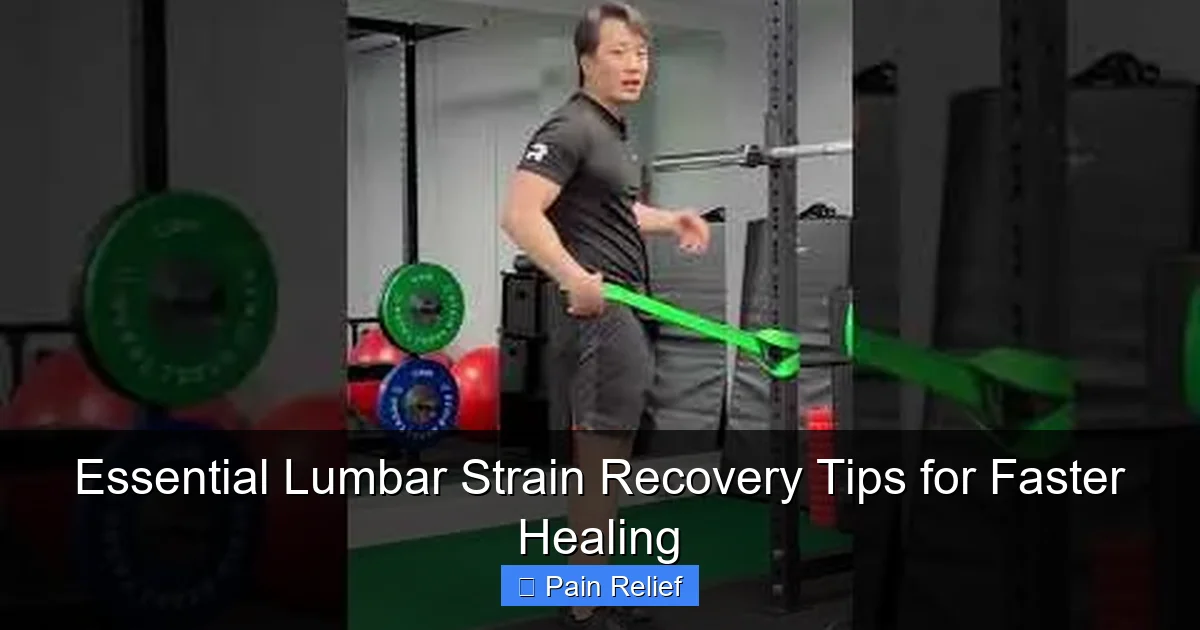
Incorporate light activities like walking or swimming. Aim for 10-15 minutes daily to maintain flexibility without straining your back.
Gradual Return to Daily Activities
It’s crucial to return to regular activities gradually to prevent re-injury.
Step 1: Listen to Your Body
Pay attention to how your body responds. If an activity increases pain, stop and rest.
Step 2: Increase Activity Gradually
Start with light activities and slowly increase intensity. For example, if you enjoy jogging, begin with brisk walking first.
Strengthening Your Back
Once you’ve regained mobility, it’s time to strengthen your back muscles.
Step 1: Core Strengthening Exercises
- Planks: Hold a plank position for 10-30 seconds, focusing on engaging your core.
- Bridges: Lie on your back with knees bent, lift your hips off the ground, and hold for a few seconds.
Step 2: Maintain Good Posture
Practice good posture when sitting and standing. Use ergonomic chairs and maintain a neutral spine to prevent future injuries.
Consulting a Professional
If your pain persists or worsens, seek help from a healthcare provider or physical therapist. They can provide personalized treatment plans and guide you through recovery.
Staying Hydrated and Nourished
Proper nutrition and hydration play a significant role in recovery.
Step 1: Hydration
Drink plenty of water to keep your muscles hydrated and support healing.
Step 2: Balanced Diet
Consume a balanced diet rich in vitamins and minerals, including fruits, vegetables, lean proteins, and whole grains to aid recovery.
Troubleshooting Common Issues
During your recovery, you may encounter some challenges. Here are solutions to common issues:
Persistent Pain
If pain persists beyond a couple of weeks, consult a professional to rule out more serious conditions.
Difficulty with Mobility
If you struggle with mobility, focus on gentle stretching and consult a physical therapist for tailored exercises.
Conclusion
Recovering from a lumbar strain takes time and patience, but by following these essential tips, you can speed up your healing process. Remember to listen to your body, stay active, and consult professionals when needed. With these strategies, you’ll be well on your way to returning to your normal activities and enjoying a pain-free life.
🎥 Related Video: Lower Back Injury Recovery Length | HOW TO SPEED UP HEALING TIME
📺 SpineCare Decompression and Chiropractic Center
In this straightforward video, Dr. Rowe helps answer how long does it take for a lower back injury to heal and recover. Discussed …