
Quick Answer


Skin often feels dry after a shower because hot water, long showers, strong cleansers, and towel rubbing can strip surface oils, while leftover water evaporates quickly. Moisturizing within a few minutes of patting dry usually helps skin feel more comfortable.
You step out of a warm shower feeling relaxed, then notice it: that tight, itchy, slightly rough feeling on your arms and legs. By the time you reach for a towel, your skin already feels like it needs something.
The good news is that the cause is often hiding in everyday habits you can adjust. This guide walks through what is happening on your skin, which shower habits matter most, what else in your home may contribute, and when dryness deserves a professional look.
Key Takeaways
- Water temperature and shower length are two of the easiest things to change.
- Gentle, fragrance-free cleansers are usually kinder to dry-prone skin than strongly scented, foaming ones.
- Moisturizer works best when applied soon after bathing, while skin is still slightly damp.
- Dry air, age, and certain skin conditions can add to the problem, so persistent dryness is worth mentioning to a clinician.
What Is Actually Happening to Your Skin in the Shower


The outer layer of your skin acts like a protective barrier. It is made of skin cells held together by natural oils (lipids), and it helps keep moisture in and irritants out. Dry skin generally happens when skin loses more moisture than it holds on to.


Showering can tip that balance. Hot water and cleansers can dissolve some of those surface oils, and once you step out, the water left on your skin evaporates. Without enough oil or moisturizer to slow that evaporation, skin can feel tight within minutes. Age matters too: skin tends to get thinner and produce less oil over time, which is why older adults often notice dryness more.
How Dryness Builds Up: A Typical Shower Timeline
Step 1: Hot water
Warms and softens skin, but can also lift away surface oils.


Step 2: Cleanser
Strong or heavily scented formulas can remove even more oil.
Step 3: Towel
Hard rubbing can irritate skin that is already sensitive.
Step 4: Waiting
Leftover water evaporates, and skin feels tight without a moisturizer.
Shower Habits That Can Leave Skin Dry
Most people do several of these at once without realizing it. You do not have to change everything. Start with the one or two that sound most familiar.
Shower-Related Causes and Easier Swaps
This table connects common habits to what they tend to do and a simple adjustment to try.
| Habit | What it may do | Easier swap |
|---|---|---|
| Very hot water | Can strip natural oils faster than warm water | Use warm water instead of hot |
| Long showers | More time for skin to lose oils and moisture | Aim for roughly 5 to 10 minutes |
| Harsh or strongly scented soap | Can irritate and dry skin | Choose a mild, fragrance-free cleanser |
| Scrubbing with a rough loofah | May irritate the skin barrier | Use your hands or a soft cloth |
| Rubbing dry with a towel | Friction on already dry skin | Gently pat or blot |
| Skipping moisturizer | Nothing slows evaporation after you step out | Apply within a few minutes of drying |
If you only change one thing, lower the water temperature a notch and moisturize right after. Those two changes are simple, free to try, and often noticeable.
Shower Do and Avoid Cards
Do
- Use warm, not hot, water
- Keep showers short
- Choose fragrance-free cleansers
- Pat dry and moisturize quickly
Avoid
- Long, steaming-hot soaks
- Scrubbing dry or irritated areas
- Heavily scented body washes
- Rubbing skin hard with a towel
Causes Outside the Shower That Add to Dryness
Sometimes the shower is only the moment you notice a problem that has been building. Everyday surroundings and personal factors can all play a part.
Environment and Personal Factors Compared
Use this table to spot which factors might apply to you. It is a general guide, not a diagnosis.
| Factor | Why it matters | What may help |
|---|---|---|
| Cold, dry winter air | Low humidity pulls moisture from skin | Richer moisturizer in colder months |
| Indoor heating | Heaters and fireplaces can lower indoor humidity | A clean, properly used humidifier |
| Age | Skin tends to hold less oil over time | Shorter showers, daily moisturizing |
| Fragranced laundry products | Dyes and perfumes can irritate some people | Try fragrance-free versions |
| Pool chlorine | Can dry skin for some swimmers | Rinse and moisturize after swimming |
| Skin or health conditions | Eczema, psoriasis, and some other conditions are linked with dry skin | Ask a clinician for personal guidance |
You may also see claims that hard water or chlorine in tap water is behind post-shower dryness. Some people notice a difference, but the evidence is less clear than it is for hot water and harsh cleansers, so it makes sense to rule out the simpler habits first.
Which Cause Fits You? A Simple Decision Path
Dry mainly after showers?
Check water temperature, length, and cleanser first.
Worse in winter or a heated home?
Think about indoor air and a thicker moisturizer.
Started after a new product?
Pause the new soap, detergent, or lotion and see what changes.
Nothing helps after a few weeks?
Talk with a healthcare professional.
A Better After-Shower Routine
What you do in the first few minutes after you turn off the water often matters more than what you do in the shower. Pat your skin gently so it stays slightly damp, then apply moisturizer promptly. The goal is to help hold in the moisture that is already there.
The Three-Minute Routine
1. Turn off the water
Step out carefully, especially on wet floors.
2. Pat, do not rub
Leave skin slightly damp.
3. Moisturize
Apply within a few minutes, covering arms, legs, and torso.
4. Dress after absorbing
Give it a moment before putting on clothes.
Lotion, Cream, or Ointment?
Moisturizers come in different textures. Generally, thicker products feel heavier but can be more comfortable for very dry skin. Individual preference and sensitivity vary.
| Type | Typical feel | May suit | Trade-off |
|---|---|---|---|
| Lotion | Light, spreads easily | Mild dryness, warmer months | May need more frequent reapplication |
| Cream | Thicker, richer | Everyday dryness, cooler months | Takes a bit longer to absorb |
| Ointment | Heavy, greasy | Very dry areas such as heels or elbows | Can feel sticky; may transfer to clothing |
Whatever you pick, a fragrance-free formula is usually a safe starting point. A product labeled “unscented” may still contain ingredients that mask odors, so “fragrance-free” is the clearer label to look for.
Product Types That May Help
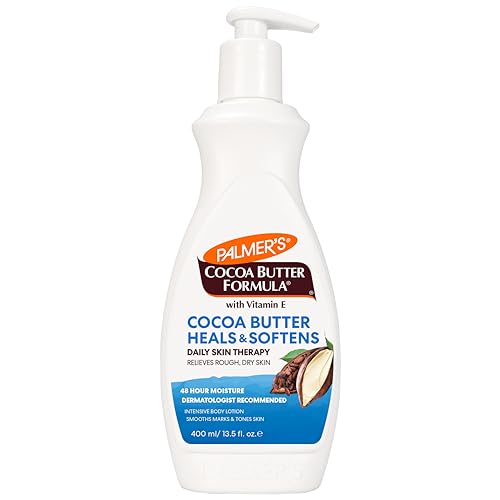
You do not need a shelf full of products. Most people can start with a gentle cleanser and a good moisturizer. A humidifier may be worth considering if your home air is very dry. The links below go to Amazon search results rather than specific products, so you can compare options and read each manufacturer’s current details yourself.
Product Types Compared by Purpose
Each type serves a different job, and none is a must-have for everyone.
| Product type | Purpose | Keep in mind | Where to look |
|---|---|---|---|
| Fragrance-free body wash | Cleans without strong scents | Check the ingredient list for your own sensitivities | Check current details on Amazon |
| Thick body moisturizer | Helps hold moisture on skin | Patch test on a small area if you are prone to reactions | See options on Amazon |
| Cool-mist humidifier | Adds moisture to dry indoor air | Clean it as the manufacturer directs; avoid over-humidifying | Browse on Amazon |
| Soft cotton towels | Easier on skin when patting dry | Wash with fragrance-free detergent if you are sensitive | Check current details on Amazon |
If you are on a budget, a plain fragrance-free moisturizer applied consistently will likely do more than an extra gadget. A humidifier is mostly worth considering when dry indoor air is clearly part of your picture, such as in winter or with heavy heating use.
When Dryness Deserves a Closer Look
Everyday dryness is common and usually mild. But some signs suggest it is more than a shower habit problem, and a healthcare professional can help sort out the cause.
Safety Note
- Skin that is red, swollen, painful, or cracked and bleeding may be infected or irritated and should be checked promptly.
- If you have diabetes, circulation concerns, or numbness in your feet or legs, ask your clinician how to care for dry skin safely.
- Bath oils and very slippery products can make tubs and floors hazardous, so take extra care, especially if balance is a concern.
- If you are pregnant, postpartum, or caring for a child, check with a clinician before using unfamiliar skin products.
Everyday Dryness Versus Signs to Get Checked
This table is a general comparison to help you decide when to reach out. It cannot diagnose anything.
| Everyday dryness | Worth mentioning to a clinician |
|---|---|
| Tight or rough feeling after showers | Dryness that does not improve after a few weeks of gentler habits |
| Mild flaking on shins or arms | Widespread scaling, thick patches, or cracks that bleed |
| Slight itch that eases with moisturizer | Intense itching that disrupts sleep or daily life |
| Dryness that is worse in winter | Redness, swelling, warmth, or pain in the dry area |
Frequently Asked Questions
Why does my skin feel tight right after I get out of the shower?
Water and cleansers can remove some of your skin’s natural oils, and the water left on the surface evaporates quickly. Without moisturizer to help hold moisture in, skin can feel tight within minutes.
Should I take cold showers instead?
You do not need to go cold. Lowering the temperature from hot to comfortably warm is usually enough to reduce the drying effect for many people.
How soon should I moisturize after showering?
Within a few minutes of patting dry, while your skin is still slightly damp, is a common recommendation. That timing may help the product hold in moisture that is already on your skin.
Can showering every day be the problem?
Frequent bathing can contribute to dryness for some people, especially with hot water and strong soaps. Shorter, warmer showers and gentle cleansers are often a first step before cutting back on how often you wash.
When should I see a doctor about dry skin?
Consider checking in if dryness does not improve with simple changes, or if you notice redness, swelling, pain, bleeding cracks, or intense itching. People with diabetes or other health conditions should ask their clinician for personal guidance.
Final Thoughts
Dry skin after showering usually comes down to a handful of everyday factors: water that is too hot, showers that run long, strong cleansers, rough drying, and waiting too long to moisturize. Small changes to these habits are often enough to make skin feel noticeably more comfortable.
Results vary from person to person, and no product works for everyone. Try one or two changes at a time, use products as directed, and stop anything that stings or irritates. If dryness lingers or looks unusual, a healthcare professional can help you find the cause.