
By Olivia BennetQUICK ANSWER
A facial cleanser to remove dead skin usually contains gentle exfoliating ingredients such as glycolic acid, lactic acid, or salicylic acid. These ingredients help loosen dead surface cells while cleansing. Choose a formula that suits your skin, introduce exfoliation gradually, and follow with moisturizer. A regular gentle cleanser is enough if your skin does not need exfoliation.


Dead skin cells naturally collect on the outer surface of your face as part of the skin’s renewal process. Sometimes, this buildup can contribute to a rough-feeling texture or make your complexion appear less even. A suitable facial cleanser can help remove everyday dirt and oil, while an exfoliating cleanser may provide additional help with surface buildup.
However, not every face wash is designed to exfoliate. Some products simply clean the skin, while others contain active ingredients that help loosen dead cells. Understanding this difference makes it easier to choose a cleanser without unnecessarily irritating your skin.
This guide explains which ingredients to look for, how different cleanser types work, how to choose according to your skin’s needs, and how to use an exfoliating face wash sensibly.
Key Takeaways
- Exfoliating cleansers containing AHAs or BHAs can help loosen dead skin cells.
- Glycolic and lactic acids work mainly on the skin’s surface, while salicylic acid can also penetrate oily pores.
- Dry or sensitive skin generally benefits from a gentle, non-abrasive cleansing approach.
- Over-exfoliation can cause irritation, dryness, redness, and increased sensitivity.
Understanding the Two Types of Facial Cleansers
Regular cleanser
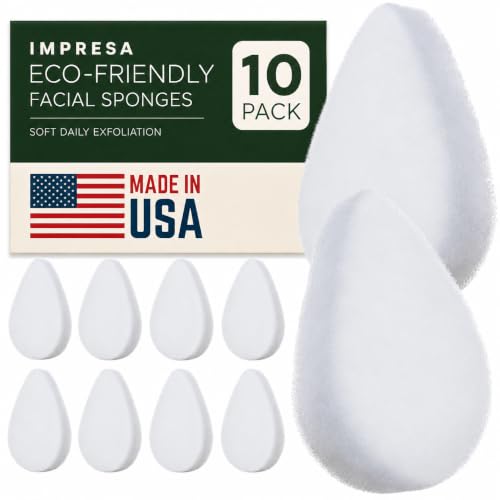


Removes everyday oil, dirt, sweat, sunscreen, and other surface impurities. It does not necessarily provide additional exfoliation.
Exfoliating cleanser
Combines cleansing with ingredients that help loosen dead skin cells or physically remove surface buildup.
The right option depends on your skin’s current condition, not simply how much exfoliation a product promises.


What Makes a Facial Cleanser Remove Dead Skin?


Most facial cleansers use cleansing agents called surfactants. These ingredients help lift oil, dirt, and other unwanted substances from the skin so they can be rinsed away with water.
Exfoliating cleansers go a step further by including ingredients that encourage the release of dead cells from the outermost skin layer. They generally use either chemical exfoliation or physical exfoliation.
1. Chemical Exfoliation
Chemical exfoliants help loosen the connections between dead skin cells. They are often included in face washes because they can provide exfoliation without requiring vigorous rubbing.
The most familiar groups are alpha hydroxy acids (AHAs) and beta hydroxy acids (BHAs). Different acids have different properties, so choosing between them depends on what you want from your cleansing routine.
2. Physical Exfoliation
Physical exfoliation uses small particles or textured materials to remove surface buildup through gentle friction. Some facial cleansers contain polishing particles, while others are designed to be used with a soft cleansing cloth.
Although physical exfoliation can make skin feel smoother, excessive rubbing may irritate the skin. Rough scrubs, stiff brushes, and aggressive cleansing movements are not necessary for everyday facial care.
TIP: Choose the gentler approach first
If you are unsure whether your skin tolerates exfoliation, start with a mild cleanser rather than combining several exfoliating products. You can always discuss other options with a dermatologist if needed.
Best Ingredients to Look for in an Exfoliating Facial Cleanser
Reading the ingredient list is one of the most useful ways to identify a facial cleanser that may help with dead skin buildup. The following ingredients have different exfoliating properties and are not interchangeable.
Glycolic Acid
Glycolic acid is an alpha hydroxy acid derived from sugar cane. It is water-soluble and works primarily on the skin’s surface by loosening the connections between dead cells.
It may be useful in an exfoliating cleanser intended for rough surface texture. However, stronger formulations can irritate sensitive skin, particularly when combined with other exfoliating products.
Lactic Acid
Lactic acid is another AHA. It supports surface exfoliation and also has water-binding properties, which help it attract moisture.
Some people prefer lactic-acid formulations when looking for an exfoliating product that also considers hydration. However, the overall formulation and concentration still matter.
Salicylic Acid
Salicylic acid is a beta hydroxy acid (BHA). Unlike water-soluble AHAs, it is oil-soluble, allowing it to interact with oily material inside pores.
It is commonly included in cleansers designed for oily or blemish-prone skin. It can also help loosen dead skin cells, although it may leave some skin types feeling dry or irritated.
Polyhydroxy Acids (PHAs)
Polyhydroxy acids, including gluconolactone, are another category of exfoliating ingredients. Their larger molecular structures can make them suitable for some formulations designed with a gentler exfoliating approach in mind.
However, a PHA product is not automatically irritation-free. Individual skin tolerance and the complete formula remain important.
Physical Exfoliating Particles
Some cleansers contain finely textured particles that provide physical exfoliation. If you choose one, look for a smooth formulation that does not require scrubbing or pressure.
A rough or abrasive scrub is not necessarily more effective. It may simply increase friction and irritation.
Table 1: Comparing Common Exfoliating Ingredients
This comparison explains the general purpose of common ingredients found in exfoliating facial cleansers.
| Ingredient | Category | Main purpose |
|---|---|---|
| Glycolic acid | AHA | Surface exfoliation |
| Lactic acid | AHA | Surface exfoliation and moisture binding |
| Salicylic acid | BHA | Exfoliation and interaction with oily pores |
| Gluconolactone | PHA | Gentle-formula exfoliation |
| Smooth exfoliating particles | Physical | Mechanical removal of surface buildup |
Remember that an ingredient’s presence does not guarantee a particular result. Its concentration, the product’s pH, contact time, and the rest of the formulation all influence how a cleanser behaves.
How to Choose a Facial Cleanser for Your Skin Type
There is no single exfoliating cleanser that suits everyone. A product that feels comfortable on oily skin may be too drying for someone with sensitive or dry skin.
Consider your skin’s current condition before selecting an exfoliating face wash.
Dry Skin
Dry skin may already have a compromised moisture barrier, making aggressive exfoliation uncomfortable. A gentle, creamy cleanser is often a sensible starting point.
If you are considering an exfoliating cleanser, look for a mild formula and avoid rough particles. Follow cleansing with a moisturizer to help maintain skin hydration.
Oily Skin
Oily skin produces more sebum, which can contribute to a shiny appearance and clogged pores. A salicylic-acid cleanser may be worth considering because this ingredient is oil-soluble.
However, using a stronger cleanser or washing repeatedly does not necessarily improve the situation. Choose a formula that cleans without leaving your skin uncomfortably tight.
Combination Skin
Combination skin has areas that produce more oil and other areas that feel dry. A balanced, gentle cleanser may be more comfortable than an aggressive exfoliating wash.
Pay attention to how different areas respond. If some areas become dry or irritated, reduce exfoliation rather than increasing the strength of the product.
Sensitive Skin
Sensitive skin may react to fragrance, harsh cleansing agents, exfoliating acids, or physical friction. A fragrance-free, non-abrasive cleanser is generally a better starting point.
If exfoliating products cause stinging, burning, or persistent redness, stop using them. People with rosacea, eczema, or active skin irritation should ask a dermatologist before introducing exfoliation.
Table 2: Choosing a Cleanser by Skin Type
Use this table as a general selection guide rather than a fixed rule.
| Skin type | Possible choice | What to avoid |
|---|---|---|
| Dry | Gentle, creamy cleanser | Frequent strong exfoliation |
| Oily | Suitable salicylic-acid cleanser | Over-cleansing and excessive drying |
| Combination | Balanced, mild cleanser | Aggressive treatment across the entire face |
| Sensitive | Fragrance-free gentle cleanser | Abrasive scrubs and strong acids |
| Normal | Regular cleanser or mild exfoliating formula | Unnecessary daily exfoliation |
A Simple Cleanser Selection Path
Does it feel dry, oily, comfortable, or easily irritated?
Are you already using retinoids, benzoyl peroxide, exfoliating acids, or prescription skin products?
Start with regular cleansing if additional exfoliation is not necessary.
Continue only if your skin tolerates the product without irritation.
How to Use an Exfoliating Facial Cleanser
Using an exfoliating cleanser correctly is just as important as choosing its ingredients. Excessive rubbing, hot water, and combining multiple exfoliating products can make an otherwise suitable routine irritating.
Step 1: Wet Your Face With Lukewarm Water
Start by washing your hands and gently wetting your face. Lukewarm water is preferable to very hot water, which may increase dryness and irritation.
Step 2: Apply a Small Amount of Cleanser
Follow the product’s directions and apply the cleanser using clean fingertips. Avoid using your fingernails, rough cloths, or unnecessary pressure.
Step 3: Follow the Product Instructions
Some exfoliating cleansers are intended for brief contact before rinsing. Others have specific directions regarding application and frequency. Do not leave a rinse-off cleanser on your face longer than instructed.
Step 4: Rinse Thoroughly
Use lukewarm water to remove the cleanser. Make sure no product residue remains around the hairline, nose, or jaw.
Step 5: Apply Moisturizer
Finish with a moisturizer suitable for your skin. This helps support the skin barrier and reduces the likelihood of dryness after cleansing.
Step 6: Use Sun Protection During the Day
Some exfoliating ingredients, particularly AHAs, can increase sensitivity to sunlight. Use a broad-spectrum sunscreen with SPF 30 or higher during the day and follow its application directions.
Table 3: Correct Use Versus Common Cleansing Mistakes
Small adjustments can make an exfoliating routine more comfortable.
| Correct approach | Common mistake | Why it matters |
|---|---|---|
| Use lukewarm water | Using very hot water | Heat can increase irritation |
| Use gentle fingertips | Scrubbing aggressively | Friction can irritate skin |
| Follow label directions | Leaving cleanser on longer | Longer contact is not automatically better |
| Apply moisturizer | Skipping hydration | Exfoliation may increase dryness |
| Use sunscreen | Ignoring sun protection | Some exfoliating acids increase sun sensitivity |
A Simple Morning and Evening Skincare Routine
Morning
- Gentle facial cleanser
- Suitable moisturizer
- Broad-spectrum SPF 30+ sunscreen
Evening
- Remove makeup and sunscreen with a suitable cleanser
- Use an exfoliating cleanser only when appropriate and according to its label
- Apply moisturizer
This is a flexible example, not a requirement to exfoliate every evening. A regular cleanser may be all you need.
How Often Should You Use an Exfoliating Cleanser?
There is no universal exfoliation schedule. The appropriate frequency depends on the formula, its active ingredients, your skin’s tolerance, and the other products in your routine.
For someone new to exfoliating cleansers, following the manufacturer’s instructions and starting cautiously is more sensible than immediately using an exfoliating product every day.
If your skin becomes tight, unusually dry, flaky, or irritated, pause exfoliation. Return to a simple cleansing and moisturizing routine until your skin feels comfortable again.
Table 4: Understanding Exfoliation Frequency
The following situations can help you decide when to continue and when to reconsider your routine.
| Situation | Practical approach | Reason |
|---|---|---|
| New to exfoliation | Start cautiously and follow the label | Allows you to assess tolerance |
| Skin feels comfortable | Continue only as directed | There is no need to increase use unnecessarily |
| Skin feels tight or dry | Pause exfoliation and moisturize | These can be signs of irritation |
| Persistent burning or redness | Stop using the product and seek advice if needed | The formula may not suit your skin |
Signs You May Be Over-Exfoliating
Exfoliation should not leave your face feeling painful or persistently uncomfortable. More exfoliation does not automatically mean better cleansing.
Watch for these possible signs that your routine is too aggressive:
- Persistent redness or unusual sensitivity.
- Dryness, tightness, or increased flaking.
- Stinging when applying products that normally feel comfortable.
- New irritation after introducing an exfoliating cleanser.
- Skin that feels uncomfortable after ordinary washing.
If these problems appear, stop exfoliating and simplify your routine. Use a mild cleanser and moisturizer while your skin settles. Seek professional advice if symptoms persist, worsen, or become painful.
Safety Note: When to Pause Exfoliation
Avoid exfoliating until the skin has recovered.
Pause acids and physical scrubs rather than trying to remove more flakes.
Ask your prescriber before combining exfoliants with retinoids or other irritating treatments.
People with eczema, rosacea, or active dermatitis should seek individual guidance.
What to Avoid When Choosing a Dead Skin Removal Cleanser
Some products advertise deep exfoliation or instant smoothness, but stronger is not always better. A good facial cleanser should fit comfortably into your routine rather than create additional skin problems.
- Harsh scrubbing particles: Avoid rough textures that require pressure to work.
- Multiple exfoliating actives: Combining several acids and exfoliating treatments can increase irritation.
- Strong fragrance in sensitive-skin routines: Fragrance may be an unnecessary source of irritation for some people.
- Very hot water: Hot water may contribute to dryness and discomfort.
- Unnecessary cleansing devices: Brushes and textured tools add friction that some skin types do not tolerate well.
Table 5: Common Product Features and What to Consider
Use this checklist when comparing exfoliating facial cleansers.
| Product feature | Potential advantage | What to check |
|---|---|---|
| AHA ingredients | Surface exfoliation | Formula strength and skin tolerance |
| Salicylic acid | Oil-soluble exfoliation | Potential dryness and other active products |
| Creamy texture | May suit a gentle cleansing routine | Whether the formula cleans effectively for your needs |
| Fragrance-free formula | Avoids added fragrance | Other potential irritants in the formula |
| Physical exfoliating particles | Mechanical surface exfoliation | Particle texture and friction |
Regular Cleanser vs. Exfoliating Cleanser: Which Do You Need?
A regular facial cleanser and an exfoliating cleanser serve related but different purposes. Your choice should depend on whether your skin actually needs additional exfoliation.
If your main goal is to remove sunscreen, sweat, oil, and everyday dirt, a regular gentle cleanser may be enough. If you are considering exfoliation for rough surface texture, an appropriate exfoliating cleanser may be an option.
You do not have to exfoliate simply because dead skin cells naturally accumulate. Skin already has its own renewal process, and additional exfoliation is optional.
Table 6: Regular Cleanser vs. Exfoliating Cleanser
| Comparison | Regular cleanser | Exfoliating cleanser |
|---|---|---|
| Main purpose | Remove everyday impurities | Cleanse and exfoliate |
| Typical ingredients | Cleansing agents and moisturizing ingredients | Cleansing agents plus exfoliating ingredients |
| Exfoliation | Not necessarily included | An intended product function |
| Best starting point | Most everyday cleansing routines | People who need and tolerate additional exfoliation |
| Potential drawback | May not provide additional exfoliation | May cause dryness or irritation |
Before You Buy: A Five-Point Checklist
Does the formula match your skin’s needs?
Do you understand which exfoliating ingredient it contains?
Could it overlap with another active product?
Are the application and frequency instructions clear?
Can you use it without persistent irritation?
Frequently Asked Questions
1. What type of facial cleanser removes dead skin cells?
An exfoliating facial cleanser containing ingredients such as glycolic acid, lactic acid, or salicylic acid can help loosen dead skin cells. The best choice depends on your skin type, product formulation, and tolerance.
2. Is salicylic acid or glycolic acid better for dead skin?
Both can support exfoliation but work differently. Glycolic acid primarily targets surface buildup, while salicylic acid is oil-soluble and can interact with oily pores. The more suitable option depends on your skin and skincare goals.
3. Can I use an exfoliating facial cleanser every day?
Not everyone needs daily exfoliation. Some products may have daily-use directions, but beginners should be cautious and follow the label. Reduce or stop use if dryness, tightness, burning, or irritation develops.
4. Is an exfoliating cleanser suitable for sensitive skin?
Some sensitive skin types may tolerate a mild exfoliating formula, but others may react to acids or physical friction. A gentle, fragrance-free regular cleanser is a better starting point. Ask a dermatologist before trying exfoliation if you have persistent sensitivity or a skin condition.
5. Should I moisturize after using an exfoliating cleanser?
Yes. Applying a suitable moisturizer after cleansing helps maintain hydration and supports the skin barrier. Choose a formula that feels comfortable and does not cause irritation.
6. Can I use an exfoliating cleanser with retinol?
Combining exfoliating acids with retinol or prescription retinoids can increase dryness and irritation. Avoid introducing both at the same time, and ask your prescriber or dermatologist how to combine them safely.
7. Do I need an exfoliating cleanser if my skin already feels smooth?
No. Exfoliation is optional. If your regular cleanser, moisturizer, and sun protection are working comfortably, there is no requirement to add an exfoliating product.
Final Thoughts
A facial cleanser to remove dead skin can be a useful addition to a skincare routine when extra exfoliation is appropriate. Ingredients such as glycolic acid, lactic acid, and salicylic acid offer different approaches to loosening surface buildup.
The most important step is choosing a formula that suits your skin rather than looking for the strongest exfoliating product. Use it according to the manufacturer’s directions, avoid unnecessary combinations with other active ingredients, and remember to moisturize and protect your skin from the sun.
If your skin becomes persistently irritated or you have an existing skin condition, pause exfoliation and consult a qualified dermatologist. Healthy skincare starts with a comfortable, consistent routine—not aggressive cleansing.