
Quick Answer
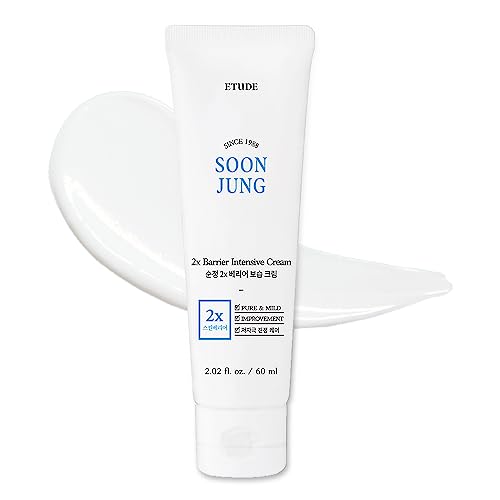


To support a damaged skin barrier, simplify your routine: use a gentle, fragrance-free cleanser, moisturize while skin is slightly damp, wear sunscreen, and pause harsh actives like scrubs and strong acids. Many people notice calmer skin within a few weeks, though timing varies.
Skin that stings under moisturizer, feels tight after washing, or looks flaky and red is frustrating, especially when you can’t tell which product caused it. Often the problem is not a missing product but too many of them.
This guide covers what the skin barrier does, a simple routine many people use to give skin a calmer environment, which ingredients to look for, and when to stop troubleshooting at home. It is general education, not a diagnosis.
Key Takeaways


- Do less first: a cleanser, a moisturizer, and sunscreen are often enough.
- Choose gentle, fragrance-free formulas and patch test anything new.
- Pause scrubs, strong acids, and retinoids until skin feels comfortable, unless a clinician has told you otherwise.
- Burning, oozing, swelling, or a rash that persists deserves professional evaluation.
What the Skin Barrier Is and How Stress Shows Up
The skin barrier is the outermost layer of your skin. It is made of skin cells held together by fats such as ceramides, cholesterol, and fatty acids. It helps hold moisture in and keep irritants out.
When that layer is disrupted, skin may lose water more easily and react to products it once tolerated. Not everyone’s skin shows it the same way.
Common Signs of a Stressed Barrier
This table pairs everyday signs with a low-risk first step. It is a guide, not a checklist for diagnosis.
| Sign | What you may notice | Reasonable first step |
|---|---|---|
| Tightness | Skin feels stretched after washing | Use a milder cleanser and lukewarm water |
| Stinging | Even gentle products sting | Pause actives; use a plain, fragrance-free moisturizer |
| Flaking | Rough, dry patches | Moisturize on damp skin; skip scrubs |
| Redness | Pink or blotchy look | Remove newer products one at a time |
| Breakouts with dryness | Small bumps plus dry skin | Avoid stacking more acne products; ask a clinician |
These signs overlap with eczema, rosacea, and contact dermatitis, so matching a sign here does not tell you what is going on.


Everyday Habits That May Strain the Barrier


Before adding anything, look at what you may be doing too much of. Small swaps often matter more than new products.
Habits and Gentler Swaps
Not every habit affects every person equally, so treat this as a list of things to try changing.
| Habit | Why it may matter | Gentler swap |
|---|---|---|
| Over-cleansing | Frequent washing can strip natural oils | Wash once or twice a day at most |
| Hot water | Heat can dry skin | Lukewarm water; pat dry |
| Scrubs and brushes | Friction can irritate stressed skin | Use clean hands only for now |
| Stacking actives | Acids, retinoids, and vitamin C together can overwhelm skin | Pause, then reintroduce one at a time |
| Fragrance and essential oils | Common triggers for sensitive skin | Choose fragrance-free products |
| Dry indoor air | Low humidity can make skin feel drier | Consider a humidifier in dry months |
A Simple Routine to Support Barrier Recovery
The goal is not to “fix” skin with a product. It is to reduce irritation and keep skin moisturized so it can recover on its own.
The Four-Step Flow
Step 1: Cleanse gently
Use lukewarm water and a mild, fragrance-free cleanser. Pat dry; don’t rub.
Step 2: Moisturize
Apply within a few minutes of washing, while skin is slightly damp.
Step 3: Seal dry spots
A thin layer of simple ointment can help hold moisture in on very dry, unbroken skin.
Step 4: Protect by day
Finish mornings with broad-spectrum sunscreen.
Morning and Evening Schedule
Here is how those steps fit into a day. Keep it short and consistent.
| Time | Step | Notes |
|---|---|---|
| Morning | Rinse or gentle cleanse | Some people with dry skin only rinse |
| Morning | Moisturizer | Apply to slightly damp skin |
| Morning | Sunscreen | Broad-spectrum, SPF 30 or higher; reapply as the label directs |
| Evening | Gentle cleanse | Removes sunscreen and daily buildup |
| Evening | Moisturizer, then optional ointment | Use ointment only on dry, unbroken skin |
Give a simple routine a few weeks before judging it. Changing products every few days makes it hard to learn what helps.
Ingredients Worth Looking For
Moisturizers usually combine three jobs. Knowing them makes labels less confusing.
Ingredient Types and What They Do
No single ingredient guarantees results, and individual reactions vary.
| Type | Common examples | Role |
|---|---|---|
| Humectants | Glycerin, hyaluronic acid | Attract water to the skin surface |
| Emollients | Ceramides, cholesterol, fatty acids, squalane | Soften skin and fill gaps between cells |
| Occlusives | Petrolatum, dimethicone, shea butter | Form a protective layer that slows water loss |
| Soothing extras | Colloidal oatmeal, panthenol | Often found in products for dry, sensitive skin |
How the Layers Work Together
Layer 1: Water
Humectants draw moisture in, which is why damp skin helps.
Layer 2: Softening
Emollients smooth the surface and support its fatty structure.
Layer 3: Seal
Occlusives help keep moisture from escaping.
Patch test any new product by applying a small amount to a small area, such as the inner forearm, for several days. Stop if you notice burning, itching, or rash.
Product Types to Consider
You don’t need many products. The links below are Amazon search links, so you can browse options and read each ingredient list and current details yourself. We haven’t tested specific products for this article.
Product Types Compared by Purpose
Check the manufacturer’s current ingredient list and instructions before buying.
| Product type | Who may like it | What to check | Browse |
|---|---|---|---|
| Gentle cleanser | Anyone washing daily | Fragrance-free, low-foam; no ingredients you react to | Check current details on Amazon |
| Ceramide moisturizer | Dry or tight-feeling skin | Ceramides and glycerin; rich creams may feel heavy | Check current details on Amazon |
| Simple ointment | Very dry, unbroken patches | Short ingredient list; can feel greasy | Check current details on Amazon |
| Mineral sunscreen | Daytime protection for sensitive skin | Broad-spectrum, SPF 30+; may leave a white cast | Check current details on Amazon |
| Cool-mist humidifier | Dry indoor air | Easy-to-clean tank; follow the maker’s cleaning directions | Check current details on Amazon |
Which Product Should Come First?
Tight right after washing?
Start by swapping your cleanser and lowering water temperature.
Still dry after cleansing?
Add a fragrance-free moisturizer with humectants and emollients.
Outdoors most days?
Add a daily sunscreen next. Introduce one product at a time.
What to Pause While Skin Settles
Taking things away is usually the hardest part of recovery. Here is a simple split between what to keep and what to hold off on. If a clinician prescribed something, follow their directions instead.
Keep Versus Pause
Keep
- Gentle cleanser
- Simple moisturizer
- Daily sunscreen
- Lukewarm water
Pause for now
- Scrubs and cleansing brushes
- Strong AHA or BHA acids
- Retinoids
- Fragranced products
- Hot showers
Realistic Expectations and Common Mistakes
Recovery isn’t linear. Skin may feel better, then flare after a new product or a dry weekend.
An Illustrative Timeline
This is illustrative only, not research data. Individual timelines vary a lot.
Early days
Focus on removing irritants. Some people notice less stinging.
A few weeks in
Skin may feel more comfortable and less tight. Keep the routine steady.
Longer term
Reintroduce actives slowly, one at a time. See a clinician if progress stalls.
Common Mistakes and Better Moves
Most setbacks come from doing too much, too fast.
| Mistake | Why it can backfire | Better move |
|---|---|---|
| Switching products every few days | You can’t tell what helps or irritates | Hold a simple routine for a few weeks |
| Adding many “repair” products at once | More ingredients mean more chances of a reaction | Add one product at a time |
| Skipping sunscreen | UV exposure can add stress to skin | Use sunscreen daily |
| Moisturizing on fully dry skin | Less moisture is trapped at the surface | Apply soon after washing |
| Ignoring persistent symptoms | It may be a condition needing care | Book a visit with a dermatologist |
When Home Care Isn’t Enough
Safety Note
Talk with a dermatologist or other qualified clinician if your skin burns, oozes, crusts, or swells, or if it doesn’t improve after a few weeks. The same applies if you have eczema, rosacea, or psoriasis, are pregnant or postpartum and considering active ingredients, or are caring for a child or infant. Swelling of the lips or face, or trouble breathing, needs emergency care.
Can usually monitor
Mild dryness, tightness, or flaking that eases with a simpler routine.
Heads-Up: get checked
Spreading redness, warmth, pus, fever, or pain suggest a possible infection.
Frequently Asked Questions
How long does it take to repair a damaged skin barrier?
It varies. Many people notice skin feeling calmer within a few weeks of simplifying their routine, but longer-lasting problems or underlying skin conditions can take longer and may need professional care.
Is hyaluronic acid enough on its own?
Usually not by itself. It draws water in, so many people pair it with an emollient and an occlusive to help keep that moisture from escaping.
Should I stop using retinol and exfoliating acids?
Many people pause them while skin is stinging or peeling, then bring them back slowly, one at a time. If a clinician prescribed a retinoid, ask them before changing anything.
Is petroleum jelly okay for a stressed skin barrier?
Many people use it as a simple occlusive on dry, unbroken skin. Some find it heavy or greasy, so try a small area first and ask a clinician before using it on broken or irritated skin.
Can I wear makeup while my skin is recovering?
You can if it doesn’t sting or irritate. Choose fragrance-free products, keep the routine minimal, and remove makeup gently each night.
Final Thoughts
Supporting your skin barrier is mostly about subtraction. Cut back on irritants, moisturize consistently, protect your skin from the sun, and give the routine time. Products can help, but no product is guaranteed to work the same way for everyone.
Go gently, add one thing at a time, and check with a dermatologist or other healthcare professional if symptoms are severe, persistent, or tied to a known skin condition.