
Quick Answer


Yes, many people use a lightweight moisturizer as a makeup base. It can hydrate and smooth the skin before foundation, but it won’t grip makeup or blur texture the way some silicone primers are designed to. Choose a formula that suits your skin type, apply a thin layer, and let it settle first.
You’re getting ready, your primer has run out, and the moisturizer is sitting right there on the counter. It’s a fair question, and the short version is that it often works fine. The longer version is that it depends on your skin, your foundation, and what you expect the base layer to do.
This guide explains how moisturizer and primer differ, who can skip the primer, how to apply moisturizer so makeup sits well, and what to do when foundation pills or slides. Everything here is general personal-care guidance, not advice for any specific skin condition.
Key Takeaways
- Moisturizer can work as a primer for people who mainly want a smooth, comfortable base.
- Primers are built for makeup grip, blurring, or shine control, so a moisturizer may not match those effects.
- Thin layers and a short wait help prevent pilling.
- If a product stings or irritates your skin, stop using it and ask a dermatologist or other clinician.
Moisturizer vs. Primer: What Each One Is Designed to Do
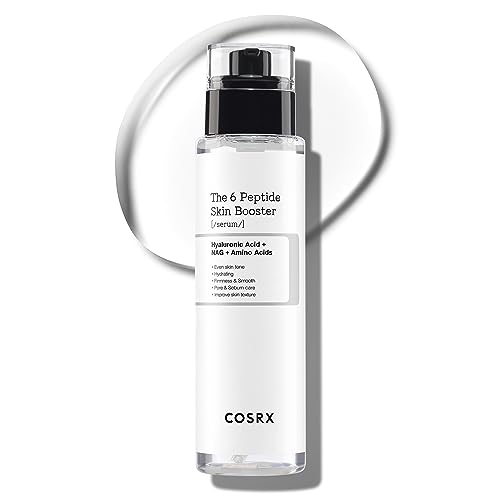
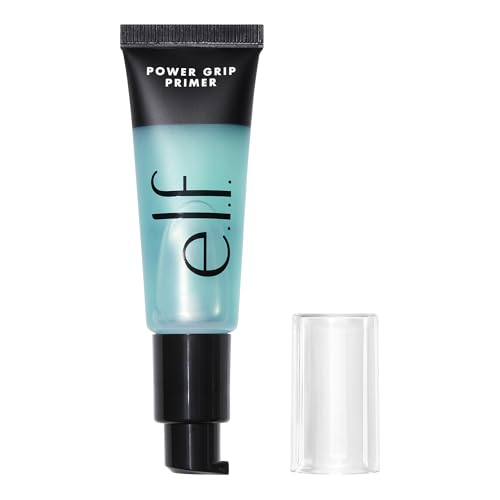
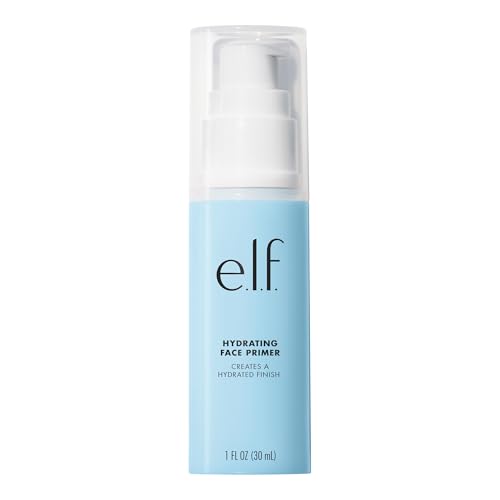
A moisturizer is skincare. Its main job is to help the skin feel comfortable and hydrated, usually with humectants, emollients, or both. A primer is a makeup-prep product. Depending on the formula, it may aim to smooth the look of the surface, add grip, or reduce slipperiness.

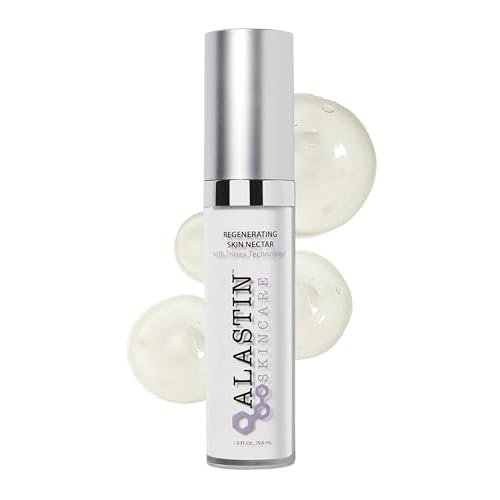

The two overlap more than the labels suggest. Some primers are essentially hydrating lotions, and some moisturizers contain silicones that give a smooth, slippery feel. That overlap is why the swap often works.
Moisturizer and Primer Compared
This table shows the usual differences. Individual products vary, so check each label.
| Feature | Moisturizer | Primer |
|---|---|---|
| Main purpose | Skin comfort and hydration | Preparing skin for makeup |
| Makeup grip | Usually not a design goal | Often a design goal |
| Texture blurring | Mild, if any | Common in blurring formulas |
| Skincare role | Part of a daily routine | Optional makeup step |
| Cost to you | Already in your routine | One more product to buy |
In practice, if your goal is “my skin feels smooth and my foundation goes on evenly,” moisturizer can do that job. If your goal is “my makeup must stay put through a long day,” a dedicated primer is more likely to be designed for that.
When Moisturizer Works Well as a Primer
Moisturizer tends to suit people who wear light to medium coverage, have skin that feels dry or tight without hydration, or prefer a short routine. A hydrated surface can also make some foundations blend more easily, especially on days when skin feels flaky.


It’s less likely to meet your needs if you want maximum wear time, if you’re targeting visible shine, or if you apply full-coverage makeup for events. Those are the situations where a dedicated primer may earn its place.
Suitable Use vs. Consider a Primer
Good fit for moisturizer
- Everyday, light coverage
- Skin that feels dry or tight
- A minimal routine
- Tinted moisturizer or skin tint
Consider a primer
- Long events or humid days
- Full-coverage foundation
- Visible shine in the T-zone
- Makeup that keeps sliding
Choosing a Moisturizer for Your Skin Type
The wrong texture is the most common reason this swap disappoints. A rich cream that feels lovely at night may leave a slippery film under foundation, while a very light gel might not feel like enough on dry skin.
Texture Guide by Skin Type
Use this as a starting point, not a rule. Your own skin is the final test.
| Skin feel | Texture to look for | Watch out for |
|---|---|---|
| Dry or tight | Cream or lotion that absorbs well | Very heavy balms that stay greasy |
| Oily or shiny | Light gel or gel-cream | Rich, oil-heavy creams |
| Combination | Lightweight lotion or gel-cream | Using too much on the T-zone |
| Easily irritated | Simple, fragrance-free formula | New products used for the first time on a busy day |
If you have a skin condition such as eczema, rosacea, or acne, or you react to certain ingredients, ask a dermatologist or other qualified clinician which products are appropriate for you. A quick patch test on a small area before using a new product on your whole face is a sensible habit for anyone.
Quick Decision Path
Step 1: What coverage do you wear?
Light or tinted: moisturizer is often enough. Full coverage: consider a primer as well.
Step 2: How does your skin feel by midday?
Dry: a cream may help. Shiny: a lighter gel formula may suit better.
Step 3: Does your makeup pill or slide?
Adjust the amount and wait time first, then compare formulas.
How to Use Moisturizer as a Primer
Technique matters as much as the product. Most problems come from applying too much or layering too fast, not from the idea itself.
Five-Step Routine
- 1. Cleanse. Start with clean, dry skin.
- 2. Apply thinly. Use a pea-sized to dime-sized amount for the face, adjusting to your skin.
- 3. Press, don’t rub. Smooth it on with clean fingers or pat it in.
- 4. Wait. Give it a few minutes until the skin feels settled, not tacky.
- 5. Apply makeup. Start with a small amount of foundation and build only where needed.
If you wear sunscreen, it usually goes on as the last skincare step before makeup, so a moisturizer with SPF can serve both roles. Follow the label for how much to use. Foundation with SPF generally isn’t applied thickly enough to replace dedicated sunscreen, so don’t rely on it alone.
Pairing Moisturizer With Your Foundation
A common beauty guideline is to pair similar bases: water-based with water-based, silicone-based with silicone-based. It’s a rule of thumb rather than a law, so test it on your own skin.
| Foundation type | Often pairs with | Possible issue |
|---|---|---|
| Water-based | Lotion or gel moisturizer | Beading over a very silicone-heavy layer |
| Silicone-based | Silicone-containing moisturizer or a dedicated primer | Pilling over a very watery layer |
| Powder or mineral | Light moisturizer, fully absorbed | Patchiness on skin that is still wet |
| Tinted moisturizer | Often applied alone or over a thin layer | Too many layers can feel heavy |
Ingredient lists can help here. Names ending in “cone” or “siloxane,” such as dimethicone, point to silicones. If you aren’t sure what your foundation is based on, check the brand’s product description.
Common Problems and Quick Fixes
If makeup looks patchy, balls up, or fades quickly, the cause is usually fixable without buying anything new.
Troubleshooting Table
Start with the first fix in each row before changing products.
| What you see | Likely cause | Next step |
|---|---|---|
| Foundation pills or rolls | Too much product, or layers not set | Use less and wait longer before makeup |
| Makeup slides around | Rich or oily moisturizer | Try a lighter gel or lotion |
| Dry patches show through | Not enough hydration | Apply to slightly damp skin, then wait |
| Shine returns quickly | Formula adds slip or oil | Try oil-free texture or a dedicated primer |
| Stinging or redness | Possible irritation from a product | Wash it off, stop using it, and consult a clinician if it persists |
Correct Use vs. Common Mistakes
Small habits make a visible difference.
| Mistake | Better habit |
|---|---|
| Applying a thick layer | Use a thin layer and add more only where skin feels dry |
| Starting makeup right away | Wait until the surface feels settled |
| Rubbing hard with fingers | Pat or smooth gently |
| Layering many products | Keep it to moisturizer, sunscreen, then makeup |
| Switching products on a big event day | Test new combinations on a normal day first |
Before You Start Checklist
Product Types Worth Considering
You don’t need to buy anything to try this, and your current moisturizer may work fine. If you want to shop, these product types fit different needs. The links below go to Amazon search results rather than specific products, so compare ingredients and current details yourself before buying.
Lightweight gel moisturizer
May suit oily or combination skin. Trade-off: may feel too light if your skin is dry.
Hydrating cream moisturizer
May suit dry or tight skin. Trade-off: a thick layer can make makeup slide.
Face moisturizer with SPF
Combines two steps for daytime. Trade-off: you still need to apply enough to match the label’s directions.
Dedicated makeup primer
Designed for makeup prep. Trade-off: another product to buy, and not every formula suits every skin.
Safety Note
Skip any product that stings, burns, or causes redness, and avoid applying skincare or makeup over broken or irritated skin. If you have a skin condition, a history of reactions, or concerns about ingredients, check with a dermatologist or other qualified healthcare professional before changing your routine. Follow each product’s label directions.
Frequently Asked Questions
Can I use moisturizer instead of primer every day?
Many people do, as long as the product suits their skin and their makeup looks and feels comfortable. If you notice irritation, stop using it.
Does moisturizer go on before or after sunscreen?
Sunscreen is usually the last skincare step before makeup, so moisturizer typically goes on first. Follow the directions on your product’s label.
Why does my foundation pill over moisturizer?
Common reasons include using too much product, not waiting long enough, or combining formulas that don’t blend well. Try a thinner layer and a longer wait first.
Can oily skin use moisturizer as a primer?
Some people with oily skin do, usually with a light, oil-free gel texture. It may not control shine as much as some mattifying primers, and results vary.
Is a primer better for long-lasting makeup?
Primers are often designed with makeup wear in mind, but results depend on the formula, your skin, and the weather. No base product guarantees makeup will last.
Final Thoughts
A moisturizer can work as a primer when you want a comfortable, even base for light to medium makeup. Pick a texture that matches your skin, use a thin layer, and give it a few minutes to settle before foundation.
It won’t replace a dedicated primer for every situation, especially long wear or shine control, and not every product suits every person. If something irritates your skin or you have a skin condition, check with a healthcare professional before changing your routine.
By Ryan Mitchell
Last updated: November 23, 2026
As an Amazon Associate, we earn from qualifying purchases.
Quick Answer
Yes, many people use a lightweight moisturizer as a makeup base. It can hydrate and smooth the skin before foundation, but it won’t grip makeup or blur texture the way some silicone primers are designed to. Choose a formula that suits your skin type, apply a thin layer, and let it settle first.
You’re getting ready, your primer has run out, and the moisturizer is sitting right there on the counter. It’s a fair question, and the short version is that it often works fine. The longer version is that it depends on your skin, your foundation, and what you expect the base layer to do.
This guide explains how moisturizer and primer differ, who can skip the primer, how to apply moisturizer so makeup sits well, and what to do when foundation pills or slides. Everything here is general personal-care guidance, not advice for any specific skin condition.
Key Takeaways
- Moisturizer can work as a primer for people who mainly want a smooth, comfortable base.
- Primers are built for makeup grip, blurring, or shine control, so a moisturizer may not match those effects.
- Thin layers and a short wait help prevent pilling.
- If a product stings or irritates your skin, stop using it and ask a dermatologist or other clinician.
Moisturizer vs. Primer: What Each One Is Designed to Do
A moisturizer is skincare. Its main job is to help the skin feel comfortable and hydrated, usually with humectants, emollients, or both. A primer is a makeup-prep product. Depending on the formula, it may aim to smooth the look of the surface, add grip, or reduce slipperiness.
The two overlap more than the labels suggest. Some primers are essentially hydrating lotions, and some moisturizers contain silicones that give a smooth, slippery feel. That overlap is why the swap often works.
Moisturizer and Primer Compared
This table shows the usual differences. Individual products vary, so check each label.
| Feature | Moisturizer | Primer |
|---|---|---|
| Main purpose | Skin comfort and hydration | Preparing skin for makeup |
| Makeup grip | Usually not a design goal | Often a design goal |
| Texture blurring | Mild, if any | Common in blurring formulas |
| Skincare role | Part of a daily routine | Optional makeup step |
| Cost to you | Already in your routine | One more product to buy |
In practice, if your goal is “my skin feels smooth and my foundation goes on evenly,” moisturizer can do that job. If your goal is “my makeup must stay put through a long day,” a dedicated primer is more likely to be designed for that.
When Moisturizer Works Well as a Primer
Moisturizer tends to suit people who wear light to medium coverage, have skin that feels dry or tight without hydration, or prefer a short routine. A hydrated surface can also make some foundations blend more easily, especially on days when skin feels flaky.
It’s less likely to meet your needs if you want maximum wear time, if you’re targeting visible shine, or if you apply full-coverage makeup for events. Those are the situations where a dedicated primer may earn its place.
Suitable Use vs. Consider a Primer
Good fit for moisturizer
- Everyday, light coverage
- Skin that feels dry or tight
- A minimal routine
- Tinted moisturizer or skin tint
Consider a primer
- Long events or humid days
- Full-coverage foundation
- Visible shine in the T-zone
- Makeup that keeps sliding
Choosing a Moisturizer for Your Skin Type
The wrong texture is the most common reason this swap disappoints. A rich cream that feels lovely at night may leave a slippery film under foundation, while a very light gel might not feel like enough on dry skin.
Texture Guide by Skin Type
Use this as a starting point, not a rule. Your own skin is the final test.
| Skin feel | Texture to look for | Watch out for |
|---|---|---|
| Dry or tight | Cream or lotion that absorbs well | Very heavy balms that stay greasy |
| Oily or shiny | Light gel or gel-cream | Rich, oil-heavy creams |
| Combination | Lightweight lotion or gel-cream | Using too much on the T-zone |
| Easily irritated | Simple, fragrance-free formula | New products used for the first time on a busy day |
If you have a skin condition such as eczema, rosacea, or acne, or you react to certain ingredients, ask a dermatologist or other qualified clinician which products are appropriate for you. A quick patch test on a small area before using a new product on your whole face is a sensible habit for anyone.
Quick Decision Path
Step 1: What coverage do you wear?
Light or tinted: moisturizer is often enough. Full coverage: consider a primer as well.
Step 2: How does your skin feel by midday?
Dry: a cream may help. Shiny: a lighter gel formula may suit better.
Step 3: Does your makeup pill or slide?
Adjust the amount and wait time first, then compare formulas.
How to Use Moisturizer as a Primer
Technique matters as much as the product. Most problems come from applying too much or layering too fast, not from the idea itself.
Five-Step Routine
- 1. Cleanse. Start with clean, dry skin.
- 2. Apply thinly. Use a pea-sized to dime-sized amount for the face, adjusting to your skin.
- 3. Press, don’t rub. Smooth it on with clean fingers or pat it in.
- 4. Wait. Give it a few minutes until the skin feels settled, not tacky.
- 5. Apply makeup. Start with a small amount of foundation and build only where needed.
If you wear sunscreen, it usually goes on as the last skincare step before makeup, so a moisturizer with SPF can serve both roles. Follow the label for how much to use. Foundation with SPF generally isn’t applied thickly enough to replace dedicated sunscreen, so don’t rely on it alone.
Pairing Moisturizer With Your Foundation
A common beauty guideline is to pair similar bases: water-based with water-based, silicone-based with silicone-based. It’s a rule of thumb rather than a law, so test it on your own skin.
| Foundation type | Often pairs with | Possible issue |
|---|---|---|
| Water-based | Lotion or gel moisturizer | Beading over a very silicone-heavy layer |
| Silicone-based | Silicone-containing moisturizer or a dedicated primer | Pilling over a very watery layer |
| Powder or mineral | Light moisturizer, fully absorbed | Patchiness on skin that is still wet |
| Tinted moisturizer | Often applied alone or over a thin layer | Too many layers can feel heavy |
Ingredient lists can help here. Names ending in “cone” or “siloxane,” such as dimethicone, point to silicones. If you aren’t sure what your foundation is based on, check the brand’s product description.
Common Problems and Quick Fixes
If makeup looks patchy, balls up, or fades quickly, the cause is usually fixable without buying anything new.
Troubleshooting Table
Start with the first fix in each row before changing products.
| What you see | Likely cause | Next step |
|---|---|---|
| Foundation pills or rolls | Too much product, or layers not set | Use less and wait longer before makeup |
| Makeup slides around | Rich or oily moisturizer | Try a lighter gel or lotion |
| Dry patches show through | Not enough hydration | Apply to slightly damp skin, then wait |
| Shine returns quickly | Formula adds slip or oil | Try oil-free texture or a dedicated primer |
| Stinging or redness | Possible irritation from a product | Wash it off, stop using it, and consult a clinician if it persists |
Correct Use vs. Common Mistakes
Small habits make a visible difference.
| Mistake | Better habit |
|---|---|
| Applying a thick layer | Use a thin layer and add more only where skin feels dry |
| Starting makeup right away | Wait until the surface feels settled |
| Rubbing hard with fingers | Pat or smooth gently |
| Layering many products | Keep it to moisturizer, sunscreen, then makeup |
| Switching products on a big event day | Test new combinations on a normal day first |
Before You Start Checklist
Product Types Worth Considering
You don’t need to buy anything to try this, and your current moisturizer may work fine. If you want to shop, these product types fit different needs. The links below go to Amazon search results rather than specific products, so compare ingredients and current details yourself before buying.
Lightweight gel moisturizer
May suit oily or combination skin. Trade-off: may feel too light if your skin is dry.
Hydrating cream moisturizer
May suit dry or tight skin. Trade-off: a thick layer can make makeup slide.
Face moisturizer with SPF
Combines two steps for daytime. Trade-off: you still need to apply enough to match the label’s directions.
Dedicated makeup primer
Designed for makeup prep. Trade-off: another product to buy, and not every formula suits every skin.
Safety Note
Skip any product that stings, burns, or causes redness, and avoid applying skincare or makeup over broken or irritated skin. If you have a skin condition, a history of reactions, or concerns about ingredients, check with a dermatologist or other qualified healthcare professional before changing your routine. Follow each product’s label directions.
Frequently Asked Questions
Can I use moisturizer instead of primer every day?
Many people do, as long as the product suits their skin and their makeup looks and feels comfortable. If you notice irritation, stop using it.
Does moisturizer go on before or after sunscreen?
Sunscreen is usually the last skincare step before makeup, so moisturizer typically goes on first. Follow the directions on your product’s label.
Why does my foundation pill over moisturizer?
Common reasons include using too much product, not waiting long enough, or combining formulas that don’t blend well. Try a thinner layer and a longer wait first.
Can oily skin use moisturizer as a primer?
Some people with oily skin do, usually with a light, oil-free gel texture. It may not control shine as much as some mattifying primers, and results vary.
Is a primer better for long-lasting makeup?
Primers are often designed with makeup wear in mind, but results depend on the formula, your skin, and the weather. No base product guarantees makeup will last.
Final Thoughts
A moisturizer can work as a primer when you want a comfortable, even base for light to medium makeup. Pick a texture that matches your skin, use a thin layer, and give it a few minutes to settle before foundation.
It won’t replace a dedicated primer for every situation, especially long wear or shine control, and not every product suits every person. If something irritates your skin or you have a skin condition, check with a healthcare professional before changing your routine.