Quick Answer

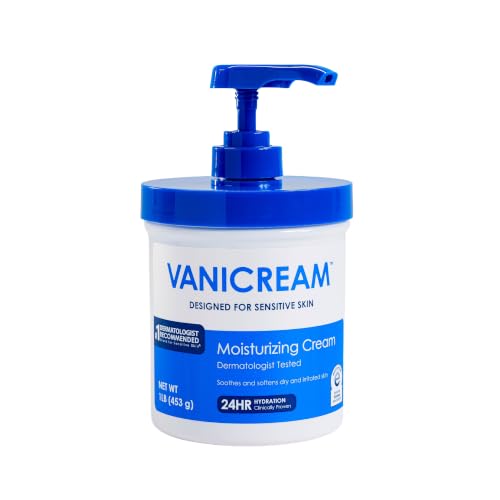

Toner goes first. After cleansing, apply toner while your skin is still slightly damp, add serum if you use one, then finish with moisturizer. Moisturizer is thicker and works best as the closing step. Check the label if your toner is exfoliating.
Standing at the bathroom sink with a bottle of toner in one hand and a jar of moisturizer in the other is a surprisingly common moment of doubt. The two products look like they do similar jobs, and labels rarely explain the sequence.
The good news is that the logic is simple once you see it. This guide walks through the order, the reasoning, a basic morning and evening routine, and the few situations where the rules shift.
Key Takeaways
- Cleanser, then toner, then serum, then moisturizer is the standard order.
- Products usually go on from thinnest to thickest texture.
- Exfoliating acid toners and prescription products may follow different directions, so read the label.
- Sunscreen is the last step in the morning, after moisturizer.
Why Toner Goes Before Moisturizer


Most skincare routines follow one idea: apply lighter, water-based products first and heavier, creamier products last. Toner is usually a thin liquid, so it can soak in easily. Moisturizer is thicker, and it forms a layer that helps keep water from escaping your skin.
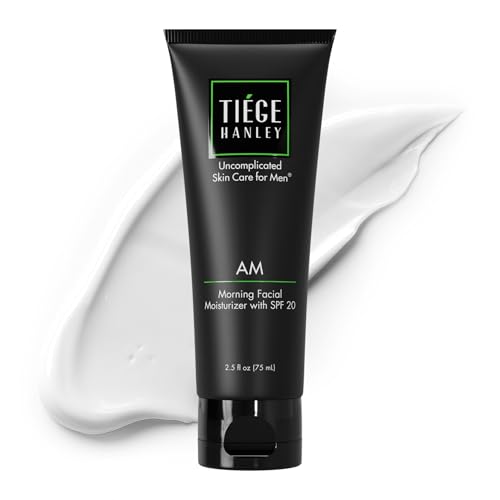


If you put moisturizer on first, it can act as a barrier, and the toner may have a harder time absorbing. If toner comes first, the moisturizer can help seal in the hydration that toner leaves behind. That is why skin that is still a little damp when you reach for your cream often feels more comfortable.
The Standard Order at a Glance
This table shows where each step usually sits. Treat it as a starting point rather than a strict rule.
| Step | Product | Morning | Evening |
|---|---|---|---|
| 1 | Cleanser | Gentle wash or water rinse | Wash, plus makeup or sunscreen removal if needed |
| 2 | Toner | Optional | Optional |
| 3 | Serum | If you use one | If you use one |
| 4 | Moisturizer | Yes | Yes |
| 5 | Sunscreen | Last step | Not needed |
In short, toner sits between cleansing and moisturizing, and sunscreen sits on top in the daytime.
STEP 1 · CLEANSE


Remove oil, sweat, and products. Pat skin lightly, leaving it a bit damp.
STEP 2 · TONE
Apply a thin layer of toner with clean hands or a soft cotton pad.
STEP 3 · MOISTURIZE
Smooth on moisturizer to help hold hydration in. Add sunscreen next in the morning.
What Toner and Moisturizer Each Do
Older toners were often astringent, alcohol-heavy liquids meant to leave skin feeling very clean and tight. Many current toners are gentler and aim to add water-based hydration or prepare skin for what comes next. Some contain mild exfoliating ingredients, which is a different category covered below.
Moisturizer has a different job. It generally combines ingredients that attract water with ingredients that soften and help slow moisture loss. Neither product is strictly required for everyone, but each plays a distinct role.
Toner vs. Moisturizer Compared
Individual products vary, so use this as a general guide and check your label.
| Feature | Toner | Moisturizer |
|---|---|---|
| Texture | Thin, watery liquid | Lotion, gel, or cream |
| Main purpose | Adds a light layer of hydration or prepares skin | Softens skin and helps hold moisture in |
| Typical position | After cleansing | After toner and serum |
| Required? | Optional for most people | Helpful for most skin types |
| Can replace the other? | No | No |
A Simple Morning and Evening Routine
You do not need a ten-step routine. A basic version with a cleanser, an optional toner, a moisturizer, and daytime sunscreen covers the essentials for many people. Add other products one at a time so you can tell what your skin likes.
Morning Routine
- Rinse or cleanse gently
- Toner (optional)
- Serum (optional)
- Moisturizer
- Sunscreen
Evening Routine
- Remove makeup and sunscreen
- Cleanse
- Toner (optional)
- Treatment or serum (optional)
- Moisturizer
How to Apply Each Step
Technique matters about as much as order. This table covers practical timing and application.
| Product | How to apply | Waiting time |
|---|---|---|
| Hydrating toner | Press into skin with clean palms, or sweep on with a cotton pad | Brief pause, while skin is still slightly damp |
| Serum | A few drops, patted gently over the face | Follow the product directions |
| Moisturizer | A thin, even layer over face and neck | Let it settle before sunscreen or makeup |
Using a little less than you think you need is often a good starting point. You can always add more if your skin still feels dry.
When the Order Changes
The thin-to-thick rule covers most products, but a few categories have their own directions. Exfoliating toners with acids, for example, are usually meant to be used on a schedule, and some brands recommend applying them at specific times in the routine. Retinoids and prescription topicals can also come with instructions from a dermatologist that override general advice.
Essences and hydrating mists sit in a similar spot to toner, so they usually go on after cleansing and before heavier products. When two labels disagree with a general guide, the label and your clinician come first.
Where Different Products Usually Go
General placement guide only. Always read the directions on your specific product.
| Product type | Usual placement | Extra note |
|---|---|---|
| Hydrating toner or essence | After cleanser, before moisturizer | Usually gentle enough for daily use |
| Exfoliating acid toner | After cleanser, per label | Can irritate; often used only a few times a week |
| Water-based serum | After toner, before moisturizer | Thin texture goes on first |
| Prescription topical | As directed by your prescriber | Ask your clinician before adding new products |
| Sunscreen | Last step in the morning | Reapply as the label directs |
QUESTION 1
Is the product thin and watery? Apply it early, before creamier items.
QUESTION 2
Does the label give a specific order or schedule? Follow the label.
QUESTION 3
Is it prescribed? Follow your clinician’s directions instead.
Matching Your Routine to Your Skin
Order stays the same for most skin types, but product choice and frequency can change. People with dry skin often prefer a hydrating toner and a richer cream. People with oilier skin often prefer a lightweight gel moisturizer, and some skip toner entirely. Sensitive skin usually does better with fewer, simpler products.
Skin Type Considerations
These are general tendencies, not diagnoses. Your skin may not fit neatly into one row.
| Skin feel | Toner approach | Moisturizer approach |
|---|---|---|
| Often dry or tight | Hydrating, fragrance-free options | Richer cream |
| Often shiny or oily | Optional; keep it gentle | Lightweight gel or lotion |
| Easily stung or red | Often fine to skip; patch test first | Simple formula with few ingredients |
| Mixed or changes by season | Use as needed | Adjust richness with weather |
GOOD FIT: ADD A TONER
- You enjoy an extra hydration step
- Your skin tolerates new products well
- You want a quick refresh after cleansing
GOOD FIT: SKIP IT
- Your skin stings after toner
- You prefer a short routine
- Your cleanser and moisturizer already work for you
Common Mistakes to Avoid
Most routine problems come from small habits, not from a lack of products. A few simple adjustments can make a routine more comfortable.
Mistake vs. Better Habit
These are the habits that come up most often.
| Common mistake | Why it can backfire | Better habit |
|---|---|---|
| Moisturizer before toner | Cream can block the thinner product | Toner first, cream last |
| Rubbing hard with a cotton pad | May irritate skin | Press or sweep gently |
| Starting several new products at once | Hard to tell which one caused irritation | Add one product at a time |
| Using acid toner every day without checking | Can cause dryness or stinging | Follow the label’s suggested frequency |
| Skipping sunscreen in the morning | Leaves skin without daytime protection | Finish daytime routines with sunscreen |
BEFORE YOU START: CHECKLIST
- Clean hands and a clean face
- Read the product directions
- Patch test new products
- Keep products away from your eyes
SAFETY NOTE
Stop using a product if you notice burning, swelling, or a rash. If you have eczema, rosacea, acne treated by a prescriber, or very reactive skin, ask a qualified healthcare professional before adding new products.
Shopping Notes for Toner and Moisturizer
If you are building a simple routine, look at the ingredient list and product directions rather than relying on marketing claims. Fragrance-free and alcohol-free options may be more comfortable for sensitive skin, though that varies by person. Match texture to your skin feel: lighter for oily skin, richer for dry skin.
You can browse options here, then compare current ingredient lists and details on each product page: hydrating facial toners on Amazon and fragrance-free facial moisturizers on Amazon. Check current details on Amazon before you decide.
Frequently Asked Questions
Do you put toner or moisturizer first?
Toner goes first, right after cleansing. Moisturizer comes after toner and any serum because it is thicker and helps hold hydration in.
Do I really need a toner?
No. Toner is optional for most people. If your skin is comfortable with just a cleanser and moisturizer, you can skip it.
Should I wait between toner and moisturizer?
A short pause is usually fine, and many people apply moisturizer while skin is still slightly damp. If the label gives a waiting time, follow it.
Where does serum go compared with toner and moisturizer?
Serum usually goes after toner and before moisturizer. Some brands recommend a different order, so check the directions.
Can I use toner and moisturizer at both morning and night?
Many people use gentle, hydrating versions twice a day. If your toner is exfoliating, follow the frequency on the label, and ask a clinician if you are unsure.
Final Thoughts
The answer to the toner-or-moisturizer question is simple: toner first, then moisturizer, with sunscreen last in the daytime. Thinner products go on early, and thicker ones go on late so they can help keep moisture in.
Routines are personal, and no order works for everyone. Introduce new products slowly, stop anything that stings or irritates, and talk with a qualified healthcare professional if you have a skin condition or use prescription products.