
By Ryan Mitchell
Last updated: October 25, 2026
As an Amazon Associate, we earn from qualifying purchases.
Quick Answer
Relaxation training in cognitive behavioral therapy (CBT) teaches practical skills—such as progressive muscle relaxation, controlled breathing, and guided imagery—to lower physical tension and interrupt the stress response. It is usually one tool among several, not a standalone cure.
If you have heard a therapist mention “relaxation training” during cognitive behavioral therapy, you may wonder exactly what it involves and whether it is worth practicing. The short version is straightforward: it is a set of structured exercises that help you notice and reduce bodily tension so your mind has a calmer baseline for working with thoughts and behaviors.
This guide explains what relaxation training means inside CBT, the main techniques you are most likely to encounter, how they fit with other CBT methods, and the practical limits and safety points that matter for everyday use.
Key Takeaways
- Relaxation training teaches skills that lower physiological arousal rather than “curing” anxiety or other conditions.
- Common methods include progressive muscle relaxation, diaphragmatic breathing, guided imagery, and applied (cue-controlled) relaxation.
- It works best as one part of a broader CBT plan that also addresses thoughts and behaviors.
- People with certain medical conditions or who experience increased anxiety during relaxation should check with a clinician first.
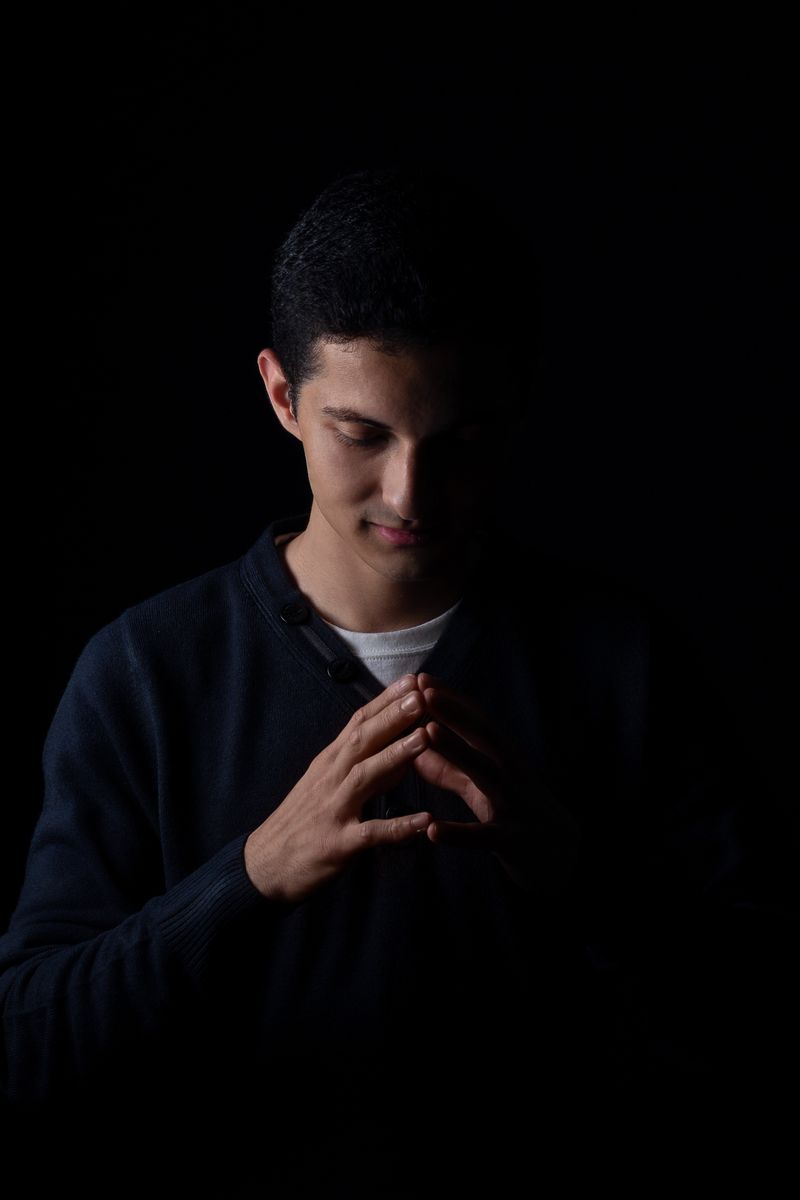
What Relaxation Training Actually Is in CBT
In cognitive behavioral therapy, relaxation training is a behavioral skill set. The goal is to reduce the physical side of stress—muscle tightness, rapid breathing, elevated heart rate—so that cognitive work (examining thoughts) and behavioral experiments become easier to carry out.
It is not the same as simply “trying to relax.” The exercises are systematic, practiced regularly, and often paired with cues that let you apply the skill quickly in real situations. Many CBT protocols for generalized anxiety, tension-related headaches, insomnia, or chronic stress include some form of relaxation training as an adjunct.
Think of it as learning to shift your nervous system from a high-alert state toward a lower-arousal state on purpose. The techniques do not replace cognitive restructuring or exposure work; they support them by giving your body a more manageable baseline.
Core Techniques Used in CBT Relaxation Training
Therapists typically teach one or more of the following methods. The choice depends on the person’s symptoms, preferences, and any medical considerations.
Progressive Muscle Relaxation (PMR)
Progressive muscle relaxation involves deliberately tensing a muscle group for several seconds, then releasing it and noticing the contrast. You move systematically through the body—often from feet to head or the reverse. Over time, many people learn to recognize subtle tension earlier and release it without the full tensing step.
PMR is especially useful when physical tightness is a major part of the stress picture. It is usually practiced while seated or lying down in a quiet place.
Diaphragmatic (Belly) Breathing and Breathing Retraining
Shallow chest breathing is common under stress. Diaphragmatic breathing teaches slower, deeper breaths that expand the lower abdomen. Simple patterns such as counting the inhale and exhale, or box breathing (equal counts for inhale, hold, exhale, hold), are frequently taught.
These exercises can be used almost anywhere once learned. They are often the first skill introduced because they require no special equipment and take only a few minutes.
Guided Imagery
Guided imagery asks you to create a detailed mental picture of a calm scene—sights, sounds, temperature, and physical sensations. The idea is to shift attention away from distressing thoughts and toward sensory details that support a quieter state.
It is a cognitive form of relaxation and pairs well with breathing or muscle work.
Applied (Cue-Controlled) Relaxation
Applied relaxation, developed as a multi-step program, teaches you to detect early signs of anxiety and then trigger a rapid relaxation response using a cue word or short breathing pattern. The aim is to shorten the time needed to reach a calmer state so the skill can be used in everyday situations, not only in a quiet room.
This form is frequently used for generalized anxiety and pairs naturally with the cognitive and behavioral parts of CBT.
| Technique | Main Focus | Typical Setting |
|---|---|---|
| Progressive muscle relaxation | Muscle tension and release | Quiet room, seated or lying |
| Diaphragmatic breathing | Breathing pattern and pace | Almost anywhere once learned |
| Guided imagery | Attention and sensory detail | Quiet space with eyes closed or soft gaze |
| Applied / cue-controlled | Early detection + rapid skill use | Real-life situations after practice |
These methods can be combined. Many people start with breathing or PMR and later add a cue for faster use.
STEP 1
Learn the basic skill in a quiet setting (PMR, breathing, or imagery).
STEP 2
Practice regularly so the response becomes more automatic.
STEP 3
Add a cue word or brief pattern for faster use in daily life.
How Relaxation Training Fits Inside a Full CBT Plan
CBT usually targets the interaction of thoughts, feelings, physical sensations, and behaviors. Relaxation training mainly addresses the physical-sensation side. Once tension drops, it can become easier to notice and challenge unhelpful thoughts or to approach avoided situations gradually.
Important distinction: relaxation is rarely the main engine of change in modern CBT for anxiety disorders. Cognitive restructuring, behavioral experiments, and exposure remain central. Relaxation is most often an adjunct that makes those other tools more accessible when arousal is high.
In some specialized protocols, such as CBT for insomnia (CBT-I), relaxation training appears alongside stimulus control and sleep restriction. In headache or chronic-pain programs, it may be paired with activity pacing and cognitive strategies for pain-related thoughts.
| CBT Component | Typical Role | How Relaxation Helps |
|---|---|---|
| Cognitive restructuring | Examine and reframe thoughts | Lower arousal so thinking feels clearer |
| Exposure / behavioral experiments | Approach avoided situations | Manage intensity so practice stays workable |
| Behavioral activation | Increase valued activity | Reduce fatigue or tension that blocks action |
| Psychoeducation | Explain the stress cycle | Shows the body side of the cycle in action |
Simple Decision Path: When Relaxation Training May Fit
High muscle tension
PMR or applied relaxation often considered first.
Rapid shallow breathing
Breathing retraining is a logical starting point.
Racing thoughts + tension
Combine breathing or imagery with cognitive work.
What the Research Context Suggests (Without Overclaiming)
Relaxation methods have been studied for decades as part of behavioral and cognitive-behavioral approaches. Meta-analyses and reviews generally show that relaxation training can reduce symptoms of anxiety for many people, with effect sizes that are often moderate. For some anxiety presentations, full CBT packages that include cognitive and exposure elements tend to show stronger or more durable results than relaxation alone.
Applied relaxation has a long track record specifically for generalized anxiety. Progressive muscle relaxation and breathing exercises appear frequently in protocols for tension-type headaches, insomnia, and stress management. Results vary by individual, the quality of practice, and whether the skill is integrated with other CBT tools.
No technique works for everyone. A minority of people experience increased anxiety during relaxation (sometimes called relaxation-induced anxiety). In those cases, a therapist may modify the approach, start with very brief practice, or emphasize cognitive strategies first.
| Area | General Observation from Reviews |
|---|---|
| Generalized anxiety | Applied relaxation has supportive evidence as a structured treatment component |
| Broader anxiety symptoms | Relaxation training often shows benefit; full CBT packages may outperform relaxation alone for some disorders |
| Insomnia (as part of CBT-I) | Often included; other components such as stimulus control and sleep restriction are usually central |
| Tension-related physical symptoms | PMR and breathing are commonly used in multimodal programs |
These are population-level patterns, not guarantees for any individual. A qualified clinician can help match methods to your situation.
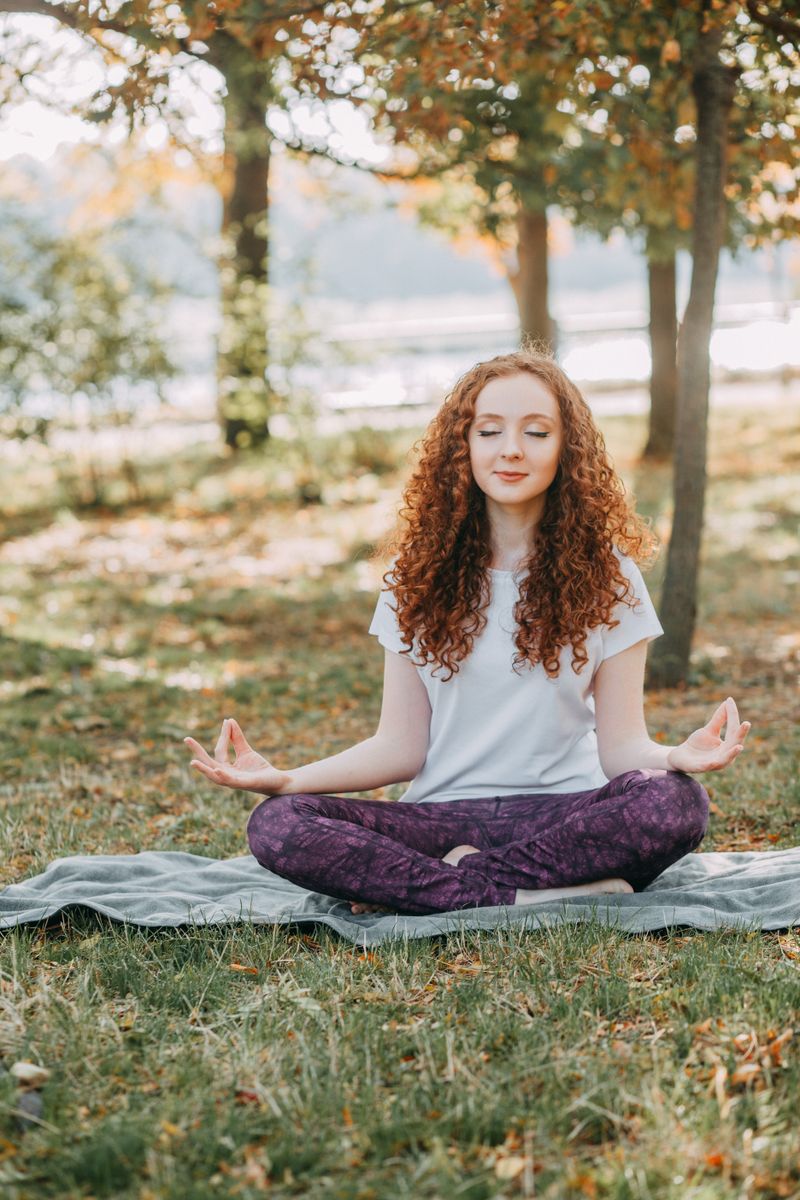
Practical Ways People Use These Skills Day to Day
Once the basic techniques are learned, practice is usually short and frequent rather than long and occasional. A typical pattern might look like this:
- 10–15 minutes of formal practice most days while learning.
- Brief “mini” versions (30–90 seconds) once the response is familiar.
- Application at the first signs of rising tension—before a meeting, during a commute, or when noticing shoulder tightness.
Sample Daily Practice Rhythm (Illustrative)
Morning
5–10 min formal practice
Midday
1–2 brief cue resets
Evening
Optional wind-down session
Physical comfort tools can support the same goal of easing muscle tension. Some people combine brief self-massage or a warm shower with their breathing or PMR practice. For ideas on gentle home techniques, see our guide to wellness massage at home.
| Common Situation | Possible Skill Choice | Keep in Mind |
|---|---|---|
| Shoulders creeping up at a desk | Brief PMR for shoulders + slow breaths | Stop if pain appears; posture check helps |
| Racing thoughts before sleep | Breathing or guided imagery | Part of a broader sleep routine, not a guarantee |
| Early signs of rising anxiety | Cue-controlled / applied relaxation | Works best after solid practice of the full skill |
| General daily stress load | Short formal practice most days | Consistency usually matters more than length |
Who Should Be Especially Careful
Most healthy adults can practice basic breathing and gentle progressive muscle relaxation without special equipment. Still, certain situations call for professional guidance first.
Safety Note
If you are pregnant, have a history of trauma or panic that intensifies during body-focused exercises, live with a respiratory or cardiac condition, have recent injuries or surgery, or use implanted devices, talk with a qualified healthcare professional before starting structured relaxation training. Stop any exercise that produces pain, dizziness, or unusual symptoms.
People who notice that focusing on bodily sensations increases anxiety may need a modified approach. A therapist experienced in CBT can adjust the pace, start with external focus, or emphasize cognitive skills first.
For pregnancy-specific stress-relief options that stay gentle, see our article on stress relief safety during pregnancy.
| Situation | Practical Caution |
|---|---|
| Pregnancy | Prefer gentle breathing and side-lying positions later in pregnancy; confirm with prenatal provider |
| Recent injury or surgery | Avoid tensing affected areas; follow clinician guidance |
| Respiratory or cardiac conditions | Modify breathing patterns; seek medical clearance |
| History of trauma or dissociation | Work with a trauma-informed clinician; start very briefly |
Generally Suitable for Practice
- Healthy adults learning basic skills
- People with everyday tension and stress
- Those already working with a CBT therapist
Check First or Modify
- Medical conditions affecting breathing or heart
- Pregnancy or recent surgery
- Strong increase in anxiety during body focus
Common Mistakes and How to Avoid Them
A few practical pitfalls appear often when people first try these skills:
| Mistake | Better Approach |
|---|---|
| Expecting instant, lasting calm after one session | Treat it as a skill that improves with repeated practice |
| Tensing muscles hard enough to cause pain | Use moderate tension only; the release is the main event |
| Using relaxation as a way to avoid needed exposure | Keep relaxation supportive, not a substitute for approaching fears |
| Practicing only when already highly distressed | Build the skill in calmer moments first |
Quick Troubleshooting Guide
Feeling more anxious during practice? Shorten sessions, keep eyes open, or switch temporarily to external focus (sounds in the room).
Hard to notice the difference between tension and release? Exaggerate the contrast slightly at first, then soften.
No quiet space? Start with 60-second breathing resets that fit into ordinary moments.
Frequently Asked Questions
Is relaxation training the same as meditation?
Not exactly. Meditation often emphasizes open awareness or non-judgmental observation. Relaxation training in CBT is more directive: it systematically targets muscle tension, breathing patterns, or imagery to lower arousal. Some people combine elements of both.
How long does it take to notice any benefit?
Some people feel a short-term drop in tension within a single practice session. Building a reliable skill that can be used under stress usually takes regular practice over several weeks. Individual timelines vary widely.
Can I learn these techniques on my own?
Basic breathing and progressive muscle relaxation can be learned from reputable guides. Working with a CBT therapist is helpful for matching techniques to your specific patterns, troubleshooting difficulties, and integrating the skills with cognitive and behavioral work.
Does relaxation training replace medication or full therapy?
No. It is one skill set within a broader approach. Decisions about medication or comprehensive treatment belong with a qualified healthcare professional who knows your history.
What if I fall asleep during progressive muscle relaxation?
That is common when practicing while lying down, especially later in the day. If the goal is skill-building rather than sleep, try a more upright seated position and shorter sessions.
Are there products that support relaxation training?
The core skills need no equipment. Some people find a comfortable chair, supportive cushion, or gentle self-massage tools helpful for reducing background muscle tension so practice feels easier. Always follow product instructions and stop if anything feels uncomfortable.
Final Thoughts
Relaxation training in cognitive behavioral therapy is a practical set of skills for lowering physical tension and interrupting the stress response. Progressive muscle relaxation, controlled breathing, guided imagery, and applied (cue-controlled) methods are the techniques you are most likely to meet. They work best when practiced regularly and used alongside the cognitive and behavioral parts of CBT rather than as a complete solution on their own.
If you have medical concerns, notice increased anxiety during body-focused exercises, or are unsure how these skills fit your situation, speak with a qualified healthcare professional or a therapist trained in CBT. Small, consistent practice in ordinary moments often proves more useful than occasional long sessions.

