
By Ryan Mitchell | Wellness & Relaxation
Quick Answer: What is lifestyle medicine? It is a health approach that uses daily habits, such as eating, movement, sleep, stress care, social connection, and avoiding risky substances, to support long-term health alongside regular medical care.
Hearing this term for the first time can feel confusing. Is it a diet? A fitness plan? A new kind of doctor visit? This guide explains the idea in plain language, shows how it works day to day, and helps you decide whether it fits your life.
Health note: This article is for general educational information only. It does not diagnose, treat, cure, or prevent any condition. It does not replace advice from a licensed healthcare professional. Readers should seek professional help for severe, worsening, unusual, or persistent symptoms.
What Is Lifestyle Medicine, Really?
Lifestyle medicine is a way of treating everyday habits as a core part of health care. Instead of focusing only on one symptom or one prescription, it looks at how you eat, move, sleep, handle stress, connect with other people, and use substances such as alcohol or tobacco.
The American College of Lifestyle Medicine organizes the field around six pillars. In daily life, this is less about perfection and more about steady, realistic changes. Think of habits as the foundation that other care sits on top of.
It is not a replacement for medication, surgery, or emergency care. Many clinicians use it alongside those tools, especially for long-term concerns such as blood pressure, blood sugar, or heart health. If you live with a health condition, a professional should guide any plan you follow.
Why does this matter? Everyday patterns such as food quality, activity level, and sleep can influence how you feel and how well other care works. Because these patterns repeat daily, small improvements can add up over months and years. For example, someone who swaps one sugary afternoon drink for water and adds a short walk is making two low-cost changes that fit a normal day. Ignoring these patterns will not cause trouble overnight, but it can make long-term health goals harder to reach.
The Six Pillars at a Glance
Whole-Food Eating
This pillar centers on vegetables, fruits, whole grains, beans, nuts, and seeds. Many programs lean plant-focused, but the right mix depends on your needs and your clinician’s advice.
Physical Activity
Regular movement can support heart health, mood, and strength. It might be walking, gardening, swimming, or light strength work, built up gradually.
Restorative Sleep
Steady sleep and wake times can support energy and mood. Many adults aim for around seven or more hours, though needs vary from person to person.
Stress Management
Slow breathing, time outdoors, journaling, and hobbies may help you handle daily pressure. The goal is a small toolkit you will actually use.
Social Connection
Close relationships and community ties can support well-being. Even a weekly phone call or walk with a friend counts as progress.
Avoiding Risky Substances
This includes avoiding tobacco and limiting alcohol. If cutting back feels hard, a healthcare professional can talk through support options with you.
How the Approach Works in Practice
So what is lifestyle medicine in practice? It usually starts with a conversation about your current habits, health history, and goals. A trained clinician, dietitian, or health coach may then help you choose one or two small changes at a time.
Progress is tracked over weeks and months, not days. Plans are adjusted as life changes, and regular check-ins keep them realistic. Some clinics offer group visits, where people share ideas and stay motivated together.
A first visit may include questions about your usual meals, activity, sleep hours, stress level, and social support. You might also share what has worked or failed before. Your clinician may suggest simple tools, such as a food log, a short walking plan, or a referral to a registered dietitian. You stay in charge of the pace, and you can ask to slow down at any time.
Here is a simple path many people follow when they begin.
Starter Routine Flow
1
2
3
4
5
Notice that the plan begins with a conversation, not a big overhaul. Small, repeatable steps are usually easier to keep than dramatic changes.
How It Differs From Other Approaches
The label can sound similar to general wellness advice, so this comparison may help.
Swipe left/right to see the full table →
| Approach | Main Focus | Usual Role |
|---|---|---|
| Lifestyle medicine | Daily habits across six areas | Works alongside medical care |
| Conventional care | Diagnosis, medication, procedures | Addresses specific conditions |
| General wellness tips | Single habits, like drinking water | Informal and self-directed |
| Crash diets | Quick fixes for one goal | Often hard to sustain |
Benefits and Limits to Keep in Mind

The biggest strength of this approach is that it builds skills you can keep using for years. The biggest limit is that it takes time, and results differ from person to person. Both sides matter, so here they are together.
Benefits vs. Limitations
Swipe left/right to see the full table →
| Possible Benefit | Honest Limitation |
|---|---|
| Looks at the whole person, not one symptom | Does not replace medical treatment |
| Builds skills you can use for years | Results vary from person to person |
| Can fit many budgets and schedules | Needs patience and steady effort |
| Encourages shared decisions with clinicians | Access to trained professionals varies |
Note: Research on healthy habits is encouraging overall, but your own results depend on your health, history, and consistency. Treat general information as a starting point, not a promise.
Who May Benefit and Who Should Check First
Choose this approach if you want steady, practical habit changes and support alongside your regular care. Check with a professional first if big changes could interact with a health condition or medication. Anyone who asks what is lifestyle medicine and whether it suits them is already taking a sensible first step.
Good Fit vs. Check-First Situations
Swipe left/right to see the full table →
| May Be a Good Fit If | Check With a Professional First If |
|---|---|
| You want healthier daily habits | You take prescription medication and plan big diet changes |
| You feel stable and want more energy | You have diabetes, kidney, or heart concerns |
| You enjoy gradual, step-by-step plans | You are pregnant, nursing, or planning pregnancy |
| You want support alongside regular care | You have a history of disordered eating |
Not every pillar needs the same attention at once. The meter below shows a typical routine priority for beginners. It is a practical guide, not scientific data, and your own order may differ.
Typical Routine Priority for Beginners (practical guide)
Sleep often sits near the top because poor rest makes every other habit harder. Substance use is left off the meter because it is highly personal and best discussed with a professional.
What a Realistic Timeline Looks Like
Habits settle in at different speeds, so treat this as a general guide, never a promise.
General Progression Guide
Track one habit and learn what gets in the way.
Repeat the habit at the same time each day.
Add a second habit from another pillar.
Check in with your clinician and adjust the plan.
If a habit still feels hard after several weeks, make it smaller rather than quitting. A five-minute version done daily is worth more than an ambitious plan you drop.
Common Mistakes and Better Choices
People who first ask what is lifestyle medicine often want to fix everything immediately. That usually backfires, so here are the traps to skip.
Mistake vs. Better Choice
Swipe left/right to see the full table →
| Common Mistake | Better Choice |
|---|---|
| Changing everything at once | Start with one small habit |
| Following social media trends blindly | Check ideas with trusted health sources |
| Skipping regular medical check-ins | Share your plan with your clinician |
| Judging progress every single day | Review monthly and look for patterns |
Tip: Attach a new habit to one you already have. For example, stretch gently right after brushing your teeth, or take a short walk after your evening meal.
Warning: Never stop or change prescribed medication because of a lifestyle plan. Any medication change should happen only with guidance from your prescriber.
A Sample Weekly Rhythm
These examples show how small habits can fit into a normal week. They are ideas, not medical advice.
Swipe left/right to see the full table →
| Habit Area | Typical Rhythm | Simple Example |
|---|---|---|
| Movement | Most days | Ten-minute walk after dinner |
| Sleep | Same bedtime nightly | Screens off thirty minutes early |
| Eating | Daily | Add one vegetable to lunch |
| Connection | Weekly | Call or walk with a friend |
None of these examples needs special equipment or large blocks of time. That is the point: habits that fit your real schedule are the ones that last. If a week gets busy, keep the smallest version going and pick the rest back up when things calm down.
Self-Care Habits vs. Professional Help
Most habit changes are low risk, but your body’s signals still matter. Use this simple path to decide your next step.
Decision Path: Where Should I Start?
This path is a general guide. When in doubt, a quick call to your clinician is always reasonable.
Do’s and Don’ts for Beginners
Start small and stay consistent.
Track how you feel, not only numbers.
Ask questions at medical visits.
Copy extreme routines from strangers online.
Ignore pain or unusual symptoms.
Treat a slip as total failure.
How to Find Qualified Support
Start with your regular doctor or primary care clinic, since they already know your history. Ask whether anyone there has training in nutrition, physical activity, or behavior change, or whether they can refer you to a registered dietitian or health coach. Professional groups such as the American College of Lifestyle Medicine list clinicians interested in this field, though a listing is not a guarantee of quality, so ask about training and experience.
Be cautious about anyone who promises fast results, sells costly supplement packages, or suggests stopping your medication. Come prepared by writing down your medications, your goals, and two or three questions. Bringing a friend or family member can help you feel more confident and remember what was said.
When to contact a professional: Call 911 or seek urgent medical help for chest pain, trouble breathing, fainting, or sudden weakness. Contact a healthcare professional if you feel dizzy or unwell after changing habits, have a long-term condition, take medication, are pregnant, or have symptoms that are severe, worsening, unusual, or persistent.
For more everyday guidance, see NHS Live Well and MedlinePlus.
Simple Tools That May Make Habits Easier
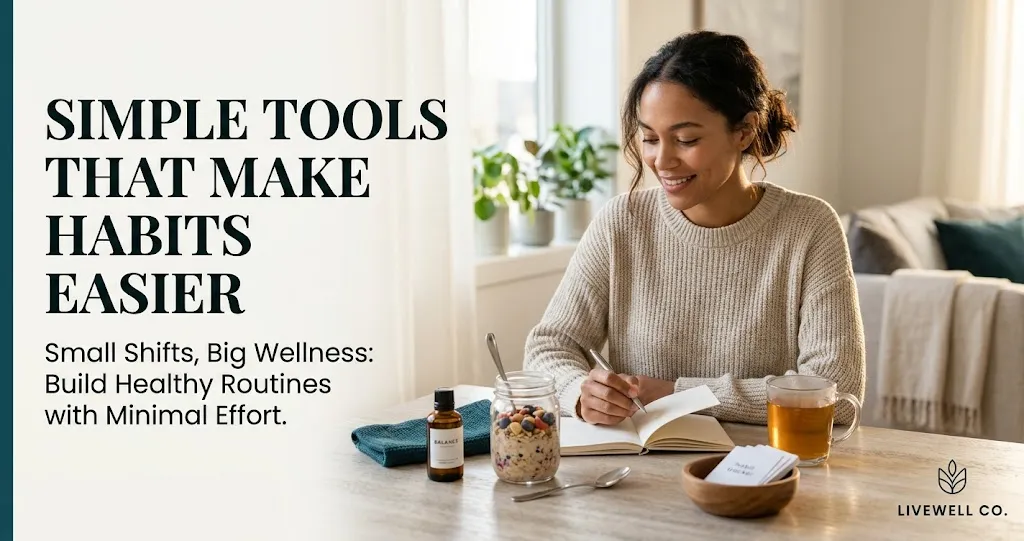
You do not need gadgets to start. Still, a few low-cost tools may help with routine consistency by making your progress easy to see.
Affiliate disclosure: This article may contain affiliate links. If you buy through these links, we may earn a small commission at no extra cost to you. We only mention products that fit the topic and do not replace professional medical advice.
Habit Tracker Journal
A simple paper tracker can help with routine consistency by showing your streaks at a glance.
Basic Step Counter
A simple pedometer may make daily movement easier to notice, so you can build up gradually at your own pace.
Choose a tool only if it helps you stick with a habit. Skip it if tracking makes you anxious or obsessive, and talk with a professional if numbers start to feel stressful.
Frequently Asked Questions
What is lifestyle medicine in simple words?
It is a care approach that uses daily habits, like food, movement, sleep, stress care, connection, and avoiding risky substances, to support long-term health alongside medical care.
Is it the same as going on a diet?
No. Eating is only one of six areas. Sleep, movement, stress, relationships, and substance use matter too.
Can it replace my medication?
No. It is meant to work alongside medical care. Never stop or change prescribed medication without talking with your prescriber.
Who practices it?
Physicians, nurses, dietitians, health coaches, and other professionals may use these approaches. Some clinicians pursue extra training or certification in the field.
How long until I notice changes?
It varies. Some people notice better energy or mood within weeks, while others need months. Consistency matters more than speed.
Is it safe for everyone?
Gentle habit changes are generally low risk, but needs differ. Check with a professional first if you have a health condition, take medication, or are pregnant.
How do I get started?
Pick one pillar, set one tiny goal, and track it for two weeks. Share your plan with a healthcare professional if you have any health concerns.
Final Thoughts
So, what is lifestyle medicine? It is a practical, habit-based way to support your health, built on steady steps rather than strict rules.
Start small, stay patient, and keep your clinician in the loop. Seek professional help if symptoms are severe, worsening, unusual, persistent, or not improving.
Author
-

Hi, I’m Ryan Mitchell, a wellness and relaxation writer at RemedyTip.com, where I focus on helping readers better understand stress management, relaxation techniques, mindfulness, sleep improvement, and everyday wellness habits. I have developed a strong knowledge of the Wellness & Relaxation field through sustained learning, in-depth research, and a continued commitment to exploring practical approaches to well-being.
My work focuses on researching wellness topics, examining available evidence, and turning complex information into clear, accessible, and actionable guidance. I’m continually exploring new findings, relaxation practices, and lifestyle strategies to help readers make informed decisions about their daily wellness routines. At RemedyTip.com, my goal is to share trustworthy, research-informed content that encourages healthier habits, greater relaxation, and a more balanced lifestyle.

