If you lift weights or run hard in a US gym or home setup, sore muscles are part of the deal. The good news is that muscle recovery is not magic. It follows clear steps that most busy people in the United States can follow without special gear or expensive programs. Your body rebuilds muscle tissue during rest, not during the workout itself. Sleep, food, and controlled activity decide how fast that rebuild happens.
Across American cities from Austin to Chicago, trainers see the same pattern. People who sleep poorly, skimp on protein, and skip rest days stay sore longer and progress slower. This guide walks you through the practical steps that work for everyday athletes, weekend warriors, and anyone training around a full-time job. Everything here sticks to widely accepted recovery principles used in US strength and conditioning settings.
Why Muscle Recovery Matters For Everyday American Training
Muscle recovery is the process of repairing the tiny tears that form in muscle fibers during hard training. When you recover well, those fibers grow back thicker and stronger. When recovery lags, you stay sore, lose strength, and raise injury risk. In the United States many people train early before work or late after long days. That schedule makes recovery even more important because stress and short sleep already slow repair.
Delayed onset muscle soreness, often called DOMS, usually peaks 24 to 72 hours after a new or intense session. It is normal. It is not a badge of honor that requires more hard training the next day. Giving the body time and the right inputs lets inflammation settle and new proteins form. Skipping recovery keeps the body in a constant breakdown state. Progress stalls and motivation drops.
The goal is not zero soreness forever. The goal is shorter recovery windows so you can train consistently without feeling beaten up for days. American strength coaches and physical therapists point to the same core levers: sleep quality, protein intake, energy balance, hydration, and managed training stress. Master those and most people notice less stiffness and better performance within two weeks.

Sleep Is The Number One Recovery Tool
Sleep drives the largest share of muscle repair for most people. During deep sleep the body releases growth hormone and increases protein synthesis. Short sleep cuts those processes short. Adults in the United States often average under seven hours. That deficit shows up as lingering soreness and slower strength gains.
Aim for seven to nine hours in a dark, cool room. Keep the temperature around 65 to 68 degrees Fahrenheit if you can. Dim screens an hour before bed. Caffeine after mid-afternoon makes deep sleep harder for many people. Alcohol may help you fall asleep but fragments the later stages of sleep that matter most for recovery.
If your schedule is tight, protect the hours you do get. A consistent bedtime and wake time helps more than occasional long sleep-ins. Naps of 20 to 30 minutes can help on heavy training days but do not replace nighttime sleep. Track how you feel after consecutive good nights. Most people notice less morning stiffness and better energy for the next workout.

Nutrition That Speeds Muscle Repair
Food supplies the building blocks and energy needed for repair. Protein provides amino acids. Carbohydrates refill muscle glycogen. Healthy fats support hormone function. Skipping any of these slows the process. In busy American households convenience often wins, so plan simple options that fit real life.
Most active adults benefit from 1.4 to 2.0 grams of protein per kilogram of body weight daily. Spread it across three to five meals. A practical post-workout target is 20 to 40 grams of protein within a few hours of training. That amount supports muscle protein synthesis without needing perfect timing. Good everyday sources include eggs, Greek yogurt, chicken, lean beef, fish, cottage cheese, and whey or plant-based protein powder.
Carbohydrates matter more than many people realize. Hard training depletes glycogen. Refilling it helps the next session feel better and reduces overall stress on the body. Pair protein with carbs after training when possible. Examples that work in US kitchens include a turkey sandwich, yogurt with fruit, or rice with chicken. Total daily calories also count. Chronic under-eating keeps the body in a recovery deficit even if protein looks adequate on paper.
Hydration is part of nutrition. Dehydration increases perceived effort and can worsen soreness. Drink water throughout the day. On long or hot sessions include electrolytes. Sweat rates vary widely. A simple check is urine color. Pale yellow is a reasonable everyday target for most people.

Active Recovery And Smart Rest Days
Complete rest has a place, but total inactivity is not always best. Light movement increases blood flow and can reduce stiffness without adding new muscle damage. In the United States many people sit for long hours at desks or in cars. A short walk after training or on rest days counters that.
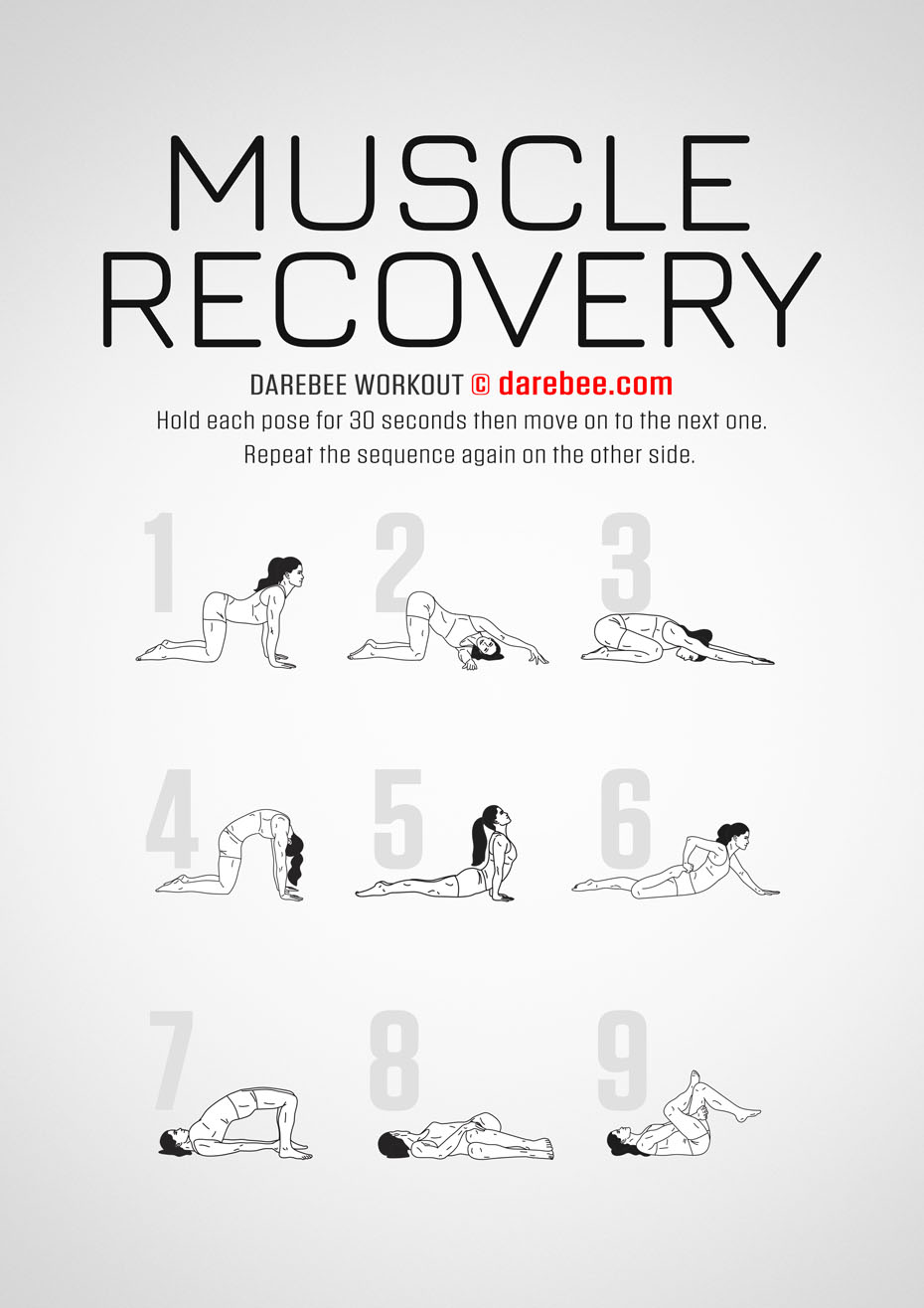
Active recovery options include easy walking, light cycling, swimming at a gentle pace, or mobility work. Keep the effort conversational. You should finish feeling better, not more tired. Foam rolling or gentle stretching can ease temporary tightness for some people. Evidence is mixed on how much it speeds true tissue repair, yet many athletes find it helpful for comfort.
Structure your week so the same muscle groups get at least 48 hours before hard training again. Full-body sessions or upper-lower splits make this easier. One full rest day per week is a practical minimum for most recreational lifters. On that day focus on sleep, food, and light movement. Listen to cumulative fatigue. If performance drops for more than a few sessions or soreness lasts beyond 72 hours, reduce volume for a week.

Practical Daily Habits That Support Faster Recovery
Small daily actions add up. Start the day with a protein-rich breakfast if possible. Keep water visible on your desk or in the car. Schedule workouts at times that protect sleep rather than cutting into it. Many Americans train at 5 a.m. or after 7 p.m. Both can work if the rest of the day supports recovery.
Manage overall stress. High stress from work or family raises cortisol and can slow repair. Short walks, breathing exercises, or time outdoors help some people. Cold exposure and heat such as saunas are popular in US recovery culture. Research shows mixed results for true muscle repair. They may reduce perceived soreness for some individuals. Use them if they feel good and fit your routine, but do not treat them as replacements for sleep and protein.
Track a few simple markers. How sore are you 48 hours later? How is sleep quality? How do key lifts feel from week to week? If numbers or energy trend down for more than a week, reduce training volume. Progress is measured over months, not single sessions. Consistency with recovery habits produces the biggest long-term gains.

Common Mistakes That Slow Muscle Recovery
The most common error is training hard again before the previous session has been recovered from. Ego and online challenges push people to ignore lingering soreness. That pattern leads to plateaus or injury. Another frequent mistake is cutting calories too aggressively while trying to build or maintain muscle. Energy deficits lengthen recovery time.
Relying only on supplements while ignoring sleep and total protein is another trap. Fancy recovery drinks cannot fix chronic short sleep. Overusing foam rollers or massage guns to the point of irritation can also backfire. Gentle use is fine. Aggressive daily pounding is not required. Finally, ignoring hydration in hot or humid American climates turns mild sessions into longer recovery problems.
Avoid the all-or-nothing mindset. Missing one perfect recovery day does not ruin progress. Consistent good habits across weeks matter far more than perfect single days. Adjust volume when life stress rises. That flexibility keeps people training for years instead of burning out in months.